How Gen Z Fell in Love With Our Favorite Songs
Gen Z is increasingly listening to older music, with 1990s R&B and early 2000s tracks gaining streams among listeners who were not around when they were released. Algorithm-driven playlists place these songs alongside newer releases, while social media and search behavior continue to drive discovery. Data also shows that about 42 percent of Gen Z listens to music as a form of escape. Together, these shifts are influencing what defines popular music today.
What “Old School” Means to Gen Z
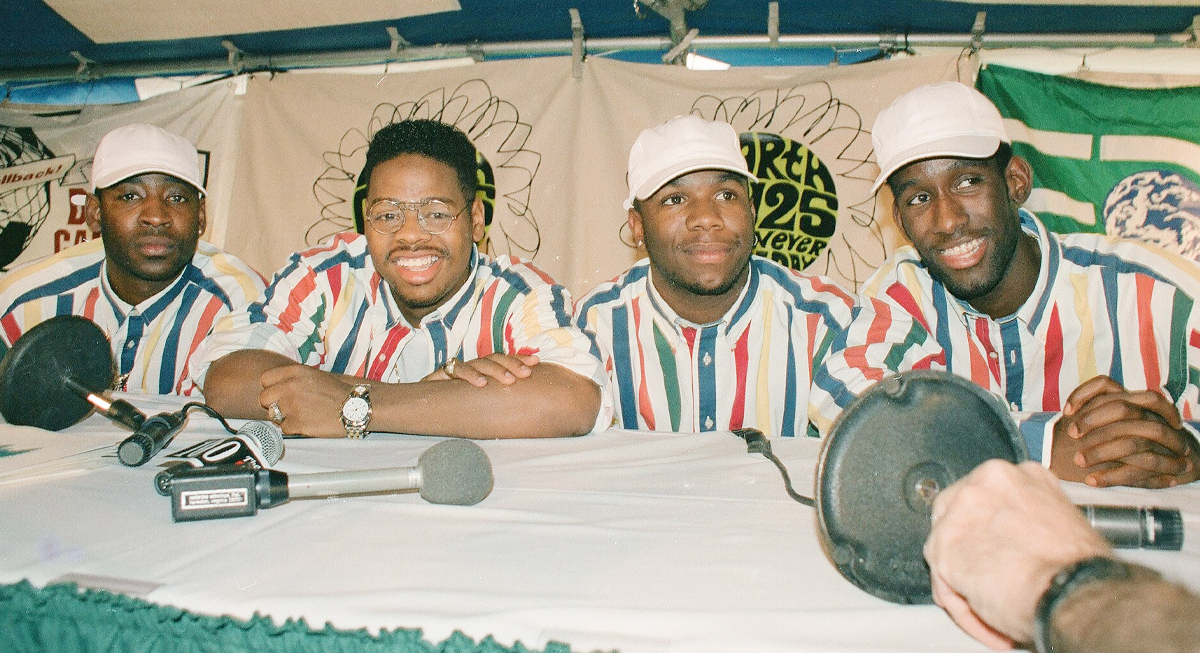
Image via Wikimedia Commons/John Mathew Smith & www.celebrity-photos.com
For this generation, “old school” usually lands between the 1980s and early 2000s. That includes artists like Aaliyah, TLC, Boyz II Men, and Sade. The sound is pretty distinct. Drum machines like the Roland TR-808, layered harmonies, and groove-heavy basslines give these tracks a slower, more intentional feel. Vocals sit front and center, not buried under effects. That pacing feels different compared to modern releases that chase quick hooks and constant shifts.
How Social Media Rewrote Discovery
Image via Pexels/The Six
This change didn’t start with radio or record stores, but on social media feeds. Platforms like TikTok and Instagram recycle older songs into new moments. A single viral clip can send millions of users searching for a track released decades ago. Kate Bush’s Running Up That Hill surged again after appearing in Stranger Things, while Dreams found a second life through a skateboarding video that went viral.
The Emotional Pull Behind the Trend
Another reason why this music sticks comes down to how it feels. Older tracks often center on themes that still hit hard: love, heartbreak, identity, and resilience. Artists like Lauryn Hill and D’Angelo let lyrics carry weight without rushing the message.
Gen Z responds to that depth. Spotify data shows this group searches for “sad” music more than any other generation. There’s also a sense of escape tied to the sound. Many young listeners connect these tracks with a version of life that is slower and less overwhelming, even if they never lived through it.
Imperfection Became the Selling Point
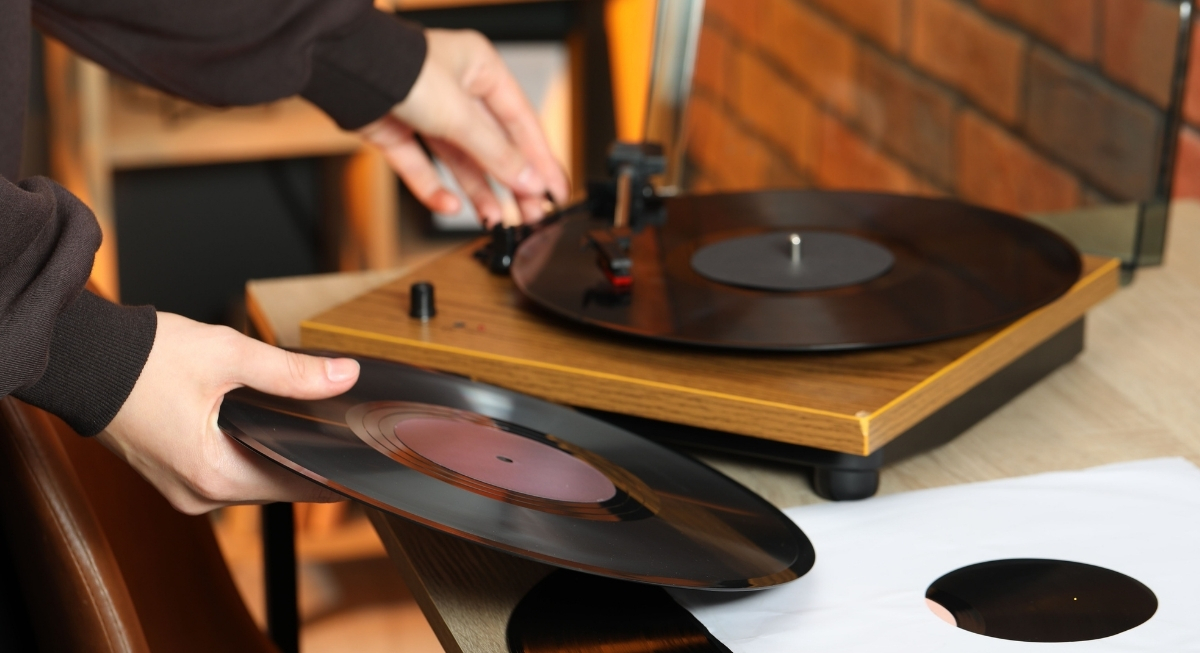
Image via Canva/Africa images
Modern production often aims for clean, polished output. Old school tracks go in the opposite direction, and that difference stands out. You can hear the instruments clearly, the vocals carry slight imperfections, and vinyl recordings even include faint crackles that add texture instead of distraction. The raw quality makes the music feel closer. It sounds like someone performing, not editing.
It’s Shaping More Than Just Playlists
This interest doesn’t stop at streaming. It shows up in how Gen Z spends time and money. Vinyl records, CDs, and even cassettes are gaining traction again. Physical formats encourage people to sit with an album.
Live events tell the same story. Reunion concerts and 1990s-themed festivals are drawing large crowds, with Gen Z joining older fans. Nostalgia has turned into a shared experience. Fashion follows the same pattern. Y2K styles, thrift shopping, and vintage pieces reflect a broader pull toward the past, tying music into a larger lifestyle shift.