How Forcing a Specific Facial Expression Physically Alters Your Brain Chemistry
A fake smile is the kind of thing people do for awkward family photos, customer service jobs, or bad first dates, but science has found something strange. The muscles involved in that forced grin may, within seconds, start altering the brain’s chemistry.
The idea has stressed psychologists for decades because it flips a familiar belief upside down. Most people assume emotions create facial expressions. Happiness creates smiles, and stress creates frowns. However, several studies suggest that it goes both ways. A facial expression may also prompt the brain to shift into a different emotional state.
Scientists Literally Electrified Smiles

Image via Getty Images/g-stockstudio
In November 2024, researchers published a study in the journal “Emotion” that involved muscle stimulation. Electrodes were attached to participants’ faces and used to trigger small contractions that physically created smiles or frowns.
The team tested 58 participants. Some looked at pleasant images during the stimulation, while others stared at blank screens. The electrical current lasted only five seconds at a time, yet participants still reported mood shifts after their facial muscles changed shape. Smiling produced more positive feelings, while frowning pushed the mood in the opposite direction.
The effect grew stronger when participants looked at cheerful images while smiling. Researchers also tested weaker stimulation that failed to create visible facial expressions, and this produced little emotional change.
The study revived a long-standing argument known as the facial feedback hypothesis. The idea dates back to the 19th century, when Charles Darwin and philosopher William James proposed it. Both believed that physical reactions within the body could shape emotions rather than simply reflect them.
The Brain Reacts Fast To Facial Movements
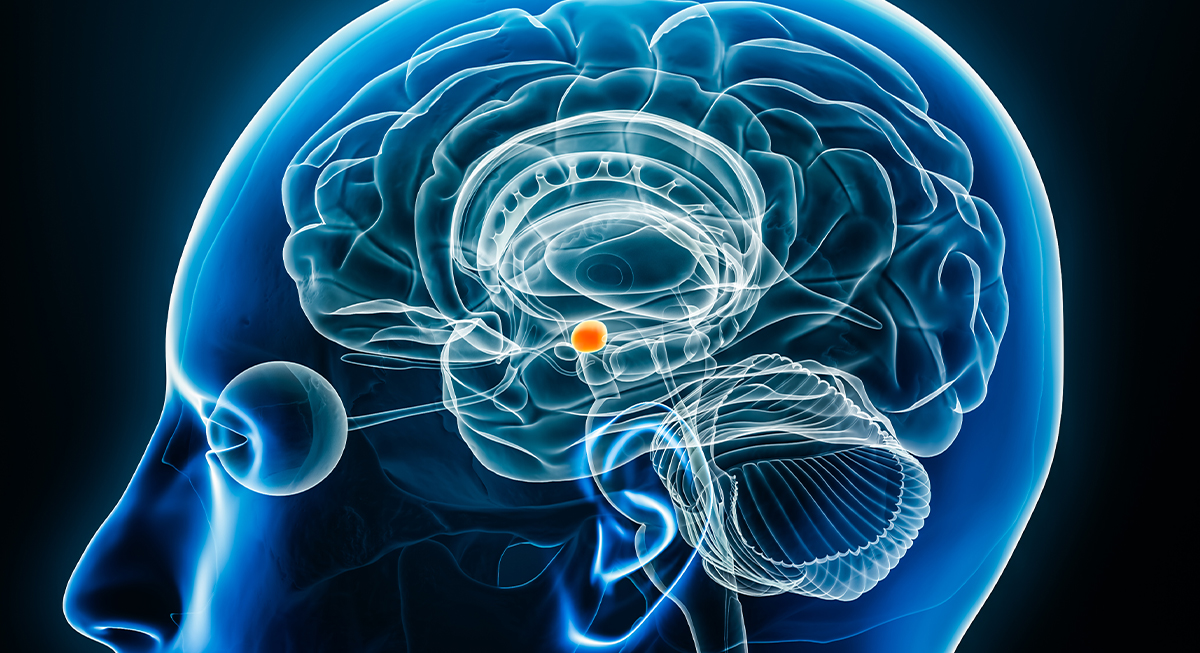
Image via iStockphoto/libre de droit
Scientists think part of the answer lies in the amygdala, a brain region heavily involved in emotional processing. When facial muscles activate during a smile, the brain may interpret those signals as evidence that something positive is happening. This can trigger chemical responses involved in mood regulation, including the release of dopamine and serotonin.
Dopamine plays a role in pleasure and reward. Serotonin helps regulate mood and stress levels. Researchers and neurologists have pointed out that low levels of both chemicals are often linked to depression and emotional distress.
This may explain why even forced smiling can sometimes lower stress markers. Several earlier studies connected smiling with reduced heart rate during stressful situations and lower blood pressure after tension spikes.
Smiling May Work Like A Tiny Mental Shortcut
Mental health experts caution that smiling is not a cure for depression, grief, or serious emotional struggles. Still, several psychologists believe facial feedback can slightly shift mood during everyday stress, irritation, or fatigue.
This idea has already escaped research labs and entered daily routines. Some people may smile intentionally before sales calls, workouts, or stressful commutes because they claim it helps them calm down faster. Others use mirror exercises during morning routines to create a more relaxed emotional baseline early in the day.
Even the social side matters. Humans tend to mirror facial expressions automatically through networks tied to empathy and social behavior. One smile often triggers another. The reaction may help explain why moods spread so quickly in groups, offices, classrooms, and crowded public spaces.