How a $2 Billion Waterbed Industry Just Disappeared
The modern waterbed started as a student idea. In 1968, Charles Hall presented a vinyl, water-filled mattress as part of his master’s thesis at San Francisco State University. Earlier versions using cornstarch and Jell-O failed, but water delivered what he wanted: pressure relief and adjustable warmth.
The idea caught on quickly, so Hall patented the design in 1970 and began selling beds across California. Early adopters included bands and entertainers, and demand spread fast once other companies jumped in with their own versions. Within a few years, dozens of manufacturers were producing waterbeds, each trying to ride the same wave.
The Bed Became A Status Symbol
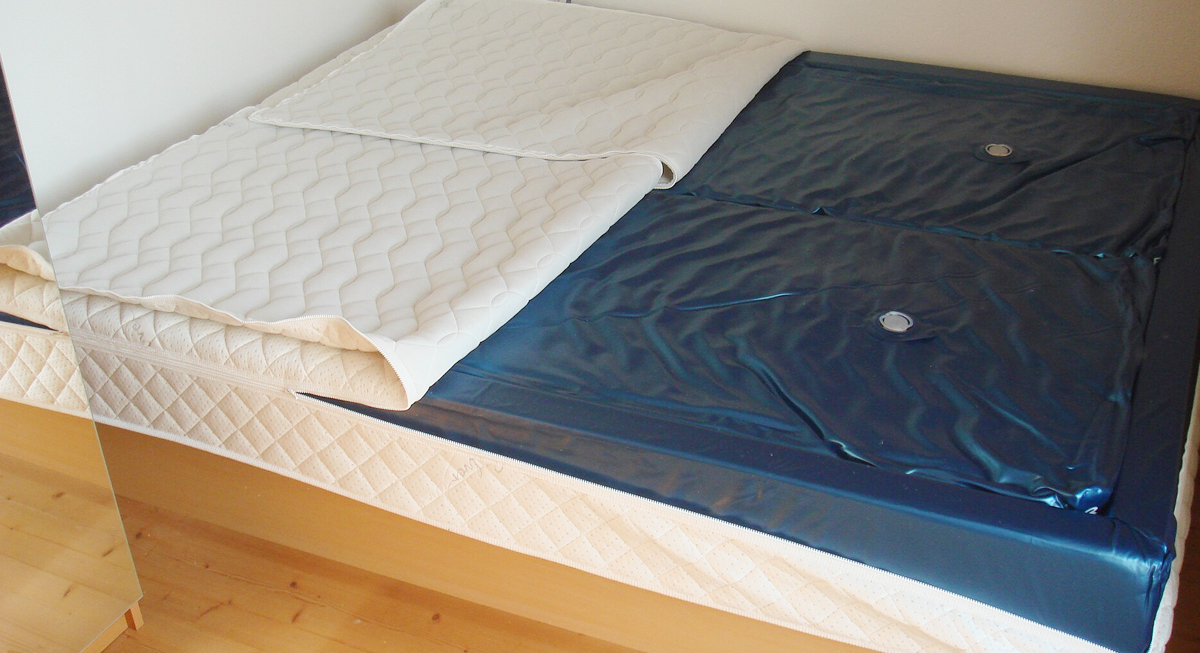
Image via Wikimedia Commons/Robert Paprstein
The timing worked in Hall’s favor. In the 1970s, waterbeds lined up perfectly with counterculture trends. They were sold alongside music, lifestyle branding, and bold advertising that leaned heavily into intimate appeal. Ads made it clear that owning one said something about who you were.
By the 1980s, the image had changed. Waterbeds moved into the mainstream and showed up in a wide range of styles, including traditional frames that fit suburban homes. At their peak in 1987, about 22 percent of all mattresses sold in the United States were waterbeds.
People liked what they offered. The floating surface reduced pressure points, which appealed to those dealing with back pain. The lack of fabric layers helped allergy sufferers, and kids loved the movement. For a while, it felt like a new standard for sleep.
The Reality Of Living With One
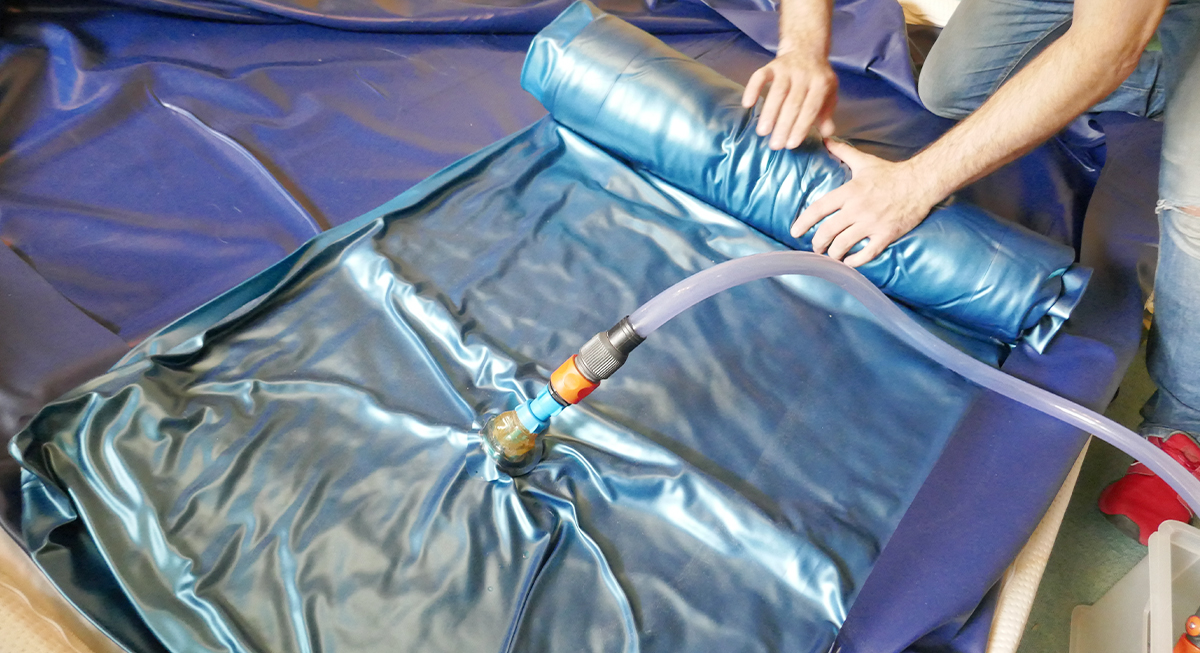
Image via iStockphoto/anela
The same features that made waterbeds exciting also made them difficult to live with. Setting one up meant running a hose into a bedroom and filling the mattress with hundreds of gallons of water. Once filled, a waterbed could weigh up to 1,600 pounds, limiting where it could go and how easily it could be moved.
Maintenance was another thing. Owners had to treat the water with chemicals to prevent algae buildup. Draining the mattress required pumps or siphoning, and any mistake during filling or draining could leave the room soaked.
Movement became another issue. Early models produced a strong wave effect that some users found uncomfortable, even causing seasickness. Manufacturers introduced baffles and internal supports to reduce motion, but the fix never fully removed the problem.
Leaks turned small issues into big ones. A puncture could damage floors, furniture, and even structural elements if the weight shifted or water spread. Stories of flooded bedrooms and damaged balconies circulated enough to stick in people’s minds.
Better Options Arrived At The Worst Time
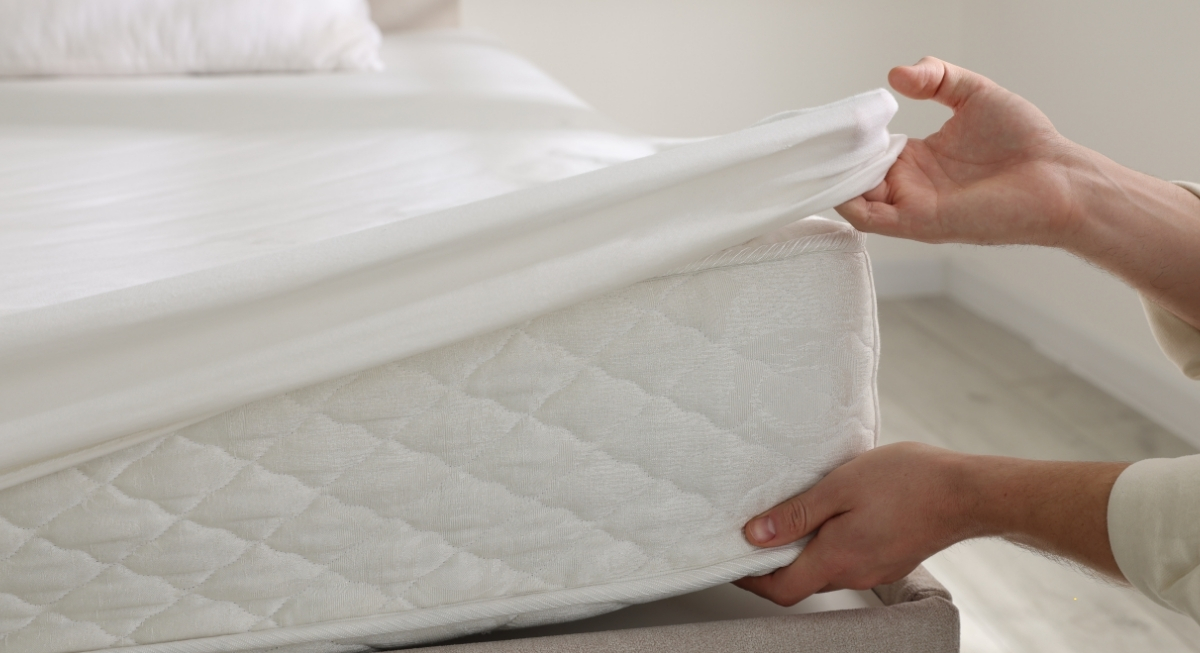
Image via Canva/Africa images
By the late 1980s, waterbeds were still selling, but the market had started to change. New mattress technologies entered the space to offer comfort without the hassle. Brands like Tempur-Pedic and Select Comfort introduced foam and air-based designs that delivered pressure relief and adjustability without requiring hoses, chemicals, or heavy frames.
Consumers began comparing experiences. One option involved setup, maintenance, and risk, while the other worked like a standard mattress with added comfort features. The choice became easier over time. At the same time, the novelty wore off. As more households prioritized convenience, waterbeds lost their edge.
A Fast Fall After A Massive Peak
The decline happened quickly. Waterbeds went from dominating a significant share of the mattress market in the late 1980s to becoming a niche product in the 1990s. Many manufacturers shut down, and retailers shifted their focus to newer designs.
Waterbeds still exist, but they look different now. Modern versions use internal tubes, foam layers, and wave-reduction systems to mimic the feel of a traditional mattress.