How to Survive the Holiday Party Season Without Being Hungover Every Day
December fills up quickly. Work events, family gatherings, and last-minute invitations can blur together, and drinks often follow wherever people gather. With so many celebrations crowding the calendar, it becomes hard to keep your footing. The good news is that simple, evidence-based habits can help you enjoy the season without spending every morning recovering. Here are ten practical ways to stay steady amid the festivities.
Make A Plan

Credit: pexels
Planning drinking and non-drinking days in advance works because the brain tends to favor immediate rewards over long-term goals, so future intentions often fade once someone hands over a glass. Reviewing a calendar and making clear choices can reduce impulsive decision-making. Behavioral studies show that committing early reduces opportunistic drinking, especially when social pressure hits.
Track Everything

Credit: Getty Images
Public health research consistently shows that real-time logging is one of the most effective tools for reducing alcohol use. Apps, notes, or a phone calendar all work. Consistency is essential because it helps track mindfulness and highlights patterns that often go unnoticed in memory gaps.
Eat A Real Meal First
Credit: pexels
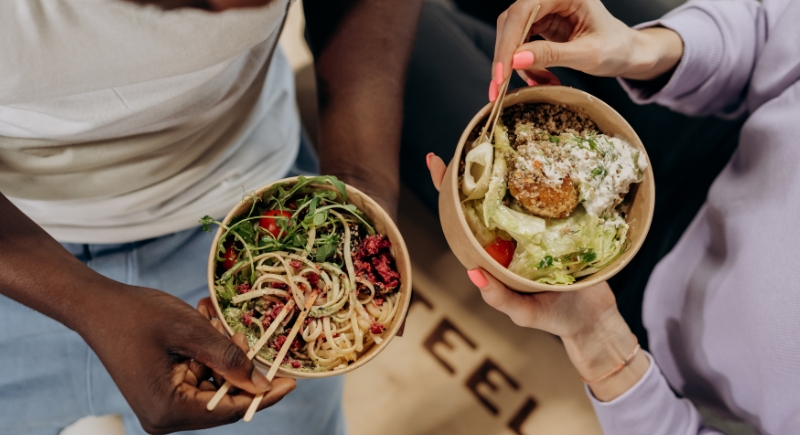
Nutrition experts explain that eating before drinking slows absorption and lowers peak alcohol levels. Protein, fat, and fiber help stabilize the rate at which alcohol is metabolized, and leafy greens support detoxification by enhancing the body’s ability to eliminate natural waste. Several pros, including health educator Erica Chidi, recommend giving the body 60 to 90 minutes to digest the food before drinking.
Zero Proof Options Help

Credit: pexels
For many people, alcohol-free beer, wine, and spirits make social drinking easier because the ritual stays intact without intoxication. Consumption studies suggest that having a non-alcoholic drink in hand reduces total intake because it fills the same social space that alcohol would. These alternatives aren’t right for everyone, especially people who find the taste triggering, but they’re useful tools for many.
Slow Down And Alternate
Credit: pexels
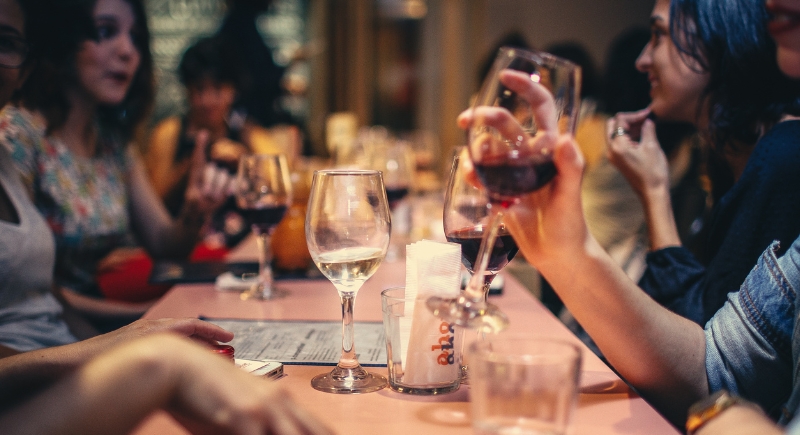
Alternating water with alcoholic drinks works because hydration limits hangover severity, and spacing out drinks actually changes how the body absorbs alcohol. Doctors note that drinking quickly increases next-day symptoms even when the total number of drinks stays the same. A non-alcoholic drink, such as water, between each round helps keep things steadier.
Stick To One Type Of Alcohol

Credit: pexels
Congener levels, which vary by alcohol type, influence how rough the next day feels. Darker options, like bourbon and brandy, contain higher congeners than vodka or gin. Mixing several categories increases the load, which explains why blending cocktails, shots, and champagne often ends badly. Keeping it simple reduces the variables that create harsh morning symptoms.
Hydrate as It Matters
Credit: Getty Images
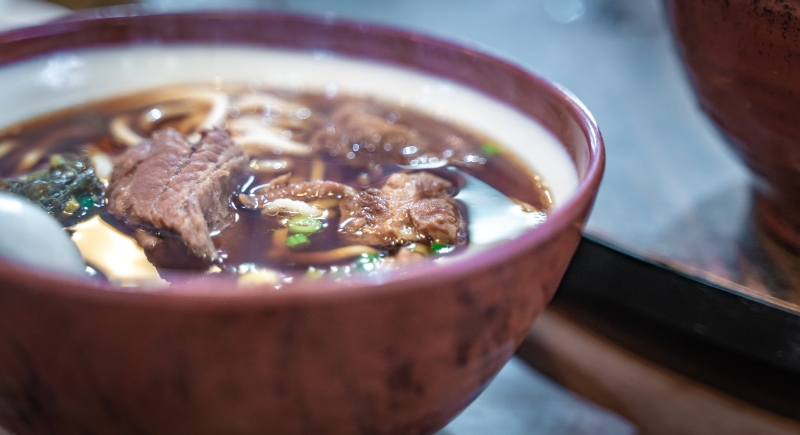
Doctors emphasize that most hangover symptoms stem from dehydration. Hot soup rehydrates effectively because warm liquids empty from the stomach faster. Oral rehydration solutions work even better because the sugar-to-salt ratio improves absorption. A simple mix of 1 liter of water, 0.5 teaspoon of salt, and one tablespoon of sugar does the job when electrolytes aren’t available.
Use Cold Exposure Wisely
Credit: Canva
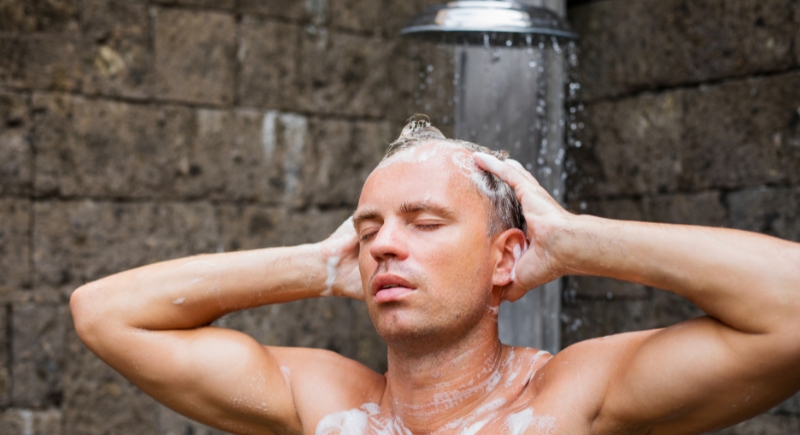
Health coaches point out that 60–90 seconds of cold water can help because vasoconstriction reduces inflammation. Even ending a shower with cold water can bring relief. DJs, athletes, and wellness professionals say cold ocean swims or cold showers deliver a temporary reset, and the science behind circulation changes supports that claim.
Set Up Accountability
Credit: Getty Images
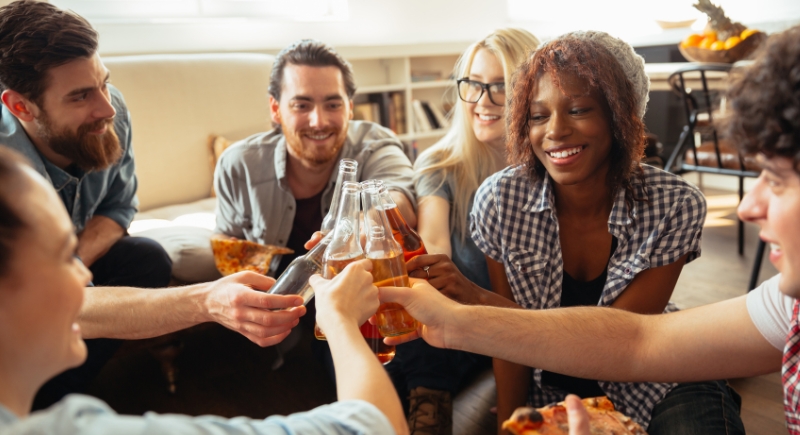
People who share their goals with a friend or partner tend to stick with them. Behavioral research shows that accountability increases follow-through, especially when social environments encourage drinking. Even casual check-ins influence choices because someone else knows the plan.
Prepare For The Morning After

Credit: pexels
Recovery goes smoother with sunlight exposure before 2 p.m., light movement to restart circulation, and hydration that includes electrolytes rather than plain water. An eye mask helps because alcohol disrupts REM sleep and increases nighttime wakeups, and limiting light improves whatever sleep quality remains. Experts also suggest coconut water for fast hydration, ginger for nausea, and avoiding caffeine early because it strains an already stressed system.