The Strangest Days in History That Actually Happened
Most historical records follow expected patterns of political events, economic change, and social shifts. However, documented archives also contain brief, unusual disruptions that do not fit those patterns. These incidents were reported by witnesses, recorded in official logs, or captured in real time, but they lacked immediate explanations. Even with later analysis, some of these moments remain difficult to fully account for, which is why they continue to stand out.
New England, United States — May 19, 1780
Credit: Historic Ipswich
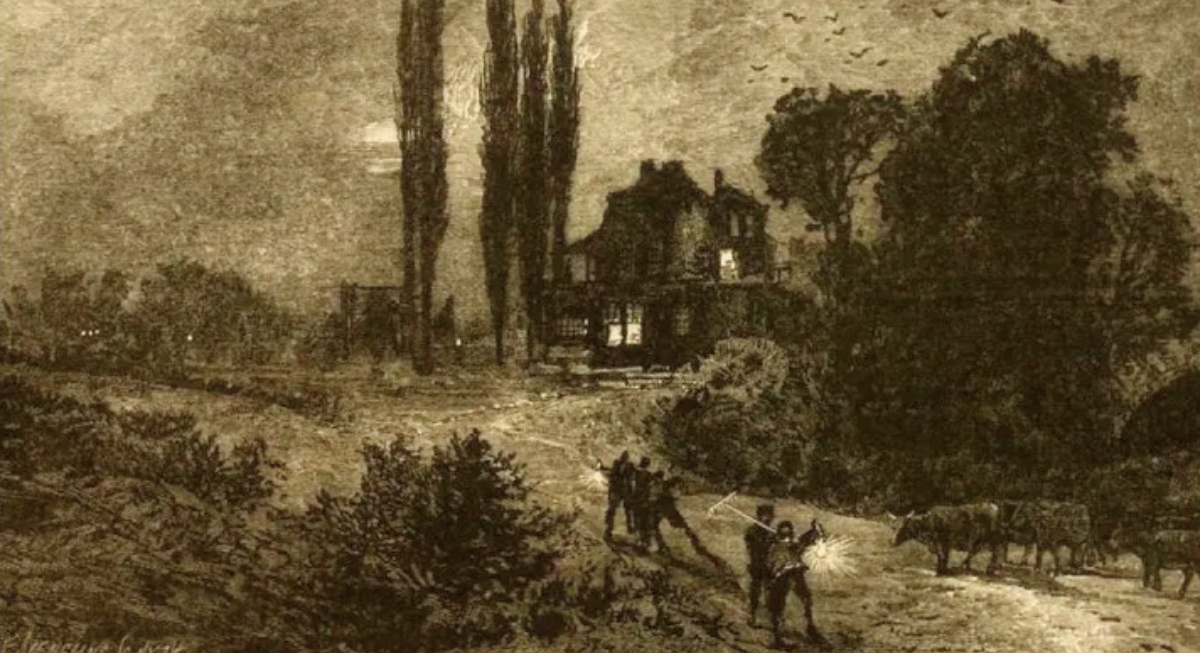
The day started normally, then the sky turned a strange yellow that kept getting darker. By midday, daylight had nearly disappeared, forcing people to light candles just to move around. Panic spread fast, with many convinced the end had arrived. Lawmakers even debated stopping work, but some pushed on, calmly continuing their duties while the world outside looked completely wrong.
London, England — April 18, 1930
Credit: Getty Images
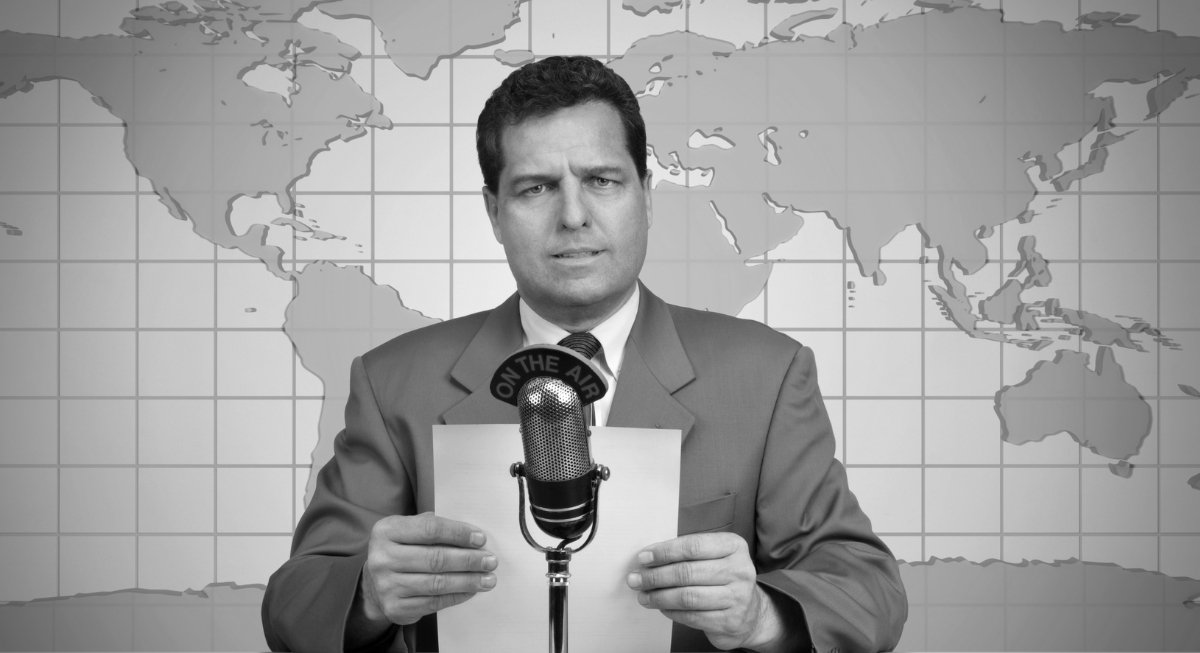
Here is something you do not expect from the news: absolutely nothing. When the BBC aired its evening bulletin, the announcer simply said there was no news to report. Events were happening elsewhere, including a typhoon, but slow communication left the broadcast empty for everyone listening at home.
Detroit, United States — October 19, 1762

Credit: pexels
The sky over Detroit turned unsettling. A yellow-green haze covered everything, the sun looked red and oversized, and candles were needed in the middle of the day. Then came black rain that stained surfaces like ink. Visibility dropped to about 10 yards, and despite eyewitness accounts, no clear explanation has ever been fully nailed down for what caused it.
Baghdad, Iraq, May 20, 1857
Credit: pixabay
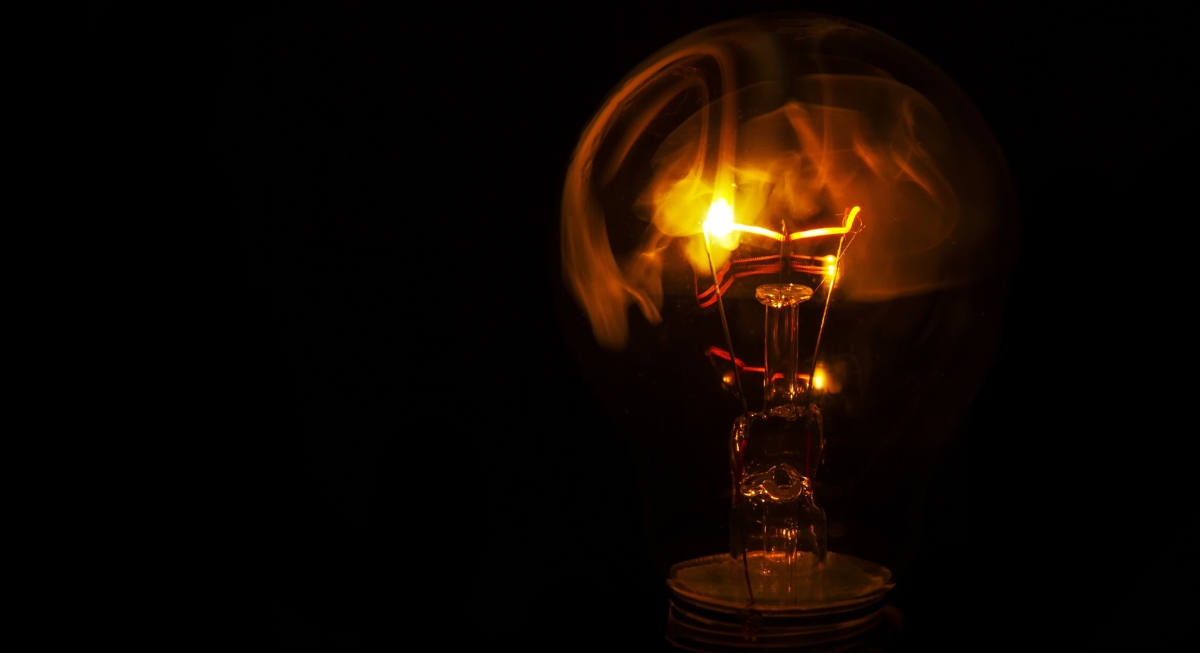
British diplomat Charles A. Murray recorded a sudden blackout over Baghdad on May 20, 1857. The darkness grew so intense that it resembled midnight without stars or moon. The pitch-black sky lasted briefly before turning into a red, glowing haze. Shortly afterward, red sand fell from above. Murray rejected dust storm explanations, so the event remains unexplained.
United States and United Kingdom — March 12, 1951
Credit: Smithsonian Magazine
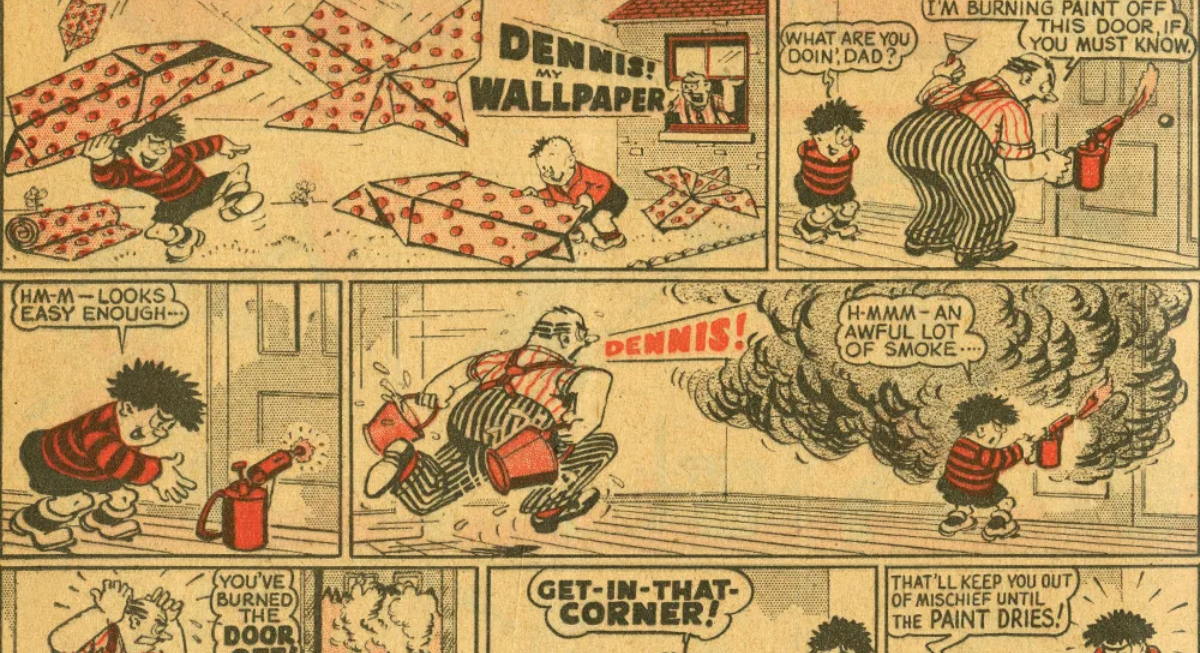
The United States saw Dennis the Menace debut as a mischievous but sweet kid in newspapers. In the United Kingdom, another Dennis appeared in The Beano, a British weekly children’s comic magazine. They shared a name and timing, but developed separately into two completely different personalities.
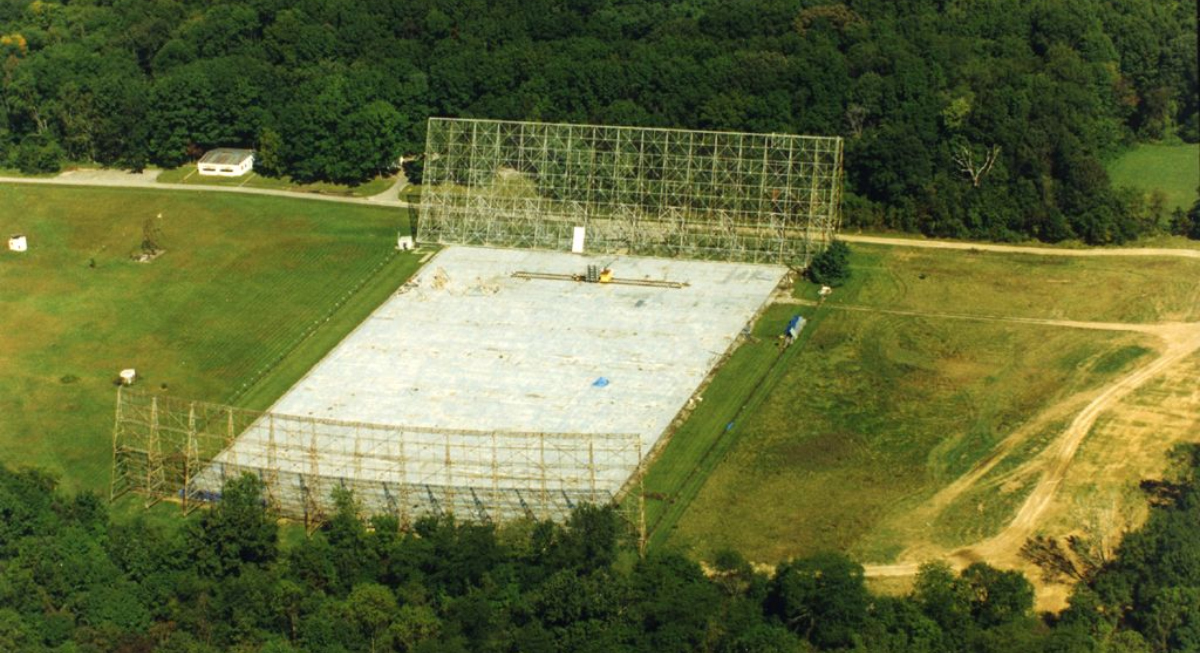
Ohio, United States — August 15, 1977
Credit: Smithsonian Magazine
The Big Ear radio telescope in Ohio detected a strong signal at a frequency linked to possible extraterrestrial communication. Astronomer Jerry Ehman circled it and wrote “Wow!” beside the data. The signal never repeated, and decades later, it remains one of the most puzzling moments in radio astronomy.
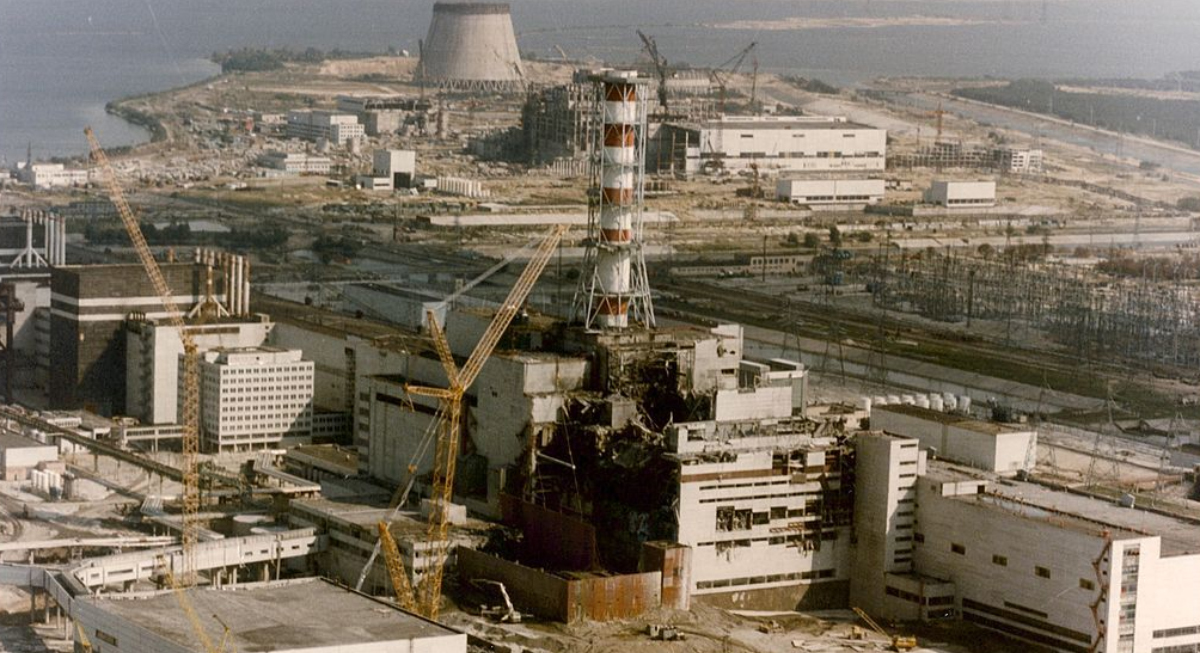
Pripyat, Ukraine — April 26, 1986
Credit: Smithsonian Magazine
Daily life in Pripyat continued as usual, with about 50,000 residents going about their routines near the Chernobyl plant, 2 miles away. Preparations for the upcoming May Day celebrations were underway. But within hours, the nuclear disaster forced a sudden evacuation that permanently emptied the city.
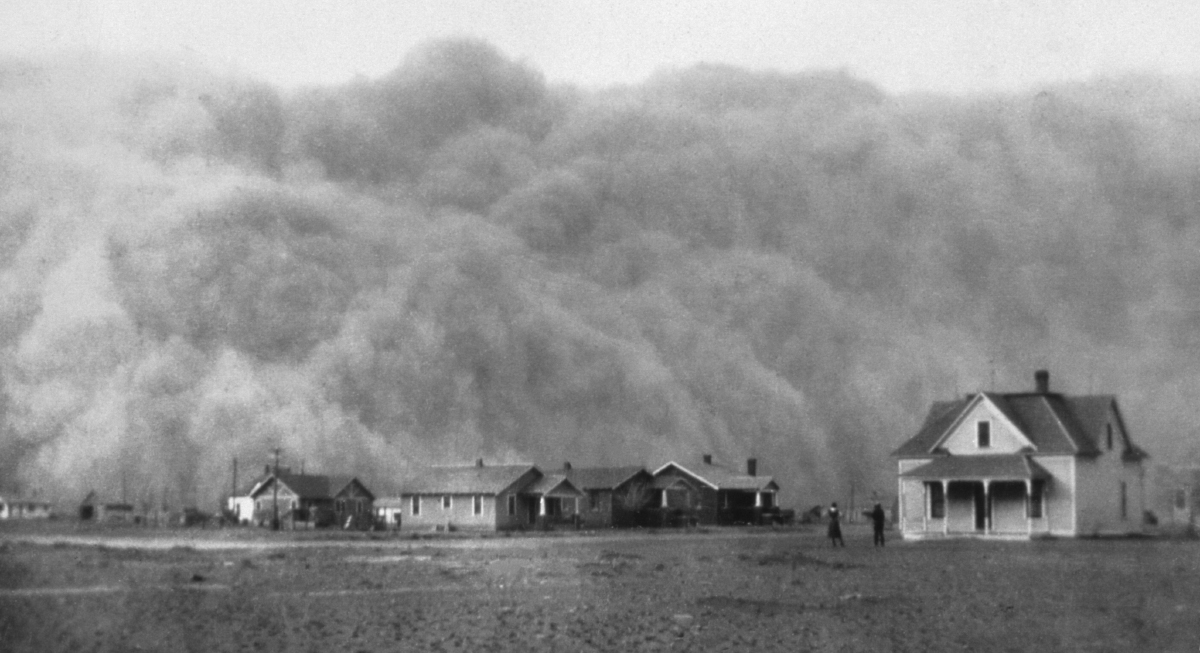
Great Plains, United States — April 14, 1935
Credit: Wikimedia Commons
The Dust Bowl hit its most intense moment when a massive wall of dust rolled across the plains like a moving blackout. Winds carried around 300,000 tons of soil, rising over 10,000 feet and racing at nearly 100 miles per hour. Day turned into darkness so thick that people struggled to see indoors, pushing the country toward serious changes in farming practices.