10 Common Foods That Are Surprisingly High in Sodium
Salt hides in surprising places. Sometimes, the ingredients, manufacturing process, or even the way a food is stored can push the sodium count higher than anyone expects. These 10 foods reveal how easily extra salt slips into the daily routine without tasting especially salty.
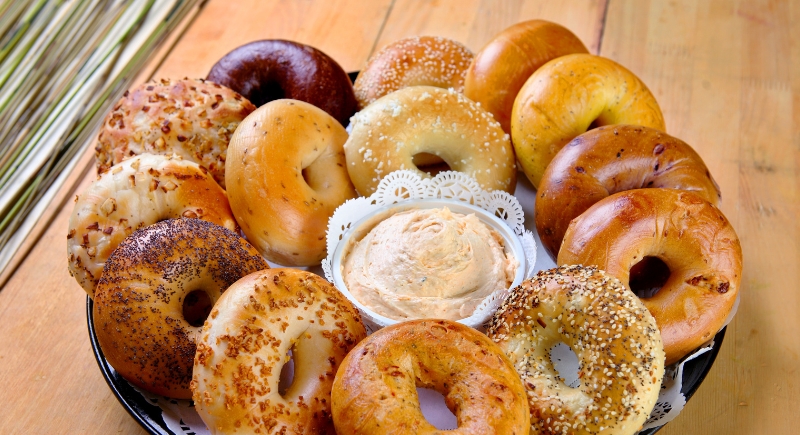
Bagels (About 400 mg)
Credit: Getty Images
A bagel’s mild flavor masks the fact that it goes through a simmering step before baking, and that process sets its structure and crust. The dough itself is pretty plain, but the combination of boiling and baking encourages bakers to use more salt than most breads need.
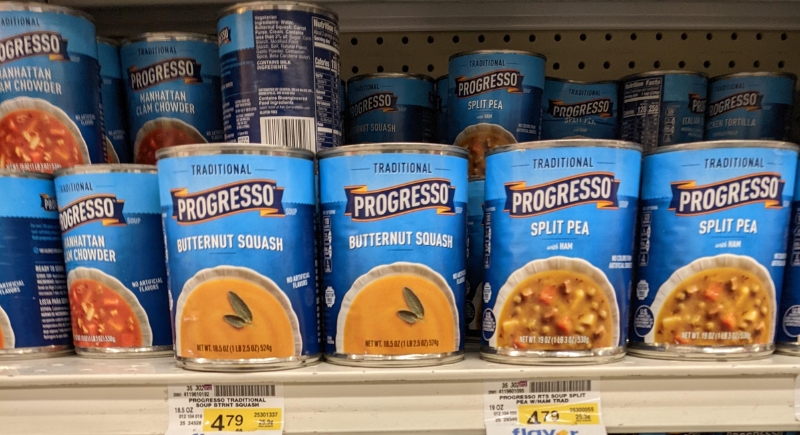
Canned Soup (Around 700 mg per Cup)
Credit: Reddit
Soup meant to sit on shelves for months must keep its flavor intact as ingredients mingle in storage. Salt helps anchor that process by acting as a stabilizer so vegetables and broth taste consistent from the day they’re sealed to the day they’re opened.
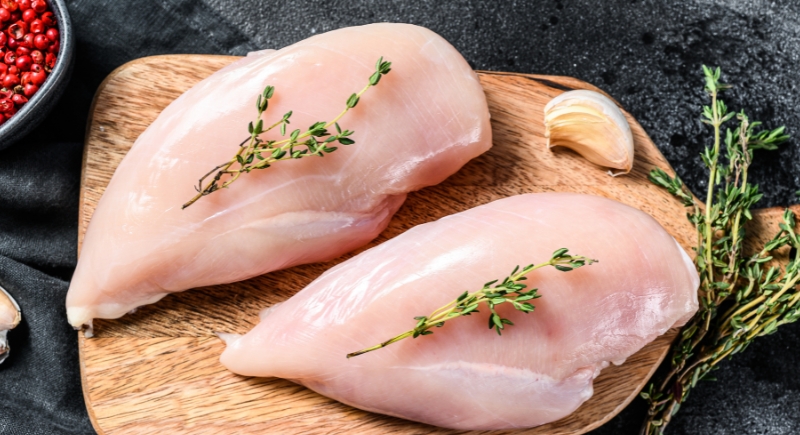
Chicken Breast (Often 800 mg When Enhanced)
Credit: Canva
Packaged poultry sometimes carries more weight than the chicken alone. A saline solution may be added during processing to keep the meat plump, and that liquid spreads through the muscle fibers long before anyone seasons the pan. The chicken appears ordinary, yet the extra moisture subtly increases the sodium count behind the scenes.
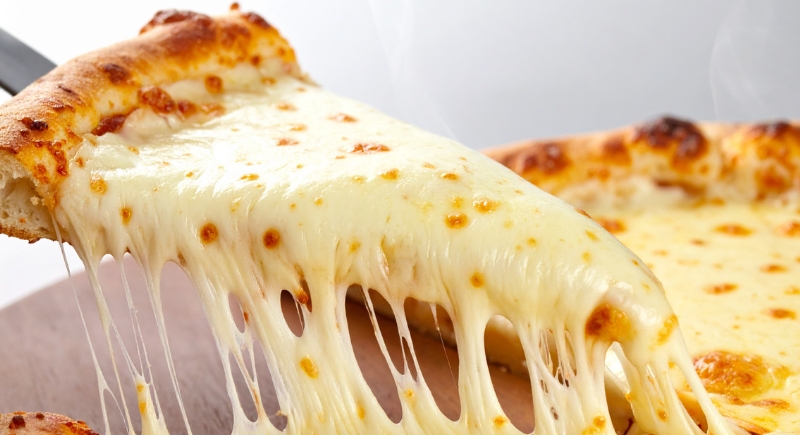
Pizza (Frequently 700–800 mg per Slice)
Credit: Canva
Pizza stacks layers of ingredients that each bring their own salt. Cheese has its own unique curing history, tomato sauce relies on sodium for balance, and dough gains structure from the addition of salt early on. Even without heavy toppings, the overlapping components create a cumulative effect that explains why a single slice often ranks surprisingly high.
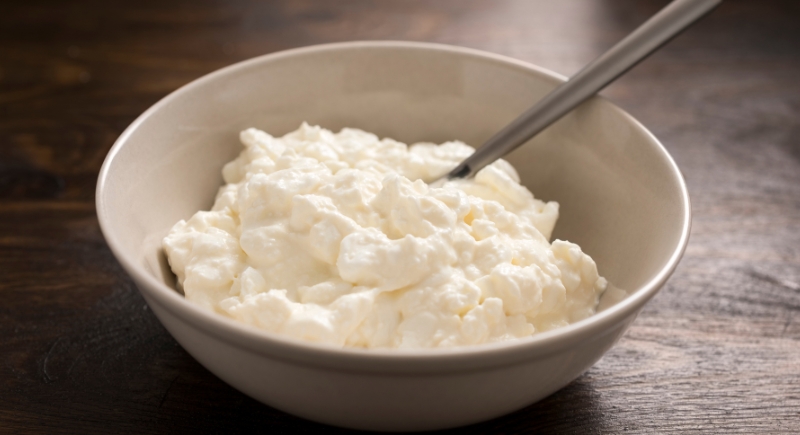
Cottage Cheese (Roughly 350 mg per ½ Cup)
Credit: True Creatives
There’s a complex production method behind cottage cheese. Curds require firmness and lift, and salt helps them maintain their shape while preserving a consistent overall flavor. The mild taste disguises how much the process depends on sodium to keep those soft textures from collapsing before the container ever reaches a fridge shelf.
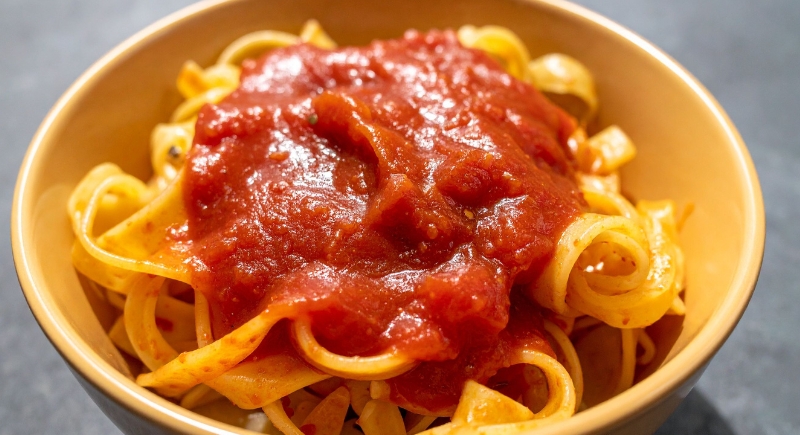
Pasta Sauce (About 480 mg per ½ Cup)
Credit: True Creatives
This cozy pantry staple involves a series of balancing acts that rely heavily on sodium. Tomatoes change during cooking, and reducing them concentrates both their flavor and their acidity. Commercial sauce producers rely on salt to round out that intensity and maintain a stable profile even after long shipping periods.
Pretzels (Close to 300 mg per Handful)

Credit: Canva
These curly snacks inherit their identity from an alkaline bath that gives them their signature surface and crunch. The step demands salt for proper browning and flavor, and the crystals sprinkled on top are only part of the story. Much of the sodium is locked into the dough itself, far from the crust’s obvious shine.
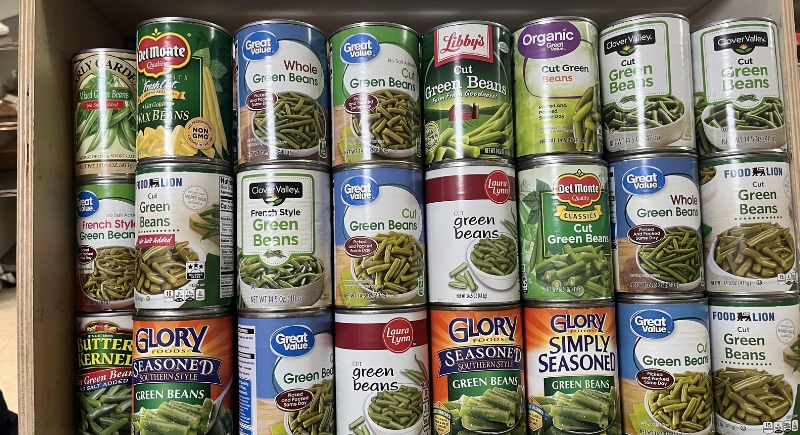
Canned Vegetables (300–350 mg per ½ Cup)
Credit: Reddit
Vegetables going into a can encounter heat, pressure, and storage demands that reshape their texture. Salt helps them retain firmness and color as they sit in liquid for weeks or months. The brine works, and because many vegetables themselves have a mild taste, the sodium increase rarely stands out until the nutrition label reveals the truth.
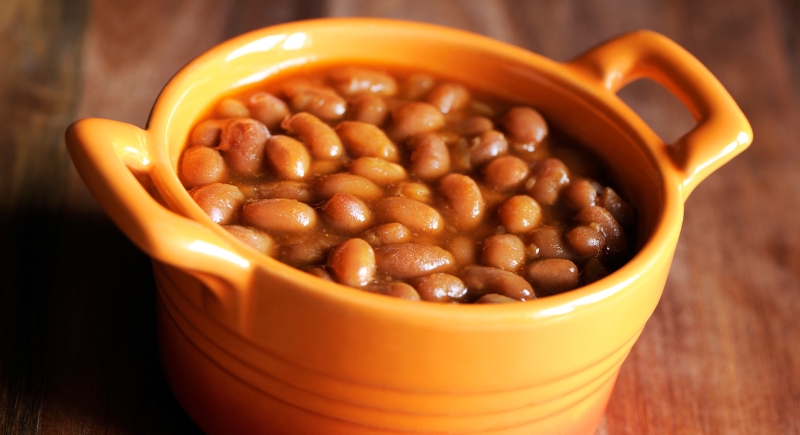
Baked Beans (Often 500 mg per ½ Cup)
Credit: Getty Images
The signature sweetness of baked beans comes from a thick sauce that relies on multiple components to hold flavor. Molasses and tomato base need salt to keep their balance, and the beans absorb more sodium than expected as they stew. The final mixture feels comforting, but it carries numbers that surprise even seasoned label readers.
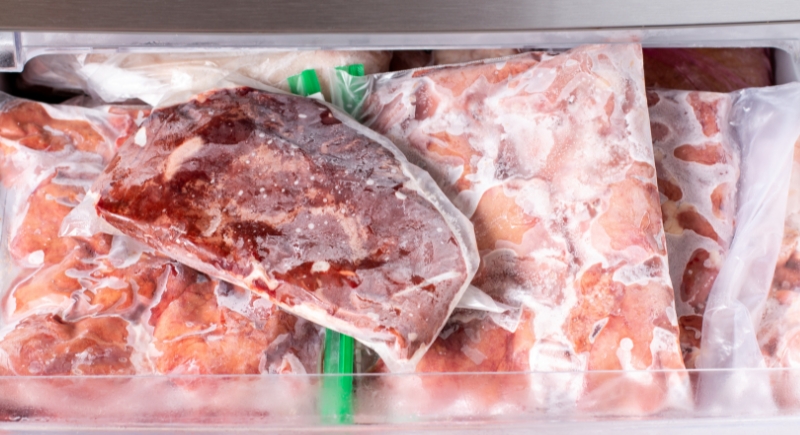
Frozen Meals (Commonly 600 mg or More)
Credit: Getty Images
Meals designed for freezer life must withstand temperature swings, extended storage, and reheating. Salt helps preserve flavor against all three pressures while supporting uniform taste in every bite. The small trays look straightforward, but the engineering behind them uses sodium as a dependable anchor.