10 Ways “Helicopter Parenting” Sets Children Up for Failure
Helicopter parenting usually starts with good intentions. Staying involved feels like the safest path because it gives parents a sense of control and reassurance. However, constant oversight tends to erode a child’s security rather than enhance it, as is evident when they have to step into situations that require independence and confidence. This list highlights several ways helicopter parenting can set kids up for failure.
Poor Decision-Making Confidence

Credit: Getty Images
Children who rarely have the opportunity to make choices for themselves struggle to trust their own judgment later in life. They often become overly reliant on adults or peers to dictate their actions. Without low-stakes practice in childhood, they enter adolescence fearful of being wrong and uncertain about how to weigh options independently.
Higher Rates of Anxiety and Depression

Credit: Canva
Even when parents mean well, hovering sends a message that the child can’t handle things alone. The constant signal ramps up anxiety over time. Several long-term studies, including a study published in the Journal of Child and Family Studies, have found that kids with highly controlling parents show more depressive symptoms during middle school and college. The pressure to perform perfectly because a parent is always watching doesn’t help, either.
Low Resilience When Facing Setbacks

Credit: Canva
College counseling centers have reported a rise in students who feel overwhelmed by everyday academic and social stress. Many counselors attribute helicopter parenting as a contributing factor. Resilience develops only through experiencing frustration and disappointment, which lead to recovery. When children are shielded from every bump in the road, they later fall apart in the face of challenges that others see as manageable.
Weak Problem-Solving Skills

Credit: Canva
Problem-solving is like a muscle; it strengthens through trial and error, with the occasional messy outcome. When parents jump in the second that something goes wrong, kids lose the chance to troubleshoot. The University at Buffalo found links between helicopter parenting and lower executive functioning, which includes flexible thinking and decision-making. Without those cognitive reps, children freeze when something unexpected happens.
Underdeveloped Self-Advocacy Skills

Credit: pexels
Speaking up respectfully, asking for help, negotiating boundaries, and clarifying expectations are all essential skills for adults. Kids don’t magically acquire them at 18. If parents handle every conversation with teachers, coaches, or other adults, children grow up unsure of how to express their needs. This can lead to withdrawal or dependence on others to communicate for them.
A Growing Sense of Entitlement

Credit: Getty Images
When every desire is met quickly and every obstacle is removed, kids start to expect special treatment everywhere. This doesn’t sit well with peers, family, teachers, or future employers. Entitlement often leads to frustration when the world doesn’t bend to one’s preferences, and that frustration can manifest as anger, arrogance, disrespect, or emotional meltdowns.
Fear of Taking Healthy Risks
Credit: Canva
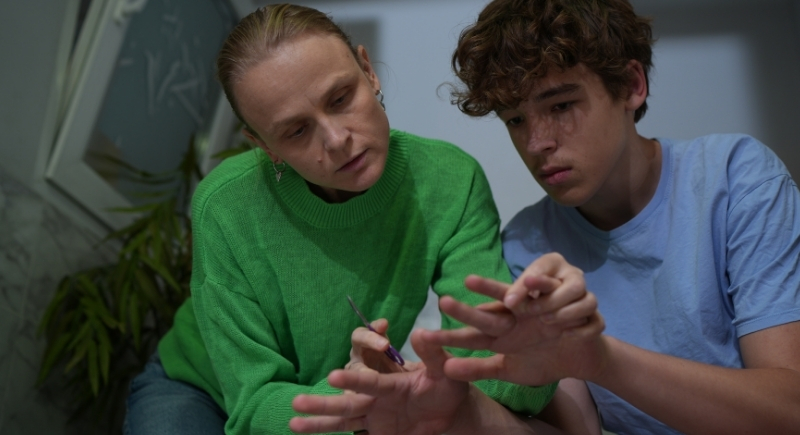
Studies published in Developmental Psychology show that kids allowed to explore moderately risky play demonstrate stronger problem-solving and lower anxiety. Parents who overprotect create children with heightened fear responses and avoid challenges. This pattern can persist into adulthood by limiting adaptability and reducing a willingness to try new experiences that support learning and long-term resilience.
Reduced Motivation and Independence

Credit: Getty Images
When parents consistently step in, kids quickly learn that effort isn’t required. Excessive external control reduces curiosity and hinders long-term goal-setting. Children begin relying on supervision rather than self-direction, which can impact their school performance and later workplace habits. Without opportunities to own tasks, they struggle to initiate projects, manage their time, persist, and feel confident in their personal capabilities.
Limited Ability to Handle Natural Consequences

Credit: Getty Images
Teens who experience age-appropriate consequences develop stronger decision-making and self-regulation because they learn how their choices directly shape outcomes. When parents prevent those everyday lessons—like managing deadlines, remembering supplies, or handling personal spending—kids miss essential feedback loops. Without these experiences, they struggle to build accountability and individual responsibility.
Difficulty Transitioning Into Adulthood

Credit: Getty Images
By the time they reach college or early adulthood, kids raised with excessive oversight often feel unsteady as they navigate daily life. Research on first-year college adjustment reveals higher levels of homesickness, weaker emotional coping mechanisms, and difficulties managing routines, including scheduling, budgeting, and balancing responsibilities.