Have Experts Finally Revealed What the Absolute Best Year for Cars Was?
For decades, car enthusiasts have argued over a question that’s both simple and tough to answer: What was the greatest year for cars? The debate has filled magazines, forums, garages, and comment sections because every answer comes with a different definition of greatness. Some point to horsepower, while others care about styling, reliability, or the feeling behind the wheel. A surprising pattern emerges when experts and enthusiasts compare notes. The same handful of years keep showing up again and again.
The Problem With Picking Just One Year
Image via Pexels/Vitali Adutskevich
The challenge starts with the fact that cars serve different audiences. A muscle car fan isn’t looking for the same things as someone obsessed with Japanese sports cars or European exotics.
That’s why discussions about the greatest automotive year rarely have a single winner. One enthusiast might argue for 1974 because cars still relied heavily on mechanical systems and offered a direct connection between driver and machine. Another might favor the early 2000s, when performance, reliability, and technology reached a sweet spot. Still, certain years attract far more support than others.
1969 Can’t Leave The Conversation
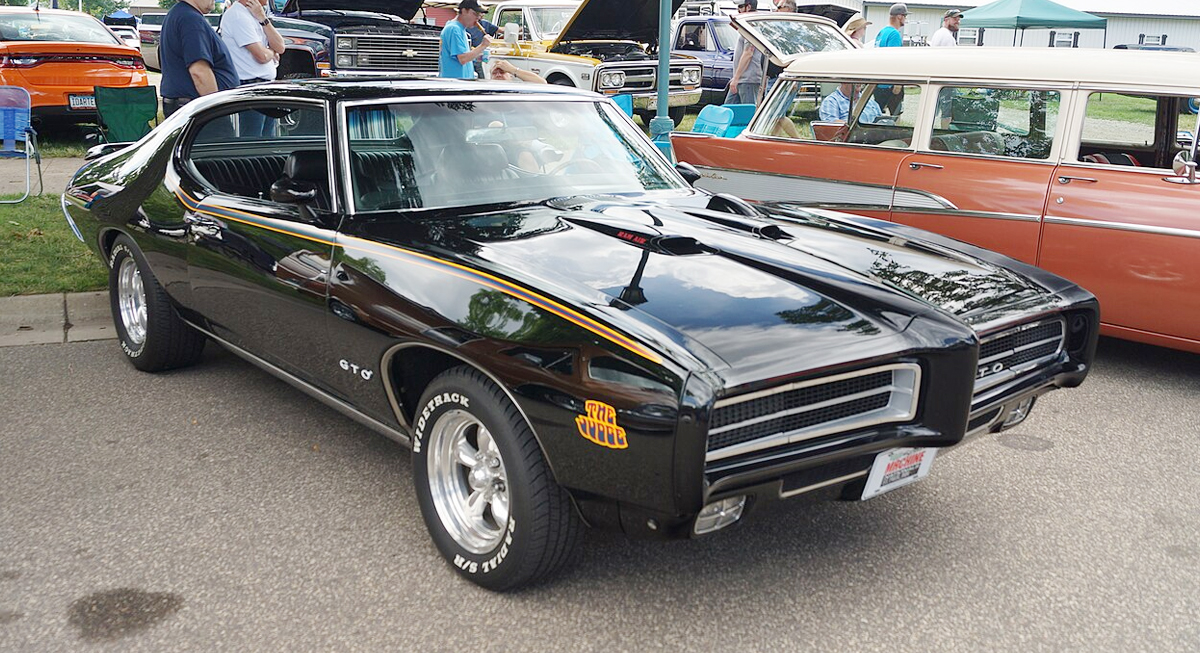
Image via Wikimedia Commons/Greg Gjerdingen
If one year has built the strongest historical case, it’s 1969. American manufacturers were firing on all cylinders. Buyers could walk into dealerships and choose cars like the Pontiac GTO Judge, Ford Mustang Boss 429, Chevrolet Camaro, Shelby GT500, Oldsmobile 442, and Dodge Charger. The muscle car era was reaching its peak before fuel crises, emissions rules, and changing consumer tastes reshaped the market.
At the same time, Europe was producing machines that would become legends. The Lamborghini Miura was redefining what a supercar could be, while Ferrari continued its rivalry with models like the 365 GTB/4 Daytona. Alfa Romeo’s 33 Stradale and the De Tomaso Mangusta added more excitement to an already stacked field.
In Japan, Toyota’s 2000GT was proving that Japanese manufacturers could compete with established performance brands. Honda was laying the groundwork for its future American success, and the Datsun 240Z was preparing to show that sports cars could be quick, reliable, and relatively affordable.
The Strong Case For 1993
While 1969 often gets the historical vote, many enthusiasts consider 1993 the year when multiple worlds collided. Japanese manufacturers were in the middle of a remarkable run. The Acura NSX, Mazda RX-7 FD, Toyota Supra, Toyota MR2, and several other future icons were either arriving or hitting their stride.
European brands were also thriving. BMW’s lineup was packed with future classics, while Porsche’s 964-generation 911 was approaching the end of its run.
Drivers could still enjoy relatively simple cars, but modern engineering, safety, and refinement were beginning to reshape the industry. It felt like the best parts of the 1980s and the future existed side by side.
The Unexpected Favorite: 2004
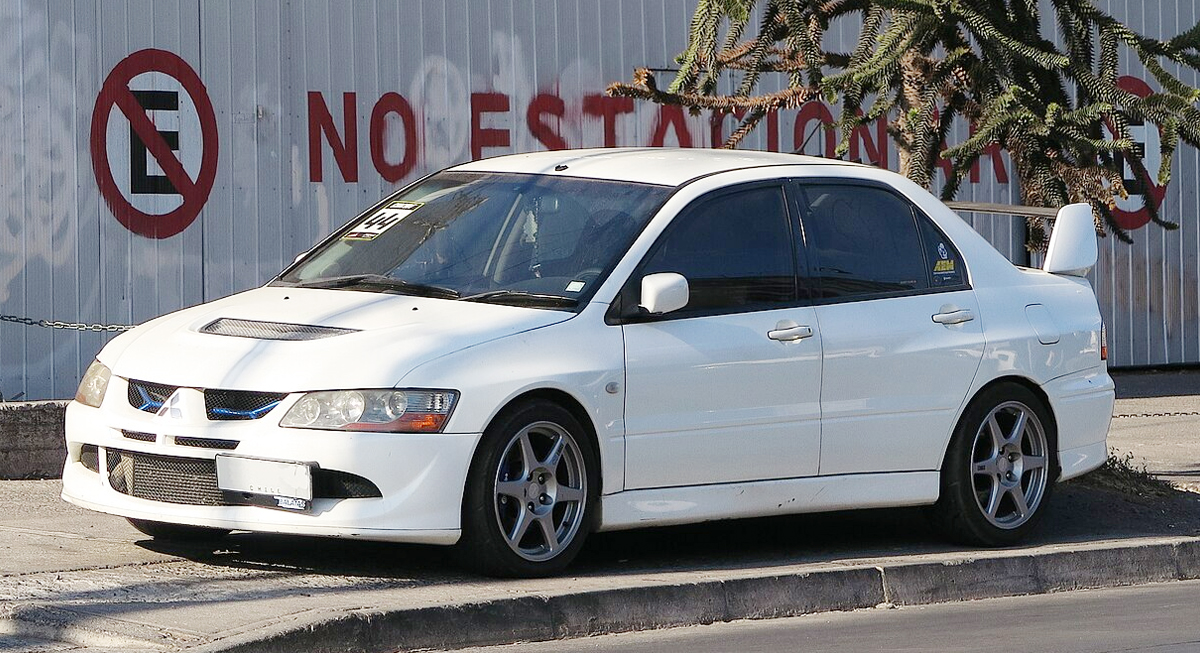
Image via Wikimedia Commons/RL GNZLZ
By 2004, performance cars had become more accessible than ever. The Mitsubishi Lancer Evolution VIII and Subaru WRX STI brought rally-inspired performance to everyday drivers. The Honda S2000, Nissan 350Z, Infiniti G35 Coupe, BMW E46 M3, and Cadillac CTS-V created options across multiple price points.
Meanwhile, the exotic market was thriving. The Ferrari Enzo, Porsche Carrera GT, and Ford GT were generating headlines while regular buyers still had plenty of exciting choices. The variety is what makes 2004 such a compelling contender. Great cars weren’t limited to collectors or the wealthy. Enthusiasts could find something fun almost everywhere they looked.