10 Ways Halloween Was Totally Different for Kids in the ’80s
Halloween in the 1980s carried a simplicity that shaped the entire experience for kids. There was less planning, fewer rules, and a stronger sense of independence once the sun went down. Traditions were consistent year after year, built around familiar routines. Looking back, the differences stand out clearly, especially when compared to how structured and curated Halloween has become for kids today.
Trick-Or-Treating Had No Official Schedule
Credit: pexels
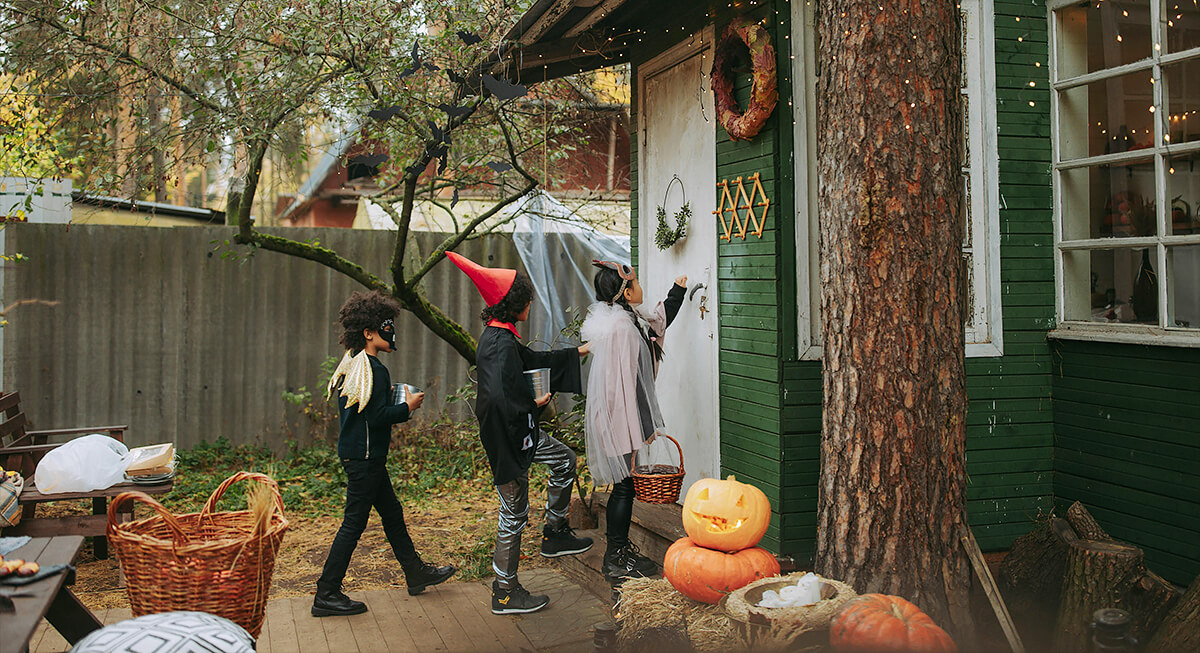
Evening plans rarely included a strict start or end time. Kids headed out once daylight faded and stayed out until their candy containers felt heavy enough to drag down an arm. Parents expected a reasonable return, though the definition of “reasonable” was subjective.
Costumes Were Loud, Stiff, And Slightly Uncomfortable
Credit: pexels
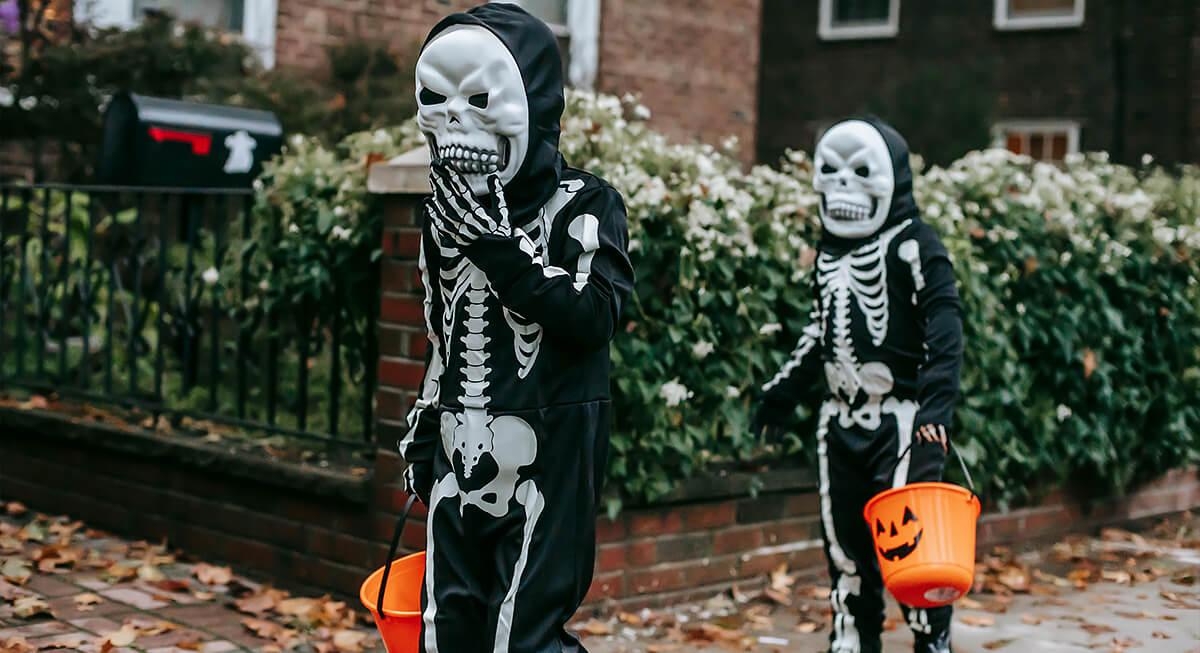
Store-bought outfits often came in thin boxes with plastic masks that pressed tightly against the face. Breathing through tiny nose holes required effort, and the elastic band rarely lasted the entire night. Fabric costumes made a crinkling sound with every step.
Pillowcases Outperformed Every Candy Bag
Credit: Zoey’s Attic Personalized Gifts
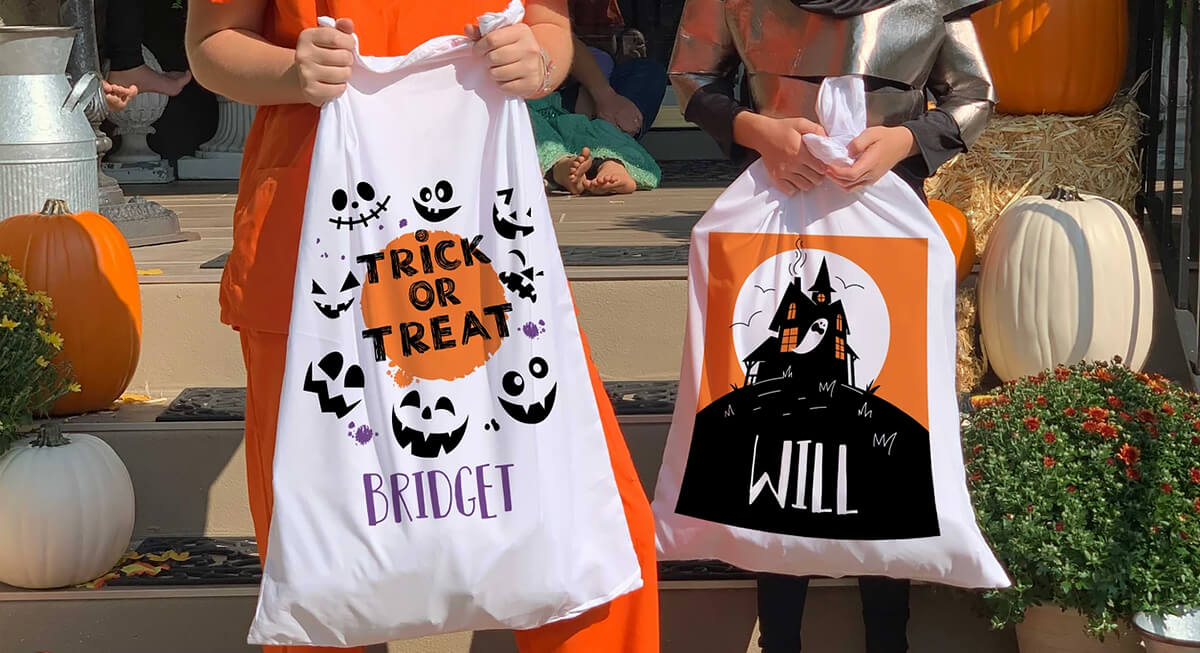
Younger kids carried bright plastic pumpkins with short handles that limited how much they could hold. Older kids upgraded to pillowcases, which offered far more space and durability. The shift felt like a milestone. A full pillowcase was a sign of a successful night and often became the goal for anyone serious about collecting candy.
Candy Sorting Turned Into A Full Ritual
Credit: Reddit
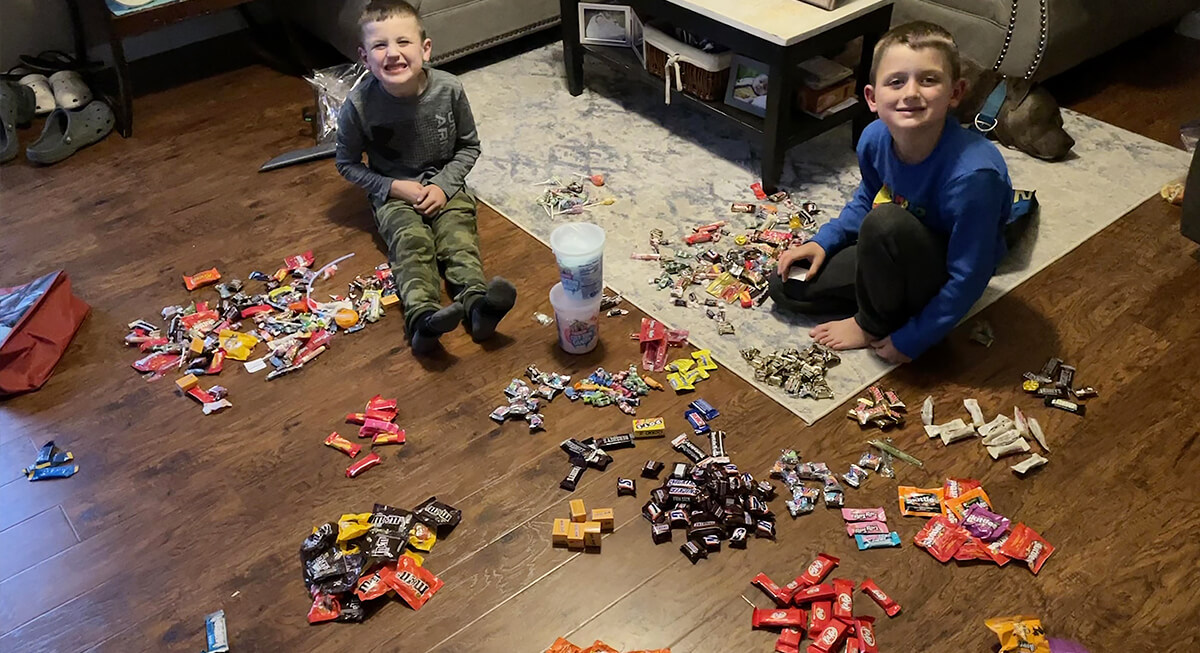
The night didn’t end at the front door. Children would dump candy onto the floor in one large pile for inspection. Then, there was sorting, grouping favorites, trading pieces, and discarding anything suspicious. The selection was much smaller compared to today.
School Parties Stayed Simple And Short
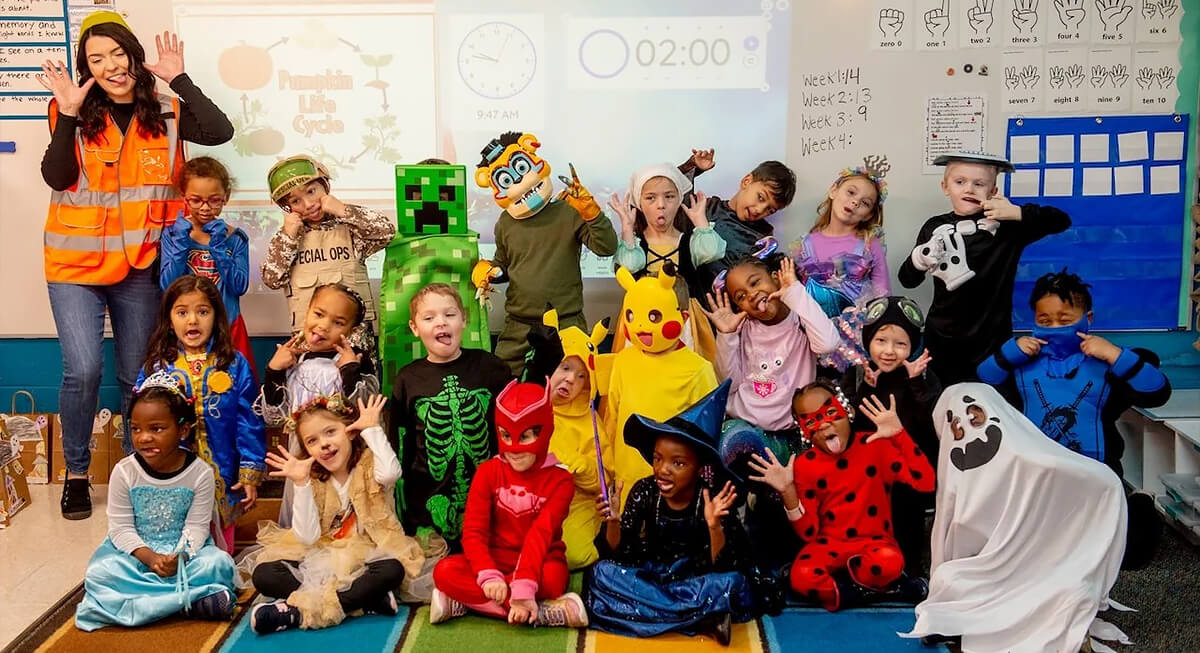
Credit: Reddit
Classroom celebrations rarely lasted more than half an hour. A few homemade treats appeared, often contributed by parents, along with a quick parade around the room. Teachers played seasonal songs, and kids showed off costumes. There were no elaborate stations or coordinated activities.
Halloween Decorations Stayed The Same Every Year
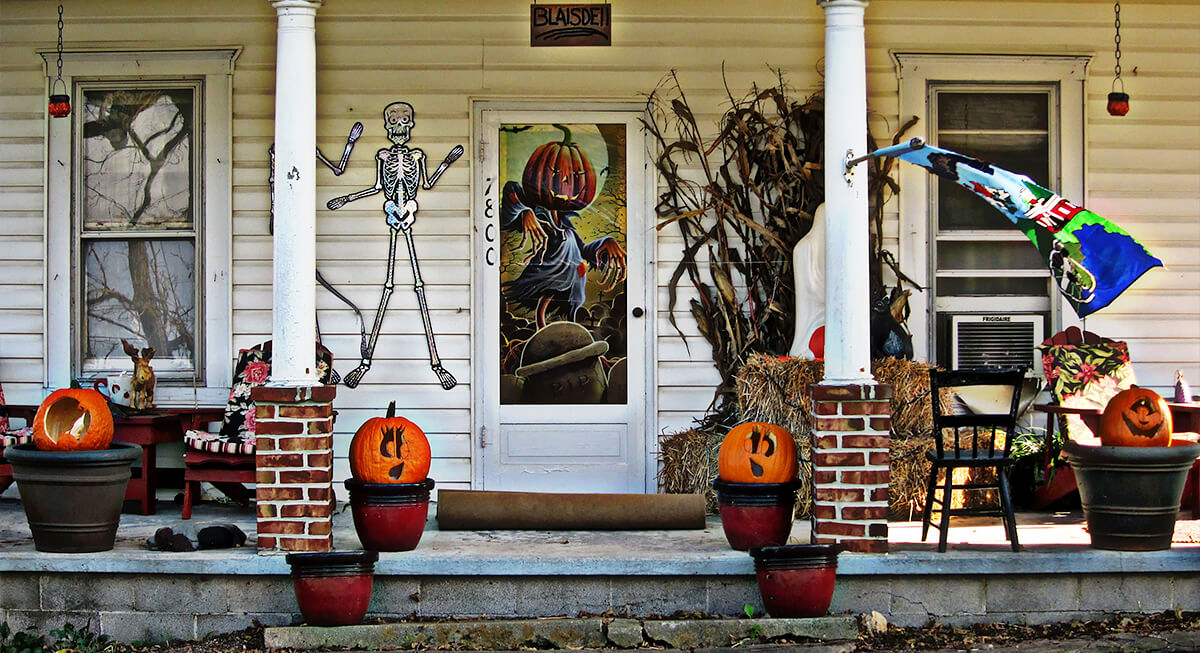
Credit: Wikimedia Commons
Decor didn’t change much once it was established. Paper cutouts taped to windows returned each October, sometimes showing signs of wear but still recognizable. A carved pumpkin or two was placed near the door, and that usually covered it.
Safety Meant A Glow Sticker And A Reminder
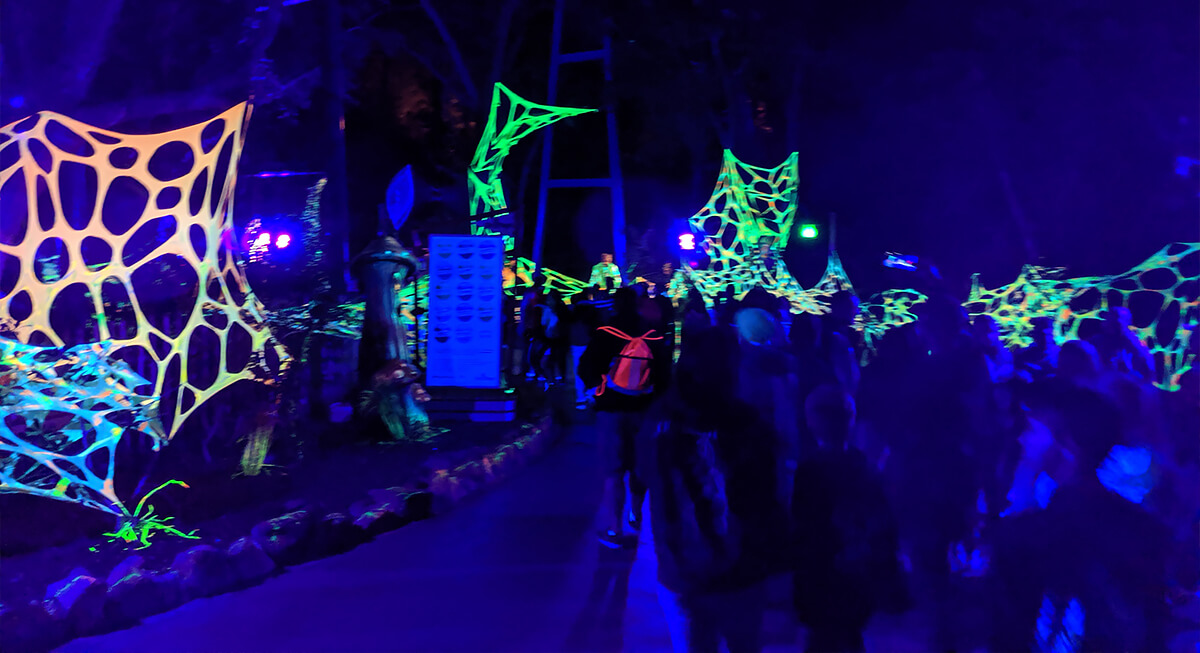
Credit: Wikimedia Commons
Precautions existed, though they looked different. A glow-in-the-dark sticker or reflective strip often served as the main visibility aid for passing cars. Parents reminded kids to stay together and avoid unfamiliar situations, then trusted them to follow through.
Community Events Had A Rougher Edge
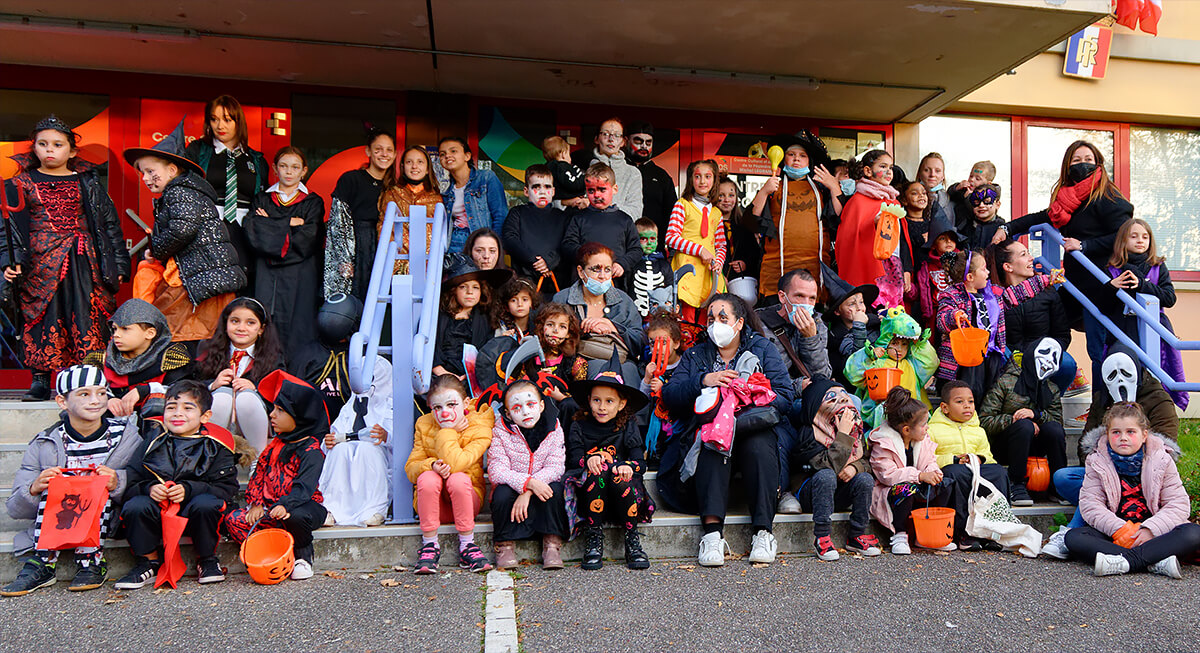
Credit: Wikimedia Commons
Local Halloween carnivals and haunted houses carried an element of unpredictability. Volunteers built attractions using basic materials. Costumed actors leaned into their roles without much restraint. The raw approach made them memorable and occasionally overwhelming for younger attendees.
Candy Variety Felt Limited, but Memorable
Credit: Wikimedia Commons
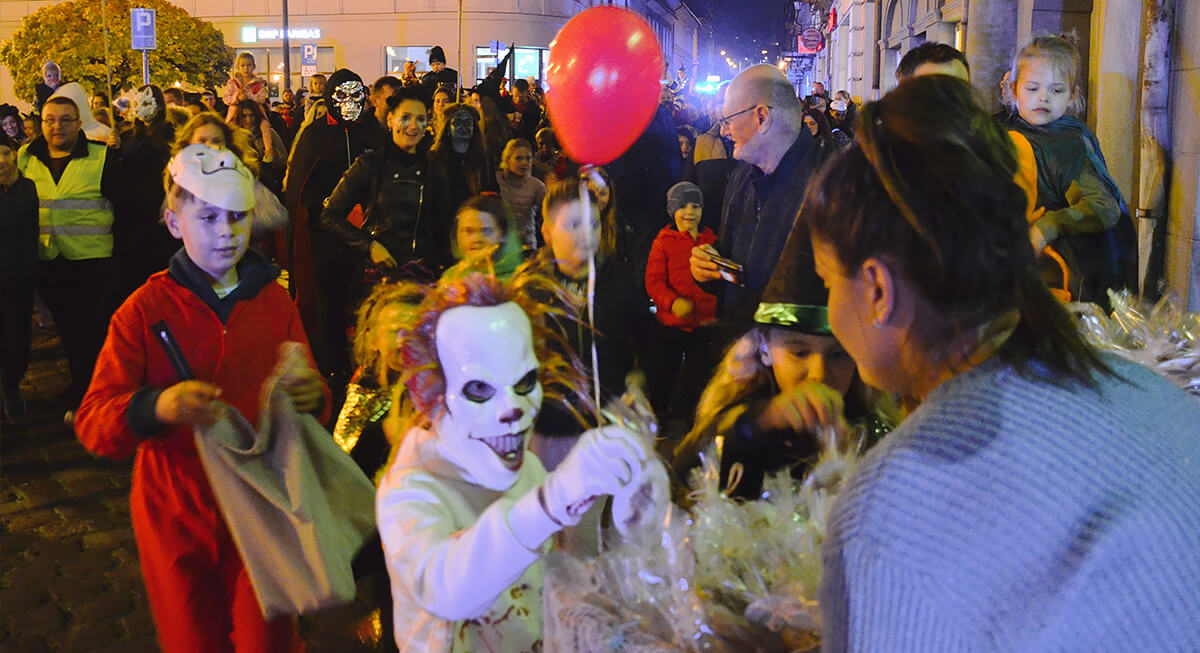
The selection leaned heavily on a handful of familiar brands. Chocolate bars, hard candies, and a few novelty items made up most of the haul. Homemade treats also appeared more often. The smaller range made favorites stand out clearly. Kids quickly learned which houses offered the best options and planned their routes accordingly.
Halloween Night Was The Main Event
Credit: Wikimedia Commons
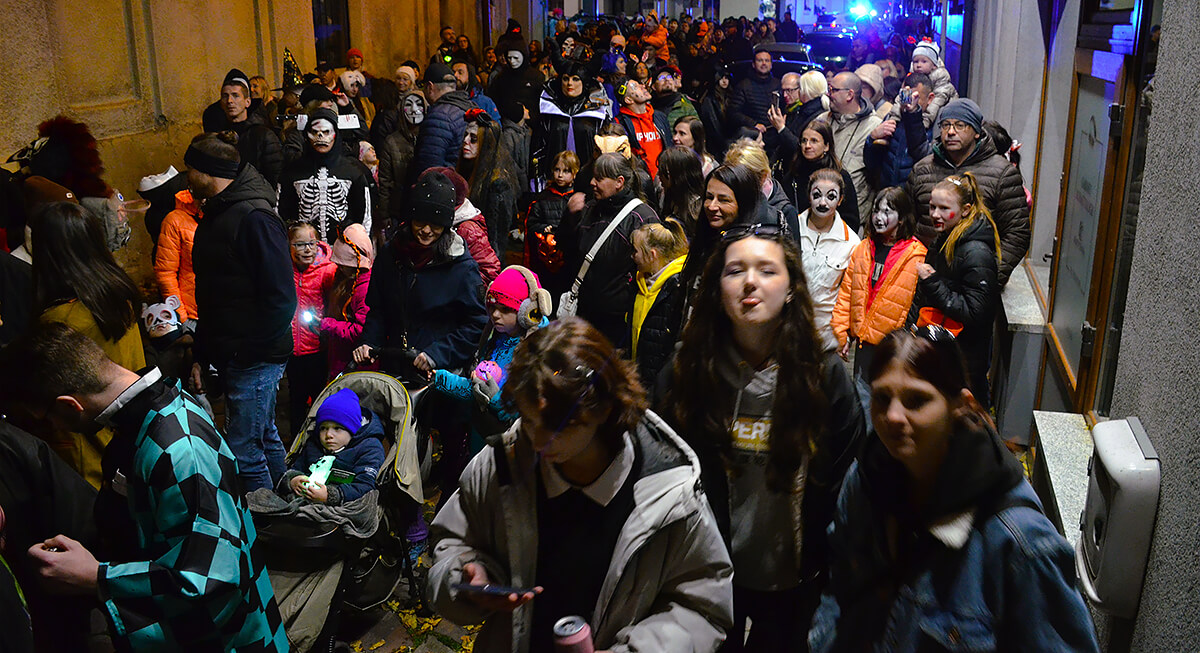
The holiday centered on a single evening rather than a series of scheduled activities. There were no multiple trunk-or-treat events or extended celebrations leading up to the date. Everything was built toward that one night.