10 Things About Hacks Season 5 That Made It the Perfect Finale
At its core, Hacks has always been about the push and pull between Deborah Vance, a veteran comedian who built her career on control, and Ava Daniels, a younger writer who challenges everything about that approach. Their partnership started as a professional arrangement and turned into something shaped by ambition, ego, and hard-earned respect.
Season 5 picks up after that balance falls apart. Deborah loses her late-night platform after refusing to be censored, her reputation takes a hit, and the industry begins to move on without her. With a non-compete clause limiting her next move, she’s forced to start over again, this time with more at stake than just her career. Ava steps back into the picture, and what follows is all about deciding what comes next.
The setup drives the final season. It’s about comeback, control, legacy, and whether these two can finally work in sync. With that in place, the rest of the season moves with purpose.
It Closed the Loop Without Forcing It
Credit: IMDb
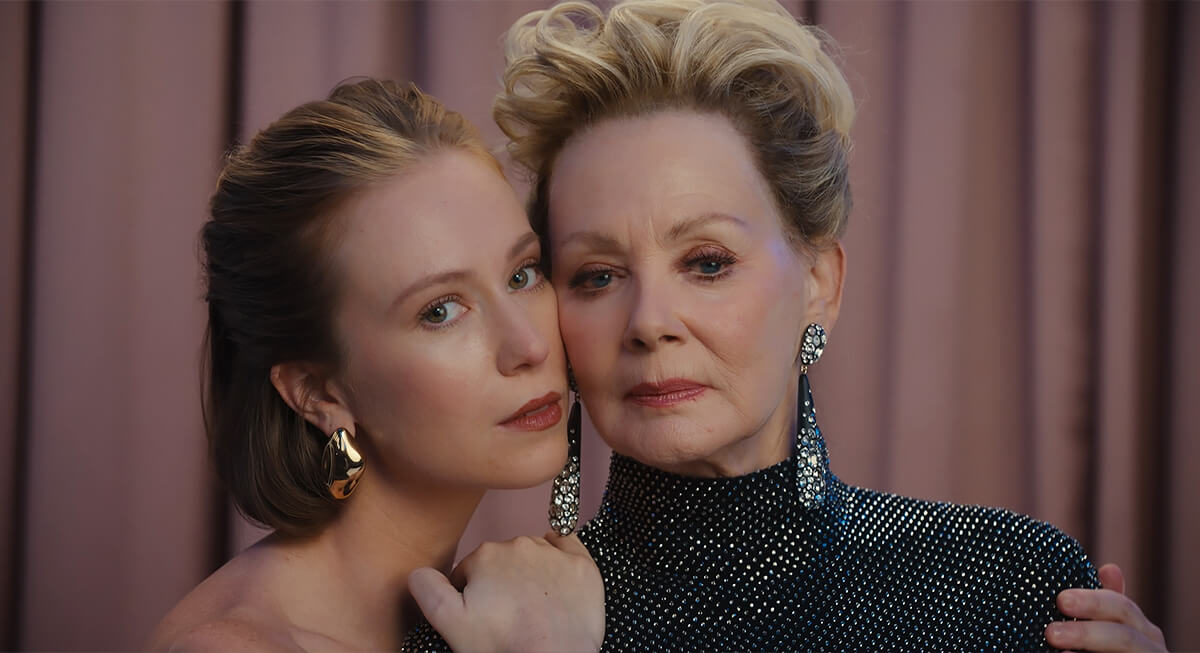
Deborah and Ava end up working together again, but it doesn’t feel like a reset. Their dynamic carries the weight of everything they’ve been through, so even familiar situations play differently. Earlier seasons depended on tension to drive their interactions.
The Comeback Had Real Stakes
Credit: IMDb
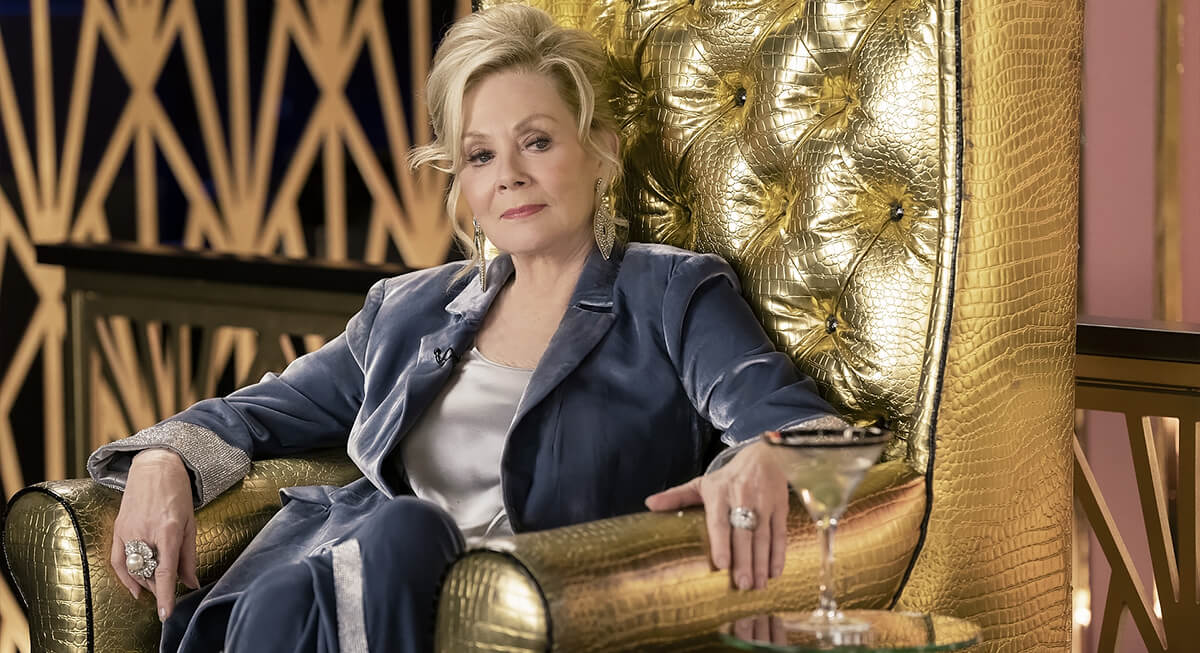
Deborah’s return to the spotlight isn’t on her own terms. She’s rebuilding after being pushed out of late-night and dealing with a damaged public image. The non-compete clause limits where she can perform, and the industry has already started moving on. The pressure makes every decision feel necessary. The season doesn’t rush her back to success. Progress comes slowly, with resistance at every turn.
The Goal Actually Meant Something
Credit: IMDb
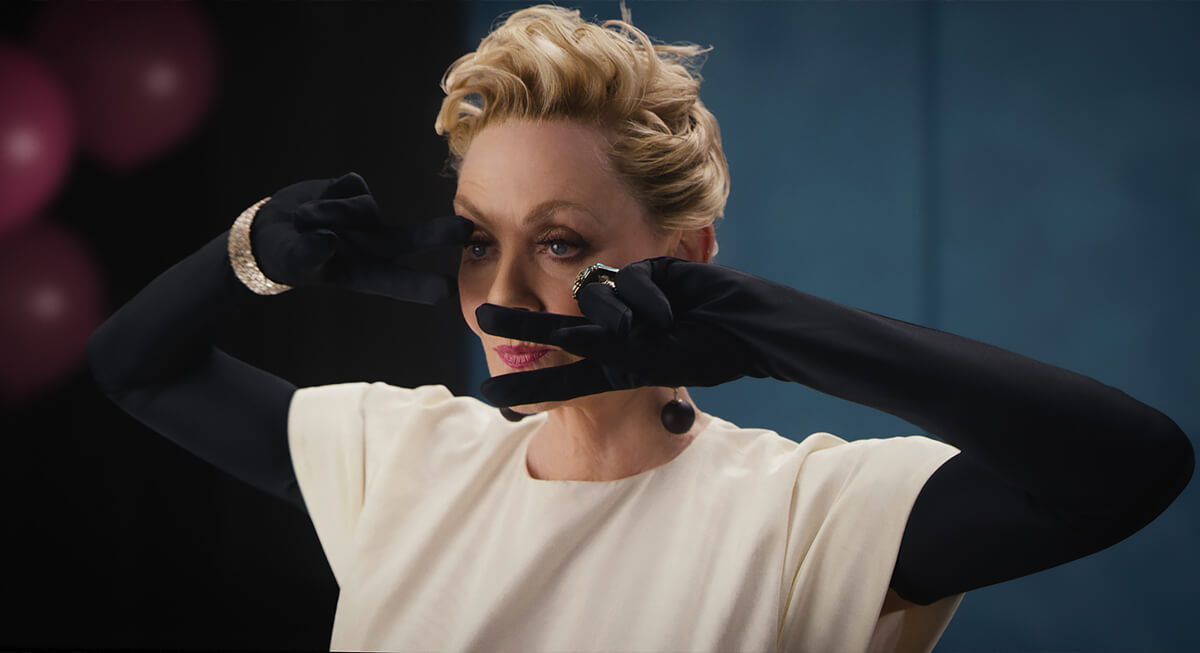
Early on, chasing an EGOT seemed like the ultimate way to cap her career. Then her focus changes, and selling out Madison Square Garden becomes the real goal. The shift brings the story back to what defines Deborah as a performer. She wants to stand before a crowd and prove she still belongs there.
The Central Relationship Finally Settled
Credit: IMDb
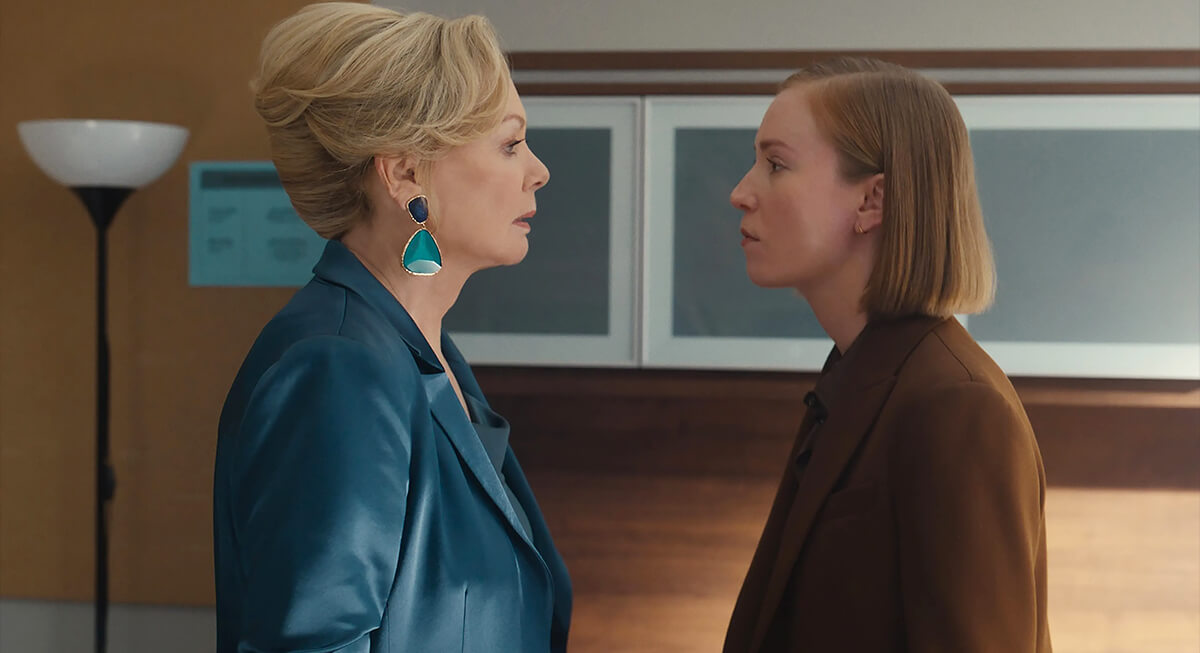
For most of the series, Deborah and Ava’s relationship has been shaped by conflict. Power struggles and betrayals kept things unpredictable. In this final season, that tension gives way to understanding. They still challenge each other, but the hostility isn’t driving every interaction. Their partnership finally feels stable, and that change makes their scenes easier to invest in.
Growth Went Both Ways
Credit: IMDb
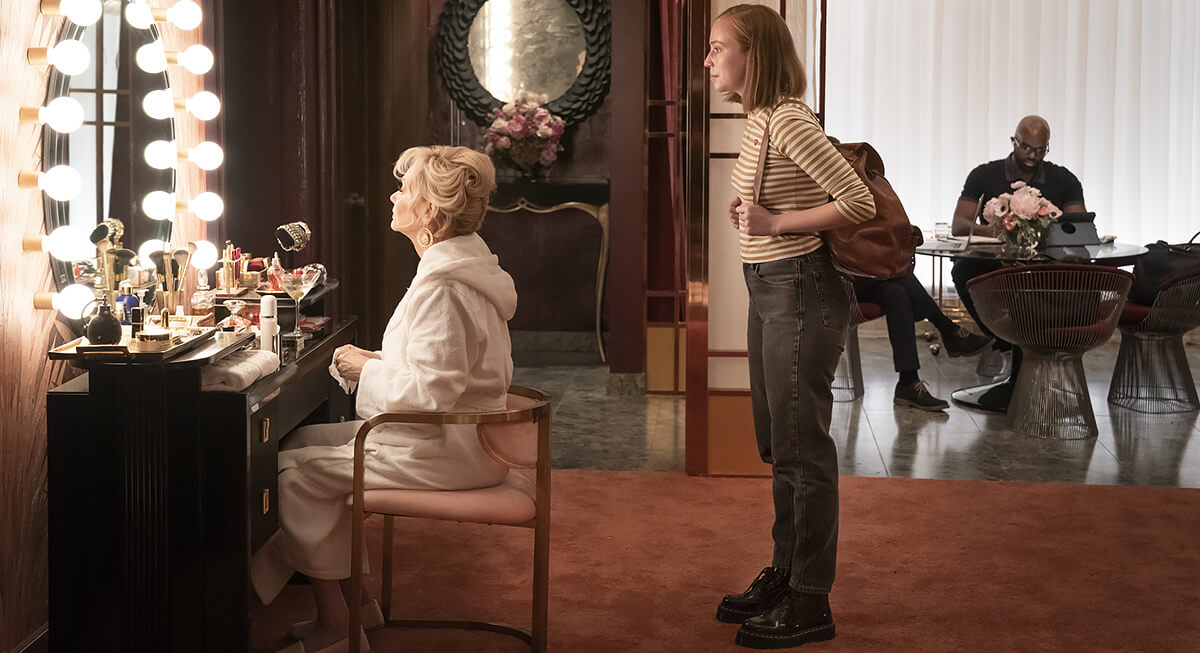
Deborah doesn’t stay fixed in her old ways. She listens more, reconsiders her instincts, and adjusts how she works. Ava also evolves, gaining confidence and learning how to navigate the industry without losing her voice. Their growth happens alongside each other, which creates a sense of balance. By the end, they aren’t stuck in a mentor-and-student dynamic, and no one is trying to prove superiority anymore.
The Ensemble Didn’t Fade Into the Background
Credit: IMDb
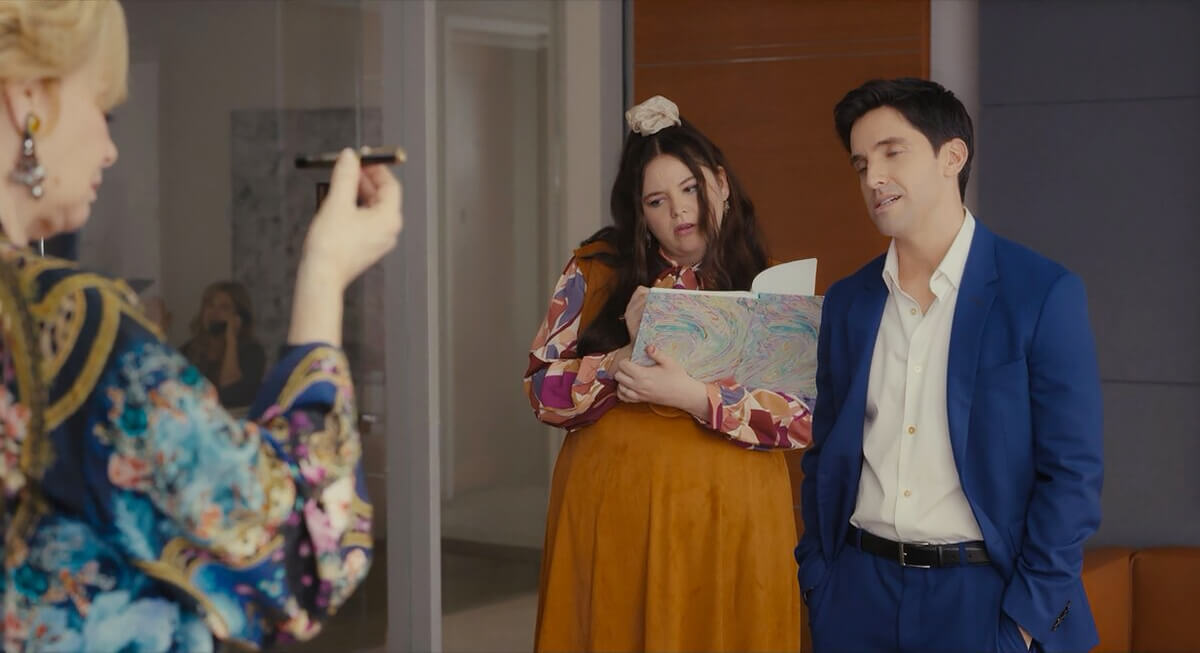
The final season keeps the supporting characters involved instead of pushing them aside. Jimmy and Kayla deal with business setbacks that affect their future, while Marcus, DJ, and Randi each have roles that connect back to the main story. These arcs don’t feel separate, and no one is drifting on the sidelines. They move in parallel with Deborah’s journey.
The Obstacles Stayed Personal
Credit: IMDb
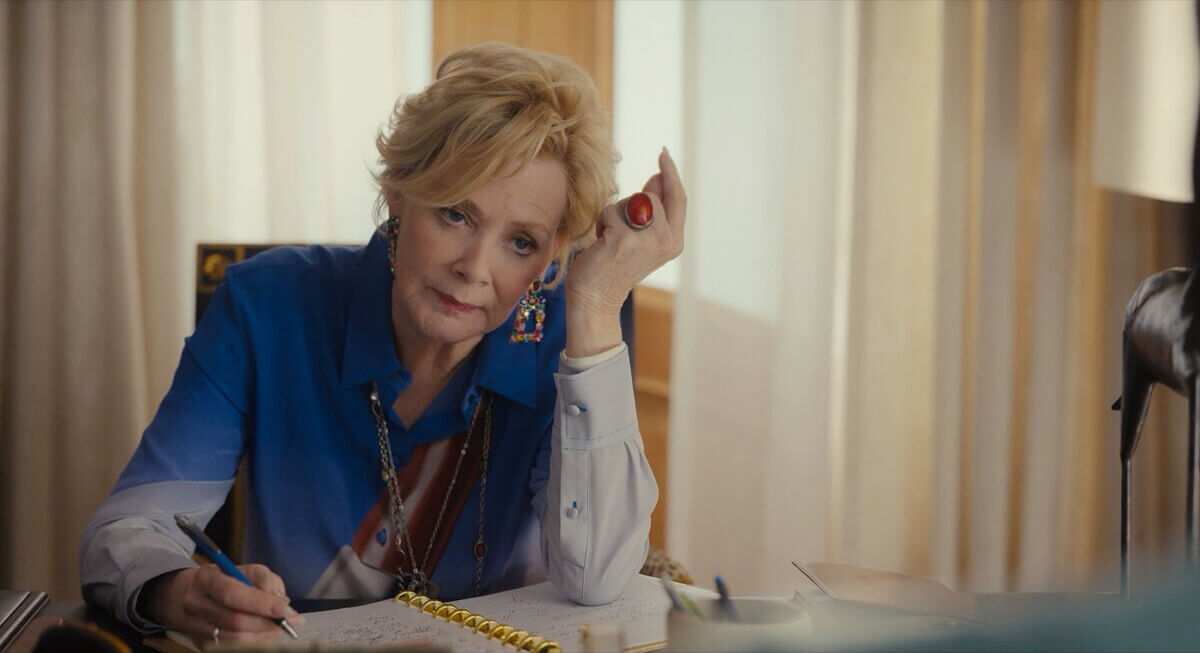
There’s an external force working against Deborah’s comeback, but the real tension comes from how she responds to it. Her reputation, pride, and sense of legacy shape her choices more than anything else. What she’s fighting for stays clear. Even when the story touches on industry politics, it always comes back to how Deborah sees herself and how she wants others to see her.
The Tone Shifted at the Right Time
Credit: IMDb
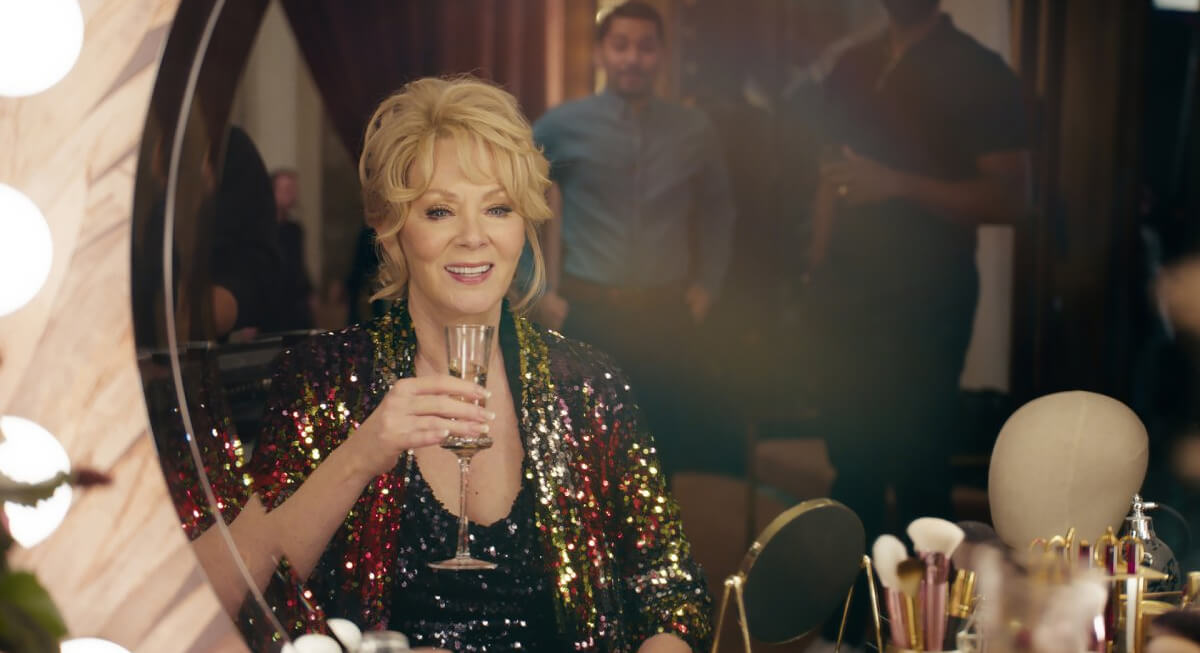
The earlier seasons pushed hard on conflict, often letting it spill into fallout that reshaped the story. By the final season, there’s room to loosen that grip. The humor opens up again. The tone becomes lighter and more playful, and that change doesn’t feel abrupt because it comes after characters have already gone through the hardest parts of the story.
The Show Took Creative Swings Before Signing Off
Credit: IMDb
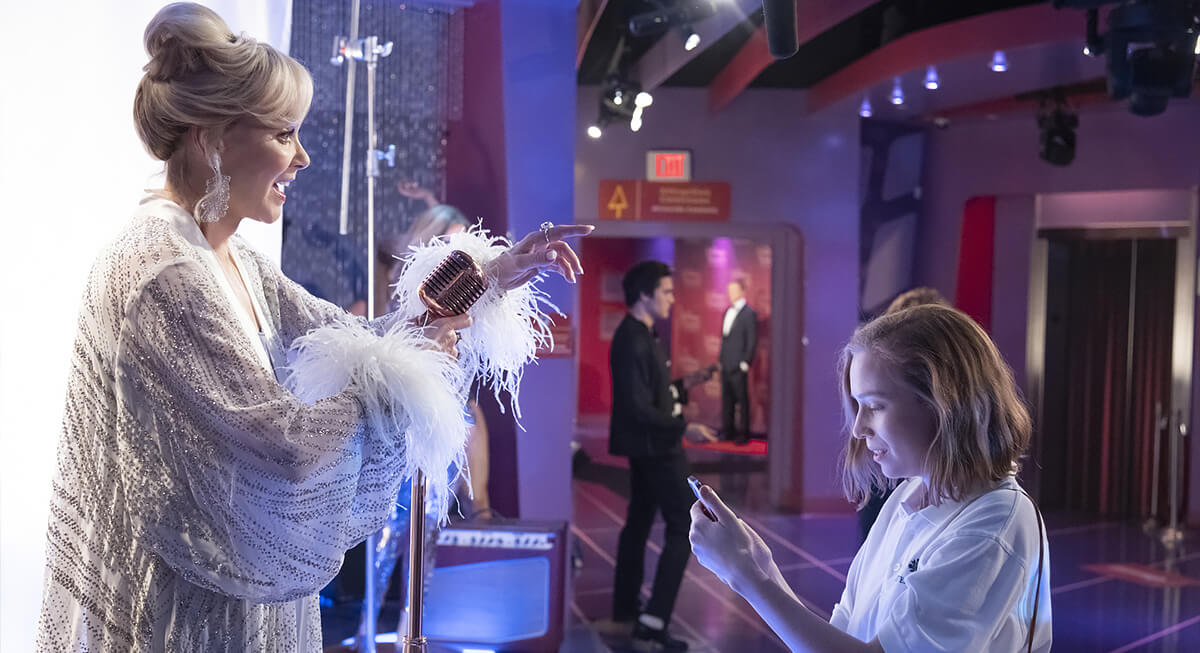
The writers use the final season to explore ideas that stand out from the usual. There are episodes built around farce, others that stretch structure, and moments that lean into discomfort. These moments add variety while still advancing the main arc, keeping the season from feeling predictable.
It Knew Exactly Where to End
Credit: IMDb
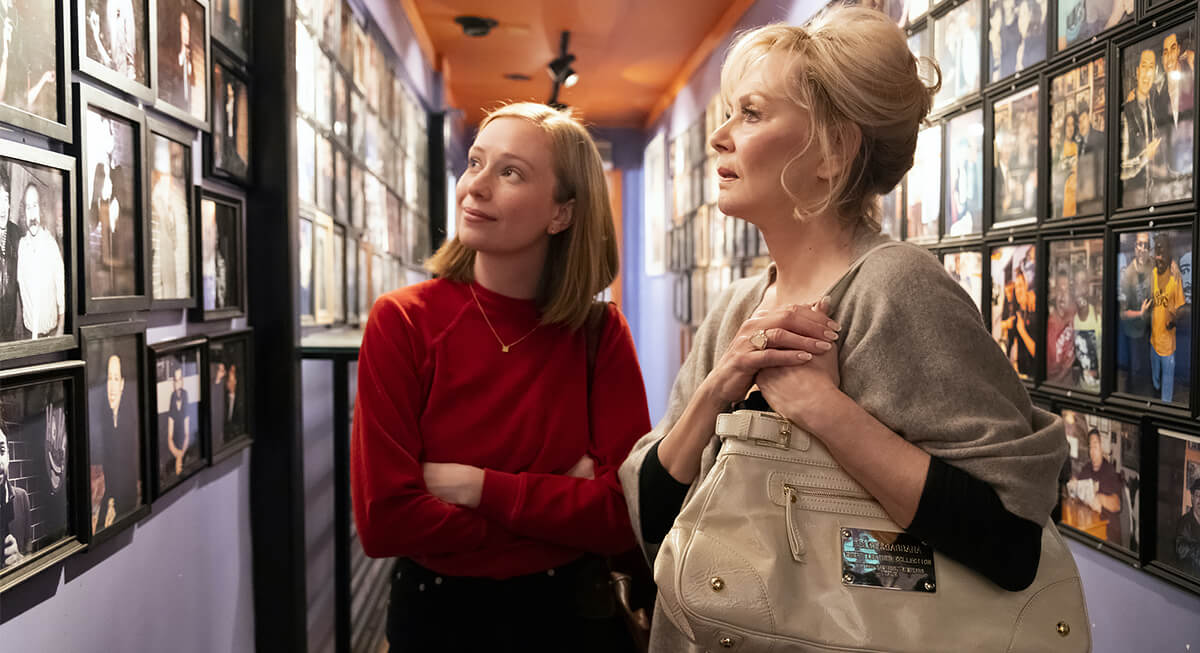
The story builds toward a clear stopping point and respects it. There are no extra layers added at the last minute or extended explanations to underline what already works. Each arc reaches a point that feels complete. By the final scene, there’s a sense that everything that needed resolution has already been handled.