8 Incredible Directors Never Nominated for an Oscar
The Oscar record can look tidy at first glance, but it starts to feel incomplete once you look closely. Across decades of filmmaking, some directors who shaped styles, influenced generations, or delivered unforgettable films never made it onto the Academy’s ballot. Their absence says less about their talent and more about how timing, trends, and industry politics shape awards. Looking back at these careers is a reminder that impact and recognition rarely move in step.
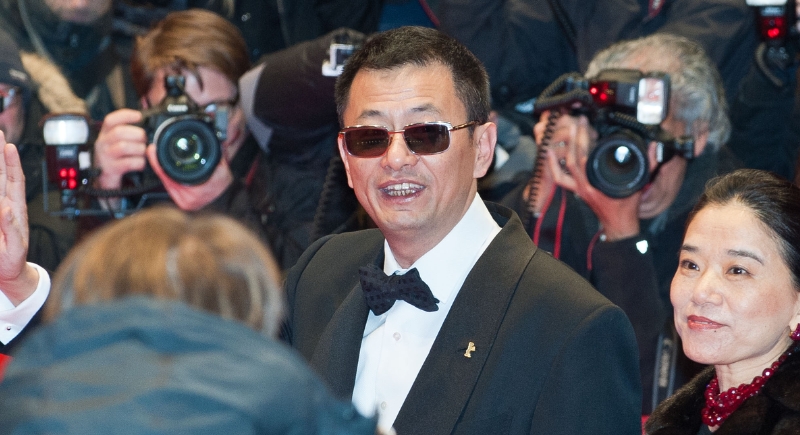
Wong Kar-Wai
Credit: Wikimedia Commons
Before streaming expanded access to international cinema, Wong Kar-Wai earned global recognition through visual storytelling. In the Mood for Love remains a fixture on Sight and Sound lists. His use of color, repetition, and offbeat pacing reshaped cinematic romance. The influence is clear across independent directors, cinematographers, and visual artists worldwide.
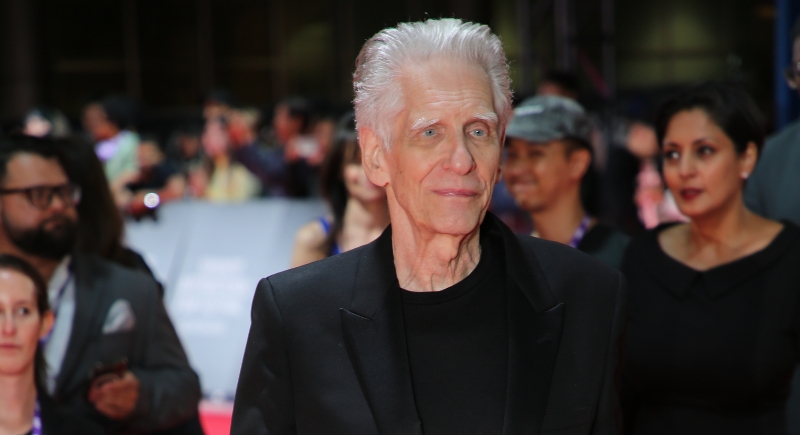
David Cronenberg
Credit: Wikimedia Commons
Modern psychological and body horror owes much of its language to Cronenberg’s films. Videodrome, Scanners, and The Fly turned physical transformation into ideas about identity and control. The Fly even won an Oscar for makeup, a rare brush with Academy recognition. His later crime dramas confirmed his range well beyond horror.
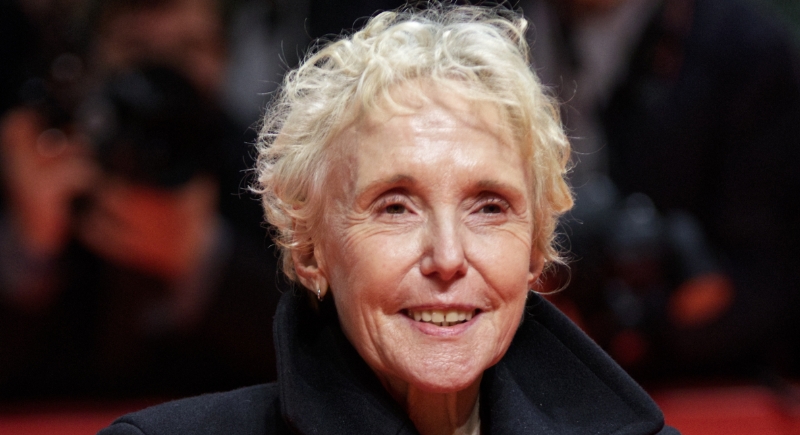
Claire Denis
Credit: Wikimedia Commons
Film students often first encounter Claire Denis through Beau Travail, a film that sparked years of debate about storytelling without traditional dialogue or plot structure. Her work focuses on movement, memory, and environment. Festivals across Europe consistently program her films, and many modern arthouse directors study her visual pacing and character observation techniques.
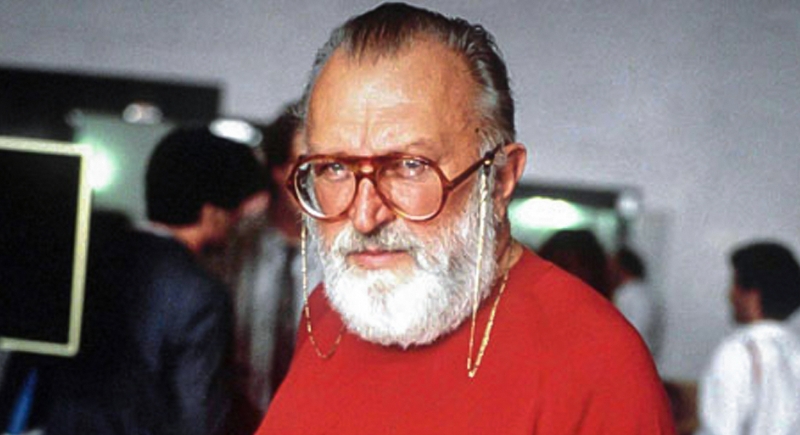
Sergio Leone
Credit: Wikimedia Commons
Before Sergio Leone, western shootouts usually ended quickly. He turned them into long, silent psychological standoffs that audiences had never seen before. The Dollars Trilogy reshaped global western filmmaking, and Once Upon a Time in America later showed his range beyond the genre. His visual tension techniques still appear in modern action cinema.
John Carpenter
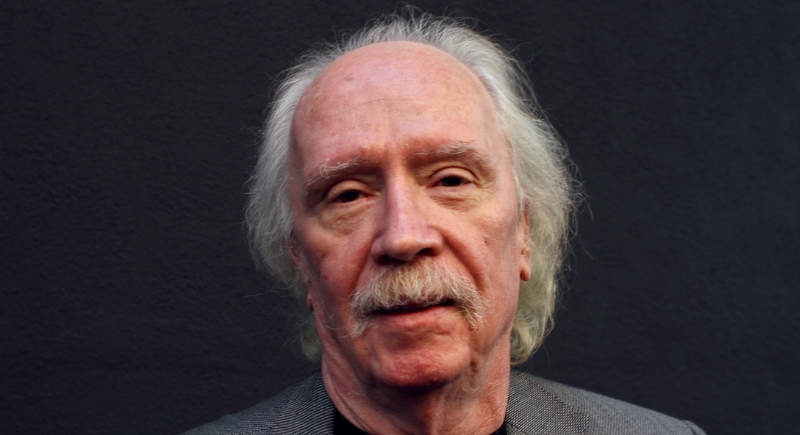
Credit: Wikimedia Commons
Watch the opening minutes of Halloween, and you can see how John Carpenter used camera movement to create tension without expensive effects. He also wrote and performed many of his own film scores. The Thing later gained recognition for its practical effects and paranoia-driven storytelling, which influenced decades of science fiction horror filmmaking.
Park Chan-wook
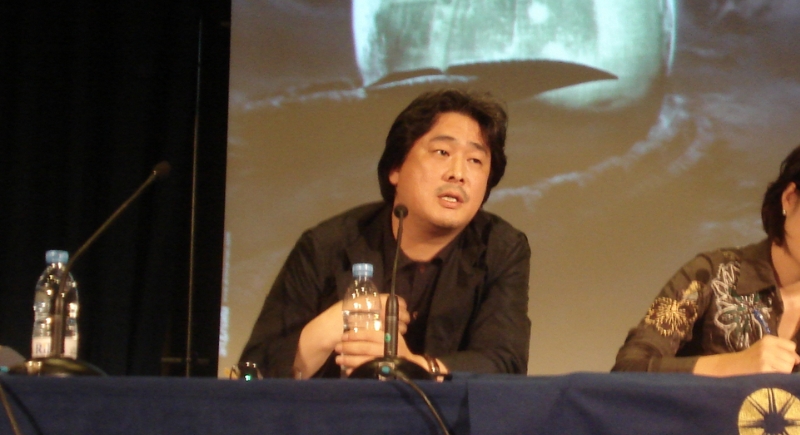
Credit: Wikimedia Commons
International audiences discovered Park Chan-wook largely through word of mouth after Oldboy shocked festival crowds and later won the Grand Prix at Cannes. Park blends brutal violence with dark humor and precise visual framing. Later films like The Handmaiden proved he could shift tone while maintaining psychological intensity.
Jim Jarmusch
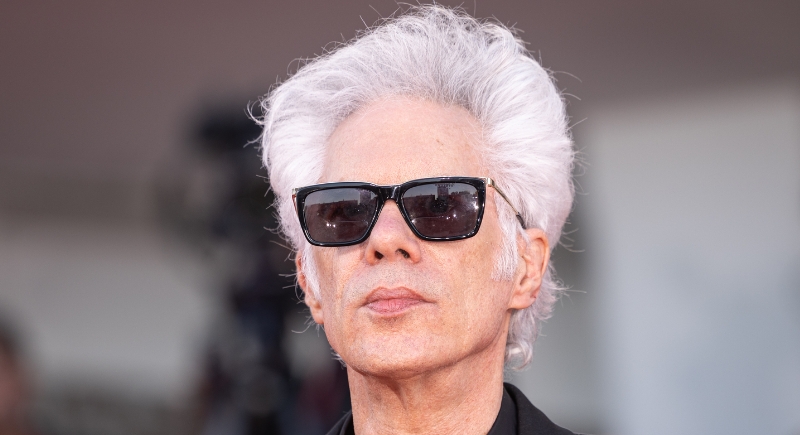
Credit: Wikimedia Commons
American independent cinema in the 1980s found a distinct voice through Jim Jarmusch’s minimalist storytelling. Films like Down by Law and Dead Man focused on mood and character over plot momentum. Jarmusch often collaborates with major actors willing to step into quieter, experimental storytelling projects.
Brian De Palma
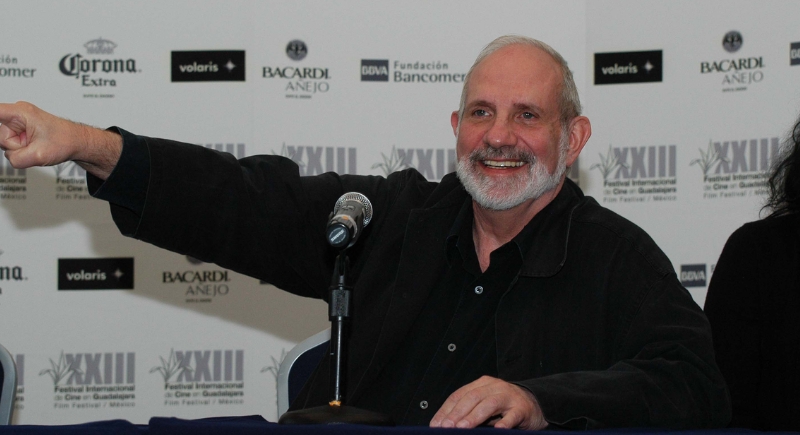
Credit: Wikimedia Commons
During the 1970s and 1980s studio era, Brian De Palma became known for pushing mainstream thrillers into darker territory. Scarface and Blow Out sparked controversy for violence and political themes. Studios still trusted him with large budgets, and his movies regularly fueled debates about censorship, media influence, and crime storytelling.
Lynne Ramsay
Credit: Youtube
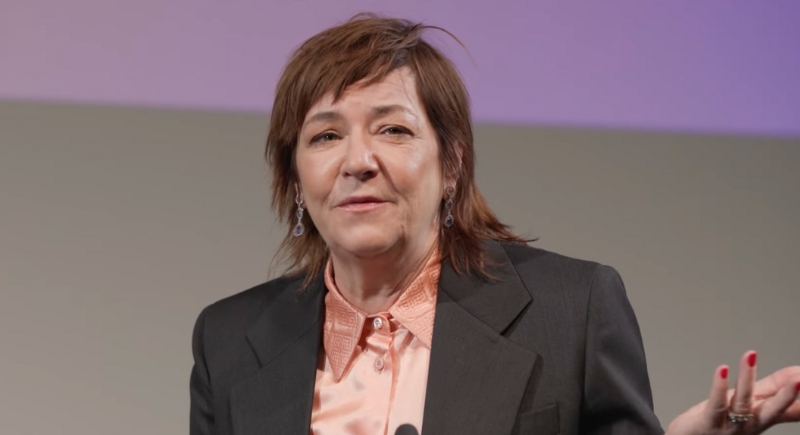
For much of her career, Lynne Ramsay has worked outside the typical studio release cycle, often developing projects slowly and walking away from productions that compromise her creative control. That approach has meant fewer films, but each release draws heavy critical focus. We Need to Talk About Kevin gained momentum through sustained critical discussion rather than traditional wide-release marketing.
Sam Raimi
Credit: Wikimedia Commons
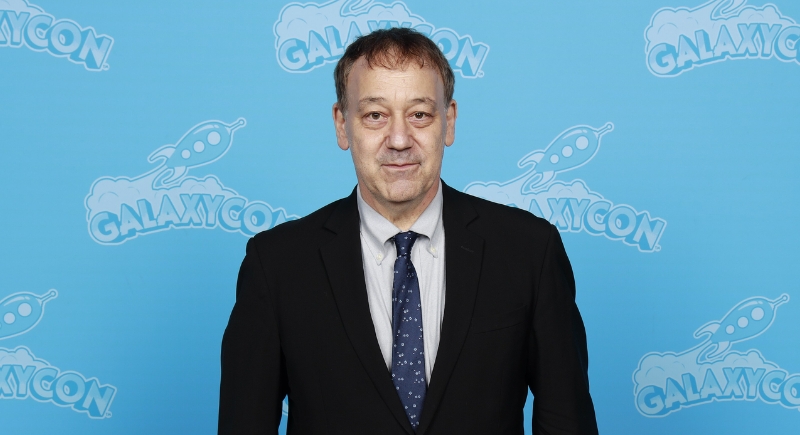
Sam Raimi first gained attention from horror fans who traded bootleg tapes and shared late-night theater experiences rather than through traditional studio marketing. The Evil Dead films spread through cult horror communities worldwide. Years later, major studios trusted Raimi to launch early modern superhero franchises, bridging independent horror culture and blockbuster filmmaking.