10 Pet Peeves Gen X Has About Texting That Millennials Can’t Even See
A tiny punctuation choice can read as rude or outdated, depending on who’s holding the phone. Gen X grew up learning formal writing before texting existed, so many modern messaging trends are perceived differently by them. Millennials often think they are being friendly and efficient without realizing certain habits irritate the people reading their messages. Here are ten texting quirks that regularly get under Gen X’s skin.
Endless Emoji Chains
Credit: pexels
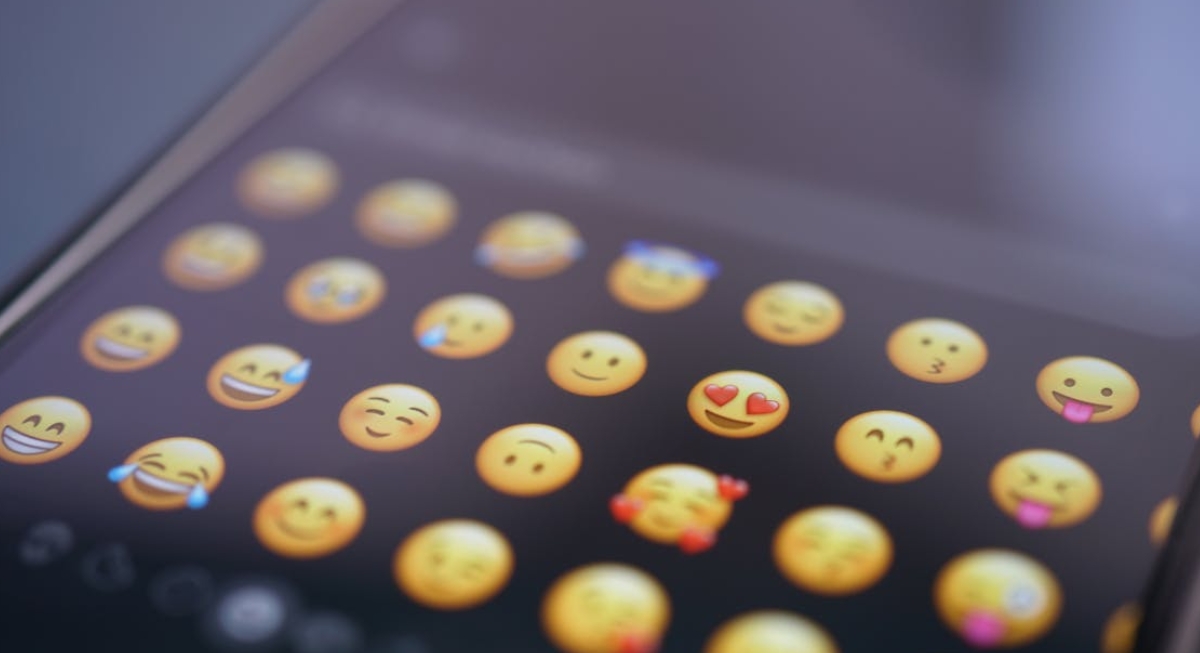
The original smiley face entered digital culture in 1982 when computer scientist Scott Fahlman suggested using 🙂 to mark jokes online. Millennials took things to a next level entirely, stacking crying faces, sparkles, or fire emojis across an entire message. To Gen X readers, that wall of reactions feels exhausting to decode. The confusion gets worse because emoji meanings change quickly online.
Turning Every Reply Into Therapy

Credit: pixelshot
A short text used to mean exactly that: short. Gen X often gets irritated when a simple scheduling question turns into several paragraphs explaining emotional context. Millennials developed texting habits during the rise of constant online communication, where tone management became part of everyday conversation. This leads to long explanations attached to harmless exchanges.
The Disappearing Phone Call
Credit: pexels
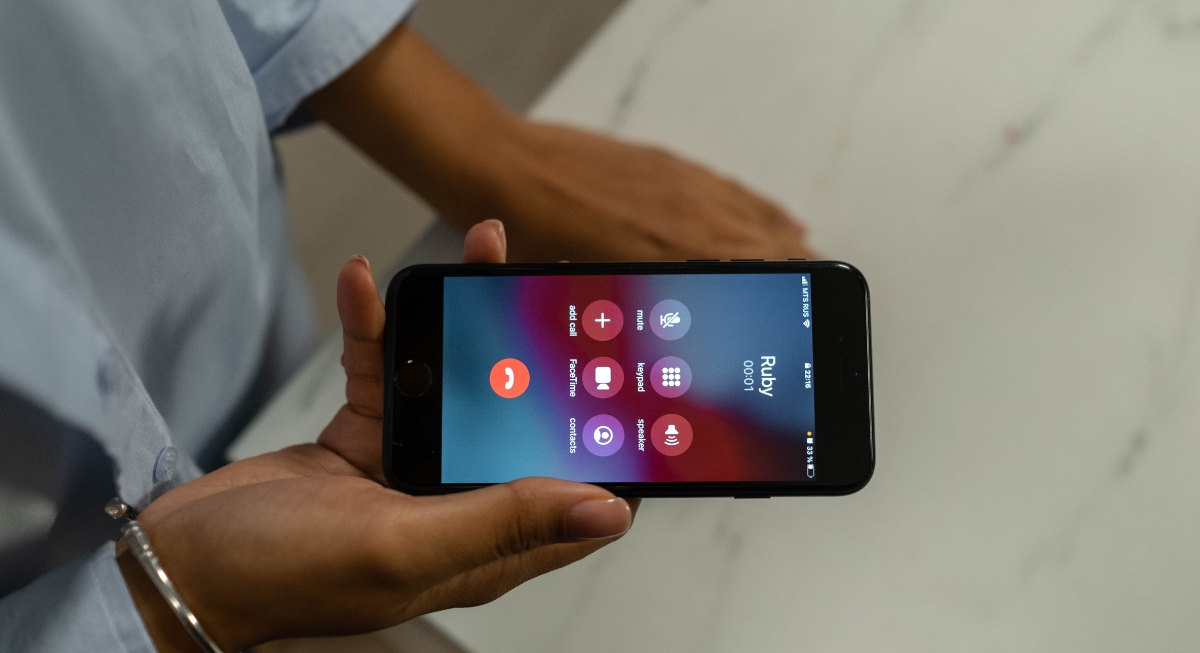
Many Gen X adults still see phone calls as the fastest way to handle confusion. Millennials often avoid calling unless absolutely necessary. This creates constant irritation during group plans, family conversations, and work situations. Gen X tends to view endless texting threads as inefficient once the topic becomes complicated.
Treating Periods Like Threats
Credit: Getty Images
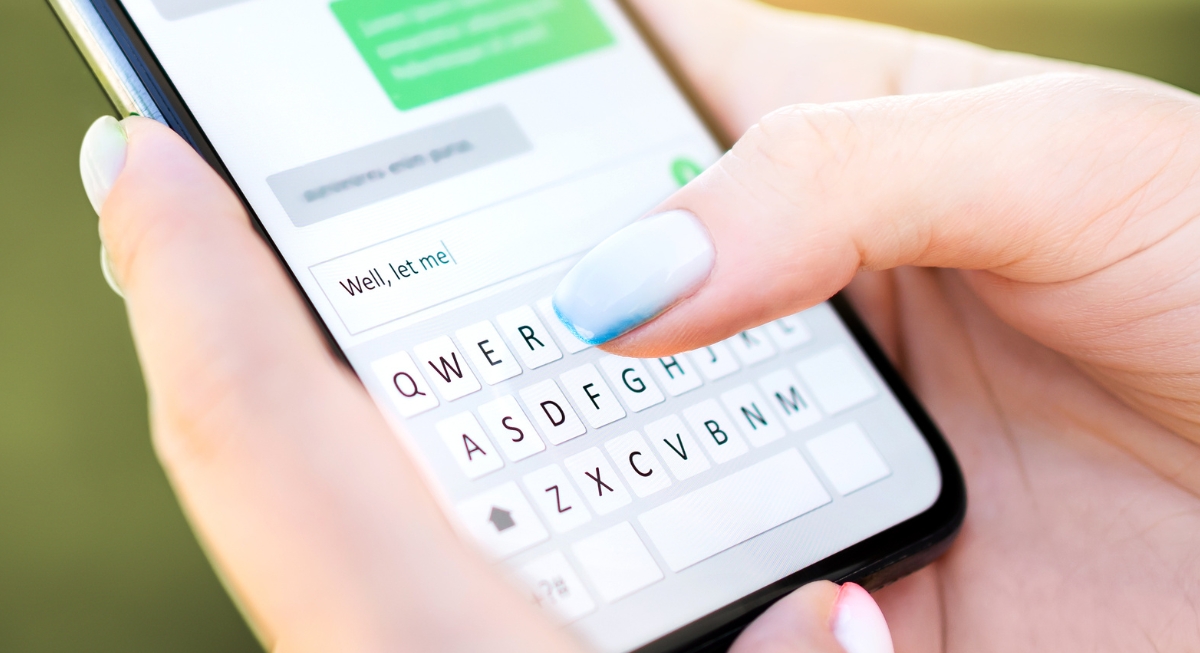
Millennials helped create one of the strangest texting shifts: the idea that proper punctuation sounds aggressive. Gen X often finds this deeply confusing because periods once signified basic literacy rather than emotional hostility. A message like “Sounds good.” can suddenly trigger concern because younger readers interpret it as cold or irritated.
The Mystery Of “K”

Credit: pixelshot
Gen X remembers when brief replies simply meant someone was busy. Millennials turned the single-letter “K” into a digital insult with the emotional energy of a slammed door. This interpretation still surprises older texters. A Gen X parent might send “K” without a second thought, then spend the next hour wondering why nobody answered afterward.
Reaction GIF Fatigue
Credit: pexels
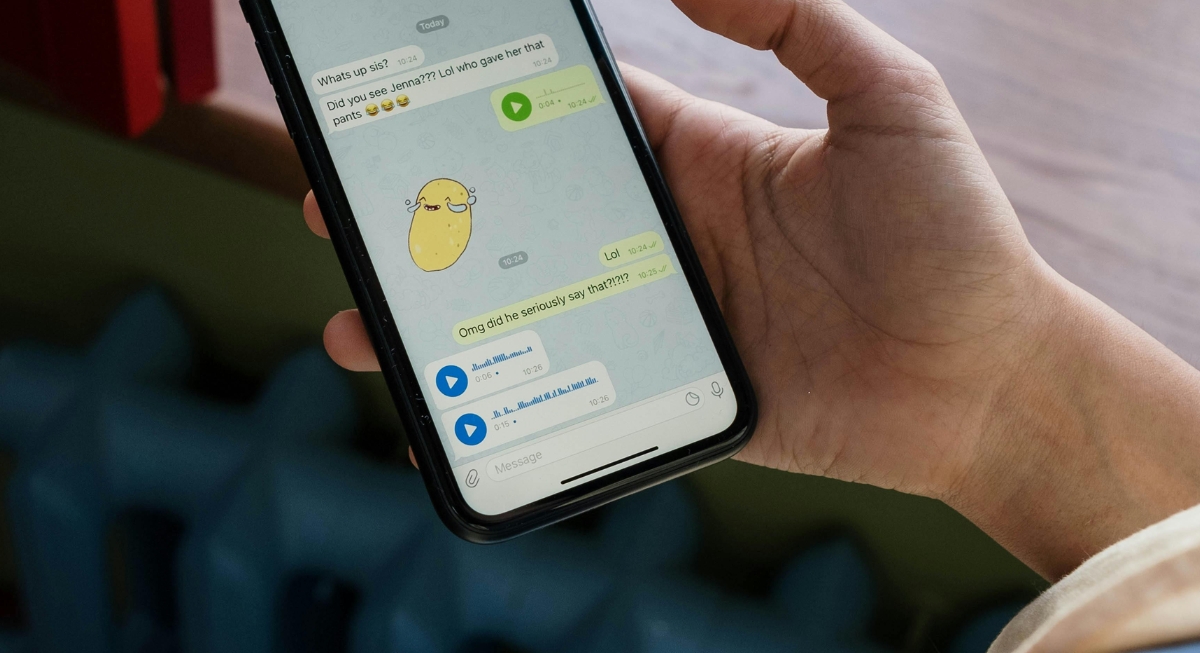
Millennials love communicating through reaction GIFs pulled from sitcoms and internet memes. Gen X often finds the extra effort unnecessary, especially during ordinary conversations. A coworker asking for a spreadsheet probably does not need a looping clip of someone fainting dramatically on television. GIF culture exploded during Tumblr, Twitter, and early meme-heavy social media years.
Leaving Conversations Hanging
Credit: pexels
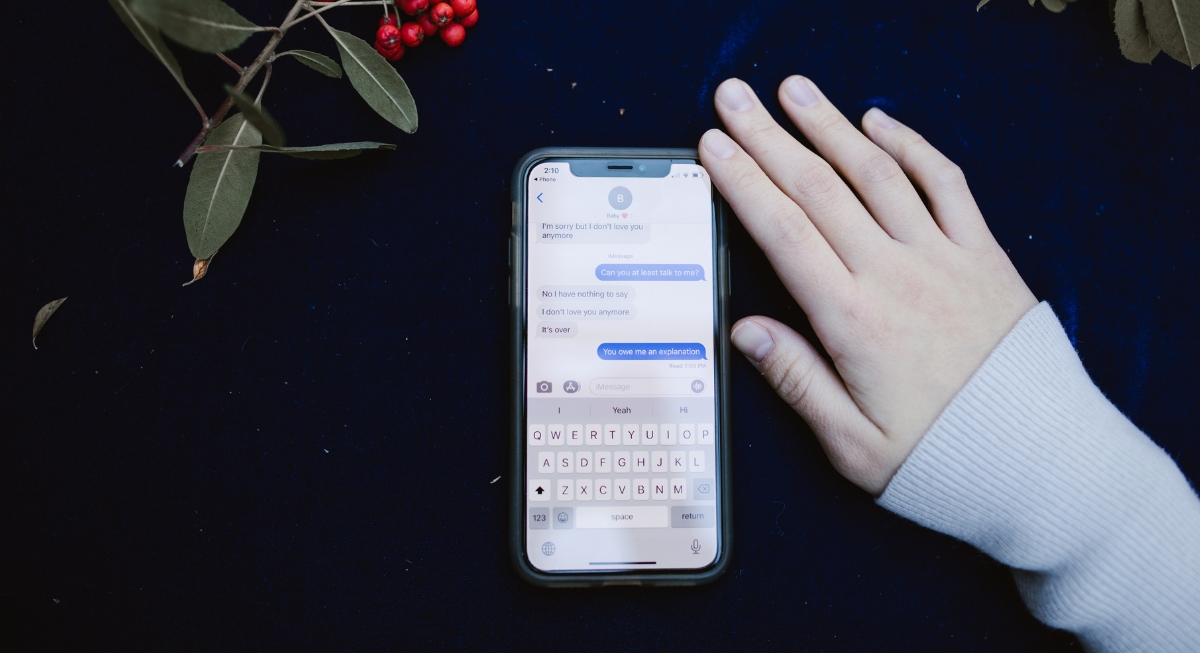
Gen X generally likes conversations to feel complete. Millennials often disappear mid-thread and resume talking six hours later as if nothing happened. This habit can leave older texters wondering if the discussion ended badly or simply evaporated into the internet.
Typing Like Every Message Needs A Disclaimer

Credit: Canva
Many millennials soften texts with “lol,” extra exclamation marks, or smiley faces to avoid sounding harsh. A sentence like “Can you send that file lol thanks!!! :)” can look strangely anxious to someone raised on straightforward communication. Internet culture trained millennials to constantly manage tone because online misunderstandings spread fast.
Overusing Read Receipts And Status Indicators
Credit: pexels
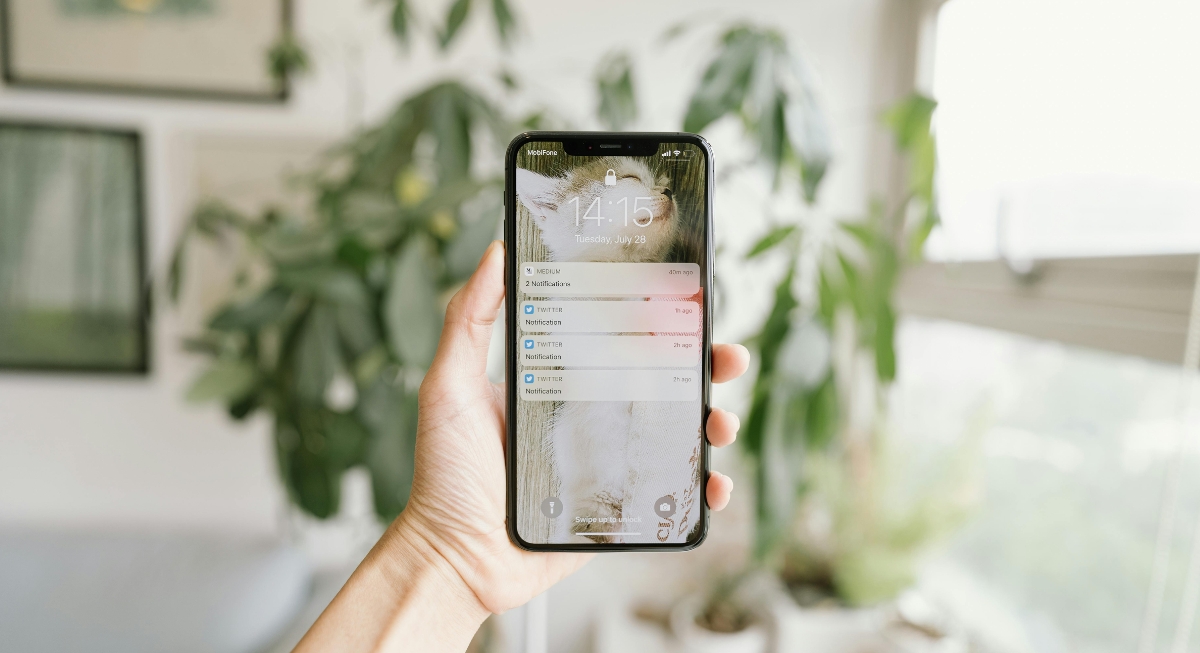
When read receipts and statuses arrived, suddenly, everyone could see when a message came, when it got opened, and sometimes when someone started typing a reply. Gen X spent most of their lives without that level of visibility. They still tend to view delayed responses as normal human behavior.
Turning Texting Into Performance Art

Credit: Canva
Millennials might communicate a simple laugh as “LMFAOOOOOOO SKSKSKSK.” Older texters sometimes struggle to tell if the sender is excited, joking, or having a small electrical malfunction. Much of this style came out of internet fandom spaces and early social media humor. Gen X generally prefers messages that can be understood without needing a translator under 25.