The Most Used Slang for Every Generation
The words people use every day tell you a lot about the time they grew up in. Slang is often quick, playful, and specific to a moment, yet it sticks in memory long after trends fade. One short phrase can capture an attitude, a joke, or a whole cultural shift.
Below, the terms are organized by generation. The first four come from the Silent Generation, followed by Baby Boomers, Generation X, Millennials, Generation Z, and finally Generation Alpha. Each section moves forward in time according to when the slang first entered common use.
Cat’s Pajamas

Credit: pexels
“Cat’s pajamas” was a popular way to praise someone or something stylish. The phrase emerged in the 1920s, when playful expressions filled everyday conversation. People used it for more than fashion. It could describe a talented performer, a new car, or anything that felt impressive without sounding overly serious.
Scram

Credit: Canva
“Scram” meant leave, and it usually meant immediately. The word carried a sharp tone, so it rarely sounded polite. People used it in arguments, in playful sibling fights, and often in old movies where the delivery felt dramatic but slightly funny. It worked as a quick, all-purpose way to send someone on their way.
Moxie

Credit: Aflo Images
“Moxie” described someone with nerve and determination. It pointed to inner drive rather than physical strength, and it suggested a kind of courage that showed up under pressure. People used it with admiration. When someone stood their ground or pushed forward despite the odds, they were said to have real moxie.
Bum Rap

Credit: Pressmaster
Getting a “bum rap” meant being wrongly blamed or accused. It gave people a tidy way to defend themselves without sounding too self-pitying. In courtrooms, locker rooms, and lunch counters, this phrase gave injustice a name.
Groovy

Credit: Getty Images
“Groovy” described something that felt right in the moment. People used it for music, plans, moods, and even everyday conversations when things clicked into place. The word carried an easy sense of approval and a bit of cool. If something was groovy, it meant the vibe worked and everyone felt it.
Far Out

Credit: Canva
“Far out” was a go-to reaction when something felt surprising in the best way. Baby Boomers used it to express amazement, not sarcasm. It sounded more expressive than a simple “wow.” When someone said “far out,” they meant the moment felt impressive, unexpected, and worth noticing.
Bummer
Credit: Getty Images
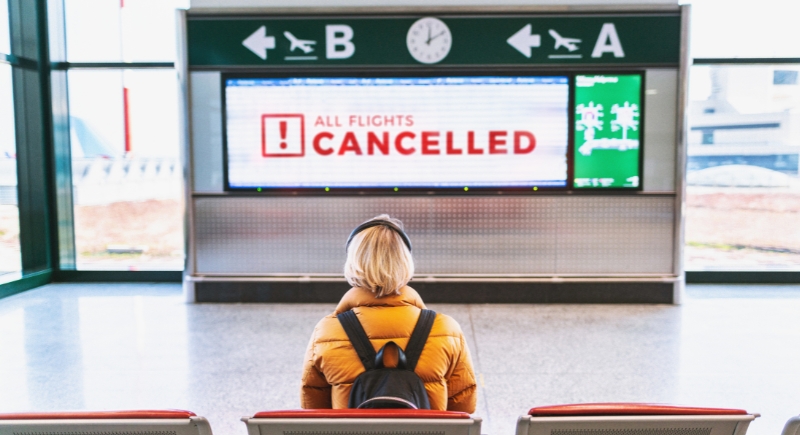
“Bummer” became the word people used when something fell through. It covered everyday setbacks such as canceled plans, bad weather, or missed chances. The tone stayed steady. It showed disappointment without turning the moment into drama, yet still carried enough weight to express real frustration when something genuinely stung.
Cool It

Credit: Canva
“Cool it,” came out when tempers started to rise. The phrase asked for a pause and a shift in tone. People used it during arguments, tense debates, or moments when frustration was about to spill over. It worked as a quick way to settle things down and bring everyone back to a steadier place.
Take a Chill Pill

Credit: Canva
“Take a chill pill” was Gen X’s shorthand for telling someone to relax. It worked in tense situations or when someone was overreacting. The phrase used humor to bring things back to a neutral tone.
Gnarly

Credit: Photo Images
Originally surf lingo, “gnarly” slipped into wider use thanks to Gen X’s love for extremes. It covered both ends, from terrifying snowboarding falls to amazing guitar solos. The word rode a fine line between wild and wonderful.
Diss
Credit: pexels
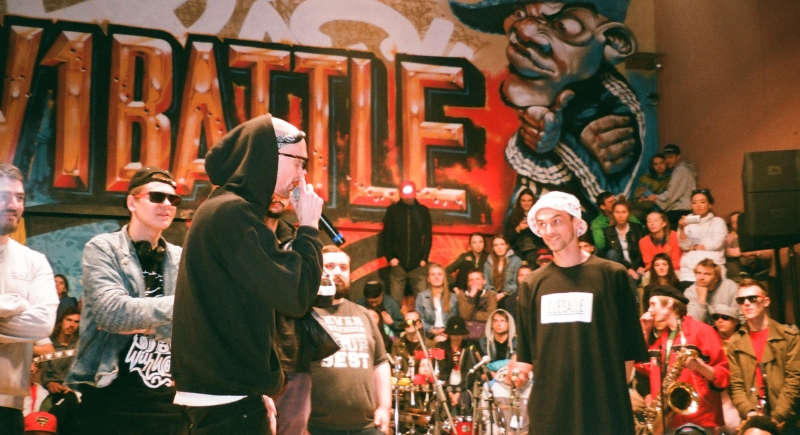
A “diss” didn’t need much explanation. It meant someone got insulted, sometimes with flair. Whether in rap battles or hallway drama, it packed disrespect into a single syllable. The popularity of “diss tracks” only gave it more weight.
Trippin

Credit: pexels
“Trippin’” came out when someone seemed to be overreacting or reading too much into a situation. The word suggested that the person needed to relax or step back. It carried a teasing edge, so it often landed with humor instead of hostility. In many cases, saying someone was trippin’ helped cool things down rather than escalate them.
Adulting

Credit: pixelshot
“Adulting” turned basic responsibilities into punchlines. Paying rent, doing laundry, or going to the dentist weren’t just chores—they were wins. The term gave a wink to the struggle of growing up, especially when no one felt like they had it figured out.
Lit
Credit: Getty Images
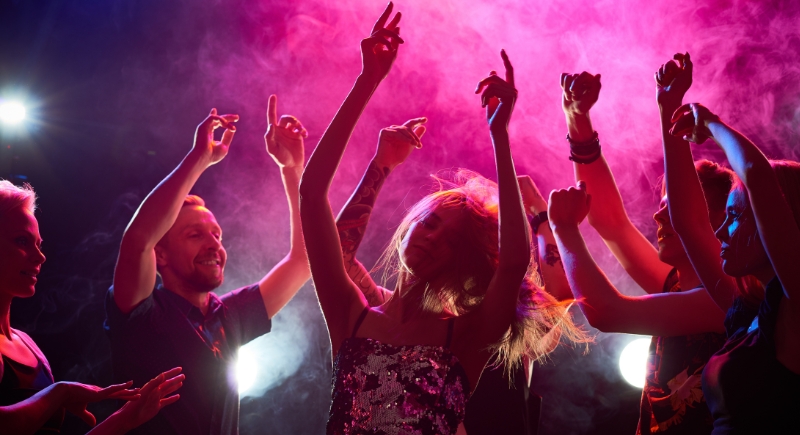
If a party was electric or a moment was worth remembering, it was “lit.” Millennials grabbed the term and ran with it across music, memes, and more. It marked excitement with punchy finality, especially online or in texts.
Bae

Credit: Getty Images
“Bae” was used for a romantic partner or someone close, often online or in texting. Some called it short for “Before Anyone Else,” but it was never confirmed. It also sounded like a twist on “baby” or “babe.”
Cancelled

Credit: Getty Images
“Cancelled” stopped being about flights and started targeting reputations. Someone who messed up, publicly or privately, could be declared cancelled. The word got heavy use online, often without second chances built in.
No Cap

Credit: Getty Images
“No cap” signals honesty. When someone adds it to a sentence, they are stressing that they mean what they just said. The phrase can also stand alone as a response when another person speaks bluntly or makes a bold claim that turns out to be true. It works as a quick stamp of credibility in conversation.
Rizz

Credit: Getty Images
If someone had “rizz,” they had a way with words, especially flirty ones. Short for charisma, it showed up in comment sections, memes, and banter. Gen Z gave it legs, especially through platforms like TikTok, where charisma could go viral.
Sus

Credit: Getty Images
“Sus” exploded into everyday language after Among Us took off. The word is short for suspicious, and people use it to call out behavior that feels off. It moved quickly from gaming chats into real-life conversations and social media. Calling something “sus” became the fastest way to question motives or raise doubt.
Mood

Credit: pixabay
“Mood” became Gen Z’s quick way to say, “That’s exactly how I feel.” People use it when a post, photo, or video captures something relatable. It shows agreement without a long explanation. The word appears constantly in captions, comments, and replies, turning shared emotions into a simple, one-word response.
6-7

Credit: Getty Images
“6-7” is a meme-driven phrase that carries no fixed definition. People drop it into videos, captions, or comment sections purely for humor. The joke sits in how unexpected it feels and how casually it lands. Its appeal has little to do with meaning and more to do with timing, tone, and shared internet culture.
Choppleganger

Credit: pexels
“Choppleganger” blends “chop” and “doppelgänger” into a pointed online insult. People use it when someone resembles another person in a way that feels unflattering. The word shows up mostly in comment sections and short-form videos. It reflects Gen Alpha’s roast-heavy humor, where quick comparisons and sharp jokes spread fast.
Skibidi

Credit: pexels
What started with a viral video became cultural shorthand. “Skibidi” can mean anything—good, bad, absurd—depending on context and delivery. The word’s nonsense nature reflects Gen Alpha’s deep connection to chaotic internet humor.