Gen X Parents Are Secretly Judging How Their Kids Raise Babies
Millennials now make up the majority of new parents in the United States, and surveys show they spend more direct time with their children than parents did in the 1970s. At the same time, Gen X, born roughly between 1965 and 1980, is known for growing up with far less supervision. The contrast has restructured family dynamics. It has also created a new, unspoken tension inside living rooms across America.
The Generation That Raised Itself

Image via Getty Images/PavelRodimov
Gen X childhood has a brand: latchkey kids, bike rides until dark, microwave dinners, and cable TV marathons. Census data from the late 20th century shows a sharp rise in dual-income households and divorce rates, which led more kids to come home to empty houses. That independence became a badge of honor.
Many Gen X parents still talk about it proudly. They solved their own problems, figured out boredom without a curated activity calendar, and learned resilience through trial and error. However, that nostalgia glosses over a harsher background. A 2024 study by Phillip Hughes and Kathleen Thomas at the University of North Carolina, Chapel Hill, found Gen X reported higher rates of adverse childhood experiences than Baby Boomers, including a higher likelihood of intimate abuse. The freedom was real, but so were the risks.
The Millennial Parenting Shift

Image via Getty Images/mihailomilovanovic
Millennial parents approach child-rearing from a different angle. They schedule, research, read reviews of sleep-training methods, and track milestones with apps. To Gen X grandparents, it can look like overcorrection. They remember figuring things out on their own and assume a little boredom builds character.
At the same time, many Millennials see their involvement as a form of respect. One Millennial parent summed it up in a viral online debate, arguing that their generation sees children as full human beings, not background characters in adult life. For them, time equals love.
The Quiet Scorekeeping
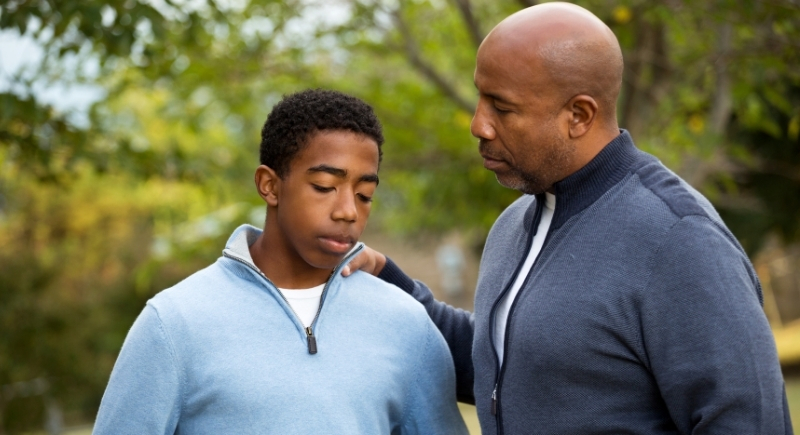
Image via Getty Images/digitalskillet
You can hear the tension in brief remarks.
“You never played outside like this.”
“We didn’t need all this stuff.”
“You turned out fine.”
That last statement suggests that less supervision builds resilience. Many Gen X adults view their independence as evidence that a lighter approach works. Millennials interpret it differently. They reference updated safety standards, stricter product regulations, and greater awareness of mental health and public safety risks. From their perspective, increased caution reflects better information. Each generation sees its approach as a necessary adjustment to what came before.
The Middle Ground Nobody Admits
Many Gen X parents do not want their grandchildren roaming unsupervised the way they did. They remember loneliness as much as freedom. They also remember wishing someone had shown up more often.
So the judgment actually consists of a mix of pride, fear, and a little envy. Pride in having survived a hands-off era, fear of raising anxious kids, and envy at how much closer modern parents seem to their children.
The truth is that independence without support can lead to harm, and supervision without space can lead to fragility. Most families are trying to balance both, even if they roll their eyes at each other in the process.