Americans Share the 10 Funniest Things Non-Americans Say About the US
Global pop culture spreads American habits worldwide, so people who have never been here often feel surprisingly confident about how Americans live. The country has more than 330 million people across 50 states, and everyday life looks very different depending on where you are.
Movies, streaming shows, fast food brands, and viral clips shape ideas about the U.S. long before someone ever visits. When those ideas meet real life, the mix-ups can be pretty funny, and Americans often swap stories about the bold assumptions people repeat with total confidence.
The Size Shock
Credit: Getty Images
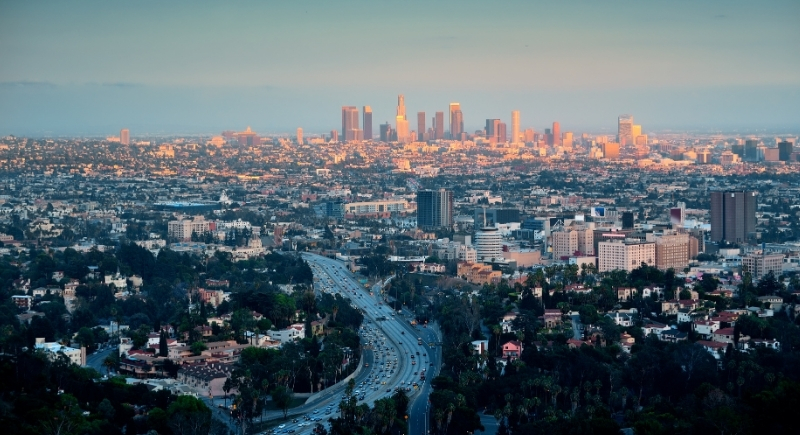
People hear about New York and Los Angeles in movies, then assume they sit next door to each other. The reality involves about 2,800 miles between coasts and flights lasting around six hours. Road trips stretch far longer. Swedish visitors regularly plan weekend loops hitting both cities. Maps explain the surprise, because many European countries fit within a single American state on classroom maps worldwide.
Ranch Dressing Reputation

Credit: Getty Images
Visitors often pause when they see how many bottles of ranch line American grocery shelves. Stores carry dozens of salad dressings, and ranch is usually one of the best sellers. Bottled brands helped it grow in popularity during the 1980s. In places like France, lighter vinaigrettes are more common, so ranch stands out. Some people even think Americans put it on pizza after seeing it in movies or hearing travel stories.
Peanut Butter Identity

Credit: Canva
The U.S. consumes hundreds of millions of pounds of peanut butter each year, a trend that dates back to the early 1900s and school lunch programs. This spread provides cheap protein and stores well without refrigeration. Sure, many countries sell peanut butter, but folks rarely build meals around it.
Gun Culture Assumptions

Credit: Getty Images
Visitors from abroad often ask Americans where they keep their guns, and some are surprised to hear that many people do not own any at all. The U.S. does have more civilian-owned firearms than people, which shapes global perception. Constant news coverage, action movies, and policy debates keep the topic visible worldwide, so questions about guns often come up quickly in conversations overseas.
All About the Cheerleader Reality

Credit: pexels
Millions of students join cheer programs in schools and competitions across the country. At football games, squads perform practiced routines on the sidelines. Movies like Bring It On helped shape how the world sees them. Because of that, some teens abroad honestly wonder if cheerleaders are real or just part of scripted scenes with perfectly timed music on TV.
Parking Lot Culture

Credit: pexels
Travelers from older cities photograph parking lots because the scale feels unreal compared with the dense European streets and transit systems they encounter daily. The U.S. has over 280 million registered vehicles, which shapes daily design. Suburban zoning often mandates large parking areas near stores, and shopping centers sometimes have more asphalt than retail space.
School Bus Surprise

Credit: Getty Images
Yellow became the standard color of school buses after safety research in the 1930s, and millions of students ride buses daily across the country. No wonder they spark genuine excitement among visitors, with federal rules controlling lighting and visibility. Tourists often smile when buses stop traffic because movies showed it first, but reality confirms it on suburban roads nationwide every weekday morning during school seasons.
Americans Are Loud

Credit: pexels
The average American speaking voice measures louder on decibel tests than conversational averages recorded in Japan and parts of Northern Europe. However, they usually don’t notice volume differences until traveling abroad. It might have to do with the U.S. culture’s emphasis on rewarding confidence and public speaking skills from an early age. Still, it’s funny how tourists from quieter cultures often assume Americans are arguing when they’re actually joking.
Say Hi to Celebrity Neighbors
Credit: pexels
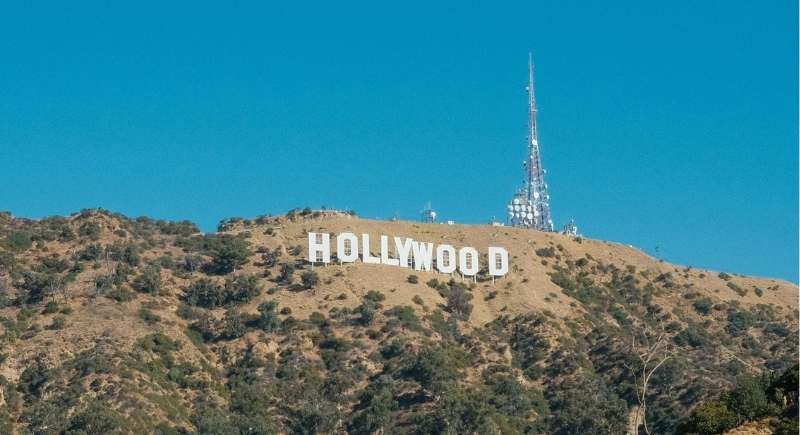
Hollywood makes billions around the world, so fame often becomes the main image people associate with the U.S. Some assume Americans casually live next door to movie stars or know them personally. Questions usually focus on addresses in New York or Los Angeles. When visitors see smaller cities or regular neighborhoods, it can surprise them since global media mostly highlights a few famous coastal spots.
Food And Healthcare System Jokes

Credit: Canva
Food jokes now mix diet with healthcare punchlines online, with viral jokes often linking American eating habits to expensive healthcare costs. After all, the U.S. spends more per person on healthcare than peer nations, while fast food chains operate tens of thousands of locations nationwide. It doesn’t make sense, as costs and calories are genuinely high, according to international spending data and annual reports from the international restaurant industry.