10 Fruit Facts You Probably Didn’t Know
The fruit section in most stores hides the science and logistics that go into each item. Temperature-controlled warehouses, plant cloning techniques, and chemical ripening rooms all influence what ends up in shopping carts. These facts show how agriculture, medicine, and global trade shape produce.
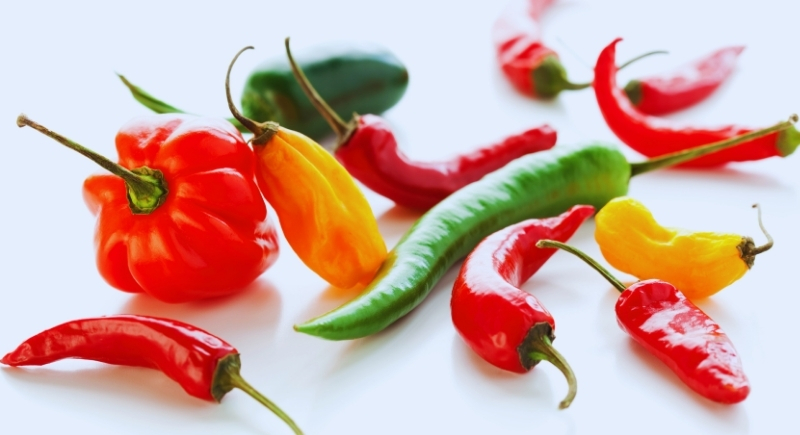
Peppers Are Technically Fruit
Credit: Canva
In large greenhouse pepper operations, plants grow from flowering vines that produce seed-filled pods, which is why botanists classify peppers as fruit. The vegetable label comes from cooking traditions that grouped savory plants together. From a plant reproduction perspective, peppers exist to protect and spread seeds through animals and environmental exposure.
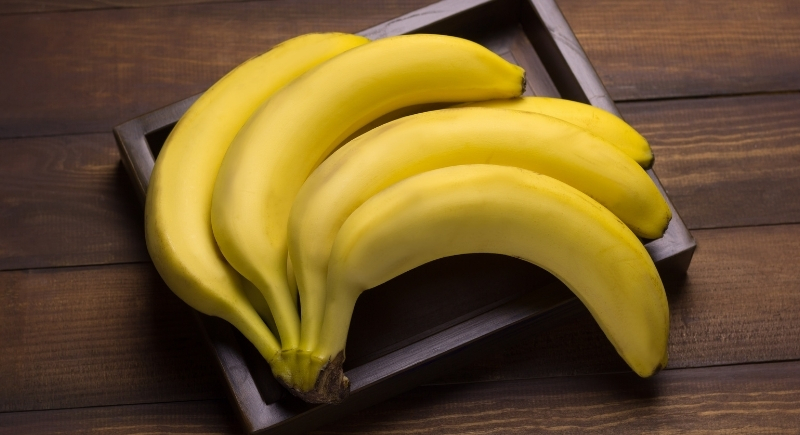
Bananas Qualify As True Berries
Credit: Getty Images
Across large export plantations in Central America and Southeast Asia, banana plants grow as cloned offshoots from a single parent plant. Scientific fruit categories are based on plant development, and botanically, bananas qualify as true berries because they develop from one flower ovary. Grapes and kiwis follow the same classification.
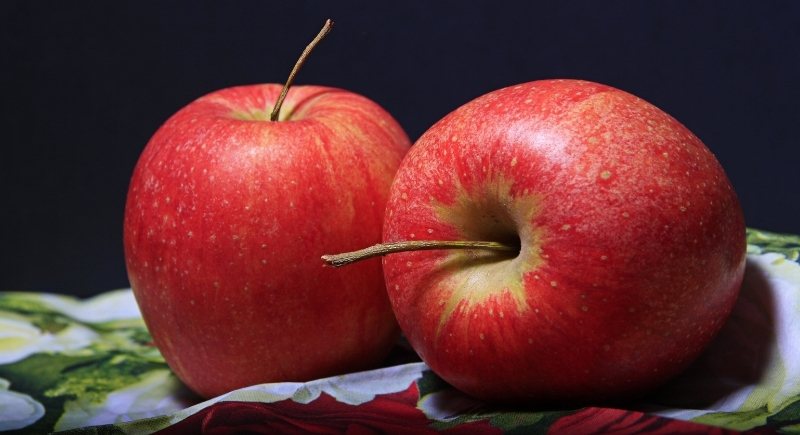
Your Apple Might Be Months Old
Credit: pixabay
After the fall harvest, apples often move into controlled-atmosphere warehouses where oxygen levels drop, and the temperature stays just above freezing. These storage systems slow natural ripening for months. Many apples sold during the summer were harvested the previous year. This technology enables a year-round supply even though the apple harvest occurs only once a year.
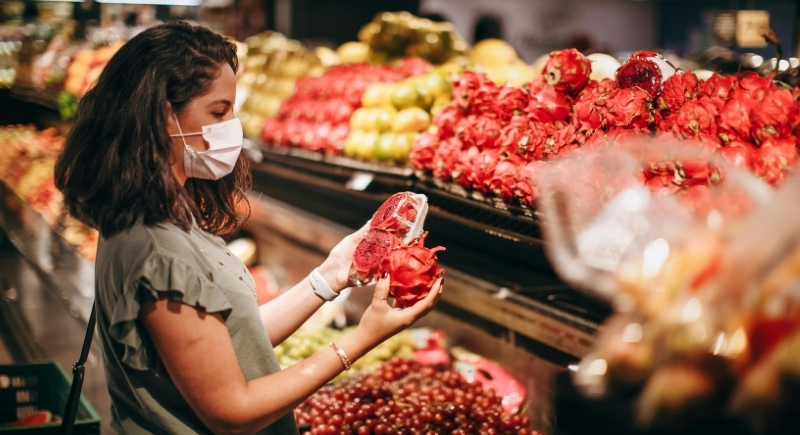
Many Grocery Fruits Are Cloned
Credit: pexels
Commercial orchards often plant grafted trees rather than growing fruit from seed. Farmers attach cuttings from proven fruit-producing trees onto rootstock chosen for disease resistance and climate tolerance. This guarantees consistent flavor and appearance. Seedless fruits depend entirely on cloning because they cannot reproduce naturally through seeds.
Grapefruit Can Affect Medications
Credit: Getty Images
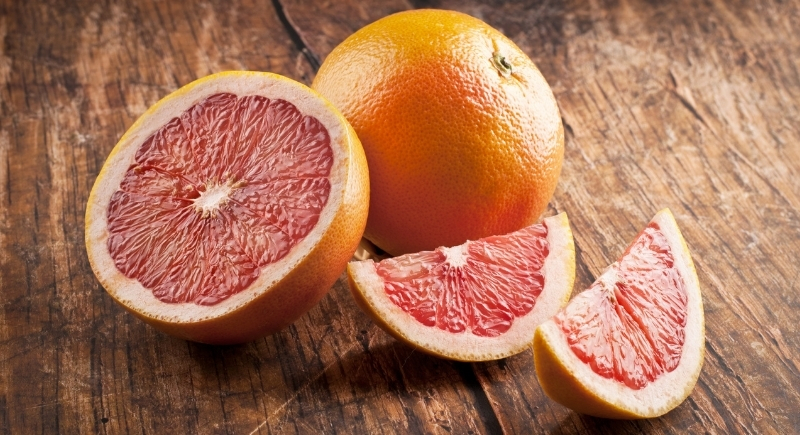
Doctors first identified grapefruit interactions during clinical drug trials, when some patients showed unexpectedly high medication levels. Grapefruit contains compounds that inhibit the CYP3A4 enzyme in the small intestine. This enzyme normally helps break down many medications. When it is blocked, drugs can remain active longer and reach higher concentrations in the bloodstream.
Cranberries Grow On Dry Land
Credit: Getty Images
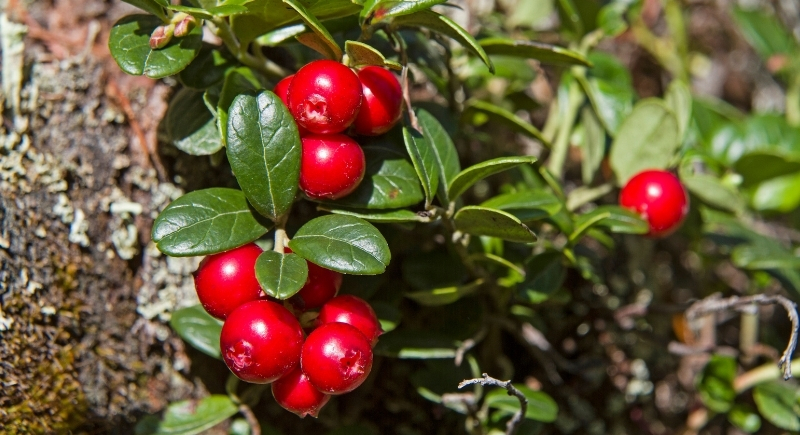
Most cranberry harvest photos show flooded fields, but outside harvest season, the same farms look like low-vine fields, similar to strawberry rows. Growers time flooding to loosen berries without damaging vines. Sorting facilities then use bounce tests to quickly separate underdeveloped fruit before processing or packaging.
The Main Banana Variety Faces Disease Risk
Credit: Getty Images
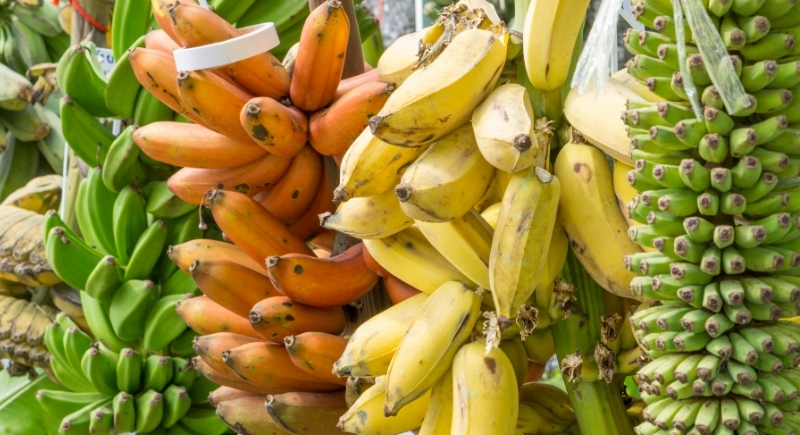
We talked about how bananas are grown from identical plant lines, but modern supply chains now depend heavily on fungicide schedules and soil monitoring to keep plantations productive. Once Tropical Race Four appears in the soil, farms often abandon entire fields. Some exporters are already testing replacement banana varieties to assess their future commercial viability.
Luxury Fruit Can Cost Thousands

Credit: iStockphoto
Unlike standard supermarket fruit, Japanese luxury fruit markets operate like jewelry or watch markets. Buyers often purchase fruit for corporate gifting, weddings, or seasonal presentations. Auction prices reflect rarity, perfection standards, and regional prestige, and some growers track individual fruits during development to meet presentation expectations tied to gifting culture.
Bananas Are Artificially Ripened After Shipping
Credit: pexels
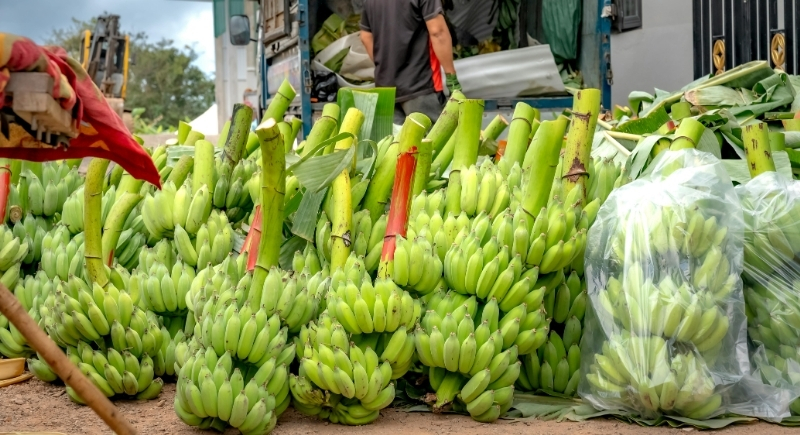
Inside large produce distribution hubs, pallets of green bananas often wait in staging zones until regional stores request restocks. Ripening rooms activate only when shipment timing aligns with store demand. Managers coordinate deliveries with trucking schedules and shelf turnover targets so stores receive bananas ready to sell within one to two days.
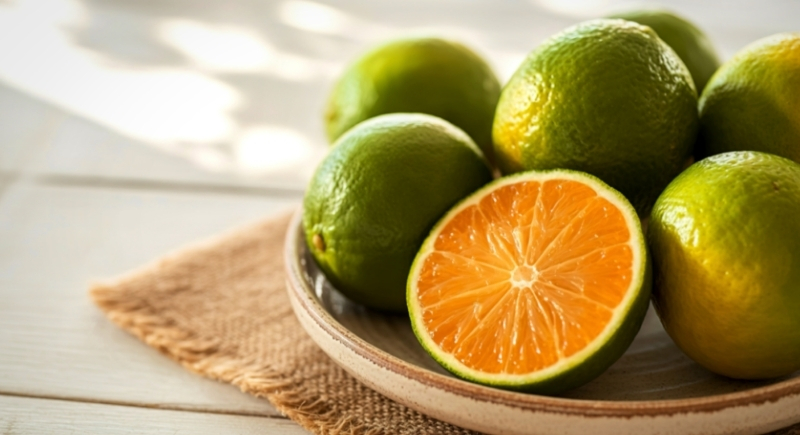
Oranges Are Not Always Orange
Credit: Canva
In equatorial citrus regions like parts of Brazil and Southeast Asia, fully ripe oranges can still look green when harvested. U.S.-bound shipments often pass through post-harvest degreening rooms where controlled ethylene exposure shifts peel color for retail expectations. The process only affects the outer appearance, since sugar levels and internal ripeness develop naturally on the tree.