10 Technology Flops We All Forgot About
Tech failures don’t usually look like disasters at first because many of them arrive polished, well-funded, and widely discussed. However, the gap between what designers envision and how people actually live can be substantial. These 10 forgotten products fell apart in very different, very ordinary ways.
Google Glass
Credit: Wikipedia
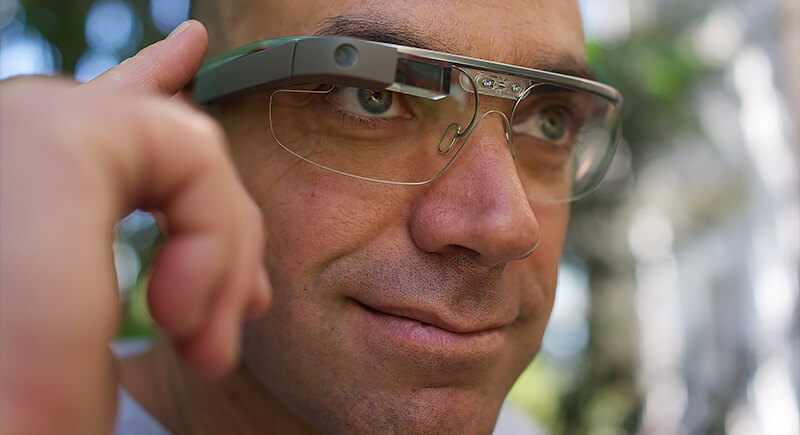
Walking into a bar while wearing Google Glass was often enough to start a conversation nobody wanted. The device drew attention in ways phones never had and raised privacy concerns before most people even understood what it could do. By the time Google stepped back from consumer sales, public discomfort had already defined the product’s fate.
BlackBerry
Credit: Wikimedia Commons
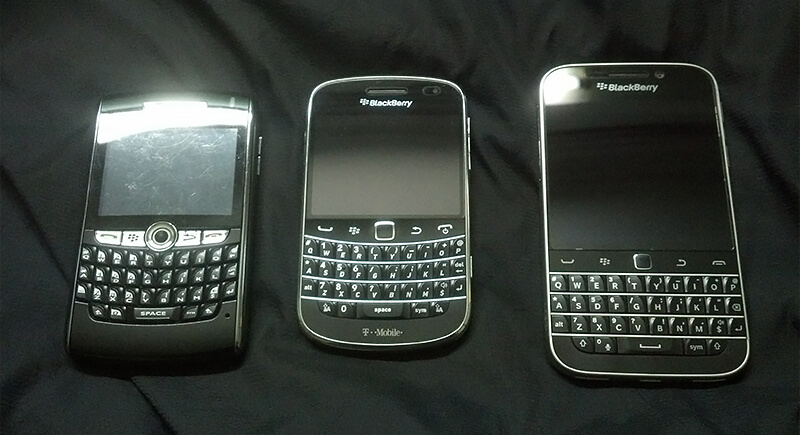
By 2011, BlackBerry was still selling approximately 50 million phones per year, primarily to business customers. At the same time, consumers were already moving on. App stores reshaped how people used their phones, and BlackBerry never fully caught up. Instead of collapsing suddenly, the company’s downfall occurred while it still appeared successful on paper.
Palm Pilot
Credit: Wikimedia Commons
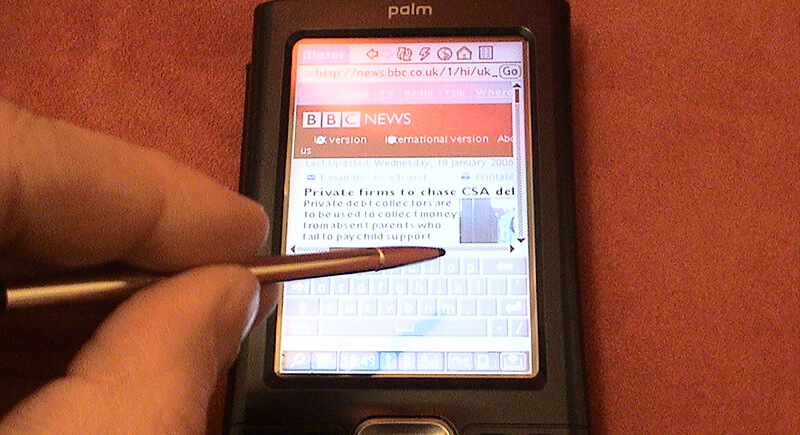
Before smartphones became normal, Palm Pilots handled calendars, notes, and contacts for millions of users. The problem arose when phones began performing the same tasks without requiring a second device. Palm cycled through owners and strategies as that shift happened. The product didn’t disappear overnight, but its purpose did.
Betamax

Credit: Wikimedia Commons
In the late 1970s, choosing a home video format often came down to a simple question at the rental counter: Could the tape hold an entire movie? VHS could, while Betamax usually could not. That practical detail shaped store inventory and customer habits. Even with Sony’s backing, Betamax never recovered once shelf space disappeared.
GM EV-1

Credit: Wikimedia Commons
The EV-1 was never sold outright, as General Motors structured the program as a closed lease because the cars were expensive to produce. When those fixed lease terms expired in the early 2000s, GM chose not to renew them. The company recalled the vehicles and declined purchase requests. Most were crushed, even as drivers protested publicly.
Sega Dreamcast
Credit: Wikimedia Commons
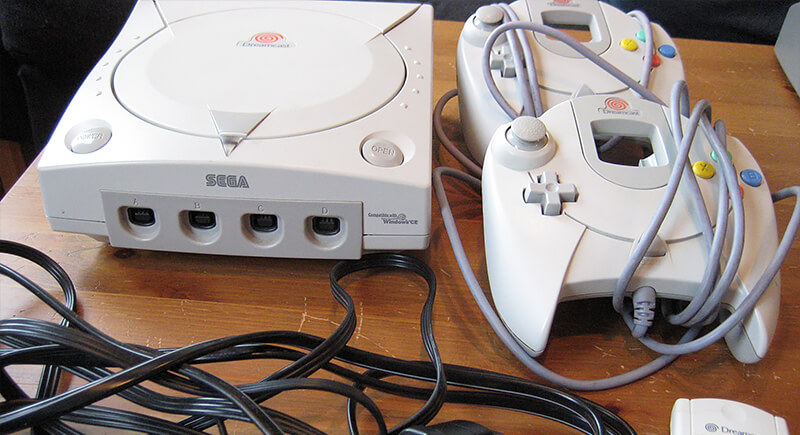
Sega stopped making consoles in 2001, and the Dreamcast became the last one it ever released. That decision had less to do with the system itself and more to do with the cost of staying competitive. Hardware margins shrank, and Sony’s momentum absorbed attention before loyalty could form.
MySpace
Credit: Reddit
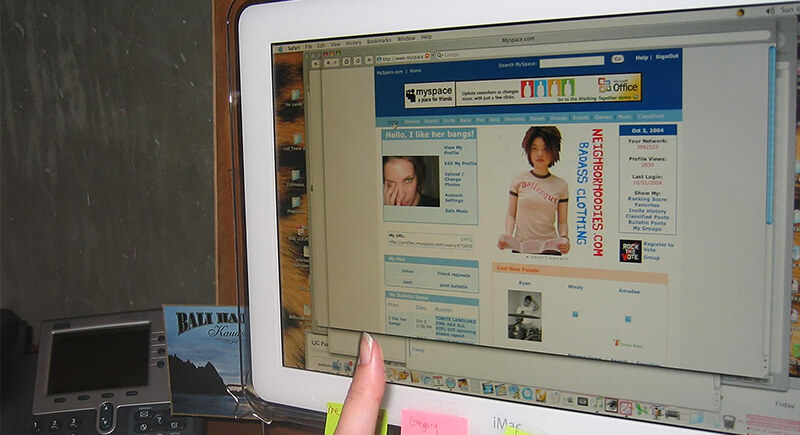
Around 2006, visiting MySpace meant waiting for pages to load while music auto-played and layouts fought for attention. The customization was wild, but performance suffered when spam spread faster than moderation tools could keep up. When Facebook offered cleaner profiles and simpler feeds, users left. The platform never recovered its cultural footing.
Pebble
Credit: Wikimedia Commons
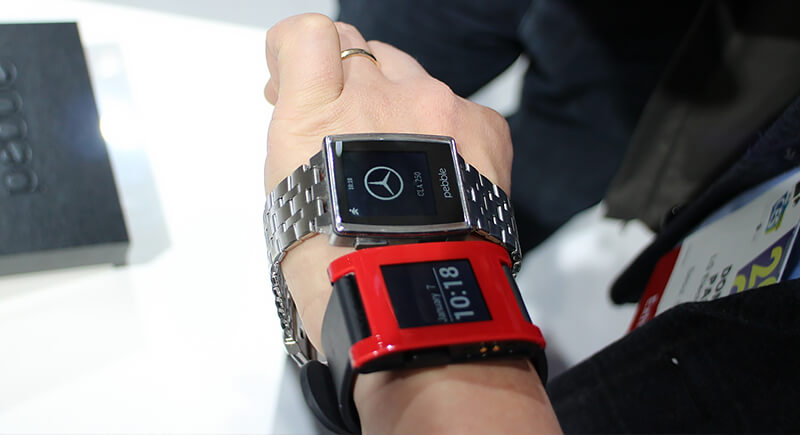
Before major tech companies took wearables seriously, Pebble had already attracted developers to build for its platform. The watches fit neatly into daily routines, but the broader ecosystem never arrived. App support stayed narrow, and retail presence stayed limited. When larger players entered the category, Pebble got crowded out of relevance.
Windows 8

Credit: Wikipedia
The first thing many desktop users noticed in 2012 was the absence of the Start button. Microsoft redesigned Windows 8 around touch gestures that made sense on tablets but confused users who primarily used mice and keyboards. Businesses hesitated to upgrade because retraining employees added cost and friction, and adoption slowed until the company reversed course with a more familiar design.
TiVo
Credit: Wikimedia Commons
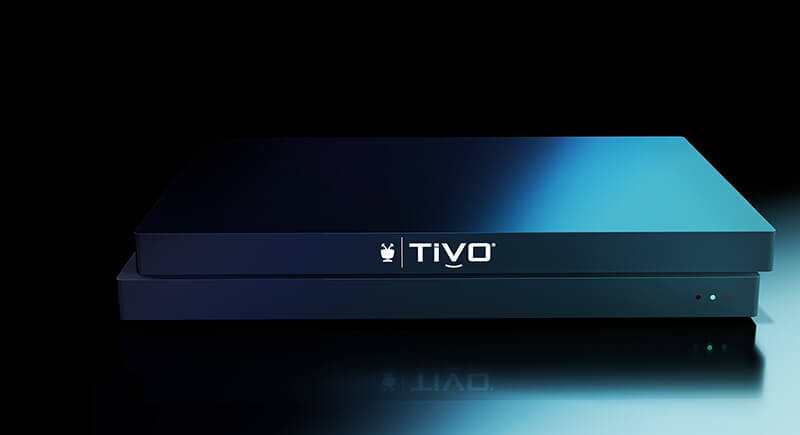
Pausing live television became normal so quickly that most viewers stopped noticing who introduced it. Cable boxes adopted the same functions, and streaming platforms went further by removing schedules altogether. TiVo continued to operate behind the scenes, licensing technology and defending its patents, while its brand faded from living rooms as habits changed around it.