9 Foods That Are Surprisingly Radioactive
Radioactivity can show up in food in everyday, natural ways. It comes from soil, plant roots, animal biology, and even the basic chemistry that keeps cells functioning. The amounts are very small and harmless, but the reasons behind them are often unexpected. These nine foods stand out not for one shared cause, but for the different paths radioactivity takes to reach them.
Brazil Nuts
Credit: Getty Images
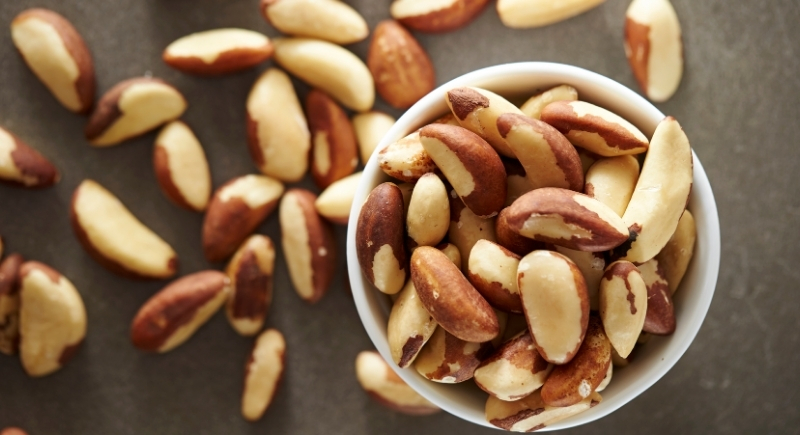
Brazil nut trees grow roots far deeper than most plants. Those roots reach soil layers that contain radium, which the tree absorbs as it grows. Small amounts of that radium end up in the nuts, making Brazil nuts one of the most naturally radioactive foods people eat.
Bananas
Credit: Canva
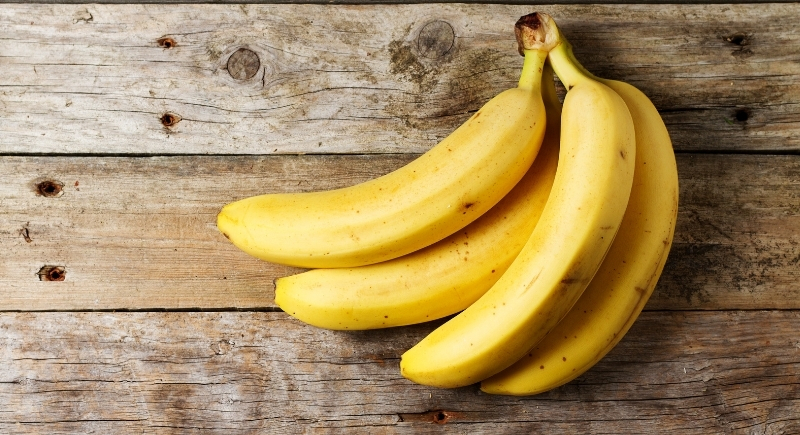
Bananas earned their radioactive reputation during transport. Large shipments regularly trigger radiation sensors at ports because potassium-rich cargo stands out on detection equipment, and investigations traced the alerts to the fruit itself. The pattern became so reliable that scientists coined the “banana equivalent dose” to explain low-level exposure in practical terms.
Potatoes
Credit: Canva
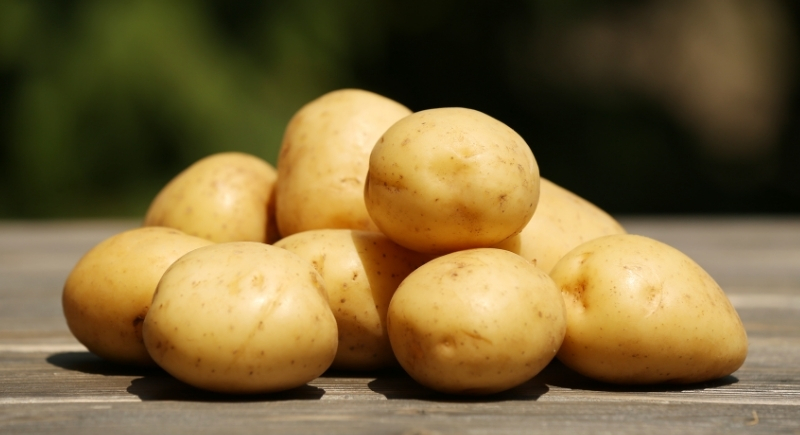
Potatoes grow entirely underground, so the part people eat stays in direct contact with soil the whole time. Minerals present in that soil, including naturally radioactive potassium, get absorbed as the potato develops. By the time it reaches the kitchen, its radioactivity reflects the ground it was grown in.
Red Meat
Credit: Getty Images
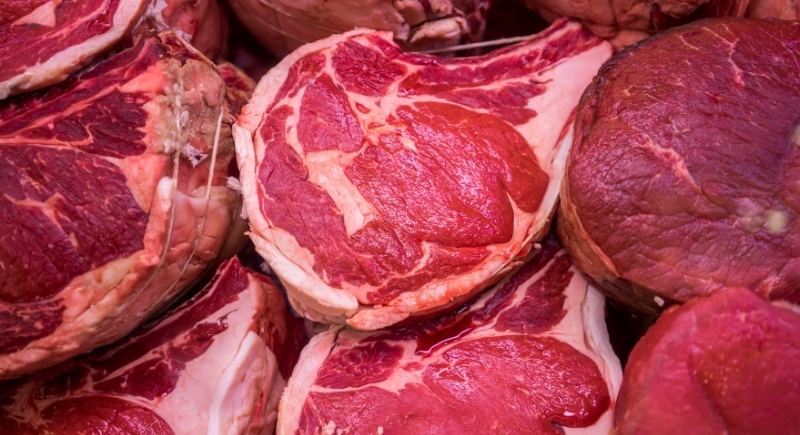
Animals’ tissues rely on potassium to function, and a small portion of that potassium is naturally radioactive. When animals grow muscle, they retain it. Beef, pork, and lamb reflect normal cellular chemistry, independent of environmental contamination or farming practices.
Carrots
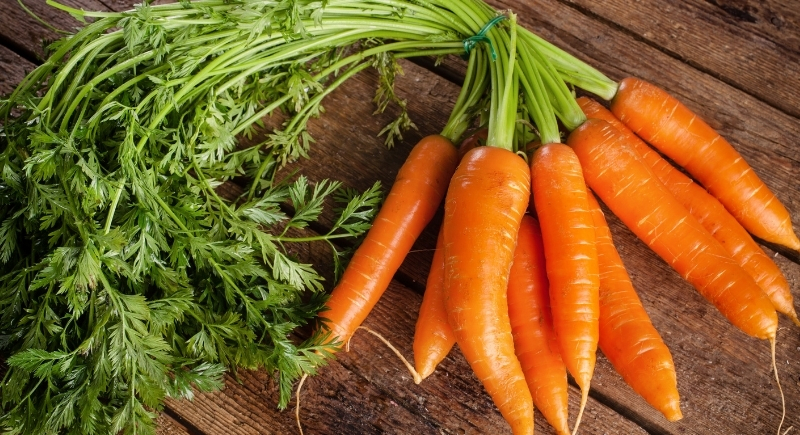
Credit: Getty Images
Carrots grow slowly underground and absorb minerals from the soil along their full length. Tiny amounts of naturally occurring radioactive isotopes enter the root during this process. The level depends on the soil and the length of the growing period, not on anything that happens after harvest.
Avocados
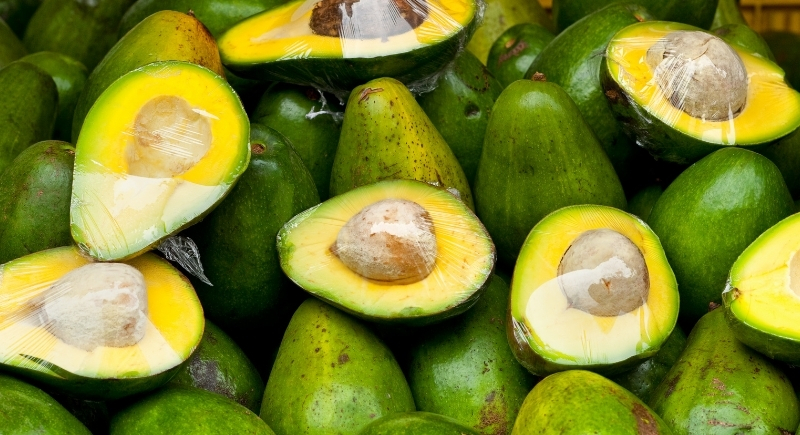
Credit: Getty Images
Nutrition labels make the numbers look dramatic because a single serving often means the whole fruit. Avocados pack a lot of potassium into one sitting, which is where the trace radioactivity comes from. However, the amount stays modest because people rarely eat them in large quantities.
Butter Beans
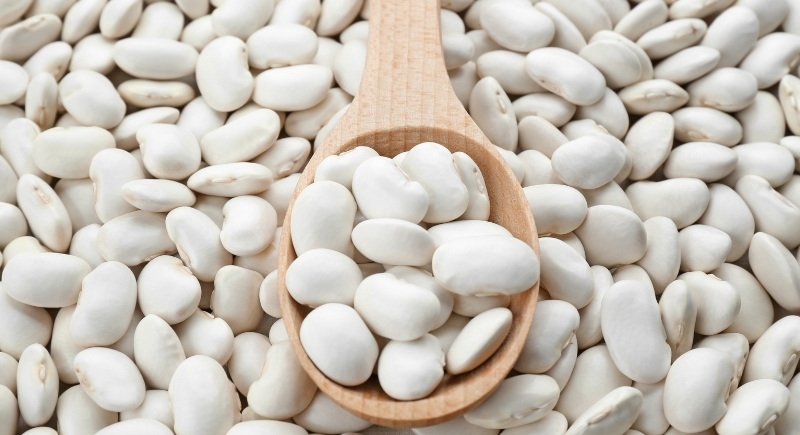
Credit: Canva
Protein is not the only thing labs detect in butter beans. As the plant grows, it absorbs potassium from the soil, and a small portion of that potassium is radioactive potassium-40. Trace amounts of radium are present as well. The resulting radioactivity is built into the bean and remains unchanged by cooking or preparation.
Beer

Credit: Getty Images
Brewers rarely think about radiation, but barley absorbs potassium from the soil as it grows. A small portion of that potassium is radioactive and remains throughout malting, fermentation, and filtration. The result is consistent across lagers, ales, and stouts. What stands out is how closely the brewing process preserves that trace from field to pint.
Drinking Water

Credit: Getty Images
Radioactivity in a glass of water depends more on geography than on treatment plants. Groundwater passing through certain rock formations carries trace radium, which utilities monitor constantly. That’s why levels differ town to town. The testing is routine, the standards are strict, and the variation tells a story about local geology.
Peanut Butter

Credit: Canva
Lab measurements make peanut butter look more radioactive than it feels in daily life. Peanuts grow close to mineral-rich soil, and traces of these minerals carry through processing. But nobody eats peanut butter by the kilogram. Once you factor in spoonful-sized servings, the numbers shrink fast, leaving curiosity as the main takeaway rather than exposure.