10 Movies That Were Box Office Flops But Are Now Classics
Movies that earn standing ovations today didn’t always arrive to applause. Some stumbled out of the gate with bad timing or skeptical critics. Yet over the years, TV reruns, word of mouth, and cult followings have breathed new life into these titles. Here are 10 films that flopped when they premiered but slowly found their way into movie history, for all the right reasons.
The Iron Giant
Credit: IMDb
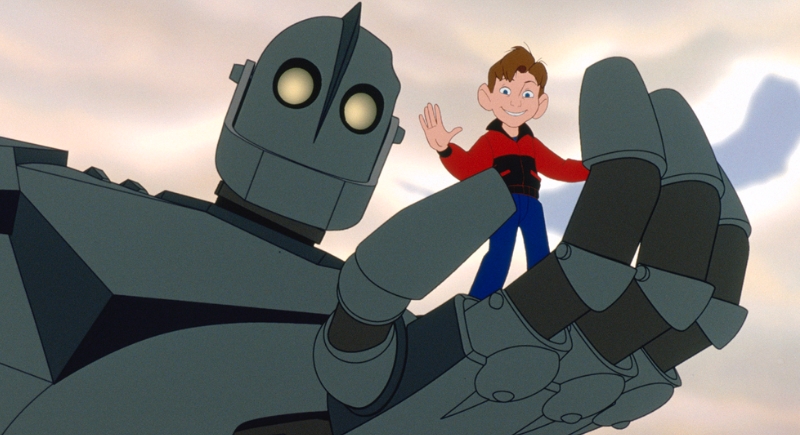
Released in 1999, The Iron Giant had the heart but not the push. Warner Bros. gave it a weak marketing campaign during a packed year for animation. Competing against Tarzan and Toy Story 2 didn’t help either. After a quiet box office run, it gained traction through home video and TV airings.
Fight Club
Credit: IMDb
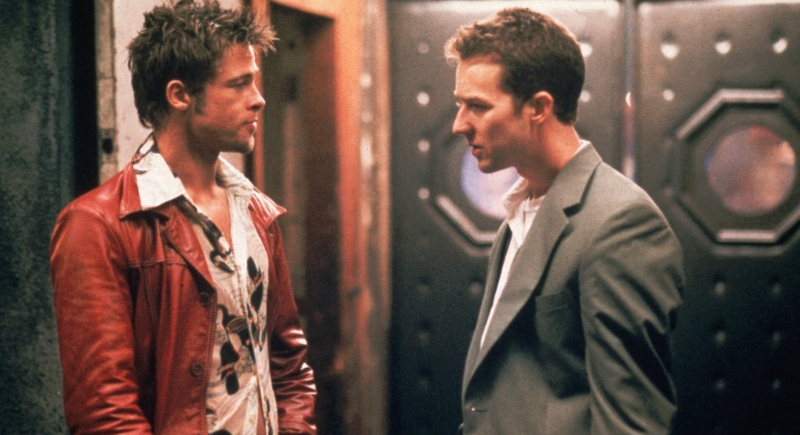
Theatrical audiences weren’t quite ready to buy what Fight Club was selling. It opened to confusion and a marketing campaign that relied more on visuals than on a clear message. On DVD, though, everything changed. Viewers dug into the extras, decoded its narrative, and started quoting lines.
The Thing
Credit: IMDb
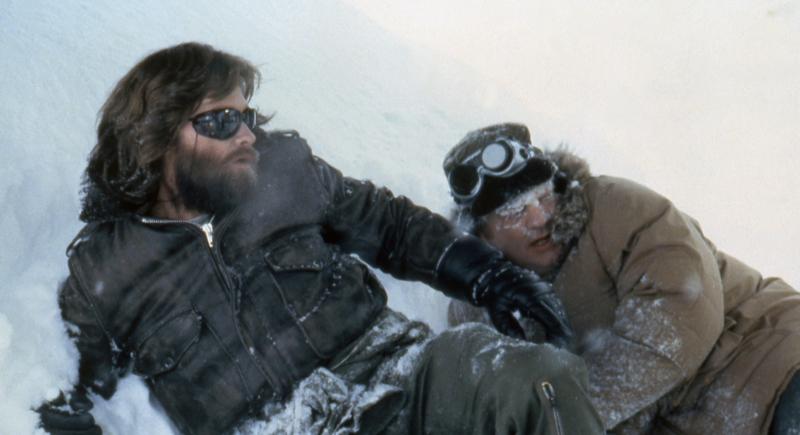
John Carpenter’s The Thing opened the same summer as E.T., and there was little room left for frozen isolation and body horror. Critics called it excessive, and families stayed away. The film found a second wind through video rentals and horror fan communities, which championed its practical effects and sense of dread.
Scott Pilgrim vs. the World
Credit: IMDb
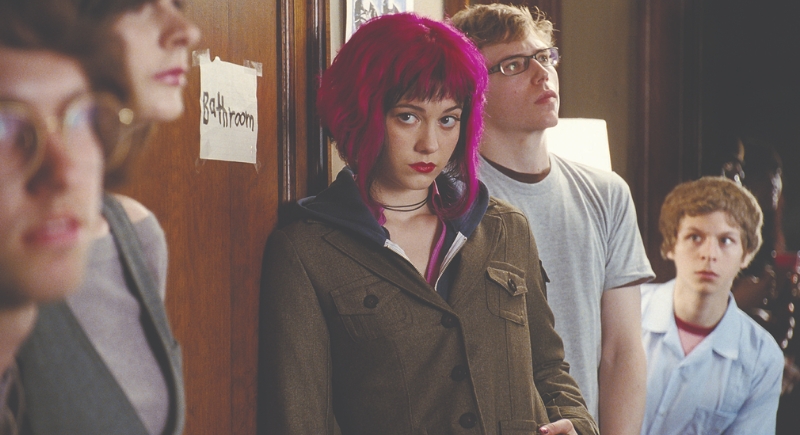
Studio execs might have struggled to describe Scott Pilgrim vs. the World without sounding like they were pitching a fever dream. Gaming visuals, musical numbers, and villains based on past relationships? Theatrical audiences were confused. Once it hit home media, it became a comfort watch for a niche crowd.
The Wizard Of Oz
Credit: IMDb
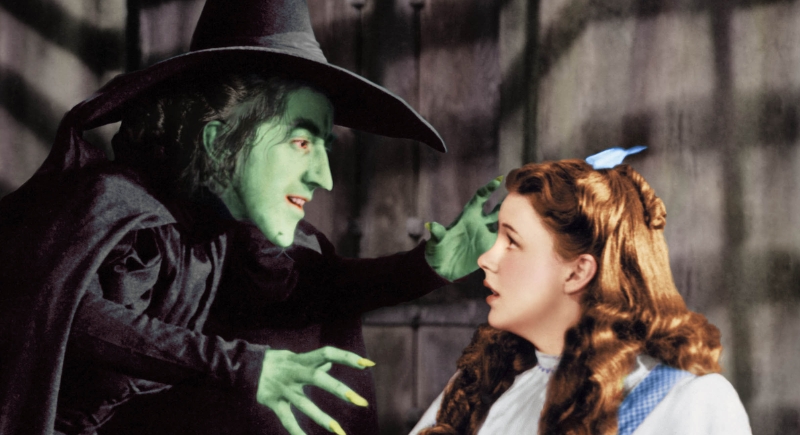
Back in 1939, The Wizard of Oz underperformed, in part because it was wildly expensive for its time. It didn’t help that Gone with the Wind debuted the same year. The turning point came when CBS acquired the TV rights and began airing it every holiday season.
Heathers
Credit: IMDb
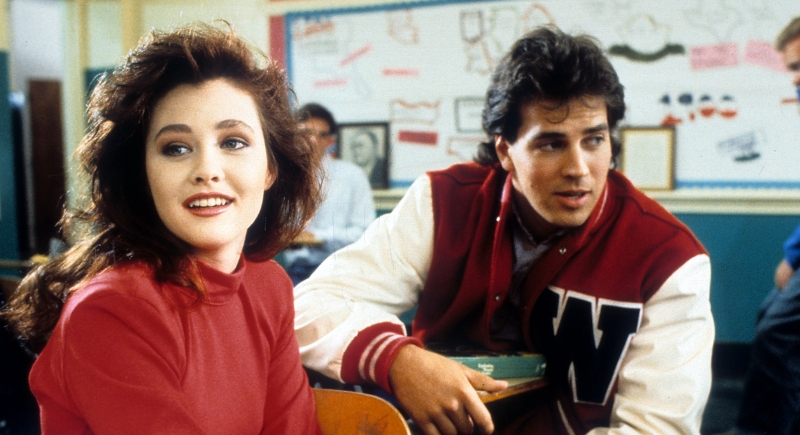
Heathers clashed with the teen movie trends of the time. Its pitch-black humor and stylized dialogue didn’t fit the mold of Ferris Bueller or Sixteen Candles. It played poorly in wide release. Over time, its biting tone became influential and paved the way for later teen dark comedies, such as Mean Girls.
Citizen Kane
Credit: IMDb
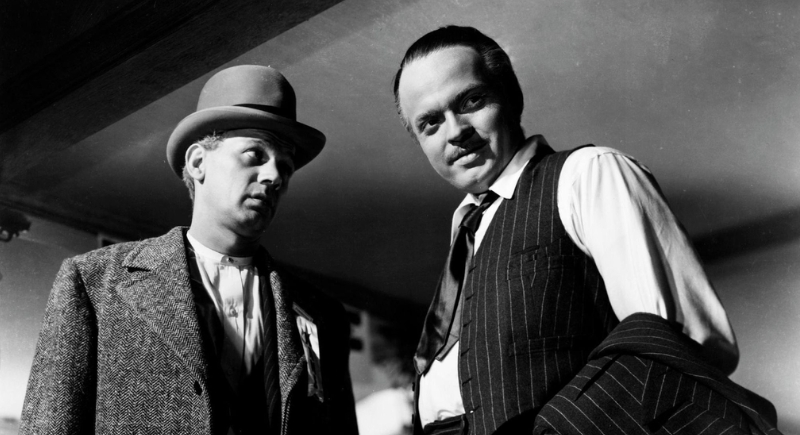
Often called the greatest film ever made, Citizen Kane barely made a dent at the box office in 1941. Newspaper magnate William Randolph Hearst, who believed the movie was based on him, blocked coverage and advertisements. That suppression hurt its release. It wasn’t until reappraisals in the 1950s and ’60s that the film gained full recognition.
Donnie Darko
Credit: IMDb
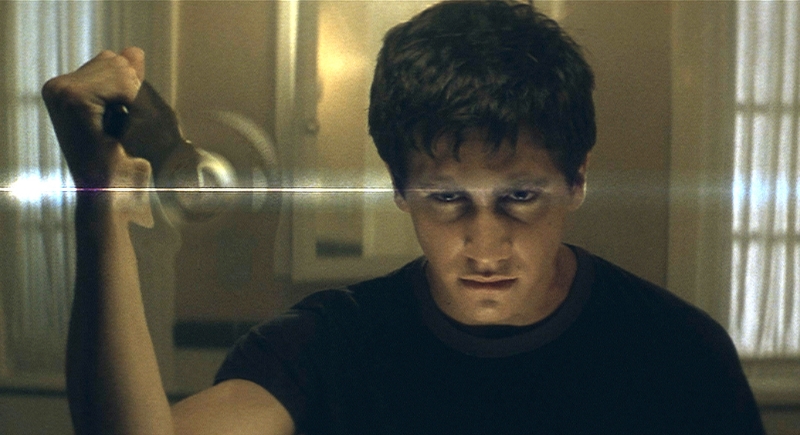
Donnie Darko debuted right after 9/11 with a story involving a plane crash. It barely broke even, returning $6 million of its $6 million budget. Midnight screenings and online forums slowly built its reputation. By the mid-2000s, it had become a cult favorite, with fan theories and director’s cuts.
The Shawshank Redemption
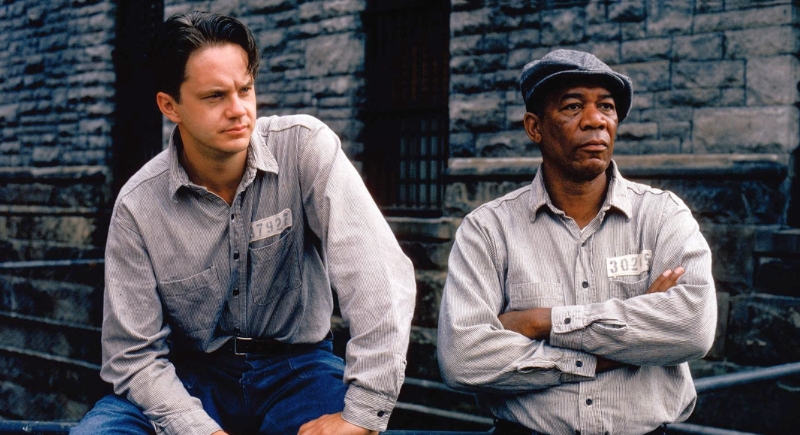
Credit: IMDb
Great reviews didn’t help The Shawshank Redemption when it dropped in 1994. Its title didn’t exactly scream blockbuster, and its slow-burning story got buried under louder releases like Pulp Fiction and Forrest Gump. The movie’s real success came on cable, especially on TNT, where reruns made it unavoidable.
Office Space
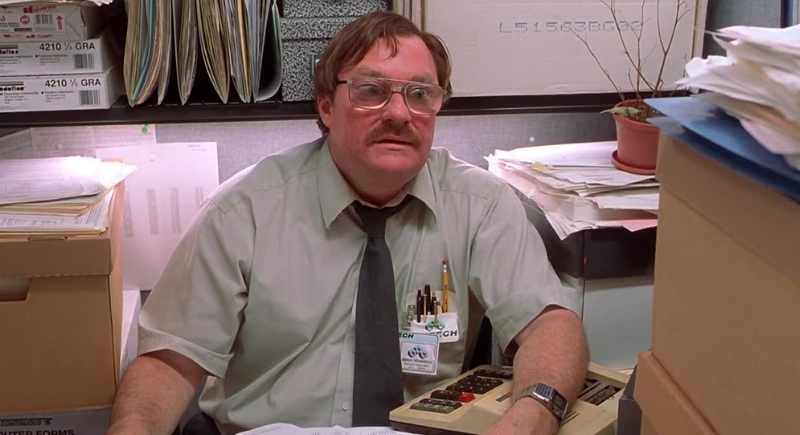
Credit: IMDb
Mike Judge’s Office Space made just over $12 million during its theatrical run, but it struck a chord with anyone who’d ever hated a fax machine. Marketing didn’t explain its appeal, but home video did. Lines about staplers and flair became office inside jokes. Years later, it’s a must-watch for anyone slogging through corporate life.