10 Ways We Found New Music Before Algorithms Told Us What to Listen To
Before playlists refreshed themselves overnight and recommendations arrived without effort, finding new music took a bit more curiosity. People followed instincts and small clues scattered across everyday life. It could take time, and that was part of the appeal. The discovery felt earned. These familiar methods shaped how listeners built their tastes long before platforms began predicting them.
Digging Through Record Store Bins
Credit: pexels
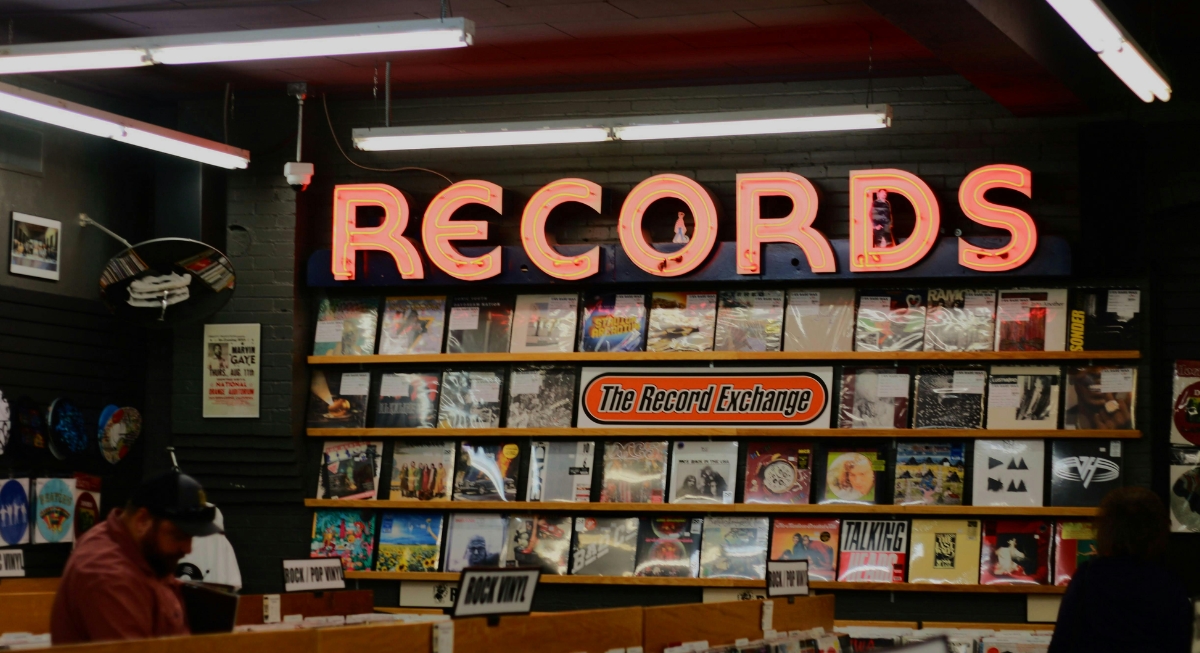
Record stores worked like informal classrooms for music fans. Browsing shelves meant scanning cover art, reading liner notes, and taking chances on unfamiliar names. Staff picks often reflected real enthusiasm. Many shops organized albums by genre and region, which encouraged exploration.
Listening To The Radio At The Right Time

Credit: pixelshot
Radio gave certain moments a lasting imprint. Late-night shows leaned toward deeper cuts and lesser-known artists. DJs shaped taste by mixing mainstream tracks with personal picks. Timing mattered, since missing a song often meant waiting hours or even days before hearing it again.
Trading Mixtapes With Friends
Credit: Getty Images
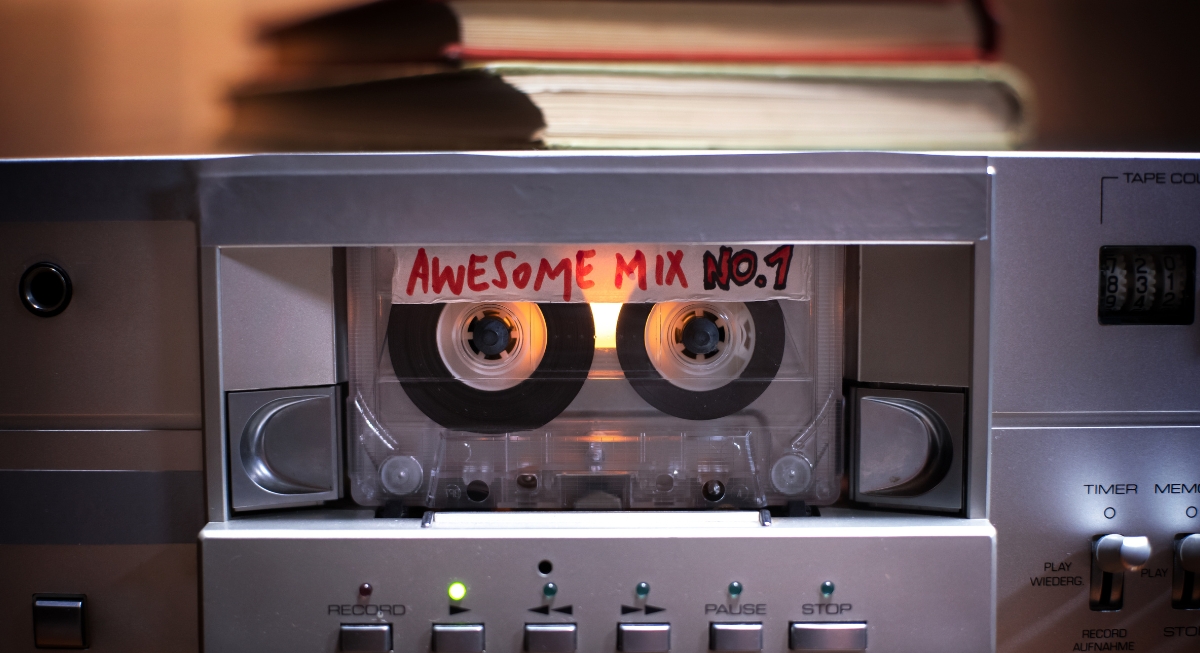
Mixtapes carried a level of intention that playlists rarely match today. Friends recorded songs in a deliberate order, often trying to match moods or tell a loose story. The process took time, which made the exchange feel meaningful. Handwritten tracklists added personality. A single tape could introduce entire genres.
Reading Music Magazines And Reviews

Credit: iStockphoto
Publications like Rolling Stone or NME featured interviews, album reviews, and curated lists that introduced artists beyond radio rotation. Writers provided context that helped readers understand where a band fit within a larger scene. Readers often sought out albums based on a single compelling review, trusting the voice behind the recommendation.
Watching Music Television Channels

Credit: Wikimedia Commons
Channels like MTV and VH1 turned music discovery into a visual experience. Viewers encountered artists through music videos and themed programming blocks. A late-night video premiere could spark interest in a band that had little radio presence. Even casual viewing sessions often led to unexpected finds that stayed in rotation.
Exploring Album Credits And Contributors
Credit: Wikimedia Commons
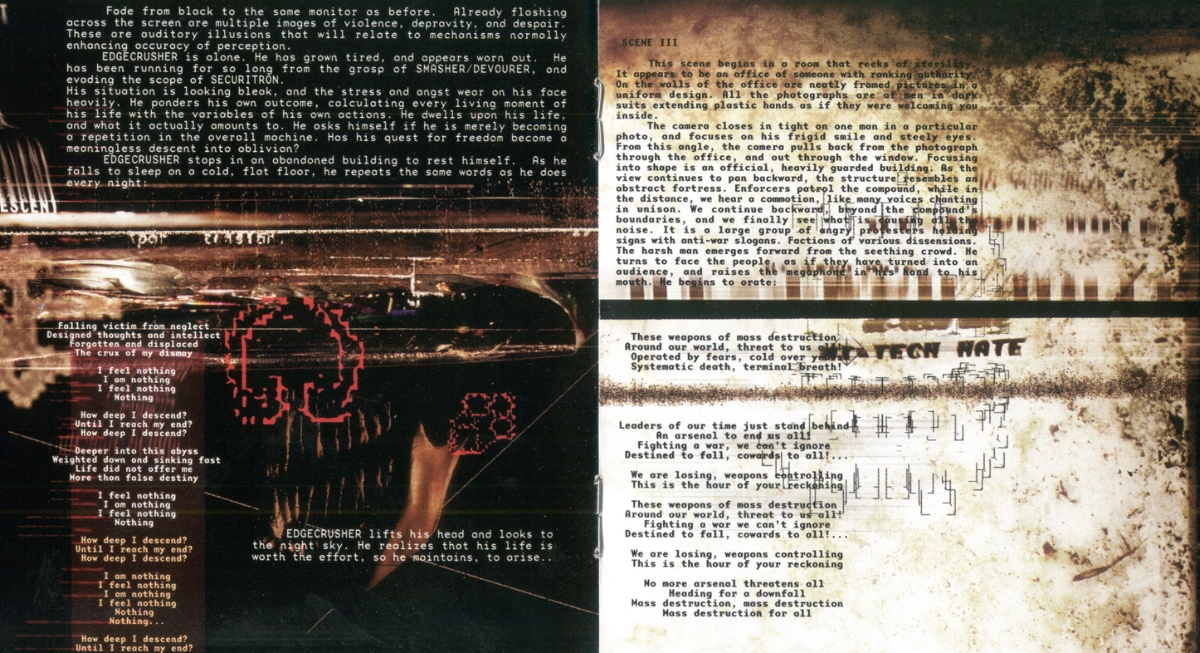
Album booklets listed producers and guest musicians who connected different artists across genres. Fans began to recognize recurring names and followed their work across multiple records. Seeing a familiar producer credit could lead someone to try an album outside their usual taste.
Borrowing Music From Libraries

Credit: pexels
Public libraries offered access to music collections that many people could not afford to build on their own. Borrowing CDs allowed listeners to sample entire albums. Library catalogs often included genres and recommendations that encouraged exploration. This setting removed the pressure to like everything immediately.
Attending Live Shows Without Knowing The Lineup
Credit: Wikimedia Commons
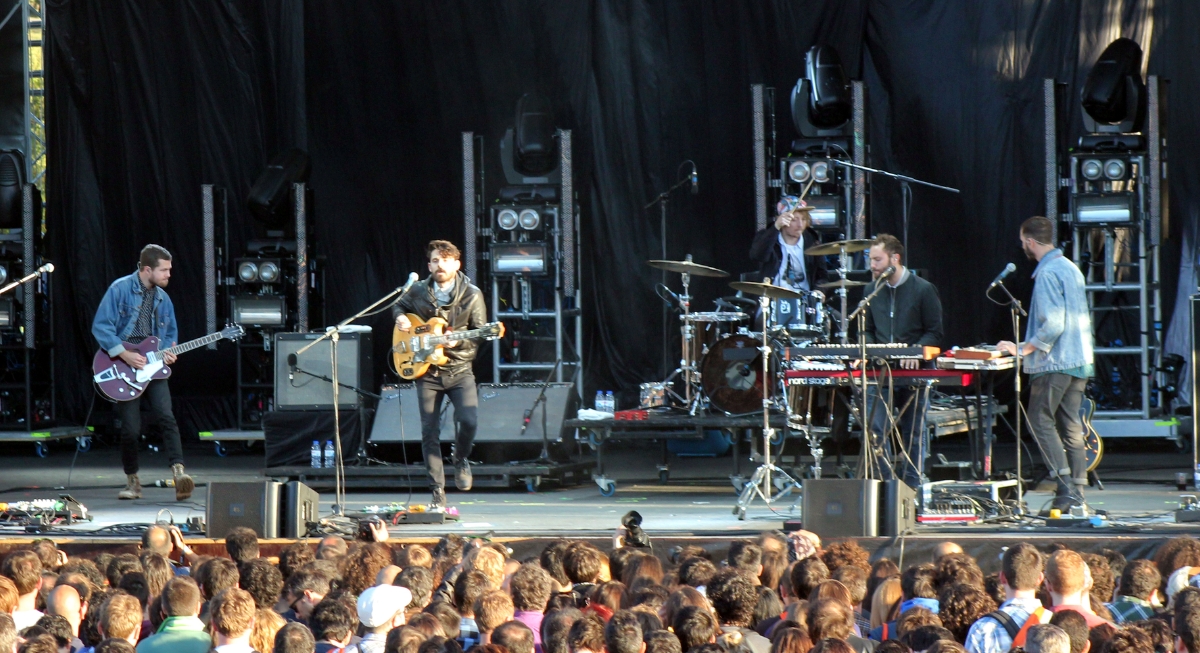
Local venues introduced audiences to artists they had never heard of before. Opening acts often played to small crowds but left strong impressions. Ticket prices for smaller gigs made experimentation easier. Walking into a show without expectations sometimes led to discovering a new favorite band in a single evening.
Following Word Of Mouth And Personal Recommendations

Credit: iStockphoto
Casual conversations were surprisingly influential. A friend mentioning a band during a car ride or sharing a burned CD often sparked interest. Recommendations felt more personal because they came with context. People explained why a song mattered to them, which added meaning.
Exploring Music From Other Countries
Credit: Wikimedia Commons
Curiosity about international music often began with small entry points. Record stores and specialty radio shows sometimes highlighted global genres. Language barriers rarely stopped listeners.