Fantastic Four Villains Fans Want to See in the MCU
The Fantastic Four have one of the most unusual villain rosters in Marvel Comics. The team operates at the crossroads of street-level science and large-scale cosmic threats, which gives their enemies a wider range than almost any other superhero group.
As the Marvel Cinematic Universe pushes further into space, the multiverse, and legacy characters, fans continue to debate which classic Fantastic Four villains are best suited for a long-overdue modern live-action debut.
Annihilus
Credit: Marvel Database – Fandom
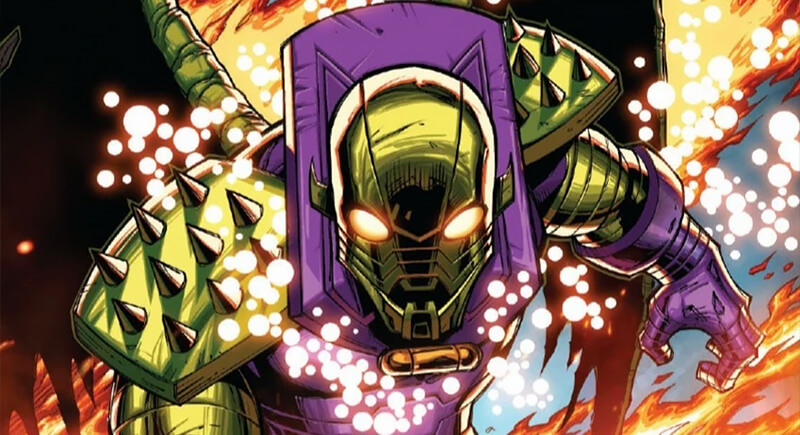
Long before Marvel cosmic stories filled movie theaters, Annihilus already ruled an entire hostile universe. Introduced in 1968, he controls the Negative Zone through fear and pure survival instinct. The character became central to the massive Annihilation comic event that reshaped Marvel’s space characters. His obsession with staying alive makes him dangerous,
Puppet Master
Credit: Youtube
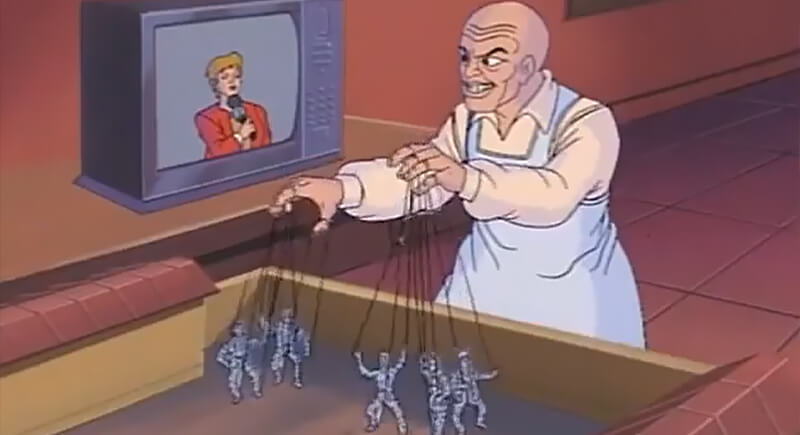
Unlike most Fantastic Four enemies, Puppet Master does not need armies or world-ending weapons. His danger comes from control. Using radioactive clay figures, he can manipulate people like living dolls. His connection to Alicia Masters and the Thing adds emotional tension to the stories.
Psycho-Man
Credit: IMDb
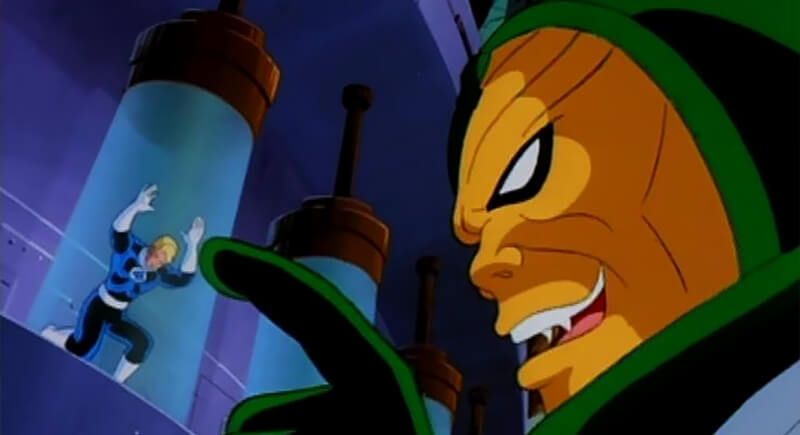
Psycho-Man attacks how heroes feel, not just how they fight. Using emotion-control technology tied to the Microverse, he can trigger fear, rage, or despair instantly. In comics, this often breaks teams from the inside. That psychological angle could yield very different superhero scenes than standard physical battles.
Molecule Man
Credit: Marvel
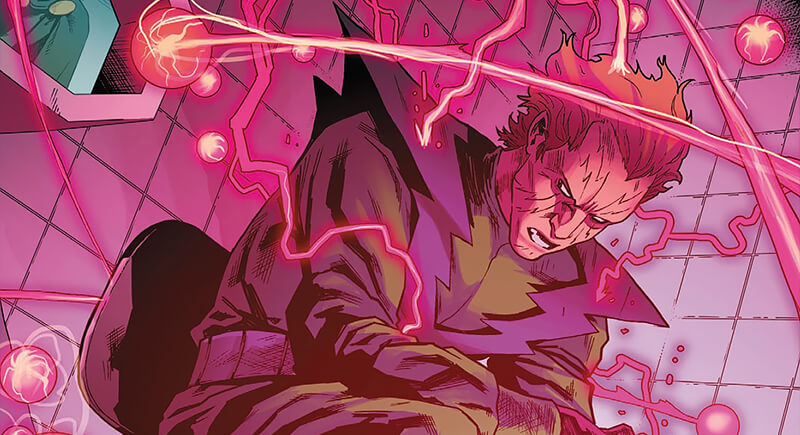
Owen Reece started as an insecure lab worker before gaining nearly unlimited control over matter itself. Later stories revealed he could affect entire realities. What makes him interesting is how uncomfortable he feels with that level of power. Some versions show him wanting isolation instead of domination, which creates tension around whether he is a threat or a victim.
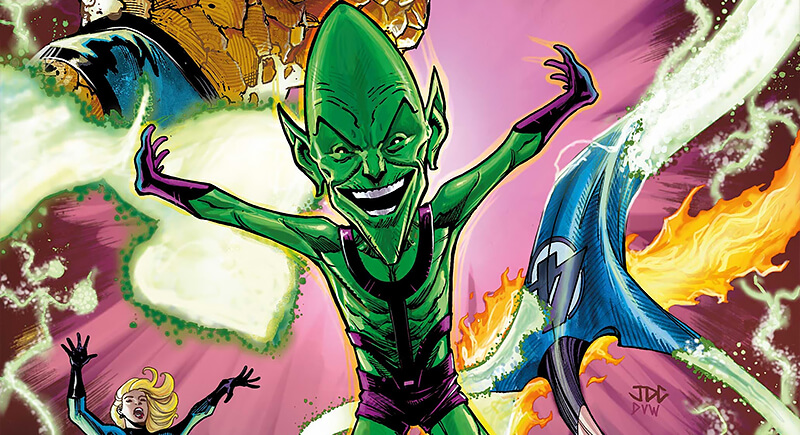
Impossible Man
Credit: Marvel
Impossible Man has spent decades irritating the Fantastic Four by copying anything he sees and refusing to take danger seriously. He’s powerful enough to reshape himself endlessly, but mostly uses that ability for pranks and chaos. His power is weirdly dangerous because no one can predict when his jokes might turn into real problems.
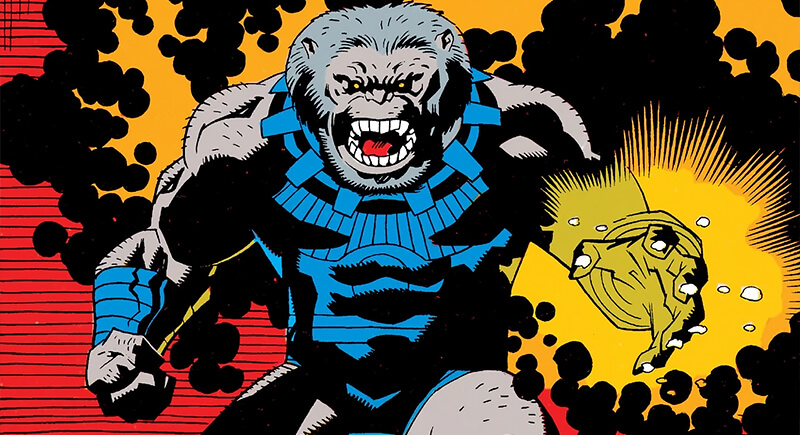
Blastaar
Credit: Marvel Database – Fandom
If the Negative Zone had its own brutal military champion, it would be Blastaar. He built his reputation through raw physical dominance and constant attempts to invade other dimensions. In comics, he often appears during prison breaks or large-scale invasions. Unlike complex villains, Blastaar usually wants one thing: conquest.
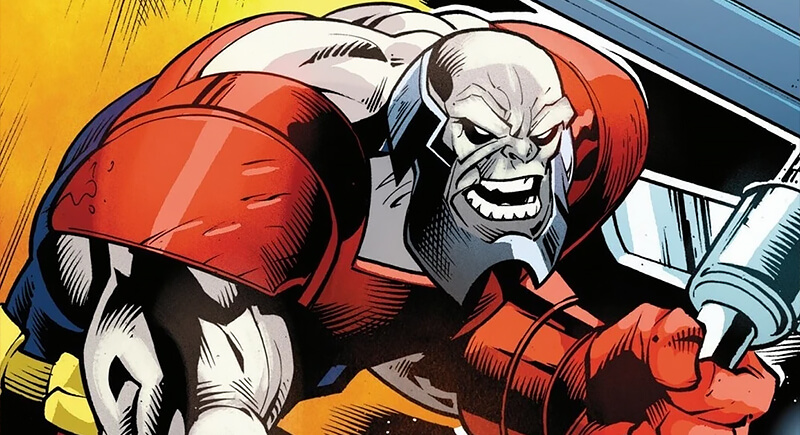
Terrax The Tamer
Credit: Marvel Database – Fandom
Before gaining cosmic power, Terrax ruled his home world as a tyrant king named Tyros. After becoming one of Galactus’ heralds, he kept that same cruelty while wielding planet-level energy. Stories often show Terrax enjoying power and status rather than fearing Galactus, which makes him different from more reluctant heralds.
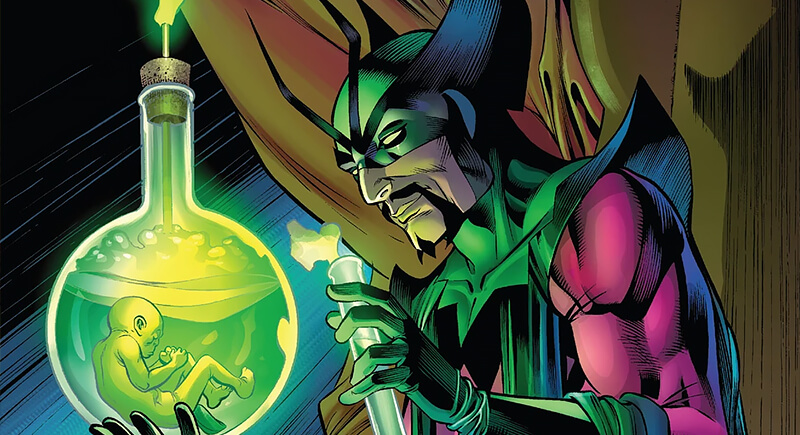
Diablo
Credit: Wikipedia
Diablo first entered Fantastic Four stories during Marvel’s early science-versus-magic era, when villains often blurred the line between chemistry and sorcery. He relies on alchemical formulas instead of raw superpowers, creating compounds that can reshape biology or control behavior. His centuries-long lifespan allows him to appear across different historical moments in Marvel’s timelines.
Red Ghost
Credit: Marvel
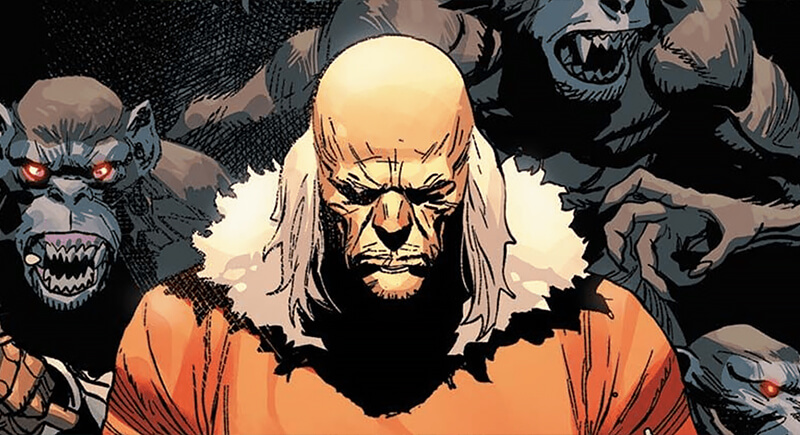
During the Cold War era of Marvel comics, Red Ghost represented fears about secret scientific experiments. Soviet scientist Ivan Kragoff intentionally exposed himself to cosmic radiation and gained intangibility powers. His trained Super Apes added a strange comic energy.
Griever At The End Of All Things
Credit: Marvel Database – Fandom
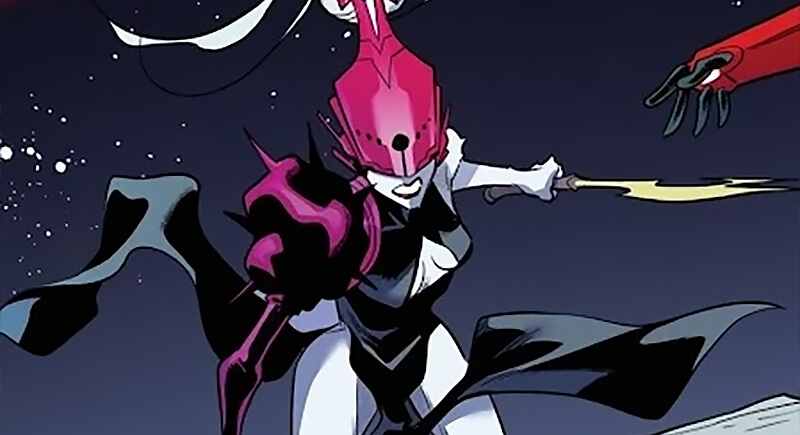
The Griever is one of the strangest modern Fantastic Four villains because she exists at the literal end of time. Instead of conquering worlds, she destroys dying universes as part of her nature. Her conflict with Franklin Richards connects directly to multiverse survival and creation-level power struggles in newer Marvel stories.