Famous People Who Decided to Switch Careers
Many well-known public figures spent years building expertise in one field before realizing their real momentum lay elsewhere entirely. In several cases, the second career ended up defining their legacy far more than the first. These people redirected their entire life trajectories after already finding stability in an entirely different profession.
Jeff Bezos
Credit: Wikimedia Commons
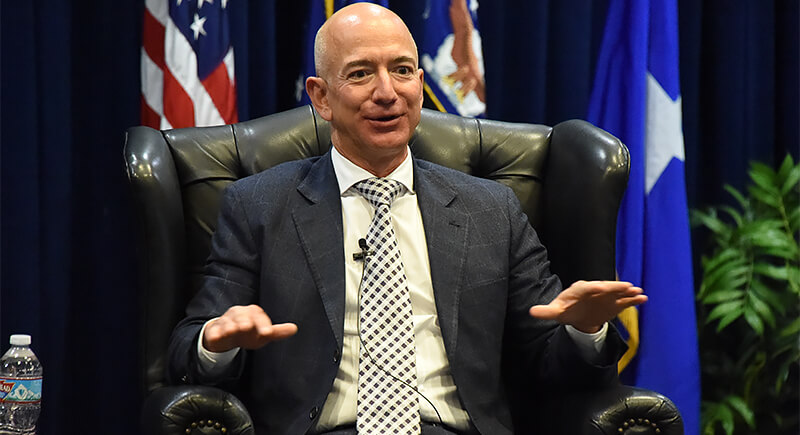
In the early 1990s, Jeff Bezos was already on a fast track on Wall Street, working on complex financial systems and data modeling. While researching internet growth statistics, he noticed usage climbing rapidly. That data insight pushed him to leave finance and launch Amazon in 1994, starting with books before expanding into infrastructure, streaming, and cloud computing.
Julia Child
Credit: Youtube
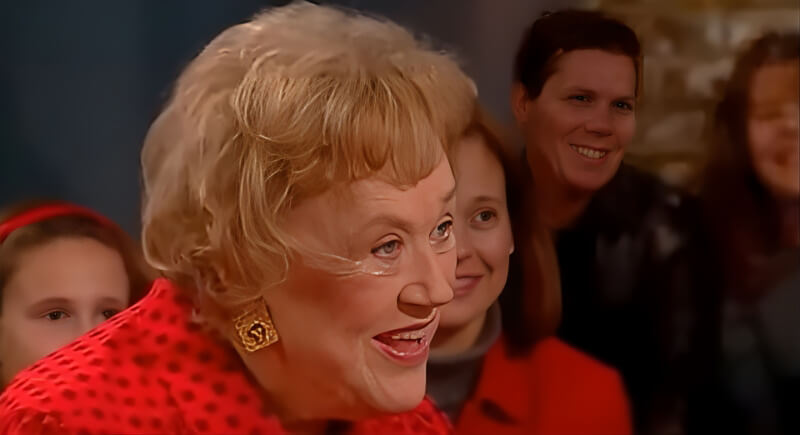
Julia Child’s cooking career started because she felt completely out of place in a French kitchen. She worked in advertising and later joined the Office of Strategic Services during World War II. While living in Paris, she enrolled at Le Cordon Bleu, leading to Mastering the Art of French Cooking and The French Chef.
Vera Wang

Credit: Instagram
Before entering design, Vera Wang was deeply embedded in competitive figure skating culture and later in fashion journalism, where she studied trends from an editorial perspective. When planning her own wedding in her late 30s, she struggled to find dresses that met modern style expectations, which led her into design, where she reshaped bridal fashion.
Arnold Schwarzenegger
Credit: Wikimedia Commons
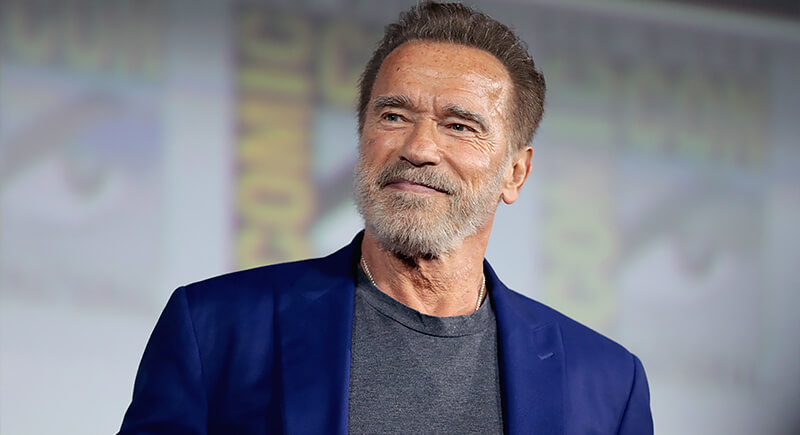
Arnold Schwarzenegger came to the United States in the late 1960s with limited English and a clear routine. He trained twice a day and worked construction jobs to fund his bodybuilding goals. After winning multiple Mr. Olympia titles, that success opened doors in Hollywood during the 1980s action boom, leading to breakout roles like The Terminator.
Ken Jeong
Credit: Wikimedia Commons
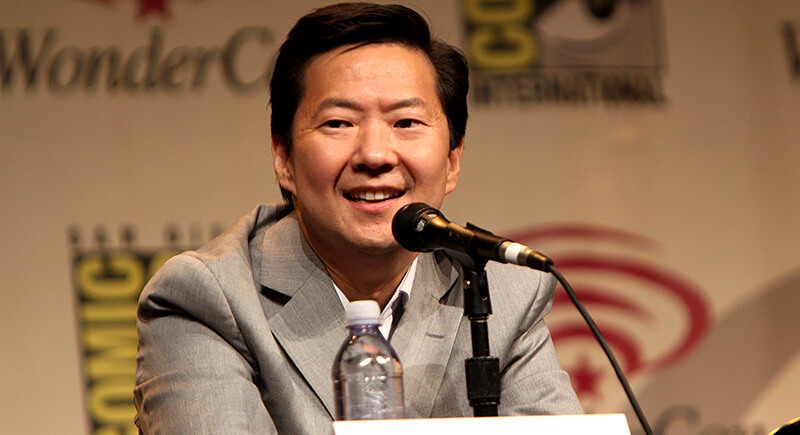
Ken Jeong spent his early adult life fully committed to medicine. During long hospital shifts, he started performing stand-up at local clubs mainly to manage stress. While still practicing medicine, he landed a small role in Knocked Up, which led to The Hangover and a full transition into entertainment, though he has maintained his medical license.
Ava DuVernay
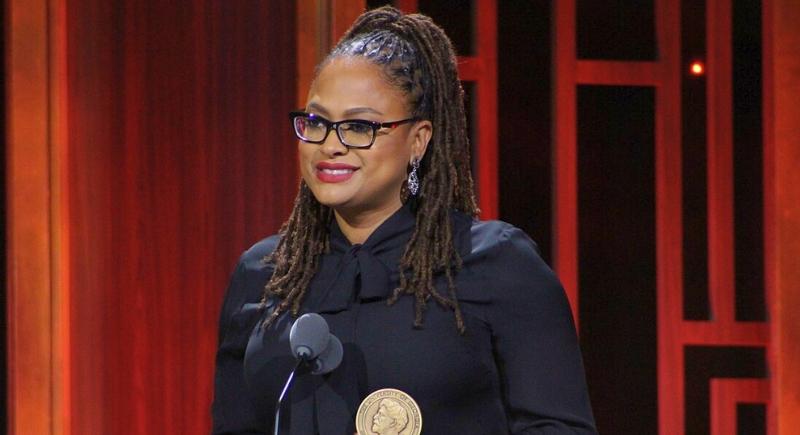
Credit: Wikimedia Commons
In the early 2000s, box-office success often hinged on marketing, and Ava DuVernay worked within that world through her own PR firm. In her early 30s, she made a deliberate shift into directing. That move led to films like Selma, 13th, and A Wrinkle in Time, and made her the first Black woman to direct a live-action studio film with a budget over $100 million.
Ray Kroc
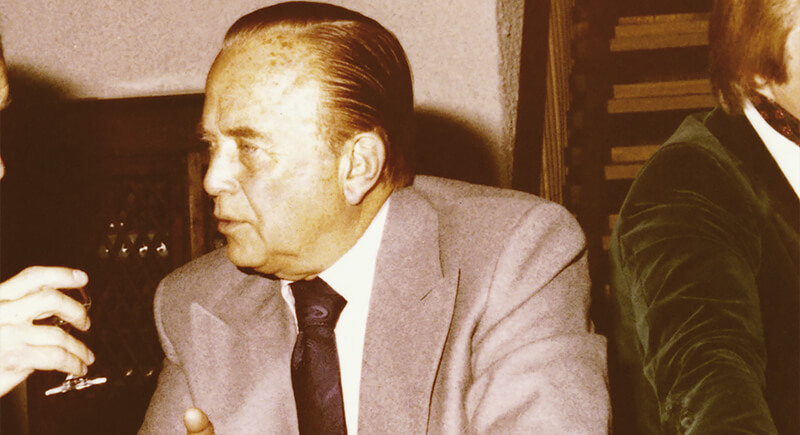
Credit: Wikimedia Commons
Decades of highway travel and restaurant visits shaped Ray Kroc’s eye. Selling milkshake mixer machines meant seeing which kitchens ran smoothly and which struggled. In 1954, a visit to the McDonald brothers’ restaurant revealed a system built for scale, which led to partnership, eventual ownership, and expansion into one of the largest fast-food franchise networks in the world.
Grandma Moses
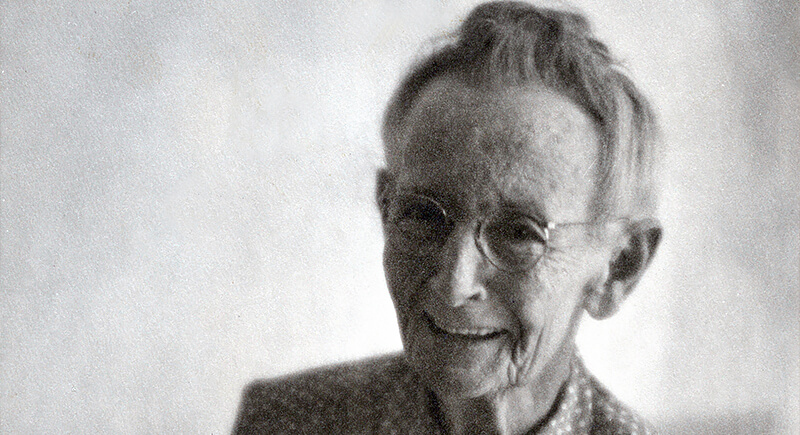
Credit: Wikimedia Commons
Long before galleries paid attention, Anna Mary Robertson Moses spent her time making practical household items and embroidery, pieces neighbors sometimes bought close to home. When arthritis made needlework too painful, she picked up painting instead. What began as a simple way to stay occupied indoors slowly grew into vivid scenes of rural American life, filled with seasonal detail and everyday memory.
Sara Blakely

Credit: Instagram
Product ideas rarely came from corporate labs in Sara Blakely’s early world. While traveling for sales meetings, she constantly noticed how clothing underlayers affected professional outfits. After testing homemade prototypes herself, Sara personally negotiated manufacturing without industry contacts. Early retail success came from word-of-mouth and boutique adoption before national television exposure accelerated brand awareness.
Brandon Stanton
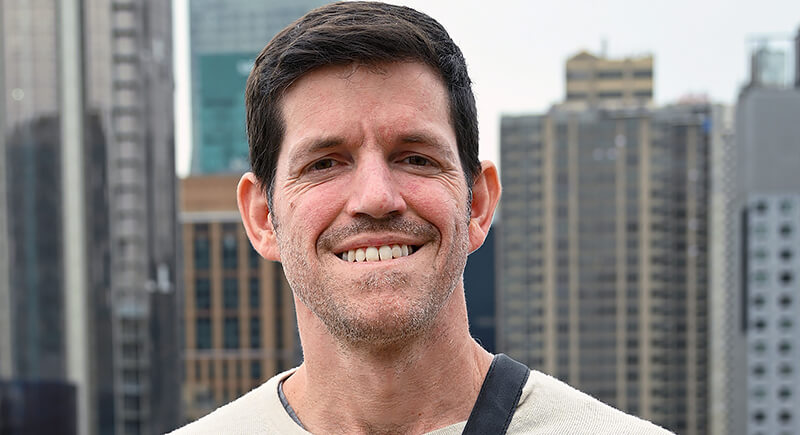
Credit: Wikimedia Commons
Brandon Stanton worked as a bond trader in Chicago before being laid off during the financial crisis. After moving to New York, he began photographing strangers and sharing short personal stories online as a personal project. The series became Humans of New York, eventually leading to books, speaking tours, and major humanitarian fundraising campaigns.