10 Foods You Can Actually Eat Past the Expiration Date
The date printed on a package is usually the first thing people check before eating something. That makes sense, considering expired food can make you sick and, in certain cases, paying close attention is critical. Infant formula, for example, carries federally regulated expiration dates that must be followed strictly.
Many other foods, however, work differently because manufacturers choose those dates to reflect peak quality. Food safety experts explain that proper storage, packaging conditions, and visible signs of deterioration can matter more than the calendar. Understanding that difference can help you avoid discarding food that remains safe to eat.
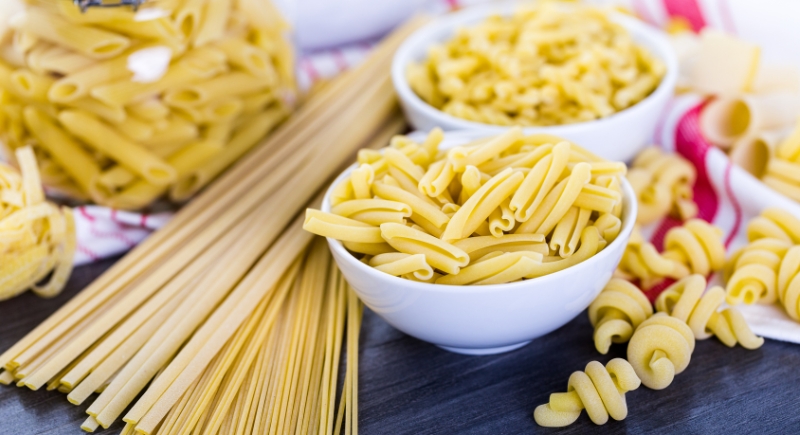
Dry Pasta
Credit: Getty Images
A box of dry pasta can sit in your pantry for months without issue. Its low moisture content limits bacterial growth, which explains its long shelf life. In fact, unopened dry pasta stored in a cool, dry place can remain edible for up to a year past its labeled date.
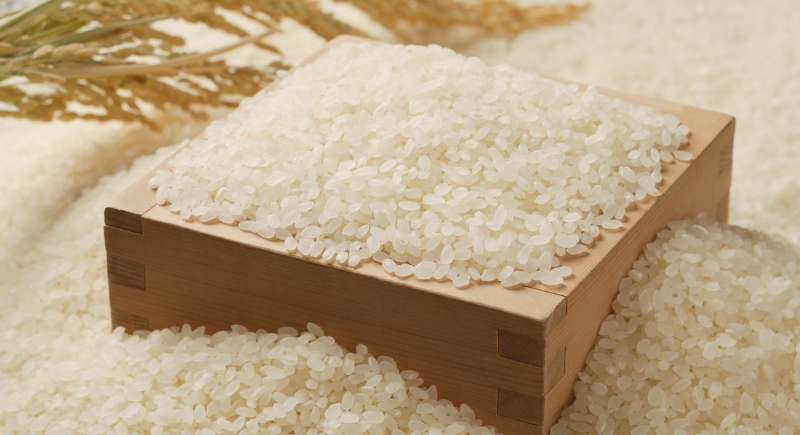
White Rice
Credit: Canva
Many households keep white rice on hand for years. Its durability stems from its dry structure, which does not readily support microbial growth. Just make sure to inspect the container for signs of pests. Clean, dry rice with no strange odor is perfectly fine for preparation and consumption.
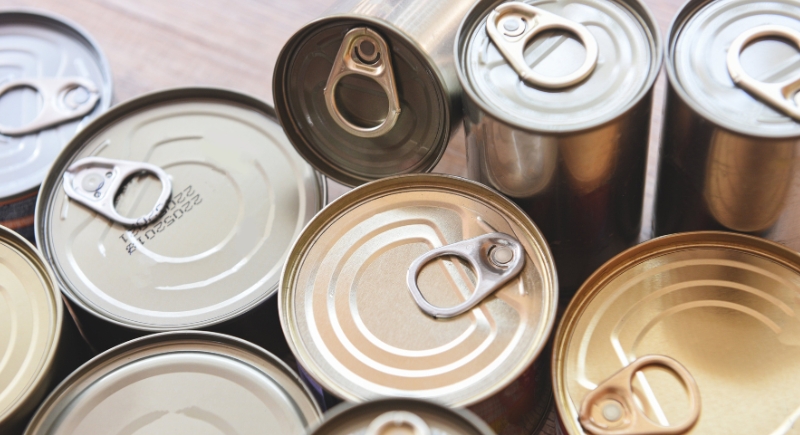
Canned Goods
Credit: Canva
The canning process relies on high heat to destroy microorganisms and create an airtight seal. This method allows canned beans, vegetables, and soups to be used for a long time, up to 4 years past the date on the box. However, it is necessary to discard cans that bulge, leak, rust deeply, or show major dents.
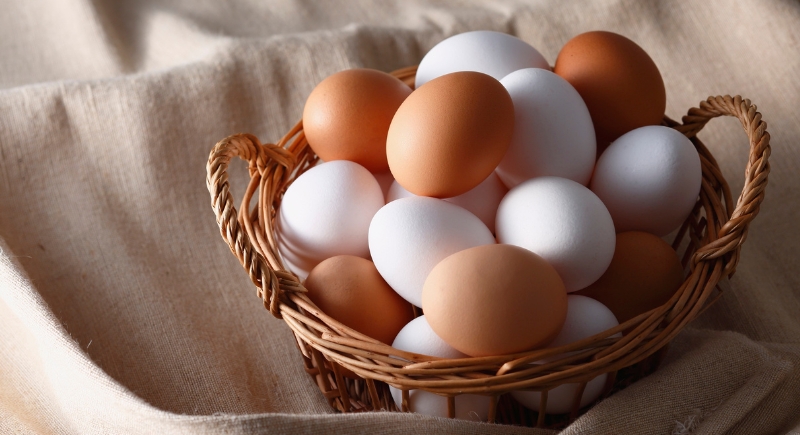
Eggs
Credit: Canva
Refrigerated eggs often remain safe for three to five weeks beyond the printed date. The sell-by label reflects peak freshness, not immediate spoilage. As long as the shell is intact and there is no sour odor after cracking, the eggs are typically safe to cook thoroughly.
Pasteurized Milk
Credit: pixelshot
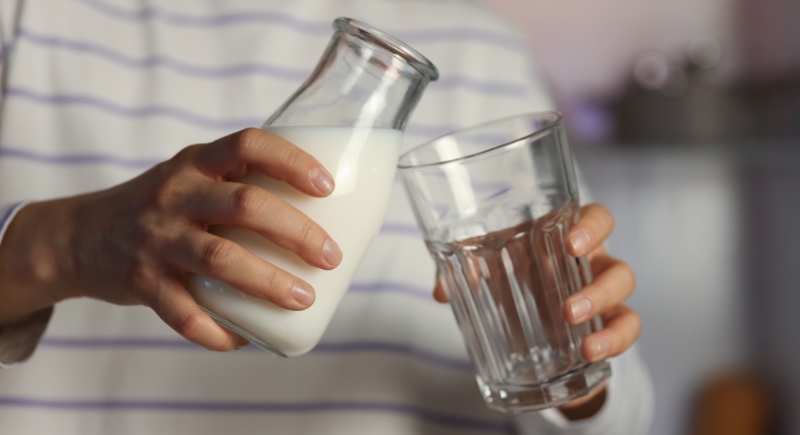
When kept consistently cold, unopened pasteurized milk can generally be used for up to ten days past its expiration date. Pasteurization uses controlled heat to reduce harmful bacteria. Store the carton toward the back of the refrigerator where temperatures stay more stable.
Yogurt
Credit: Getty Images
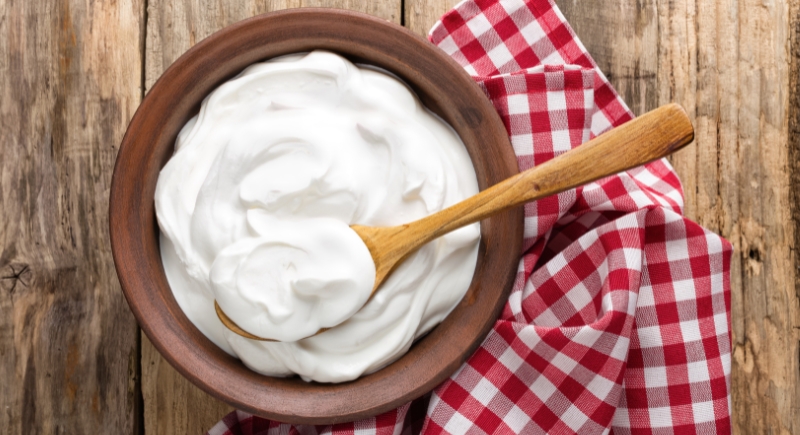
The live cultures inside yogurt create an acidic environment that slows the growth of harmful bacteria. So, the yogurt sitting in your refrigerator can be used for 1 to 3 weeks beyond its use-by date, but the flavor may become tangier as it ages.
Hard Cheese
Credit: pixabay
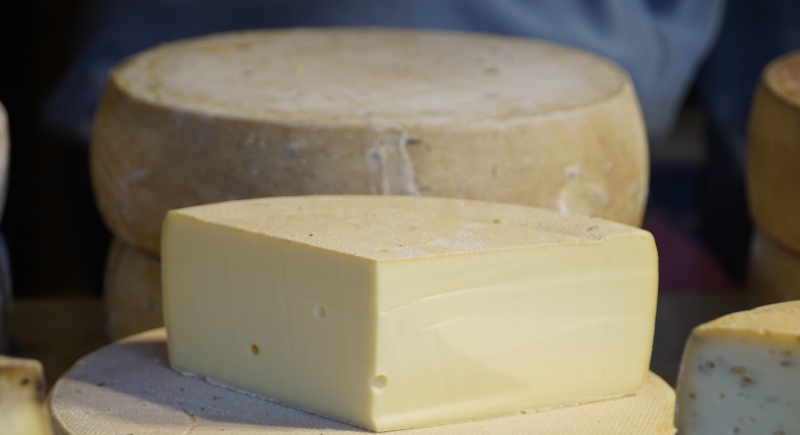
Before assuming hard cheese has gone bad, examine the surface carefully. If you see mold on a firm variety, take a knife to cut away at least one inch around and below the affected area. The dense texture prevents mold from spreading deeply, which keeps the interior secure.
Nut Butters
Credit: pexels
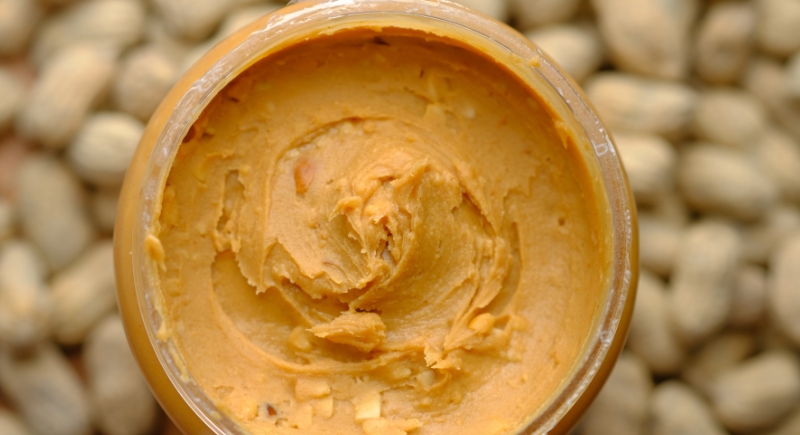
Natural oils and low moisture levels give nut butters surprising longevity. But to be on the safe side, stir the contents and smell them before spreading on toast. Oil separation occurs naturally and does not signal deterioration. Strong scents or visible mold, on the other hand, indicate that the jar should be thrown away immediately.
Dried Herbs and Spices

Credit: Canva
Dried herbs and spices commonly do not become unfit to eat. What mainly changes is their strength. Flavor compounds break down gradually, which means the aroma and taste become weaker. A jar of oregano may lose its punch long before it poses any health concern.
Shelf-Stable Plant Milks
Credit: Canva
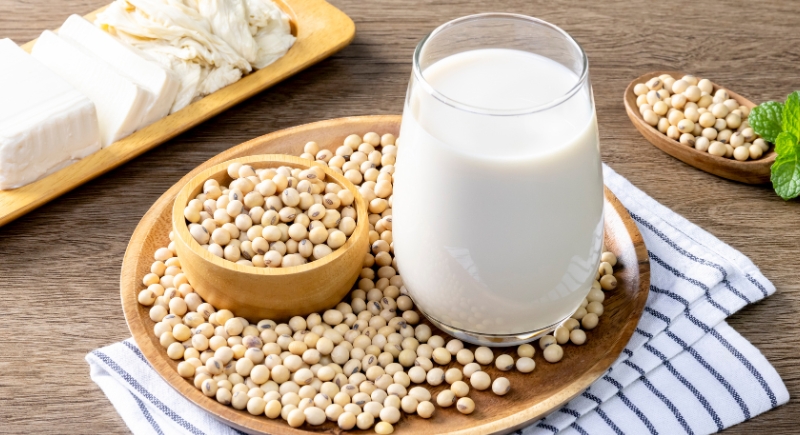
Ultra-high temperature processing eliminates bacteria before shelf-stable plant milks are sealed in sterile packaging. Once opened, refrigeration becomes necessary. Shake the carton and check the liquid before using it. Sour smell, unusual thickening, or abnormal separation signal that it has gone bad. Normal settling can occur and does not indicate safety concerns.