10 Oldest Laws That Still Exist Today
Laws don’t usually make for an exciting read, but a few ancient rules still on the books manage to be odd and weird. Passed down through empires, monarchies, and city councils, these laws survived revolutions and legal rewrites. They remained in place long after their original purpose had faded. Here’s a look at the laws that never quite got the memo to retire.
You Can’t Wear Armor Inside the UK Parliament

Credit: Getty Images
Since 1313, it’s been illegal to enter Parliament in armor. King Edward II passed the law during a period of political unrest, likely as a means to prevent heated debates from escalating into physical battles. The statute never got repealed, and while nobody’s showing up in chainmail today, technically, it’s still against the law.
Handling Salmon Suspiciously in Britain

Credit: Getty Images
The Salmon Act of 1986 made it illegal to handle salmon in suspicious circumstances. It was intended to prevent poaching and the illegal sale of salmon. The oddly vague phrasing led to confusion over what “suspicious” really means, but the law remains in effect.
Royal Ownership of Swans in England

Credit: pixabay
All unmarked mute swans swimming in open waters in England technically belong to the King. The tradition dates back to the 1100s when swans were considered a luxury food. The law’s ceremonial today, but each July, officials still row down the Thames in a swan-counting event called “Swan Upping.”
You Can’t Be Drunk in Charge of a Cow

Credit: pixelshot
The Licensing Act of 1872 prohibits being drunk while in charge of a carriage, horse, cow, or even a steam engine. British lawmakers didn’t want intoxicated herders causing chaos on public roads. Although rarely enforced, the law hasn’t been repealed. So technically, if you’re tipsy and holding a cow’s leash, you’re breaking the law.
The Roman Law That Invented Property Rights

Credit: Canva
Roman Civil Law, which dates back to approximately 450 BCE, introduced the concept of property ownership in a manner that modern societies understand it. Previously, possession was often defined as physical control. Romans developed deeds and inheritance laws. Many civil law countries still trace their property codes back to these early Roman definitions.
Israel Still Uses Elements of Ancient Jewish Law
Credit: Getty Images
Jewish civil law, based on texts such as the Torah and the Talmud, has guided personal and community matters for centuries. In Israel, parts of it still apply today in cases involving marriage, divorce, and inheritance for Jewish citizens. It’s one of the oldest religious legal systems still integrated into a national court framework.
Chinese Imperial Law Laid the Groundwork for Bureaucracy

Credit: Getty Images
Dating back to 221 BCE during the Qin Dynasty, Chinese legal traditions focused heavily on order and hierarchy. These laws introduced formal state control over the administration. Although modern Chinese law is vastly different, the idea that law should uphold centralized authority originated with these early imperial codes.
English Common Law Still Shapes Courtrooms

Credit: Canva
Developed in medieval England around the 12th century, English common law relies on court decisions rather than written codes. Judges referenced past rulings to decide new cases, which became the backbone of legal systems in the U.S., Canada, and other countries.
Rome’s Patria Potestas Gave Dads Immense Power

Credit: pexels
In ancient Rome, fathers had serious legal control under the concept of patria potestas. They could approve marriages, manage property, and even disown their children. While no modern law hands that much authority to a parent, the Roman legal structure around family roles helped shape today’s family law across much of Europe.
Contract Law Began in Ancient Mesopotamia
Credit: Wikimedia Commons
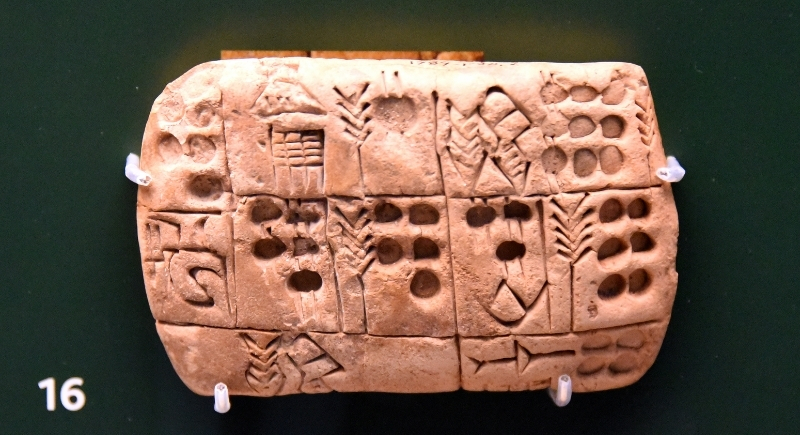
Long before online terms and conditions existed, Mesopotamian merchants used clay tablets to record business agreements. Dating back to around 2100 BCE, the Code of Ur-Nammu included terms for loans and sales. These early contracts introduced legal obligations between parties—basically the ancestor of everything from job offers to lease agreements today.