Everyday Items With Hidden Features You Didn’t Know About
You probably use dozens of household tools and gadgets without giving much thought to the way they’re built. Designs you’ve gotten used to might look random or decorative—but many of them hide tiny, practical tricks. Once you know what they’re really for, you may never look at your shoes, mirrors, or juice boxes the same way again.
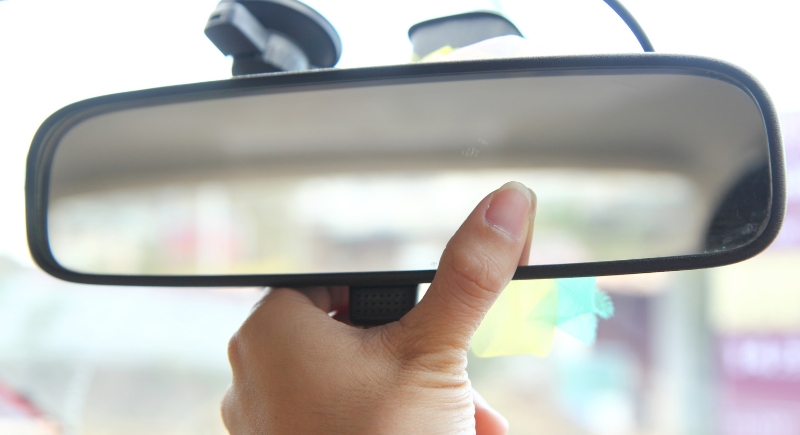
The Tab on Your Rearview Mirror
Credit: Getty Images
At night, headlights from the car behind you can turn your mirror into a spotlight. That little tab at the bottom? It’s not just decorative. Flip it, and the mirror angle shifts to dim those blinding lights. It’s called the “day-night” toggle, and it’s been around since the 1930s to reduce glare during night driving.
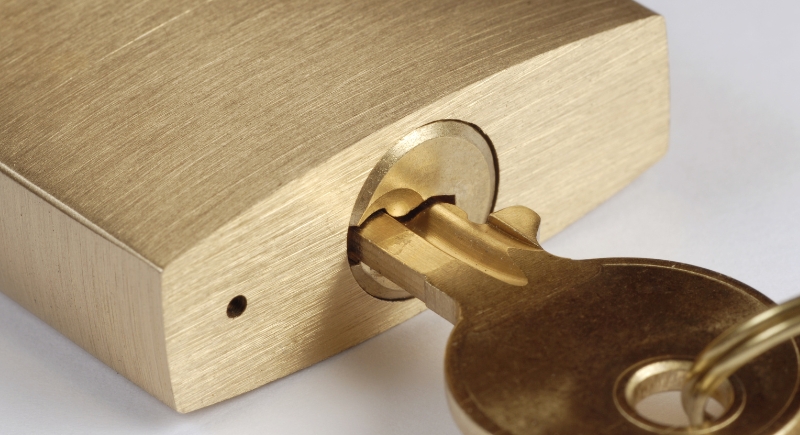
That Tiny Hole in Padlocks
Credit: Getty Images
Look closely at the bottom of a padlock, and you’ll usually spot a small hole. It drains water that might collect inside and cause rust. It also lets you add oil if the lock gets stiff. It’s a simple feature, but it keeps the mechanism from seizing over time.
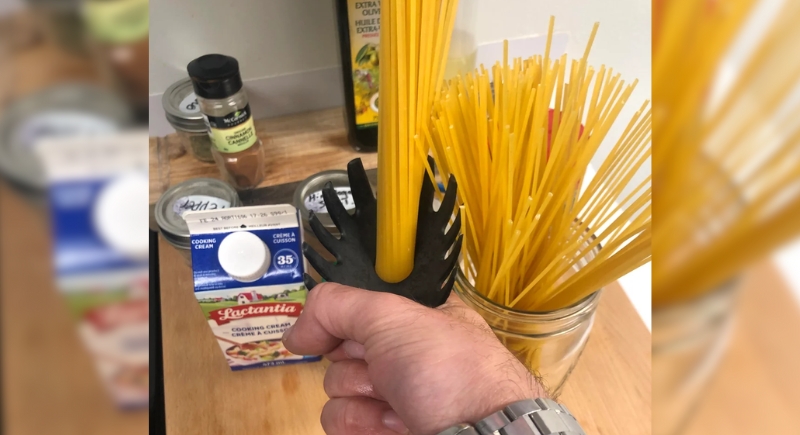
The Hole in a Spaghetti Spoon
Credit: Reddit
The circular cutout in the middle of your pasta spoon is actually designed to measure a single serving of dry spaghetti. If you slide in a bundle of uncooked noodles and it fills the hole, you’ve got one portion.
The Arrow Near Your Fuel Gauge

Credit: Aflo Images
Pulling up to a gas station in a car you don’t usually drive can trigger a guessing game: which side is the tank on? The tiny triangle next to the gas icon on your dashboard ends the mystery. It points to the correct side.
Juice Box Flaps That Turn Into Handles

Credit: Youtube
On either side of a juice box, you’ll see two small triangular flaps. They’re often ignored, but they’re meant to be pulled outward and up to act as handles. This makes it easier for kids to hold the box without squeezing too hard and making juice squirt out the top.
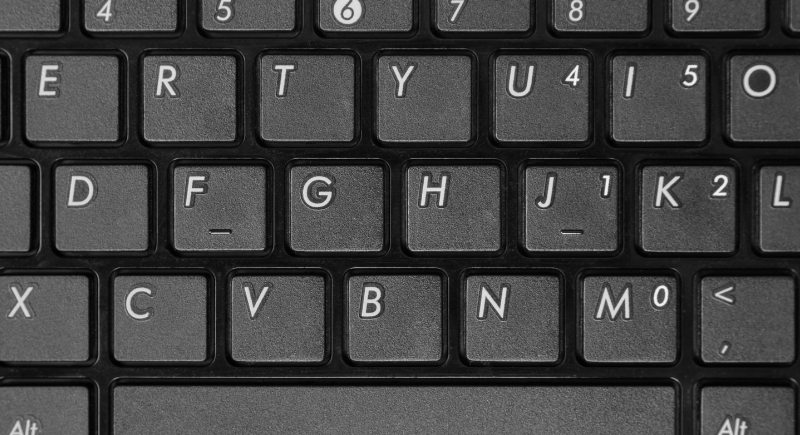
The Ridges on “F” and “J” Keys
Credit: Getty Images
Feel your keyboard. The “F” and “J” keys have subtle raised bumps, and that’s intentional. Those bumps help you find the home row position without looking down. It’s a tactile guide for touch typing, and it’s standard on nearly every keyboard with a QWERTY layout.
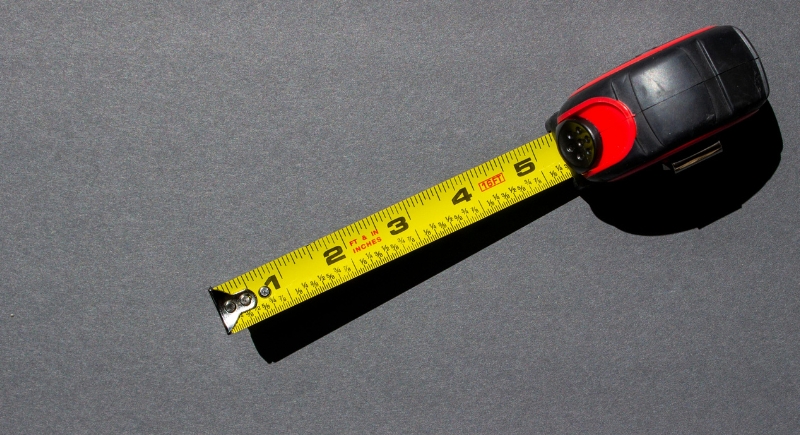
The Hole at the End of a Tape Measure
Credit: pexels
There’s a reason your measuring tape has a tiny slot at the end of the metal hook. It fits perfectly over the head of a nail or screw, letting you anchor the tape in place while measuring alone. The hook also shifts slightly to account for its thickness.
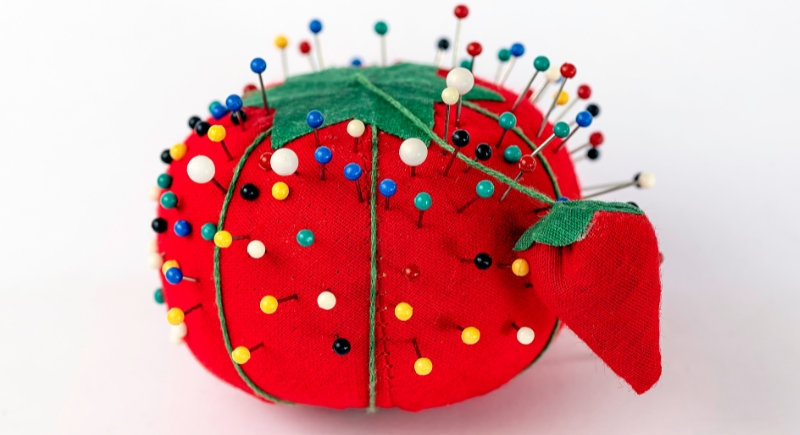
The Strawberry on a Tomato Pincushion
Credit: Getty Images
Most sewing kits include a red tomato with a smaller strawberry attached. That tiny strawberry is filled with emery powder. When you poke your needles into it, the powder helps clean and sharpen them. It’s a built-in tool to keep needles smooth and rust-free between uses.
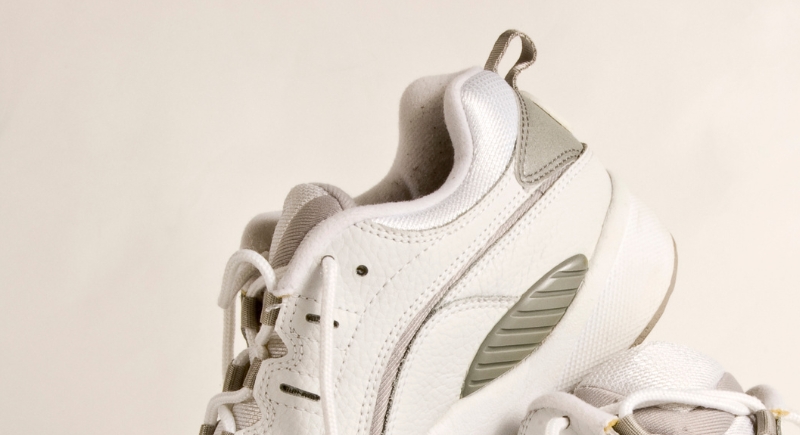
Extra Eyelets on Running Shoes
Credit: Getty Images
Toward the top of many athletic shoes, you’ll see an extra set of lace holes. Using them creates a “heel lock” or runner’s loop, which helps keep your foot from sliding forward and reduces the risk of blisters. It’s especially useful on long runs or hikes.
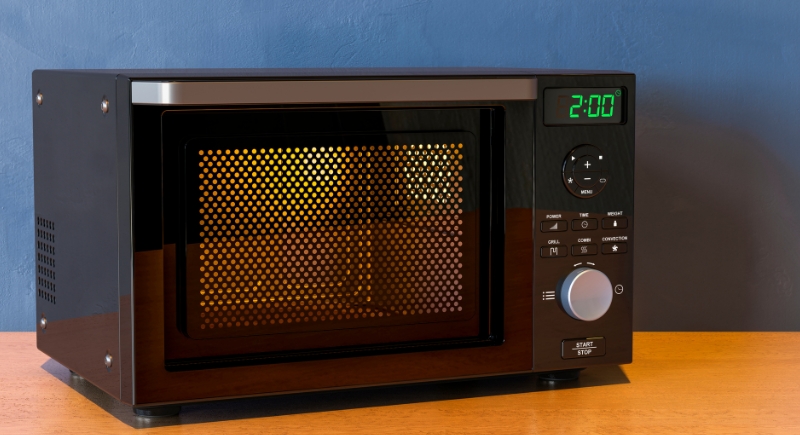
Microwave Door Mesh
Credit: Canva
The black dotted screen inside your microwave door is a safety feature called a Faraday shield. It keeps microwave radiation from leaking out while still letting you watch your food spin. The holes are small enough to block the waves, but spaced so your eyes can still see through.