Embrace the Mess: The Surprising Benefits of Leaving Fall Leaves
As the trees shed their golden, crimson, and amber leaves, there’s often a rush to grab rakes and bags. But have you ever wondered if all that cleanup is necessary? Leaving fall leaves where they land isn’t just easier on your back—it’s also a gift to your garden, your local wildlife, and the planet. Here’s why letting nature take its course might be the best decision you make this autumn.
Nature’s Fertilizer for Healthy Soil
Credit: pexel
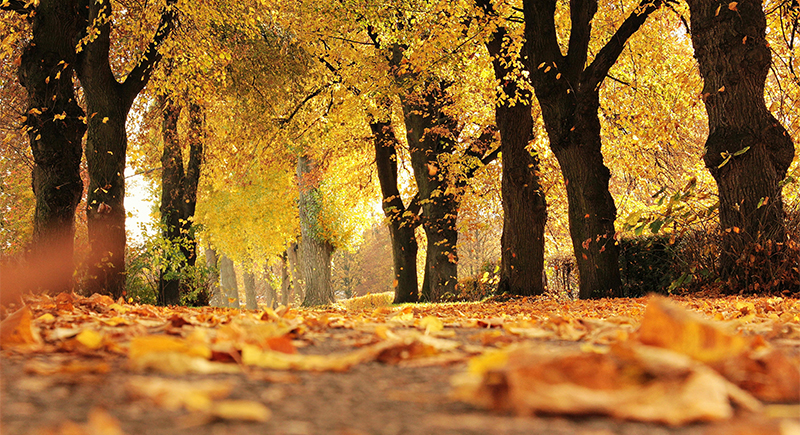
Leaves breaking down into the soil is one of nature’s best-kept secrets. As they decompose, they release essential nutrients like nitrogen and phosphorus, nourishing the ground without any added chemicals. This natural process improves the health of your garden soil and saves you the trouble—and expense—of using fertilizers.
A Welcome Mat for Backyard Wildlife
Credit: pexel
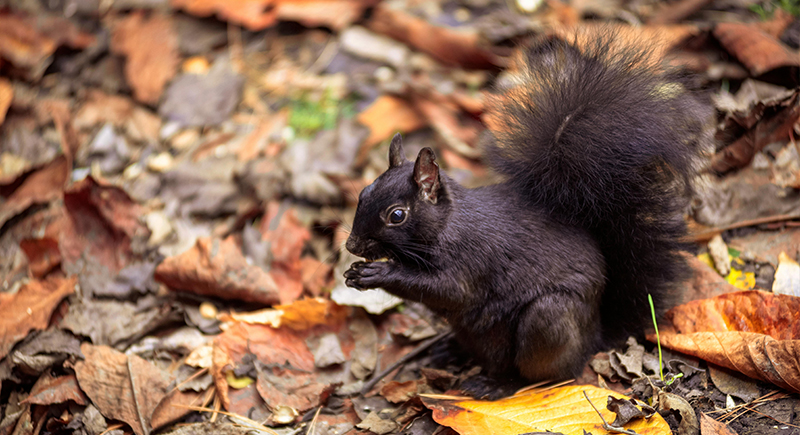
Under those piles of leaves, a whole world of critters thrives. Insects, such as beetles and butterflies, use leaf litter as a safe space to hibernate. Birds often forage through the leaves for food during colder months. Even small mammals like chipmunks and frogs find shelter in this cozy, leafy blanket. By leaving leaves, you’re creating a mini wildlife refuge right in your yard.
Leaves: The Original Mulch
Credit: iStockphoto
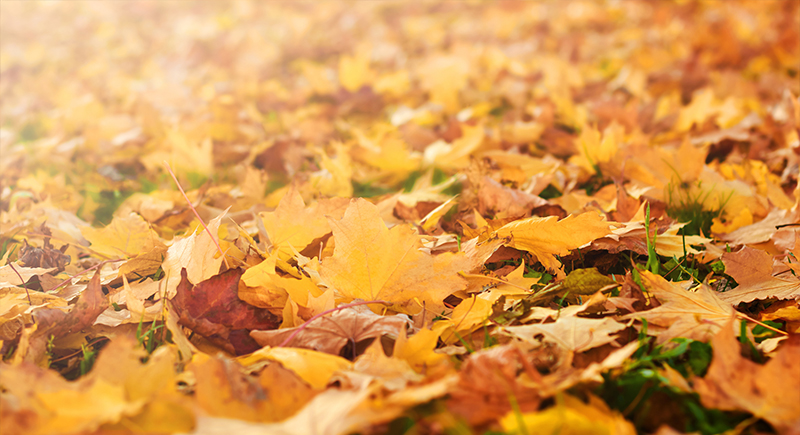
Before garden centers started selling bags of mulch, leaves were doing the job just fine. A layer of leaves can act as a natural barrier against weeds, blocking sunlight and stunting their growth. Spread a thin layer around your plants and trees, and you’ll notice fewer pesky weeds popping up in the spring.
Helping the Soil Hold Onto Moisture
Credit: pexel
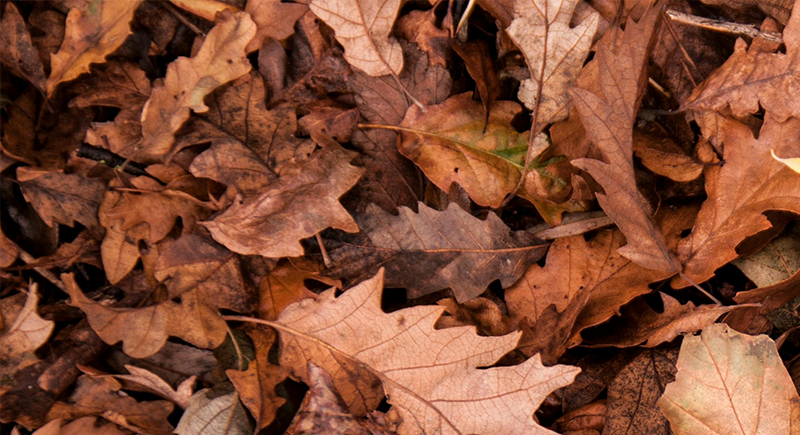
Leaves are excellent at trapping moisture in the soil beneath them. During dry spells, this natural layer keeps the ground damp longer, reducing the need for frequent watering. It’s a win-win for your garden and your water bill.
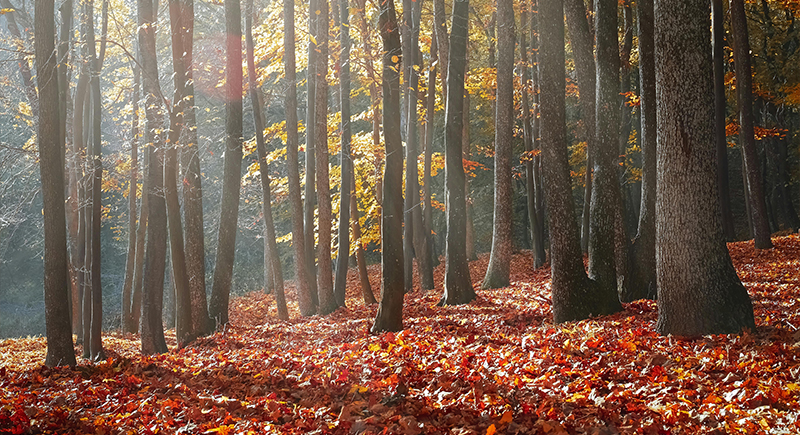
Insulating Your Plants for Winter
Credit: pexel
A thick carpet of leaves doesn’t just look seasonal—it’s also practical. It helps regulate the temperature of the soil, keeping plant roots warmer during freezing nights and cooler when unexpected warm spells hit. This protective layer can make all the difference for young or delicate plants.
Cutting Down on Yard Waste
Credit: pexel
Every year, millions of tons of bagged leaves end up in landfills. By leaving leaves in your yard, you reduce this unnecessary waste and lighten the load on waste management systems. It’s a small step that adds up when we all do our part.
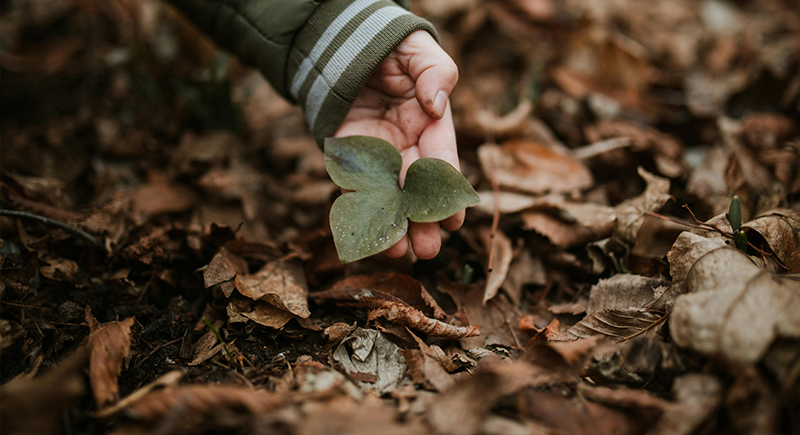
Improving Your Soil’s Texture
Credit: pexel
As leaves break down, they don’t just feed the soil—they transform it. They improve its structure, making it looser and more crumbly, which is ideal for plant roots to spread. Better soil texture also means improved drainage and aeration, creating a more hospitable environment for everything you grow.
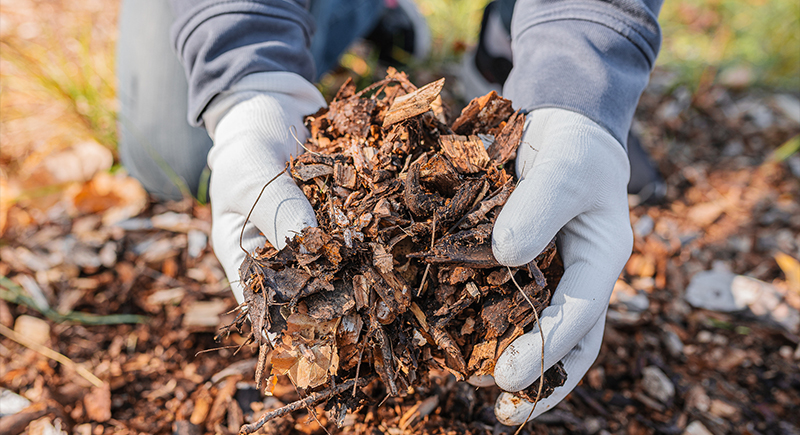
A More Sustainable Approach to Gardening
Credit: iStockphoto
Skipping the rake not only saves you time but also reduces your carbon footprint. Consider this: gas-powered leaf blowers and other equipment contribute to air pollution and noise. By leaving the leaves, you’re opting for a quieter, cleaner, and more sustainable approach to yard care.
Encouraging Natural Pest Control
Credit: flickr
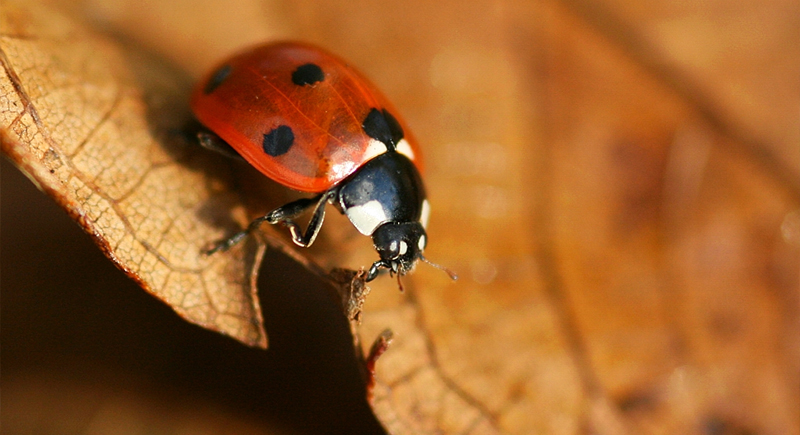
The insects that overwinter in leaf piles aren’t all pests. Many are beneficial to your garden, like ladybugs and ground beetles that feed on aphids and other harmful bugs. Providing them with shelter through the colder months helps keep their populations steady, which benefits your plants in the long run.
Creating a Foundation for Future Growth
Credit: pexel
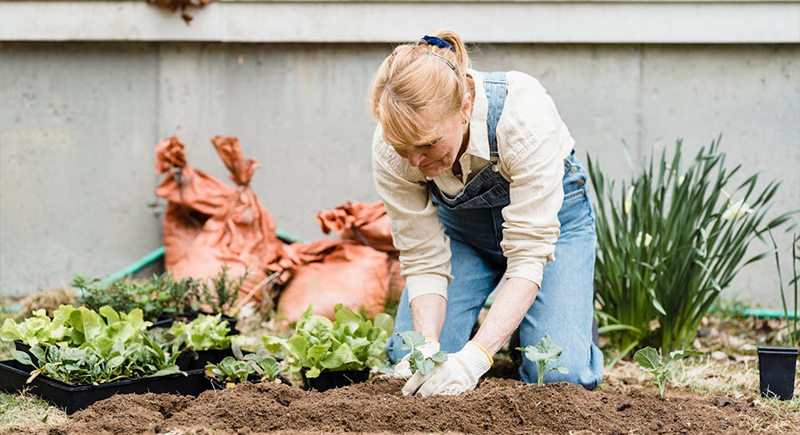
When you leave leaves, you’re investing in your garden’s future. The organic matter they add to the soil enriches it year after year, leading to healthier plants, better blooms, and tastier fruits and vegetables. It’s a long-term strategy with visible rewards.
A Break for Pollinators
Credit: iStockphoto
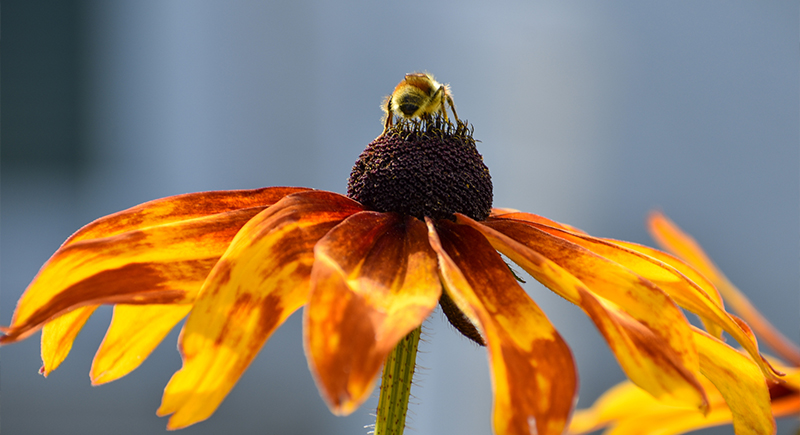
Pollinators like bees and butterflies are struggling, and your garden can be a safe haven for them. Fallen leaves offer shelter and protection during the colder months. Come spring, you’ll notice these garden helpers buzzing around, ready to support your flowers and crops.
Encouraging Microbial Activity
Credit: pexel
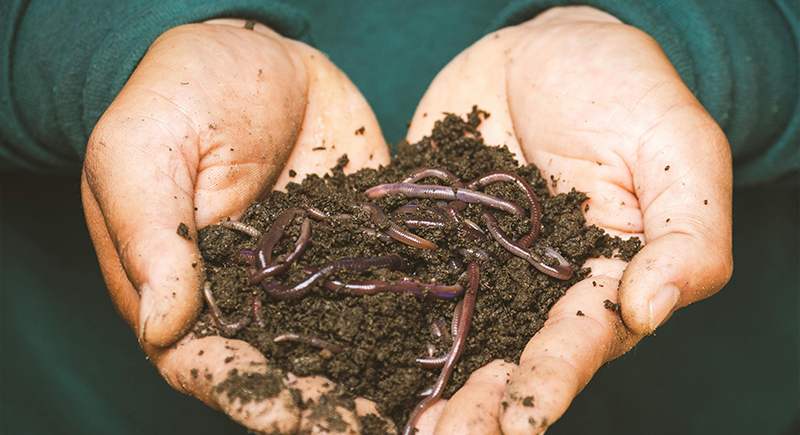
Healthy soil is alive with microorganisms, and leaves provide the perfect environment for them to thrive. These microbes play a crucial role in breaking down organic matter and releasing nutrients into the soil. It’s a cycle that keeps your garden thriving, and it starts with those fallen leaves.
Reducing the Need for Synthetic Products
Credit: flickr
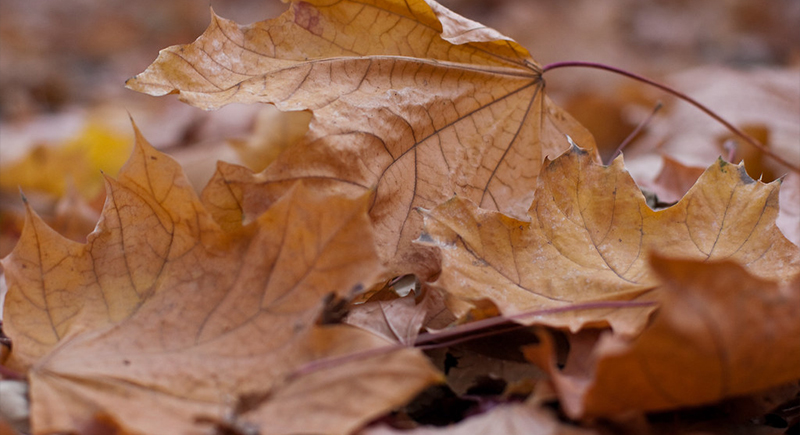
By leaving leaves, you’re allowing your garden to rely on natural processes rather than synthetic fertilizers, weed killers, and pest control. This approach not only saves money but also reduces your exposure to chemicals, creating a safer outdoor space for kids and pets.
Adding a Rustic Charm to Your Yard
Credit: iStockphoto
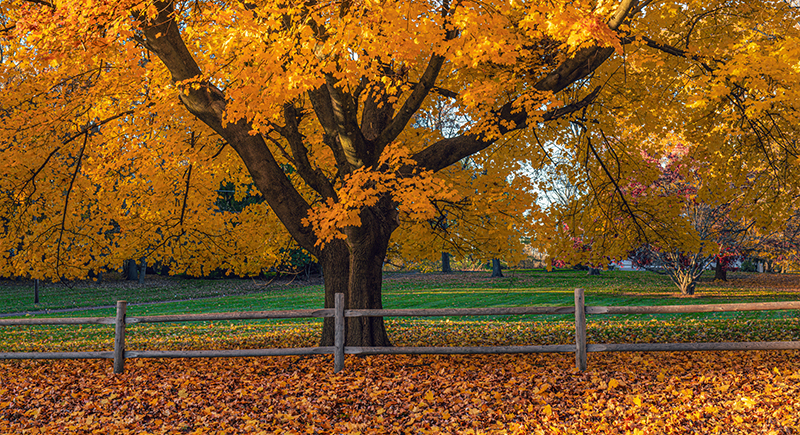
There’s something undeniably picturesque about a yard scattered with colorful leaves. It creates a seasonal atmosphere that feels connected to nature. Embracing this look can give your property a cozy, rustic vibe without the need for extra decor or effort.
The Practical Alternative to Burning
Credit: iStockphoto
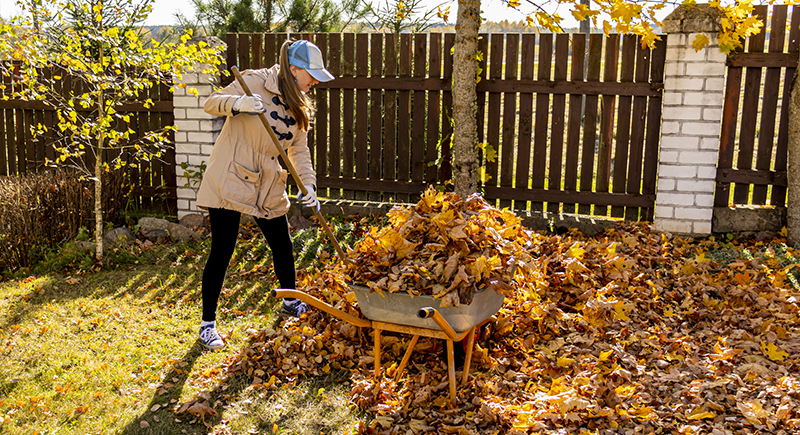
For those in areas where leaf burning is common, leaving leaves on the ground is a healthier choice. Burning leaves releases harmful pollutants into the air, impacting both human health and the environment. Letting them decompose naturally is a far cleaner option.
Letting Nature Take Its Course
Credit: pexel
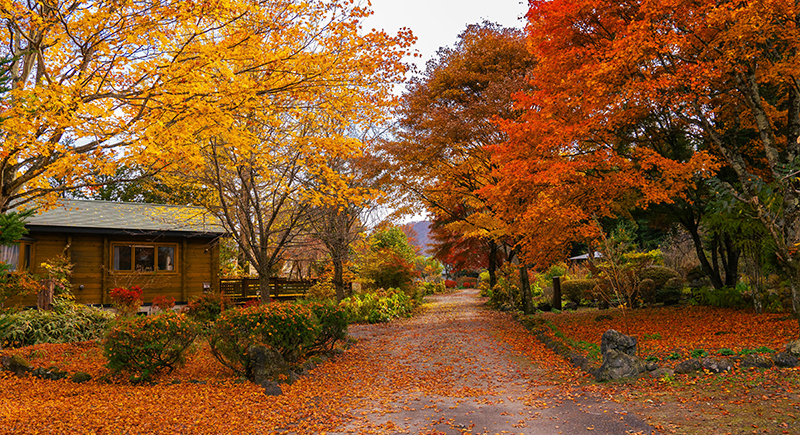
At the heart of this advice is a simple idea: nature knows what it’s doing. Those leaves falling in your yard aren’t a nuisance—they’re part of a system that has sustained plants and animals for millennia. By stepping back and letting nature handle the cleanup, you’re working with the environment rather than against it.