The Most Embarrassing Celebrity Commercials Everyone Wants to Forget
Celebrity endorsements don’t always have the desired impact. In some cases, one misjudged choice is enough to turn an ad into something people can’t forget. These commercials became memorable for reasons no one planned, and they lingered long after the campaigns ended and earning a second life online.
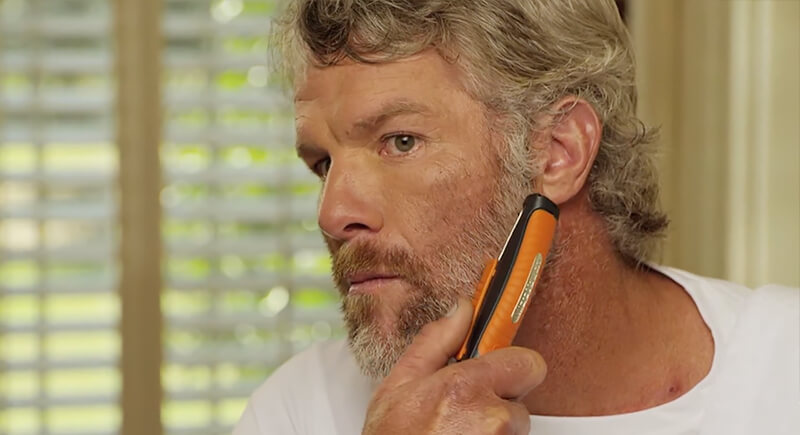
Brett Favre and the MicroTouch Groomer
Credit: Youtube
The shift from NFL icon to infomercial pitchman happened fast, as in one minute, Brett Favre was famous for late-career toughness, the next, he was calmly demonstrating a nose-hair trimmer on camera. The ad relied on humor about aging, but the visual overpowered the joke and stuck in people’s memories far longer than intended.
Mary J. Blige Sings for Burger King

Credit: Wikimedia Commons
The ad opened with Mary J. Blige delivering a whole musical number about Burger King chicken wraps, set against theatrical lighting. The production leaned on award-show style, with sweeping camera moves and long vocal runs. That intensity felt out of proportion for a fast-food commercial and pulled attention away from the product.
Shannen Doherty Goes Back to School

Credit: Youtube
Education Connection framed the campaign around reinvention and presented Shannen Doherty as someone starting over later in life. The intention felt sincere, but it clashed with how audiences understood her public career. That disconnect became more noticeable with repeated airings and made the message harder to accept at face value.
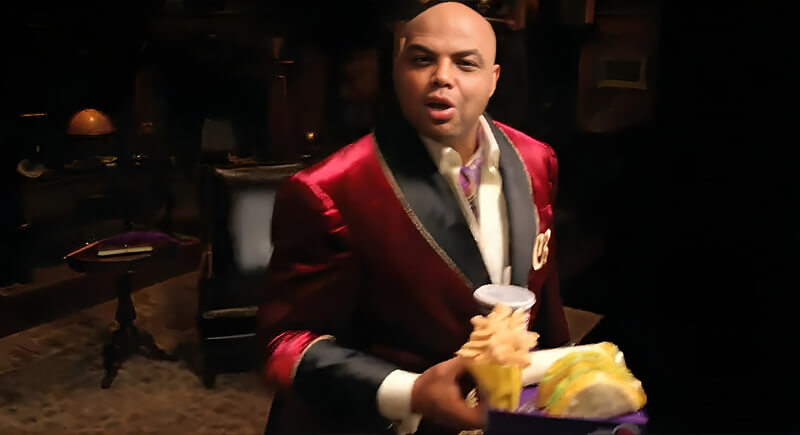
Charles Barkley vs. Taco Bell
Credit: Youtube
When Charles Barkley signed on with Taco Bell, the ads leaned heavily on his reputation for blunt honesty. Instead of a standard pitch, he joked openly about the food and poked fun at the deal itself. That approach fit his personality but worked against the product, leaving the commercials feeling more like self-parody than persuasion.
Whoopi Goldberg for Poise

Credit: Youtube
Whoopi Goldberg speaking openly about bladder control on daytime television surprised many viewers. The campaign relied on directness, but the topic reshaped how her on-screen presence was perceived. It signaled a clear shift in the types of endorsements and roles audiences now linked to her public image.
M. Night Shyamalan’s American Express Moment

Credit: Youtube
When M. Night Shyamalan showed up in an American Express commercial, he treated it like a mini version of one of his films. The pauses felt heavy, the framing leaned strangely, and the cameo nodded at itself. For a credit card ad, the tone felt excessive, and it left viewers unsure whether they were watching a joke or a director indulging his own style.
Delta Goodrem’s Oral-B Glow Up

Credit: Youtube
The Oral-B ad leaned hard into pop-video styling. Slow motion, dramatic lighting, and suggestive framing took over, while the toothbrush faded into the background. For an artist known for a polished, clean-cut image, the look felt mismatched. Instead of selling confidence, the spot left viewers uncertain about what tone it wanted them to buy into.
Melanie B Towers Over Bingo

Credit: Youtube
Scale became the entire concept because CGI placed Melanie B towering over London as she searched for jackpots. Unsurprisingly, the visual spectacle drowned out the message. The ad felt more like a technical experiment than a promotion, with attention locked on how it looked rather than what it was saying.
Tara Reid Meets the Dodo

Credit: Youtube
The Dodo campaign paired Tara Reid with a cartoon bird meant to carry most of the humor. Filming relied on precise timing and eyelines to make the interaction work, but the execution never quite lined up. Long pauses and stiff exchanges made the ads feel unfinished, as if viewers were watching a rehearsal rather than a final cut.
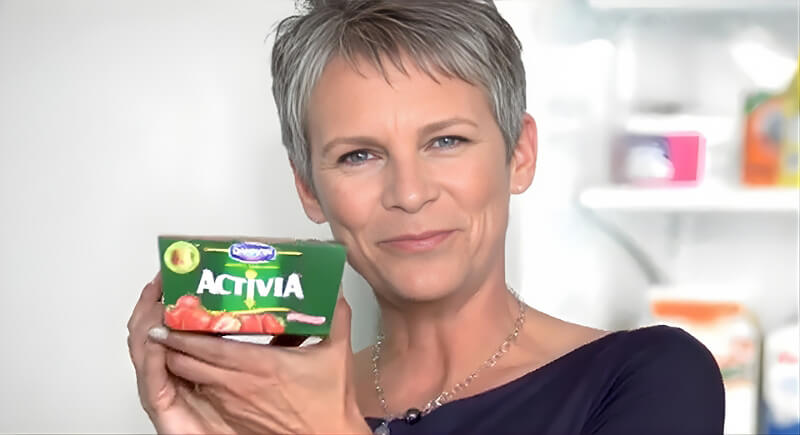
Jamie Lee Curtis Gets Regular
Credit: Youtube
The Activia campaign turned Jamie Lee Curtis into a spokesperson for digestive health over many years. The repetition mattered. What started as a single endorsement slowly reshaped how audiences associated her image, especially as the ads ran more often than her film appearances. The shift happened gradually, but it stuck.