10 Drive-In Movie Theater Memories That Make Us Miss Simpler Times
There was a time when watching a movie didn’t require reclining seats or surround sound to feel special. Drive-in theaters turned ordinary evenings into small events, built around cars, conversation, and a shared screen under the night sky. The details were simple, but they stayed with people long after the credits rolled.
Arriving Early For The Perfect Spot
Credit: Getty Images
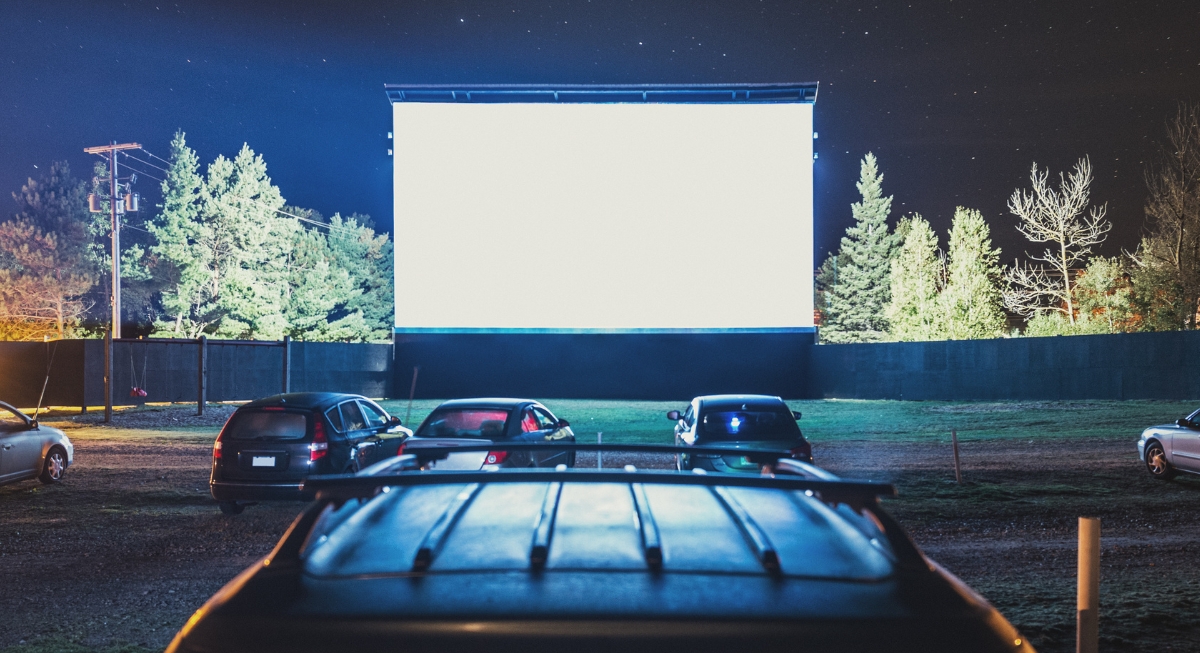
Regulars often lined up hours in advance, hoping to secure their preferred viewing angle. Staff directed cars into neat rows, and small adjustments with the steering wheel or a gentle roll forward helped frame the screen just right. The sense of claiming a temporary space added a personal touch to the experience.
The Glow Of The Giant Screen At Dusk
Credit: Getty Images
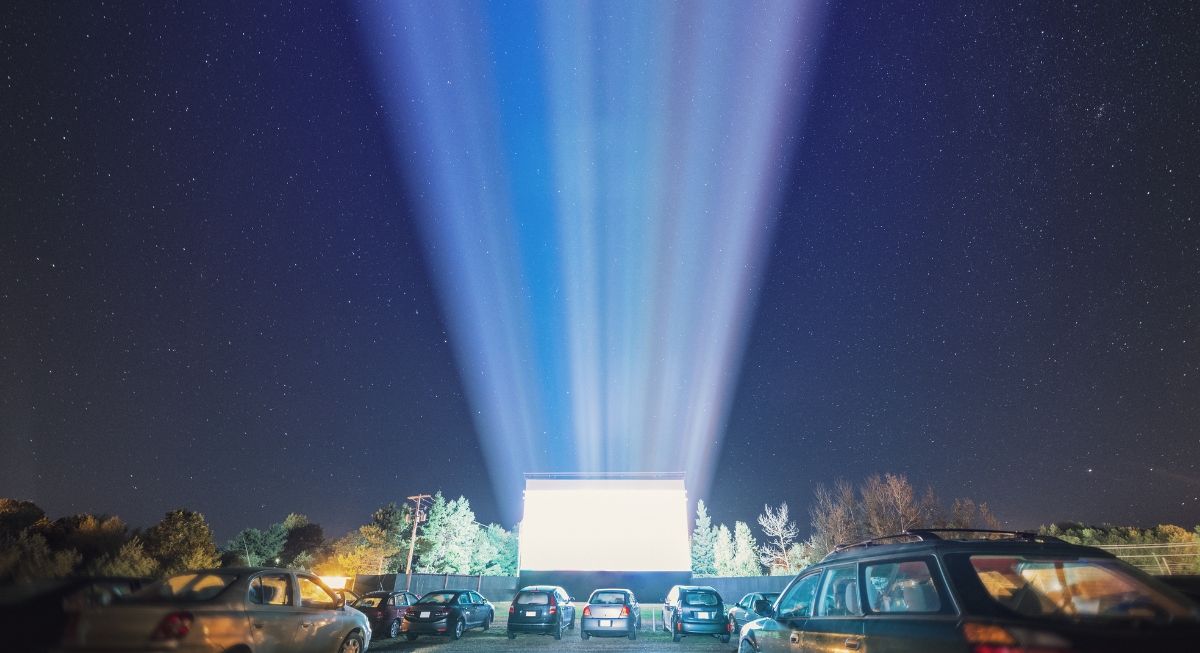
There was a brief moment when the sky shifted from blue to deep gray, and the screen came alive. Trailers flickered as families settled in, and headlights slowly dimmed across the lot. The screen felt larger outdoors, especially as darkness settled in. It created an anticipation that modern indoor theaters rarely replicate.
Hanging Speakers And Crackling Sound
Credit: iStockphoto
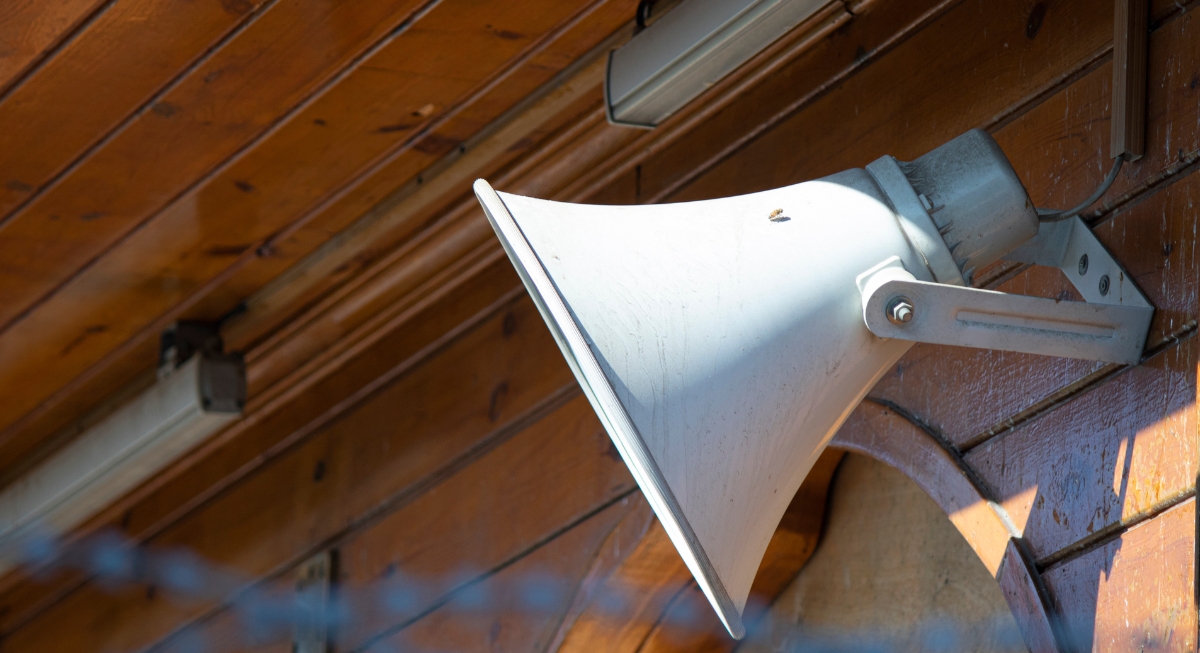
Before radio transmission became standard, many theaters used metal speakers that hooked onto car windows. The sound often carried a faint crackle, and volume knobs needed constant adjusting. Later, FM signals improved the experience but removed a small, tactile part of the ritual.
Snack Bar Runs Before The Movie Starts
Credit: pexels
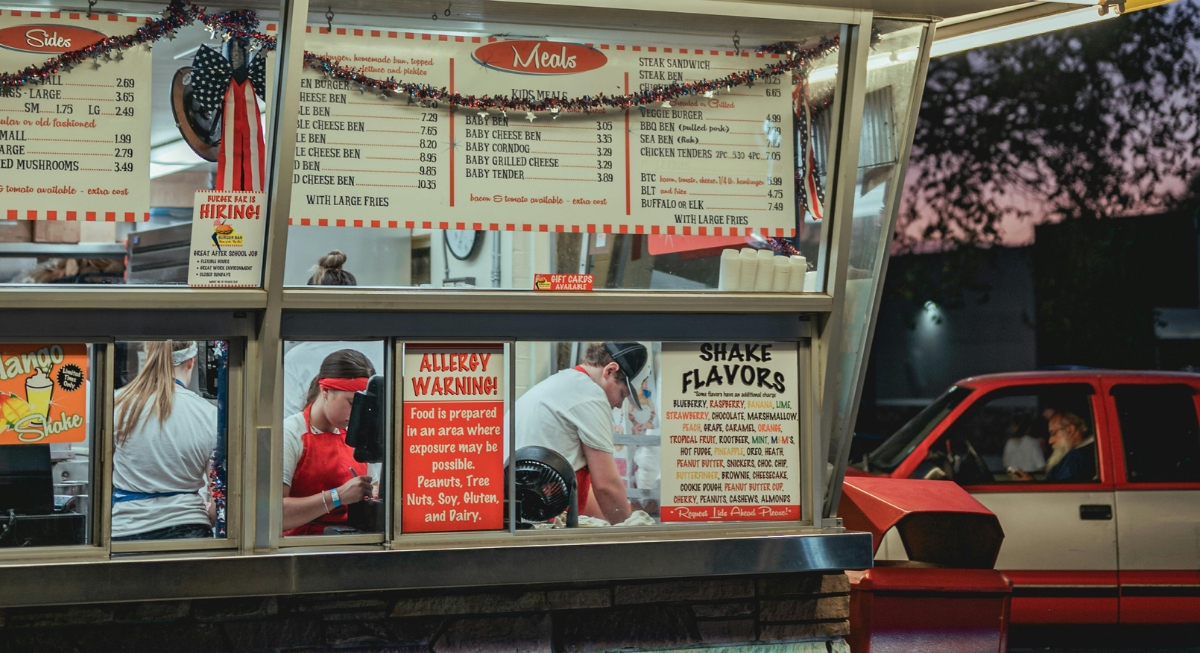
A trip to the concession stand had its own timing. Lines built up as showtime approached, and people moved quickly to grab popcorn and soda. Even with modest options, the anticipation of carrying snacks back to the car made it feel like a necessary part of the night.
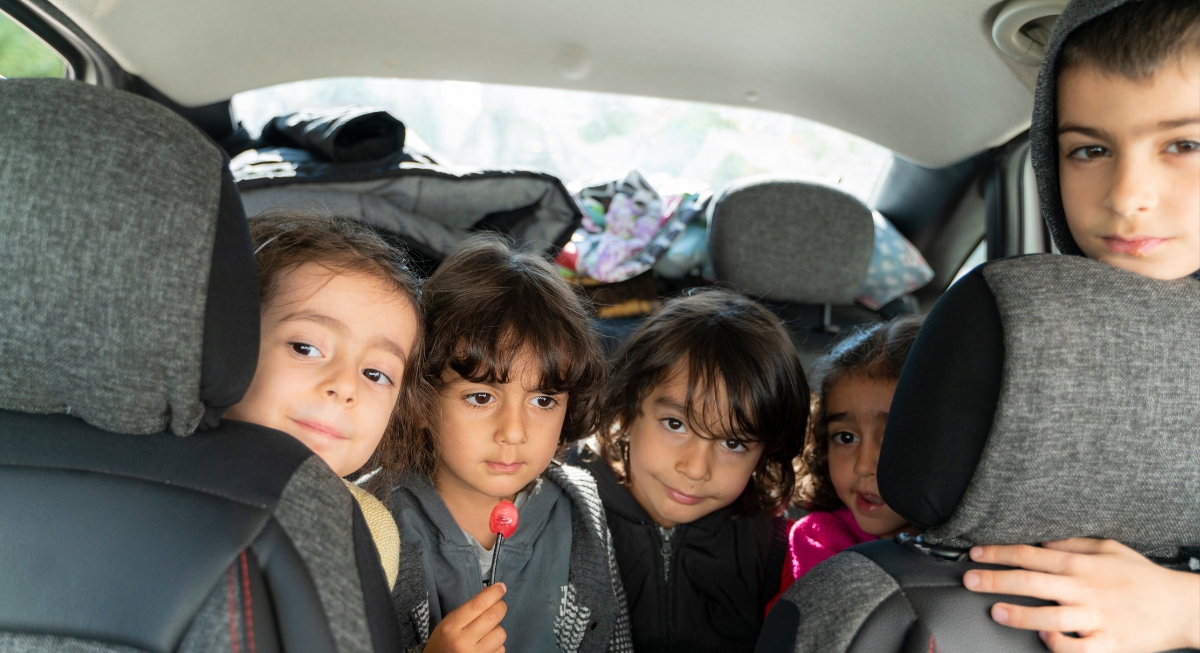
Kids In Pajamas In The Back Seat
Credit: Getty Images
Families often treated the outing as an extension of the evening routine. Children arrived already dressed for bed, tucked into blankets in the back seat. Many fell asleep before the second feature even began. Parents stayed for the full program, knowing the car ride home would finish the transition into sleep.
Double Features That Made Nights Longer
Credit: Getty Images
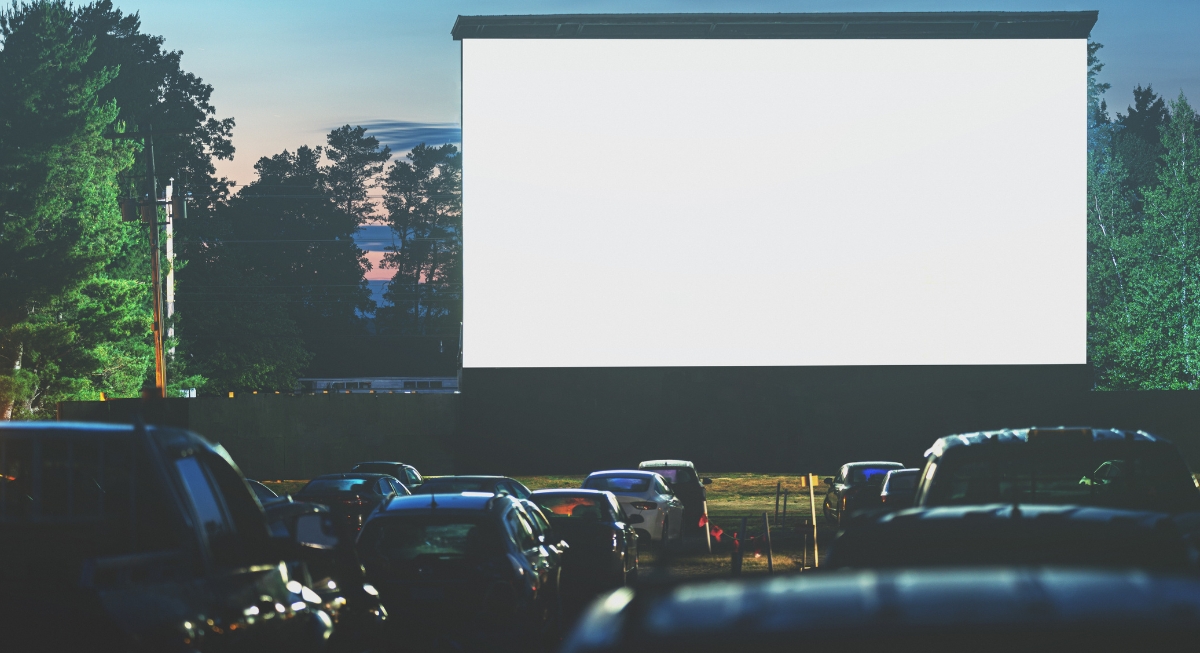
One ticket usually covered two films, sometimes even three at certain locations. The first movie drew the most attention, while the second became a slower, more relaxed watch. People shifted positions or chatted between scenes. The extended format felt generous compared to today’s single-feature model.
Walking Around Before Showtime
Credit: Canva
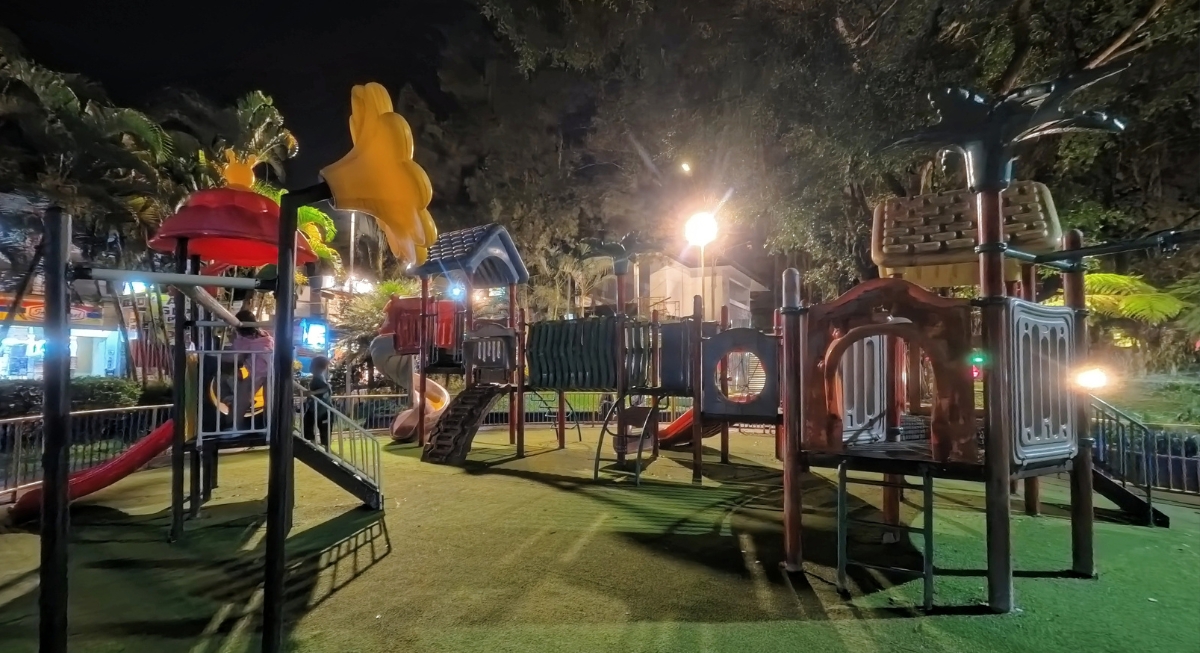
Before the screen lit up, many guests stepped out of their cars to pass the time. Some theaters included small playgrounds near the screen to give kids a place to burn off energy. Others simply offered open space where people could stroll and talk.
The Art Of Tuning The Radio Just Right
Credit: pexels
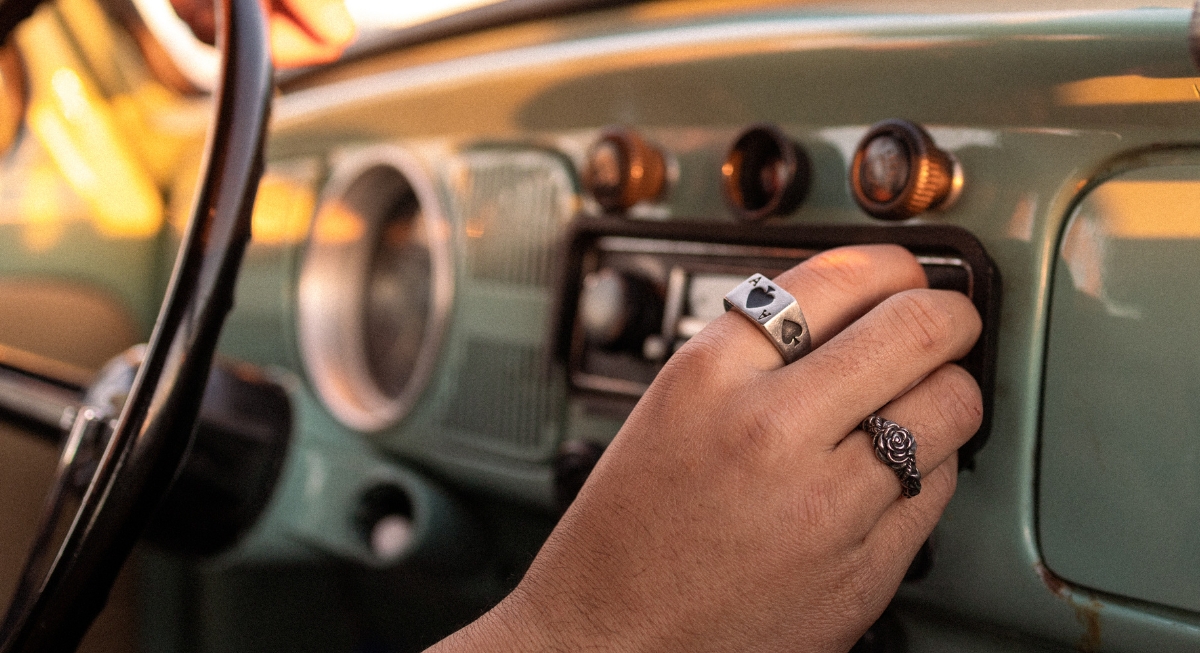
As theaters transitioned to FM transmission, tuning the car radio became part of the setup. Finding the exact frequency took a bit of patience, especially when interference crept in. Once locked in, the sound felt clearer and more consistent. It also allowed viewers to control volume from their dashboard.
Date Nights That Weren’t Just About The Movie
Credit: iStockphoto
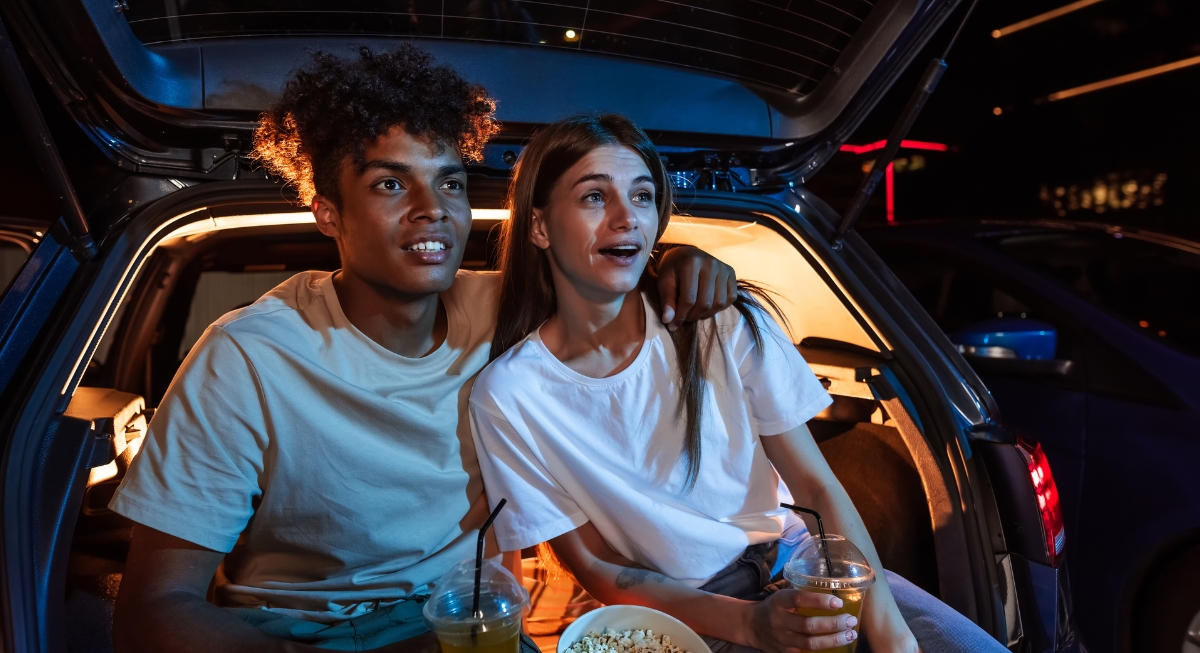
Drive-ins earned a reputation as popular date spots, and the film often shared attention with conversation. The setting offered privacy without isolation, letting couples talk, laugh, and relax without strict theater rules. The opening credits often played in the background while people focused on each other.
Honking And Headlights As Applause
Credit: Canva
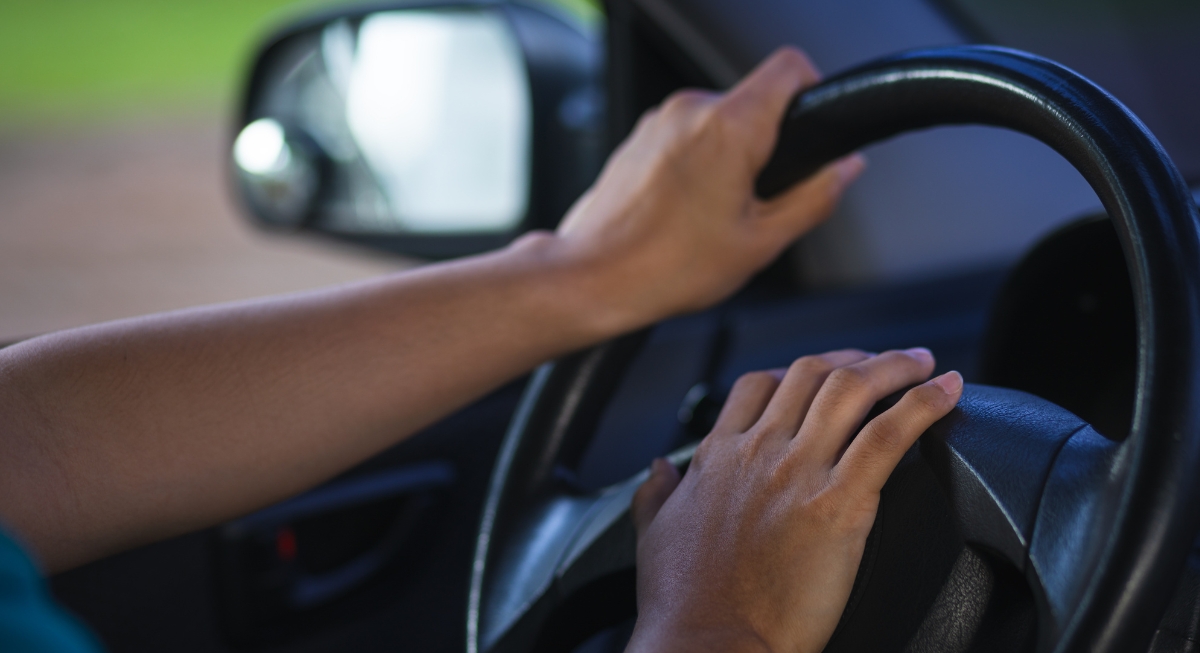
In recent years, especially during live events or drive-in concerts, audiences found new ways to respond. Without traditional applause, people flashed their headlights or honked to show appreciation. The effect created a wave of light and sound across the lot, with a communal feel.