Dream Job Alert: Spain Wants to Pay You to Drink Wine Every Day
Spain is running one of the largest long-term health studies ever conducted on alcohol consumption, and it includes free wine for some participants. The project is designed to answer a question researchers, doctors, and public health officials have debated for decades: how moderate drinking influences long-term health outcomes.
Researchers at the University of Navarra are leading the project through the Alumni Trialist Initiative (UNATI). Funded by the European Research Council, the study plans to follow up to 10,000 adults living in Spain. Over four years, researchers will monitor participants for major health outcomes, including cardiovascular disease, cancer incidence, cognitive decline, liver disease, and overall mortality.
The Study Structure

Image via Getty Images/gilaxia
The project is built as a randomized clinical trial, which is considered the strongest standard in medical research. Participants are randomly assigned to one of two groups so results can be compared accurately.
One group continues moderate alcohol consumption within defined limits, typically aligned with Mediterranean dietary habits. The second group follows full alcohol abstinence. Both groups complete regular health surveys, attend scheduled check-ins, and work with health professionals throughout the study period.
Researchers designed the trial to generate stronger clinical evidence than earlier alcohol studies, which often relied on observing existing lifestyle patterns instead of controlling variables directly.
Who Can Take Part

Image via Canva/Rido
There are strict eligibility requirements for this study. Participants must already be moderate drinkers. The target age range generally includes adults aged about 50 to 75.
Volunteers must live in Spain and complete a medical screening before enrollment. They must also agree to follow whichever study group they are assigned to for the full duration.
How The Wine Is Provided
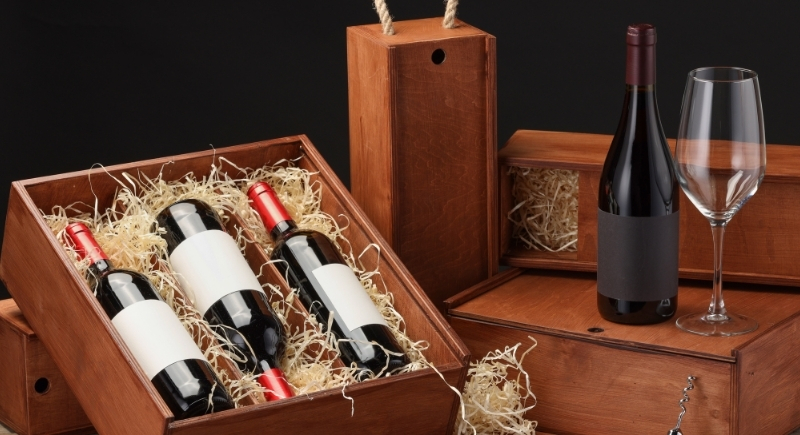
Image via Canva/Africa images
Participants in the moderate drinking group receive controlled monthly allocations of red wine, typically about 1.5 liters per month. Both study groups receive Mediterranean diet staples, such as extra-virgin olive oil.
Those assigned to abstinence receive alcohol-free beer along with the same food items to keep the overall diet support consistent across both groups. The wine is purchased through supermarket supply chains to avoid influence from alcohol producers.
The Core Health Question
Alcohol research has produced mixed findings for years. Some global health studies link alcohol consumption to increased health risks at any level. Other large population studies have shown lower mortality rates among moderate drinkers in certain age groups.
One major challenge in earlier research involved separating alcohol effects from broader lifestyle differences between drinkers and non-drinkers. Randomized trials help control those variables by tracking outcomes under closely monitored conditions over several years.
Tracking Drinking Patterns Alongside Quantity

Image via Canva/View Apart
The study also evaluates drinking patterns, not just total alcohol intake. Mediterranean-style drinking typically involves smaller portions, wine as the primary beverage, and consumption with meals spread across the week.
Researchers are measuring whether this pattern produces different long-term health outcomes compared with complete abstinence.
A Study With Global Public Health Implications
The data generated from this study could shape future medical guidance, public health recommendations, and alcohol consumption guidelines.
Participants are contributing to one of the largest controlled alcohol health studies ever conducted, helping researchers build stronger evidence about how moderate drinking affects long-term health, particularly in aging populations.