Do More People Die From Falling Coconuts Than From Shark Attacks?
The idea that falling coconuts kill more people than shark attacks has been floating around for more than 20 years. It shows up in news articles, conservation messaging, and trivia lists, often repeated as a surprising “fact.” The claim did not come from a global health study or any medical database. It traces back to press briefings and promotional material from the early 2000s, then spread through media coverage and advocacy campaigns.
The number most often quoted is about 150 deaths a year worldwide from falling coconuts. It sounds specific, which makes it convincing. Specific numbers suggest someone did the work. In reality, there is no global system that tracks coconut-related deaths. Hospitals, coroners, and health agencies do not record fatalities under a category for falling fruit. The figure stuck because it was memorable and useful, not because it was carefully verified.
Shark Numbers Are Easier To Count
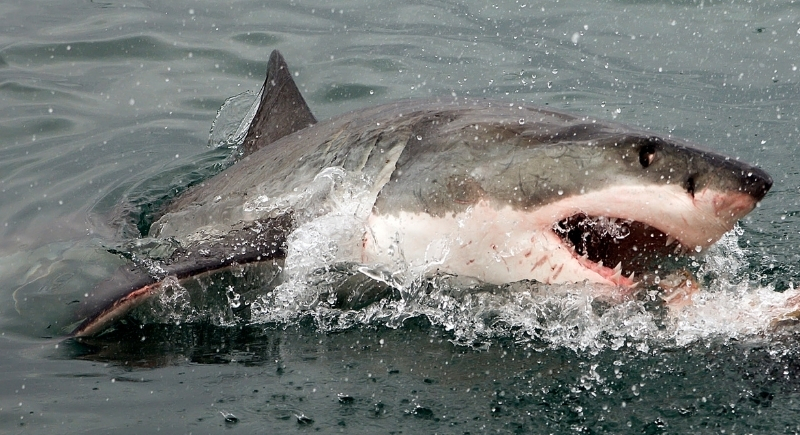
Image via Getty Images/webguzs
Shark fatalities tell a different data story. Researchers track unprovoked attacks through a centralized international database that logs incidents across countries and decades. Over recent years, the global average has been around six deaths annually. The numbers change each year, but the data stays visible and traceable. One side of the comparison rests on consistent reporting and review. The other floats without a reliable counting method. Comparing them anyway turns a lopsided setup into a catchy slogan.
What Injury Records Actually Suggest

Image via Canva/Sandra Dans
Falling coconuts can injure and, in rare cases, kill. That risk exists, especially in areas with dense coconut trees and heavy foot traffic. Local reports document incidents, sometimes severe. Yet those reports remain sparse across decades.
Even regions with long newspaper histories have only a handful of documented fatalities directly linked to coconuts. However, this does not make coconuts harmless. It does show how inflated global estimates lack support. Shark deaths remain unlikely events, yet they are carefully counted. The difference lies in documentation, not danger.
Why The Comparison Refuses To Die
The coconut versus shark line is still widely circulated because it feels clever. It flips fear and lets people feel smarter than instinct. It also offers comfort by shrinking a dramatic threat into a punchline. That emotional payoff keeps it alive long after fact checks cool its momentum.
The irony is hard to miss. A claim designed to challenge exaggerated fear became exaggerated itself. Sharks gained nuance, coconuts gained an unearned body count, and the story outgrew the data. So the next time the coconut line pops up, it helps to remember how easily numbers can travel when they sound good, and how quietly they fade when someone asks to see the math.