Discontinued Vintage Candy Bars That Vending Machines Completely Stopped Carrying
Candy machines once offered much more variety. Office hallways, bus stations, bowling alleys, and laundromats stocked bars that barely survived past the 1970s or 1980s. A few disappeared due to poor sales, corporate buyouts, or recipe changes. They still have loyal fans who remember exactly how they tasted, especially after getting slightly warm inside a vending machine on a summer afternoon.
Marathon Bar
Credit: Facebook
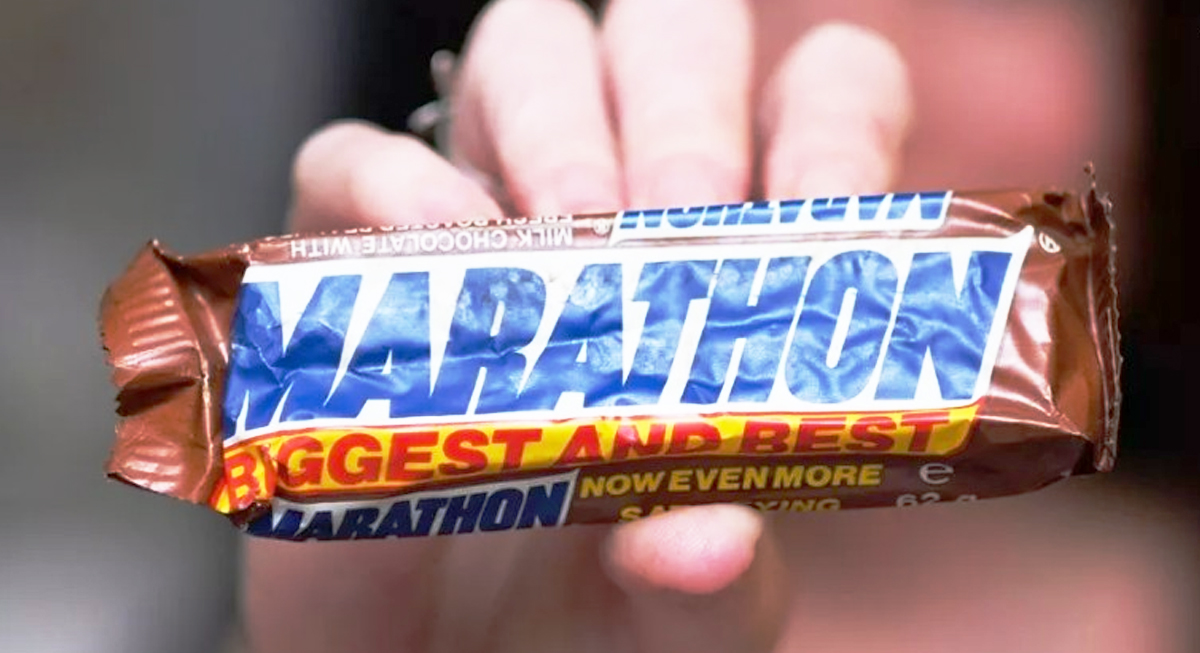
Mars introduced the Marathon Bar in 1973 and gave it one gimmick nobody forgot: length. The braided caramel stretched eight inches and came wrapped with a ruler printed right on the package. Eating one during a school break could take half an afternoon because the caramel fought back the entire time.
Seven Up Candy Bar
Credit: X
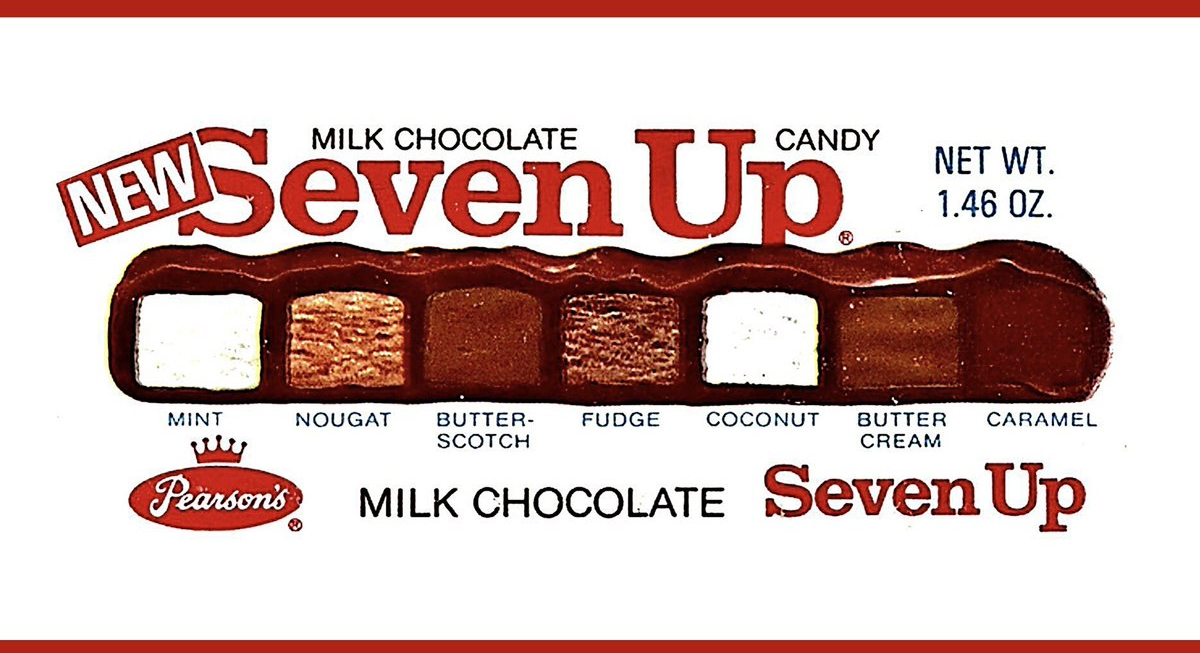
The Seven Up Candy Bar offered seven different fillings packed into one package. Pearson’s made it during the 1930s, and the sections included fudge, coconut, mint, and caramel. The candy looked clever, but it created headaches during production because assembling seven separate compartments slowed everything down.
PB Max
Credit: Reddit
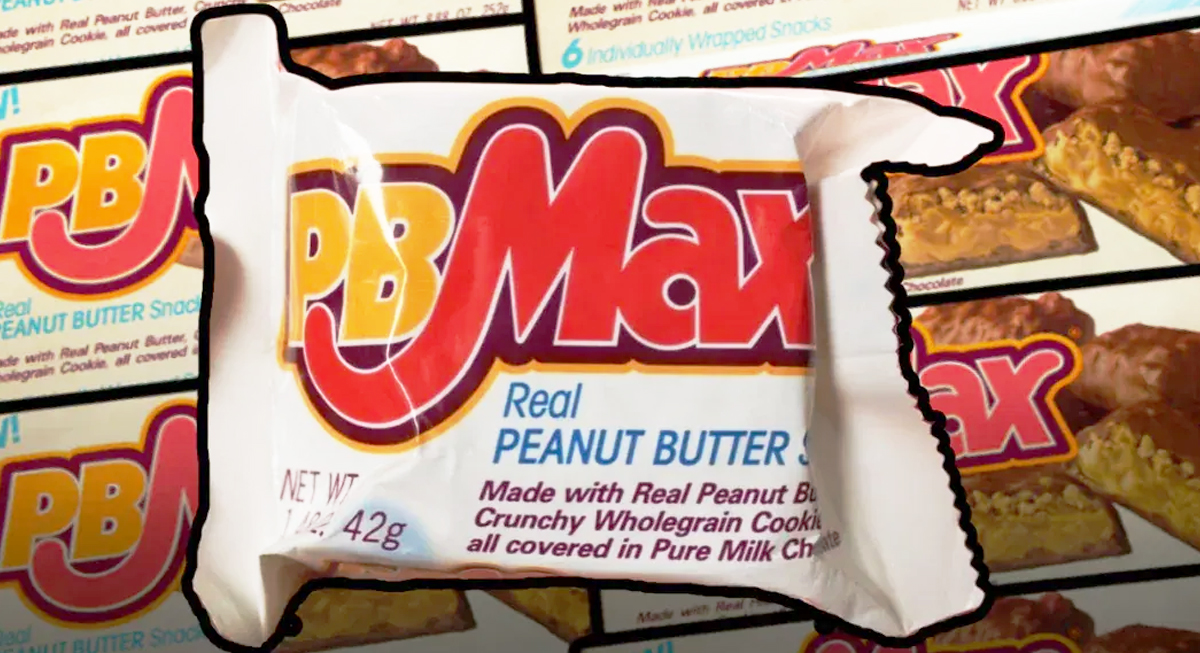
PB Max arrived in 1989, featuring peanut butter, oats, cookie pieces, and milk chocolate in a single thick square bar. It sold surprisingly well and reportedly moved millions of units each month. Then Mars discontinued it anyway. Former executives claimed the Mars family simply disliked peanut butter, which sounds made up.
Choco’Lite
Credit: Reddit
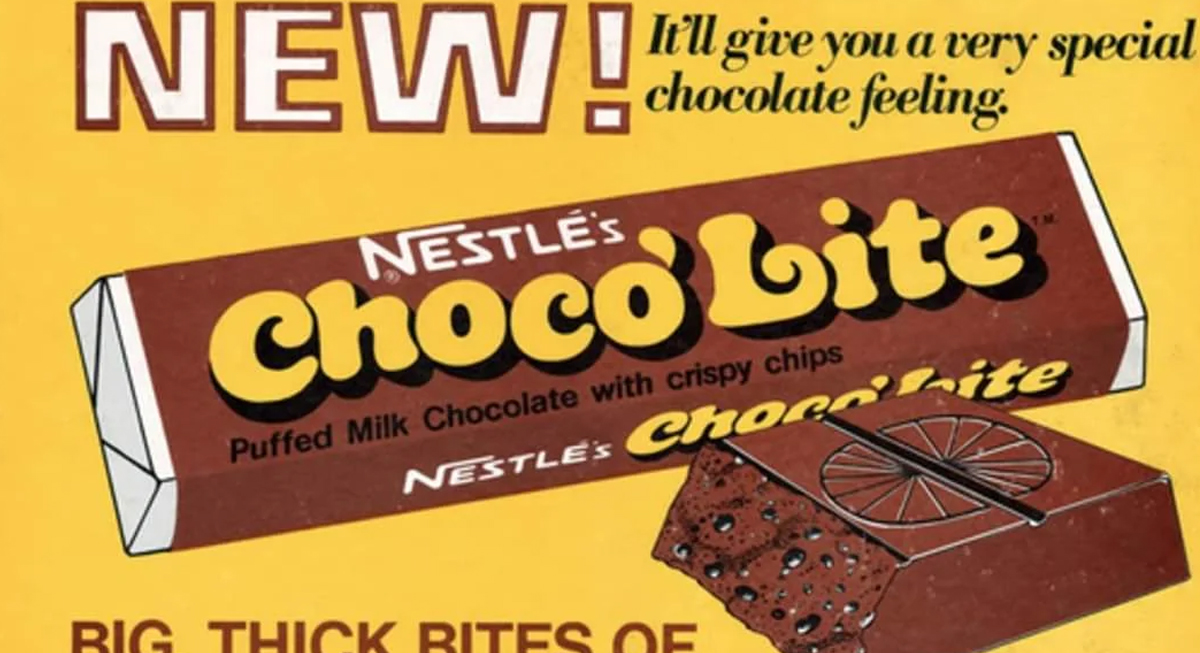
Nestlé leaned hard into the “light” food craze when Choco’Lite appeared in 1972. The bar contained tiny air pockets that made the chocolate feel crisp without becoming crunchy like a Krackel bar. It melted quickly in warm vending machines, though, and customers sometimes opened wrappers containing misshapen chocolate bubbles.
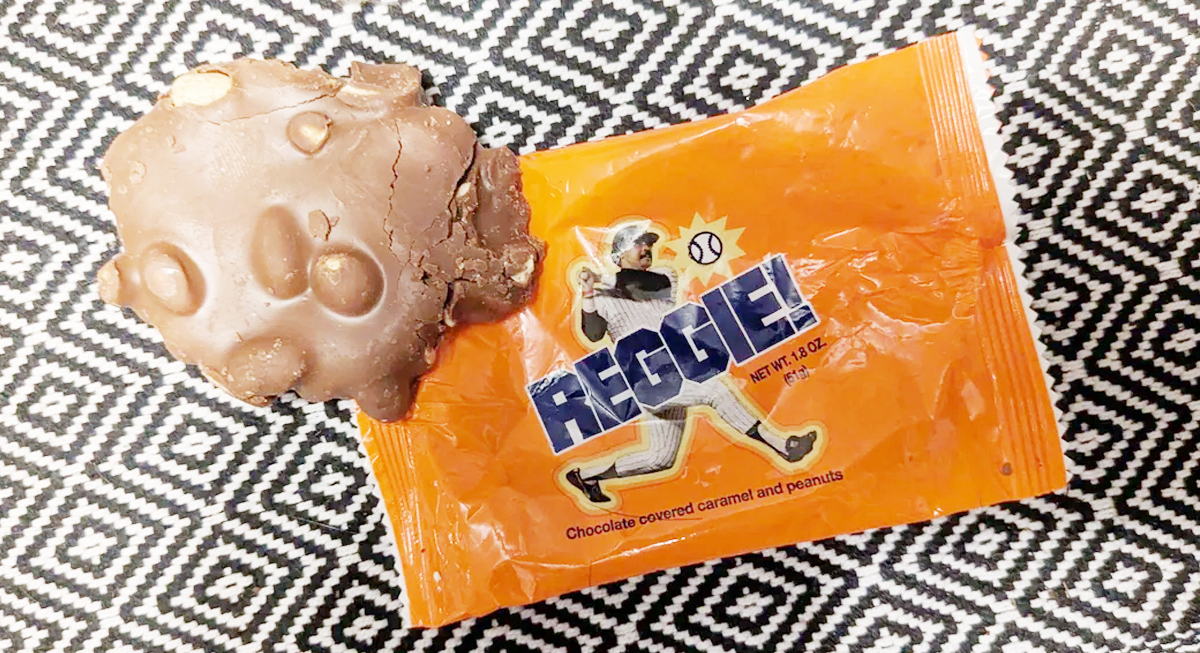
Reggie! Bar
Credit: Reddit
Named after Yankees slugger Reggie Jackson, this round candy was packed with caramel and peanuts under milk chocolate. Fans at Yankee Stadium once threw the bars onto the field after Jackson homered during a promotional event. The candy sold well during his peak years but faded once the novelty wore off.
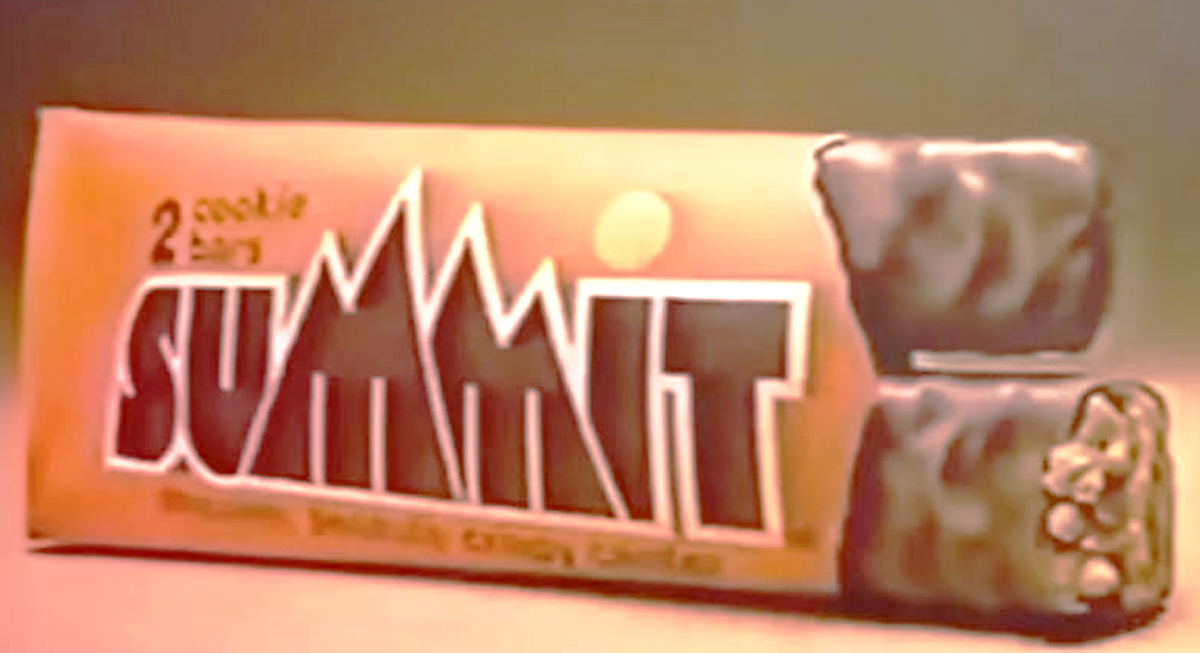
Summit
Credit: Facebook
Mars created Summit in 1977 as a wafer-and-peanut competitor to Twix. Then stores noticed a problem. Summit bars softened quickly inside vending machines and turned messy during warmer months. Freezing them only hardened the texture. Mars kept adjusting the formula but never solved the issue, and Summit disappeared during the mid-1980s.
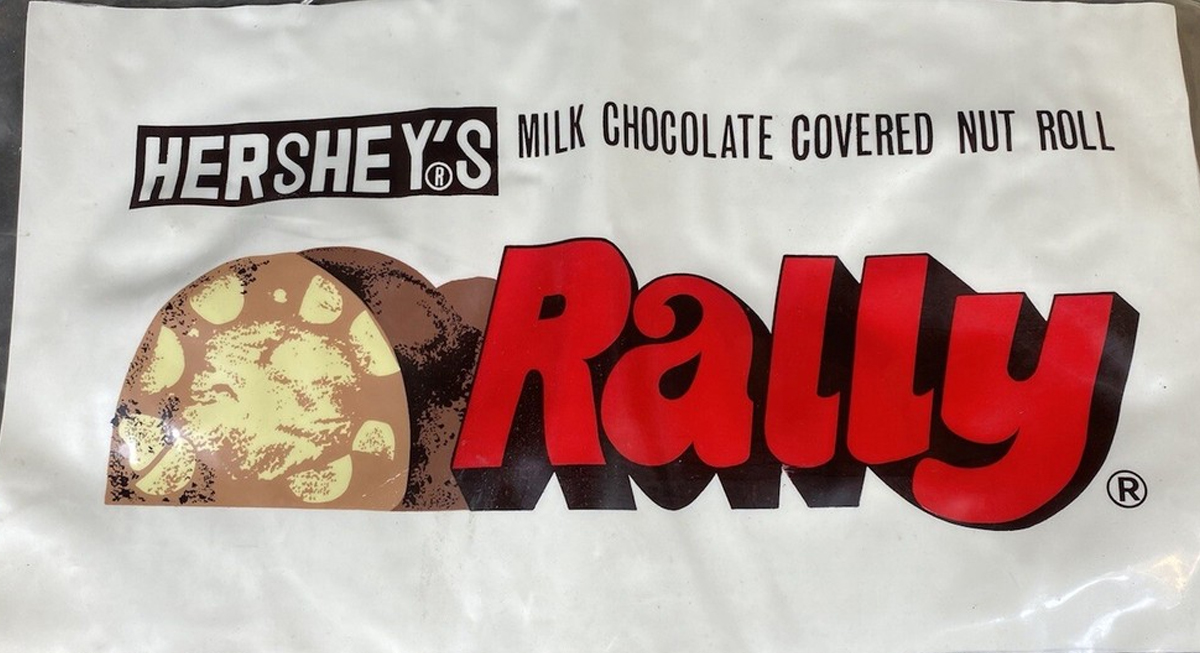
Rally Bar
Credit: eBay
Hershey’s Rally Bar built a loyal following during the 1970s with caramel, peanuts, and nougat covered in Hershey’s chocolate. Fans constantly compared it to Snickers and argued that the chocolate tasted better. Hershey kept discontinuing and reviving the candy every few decades, which only added to its reputation.
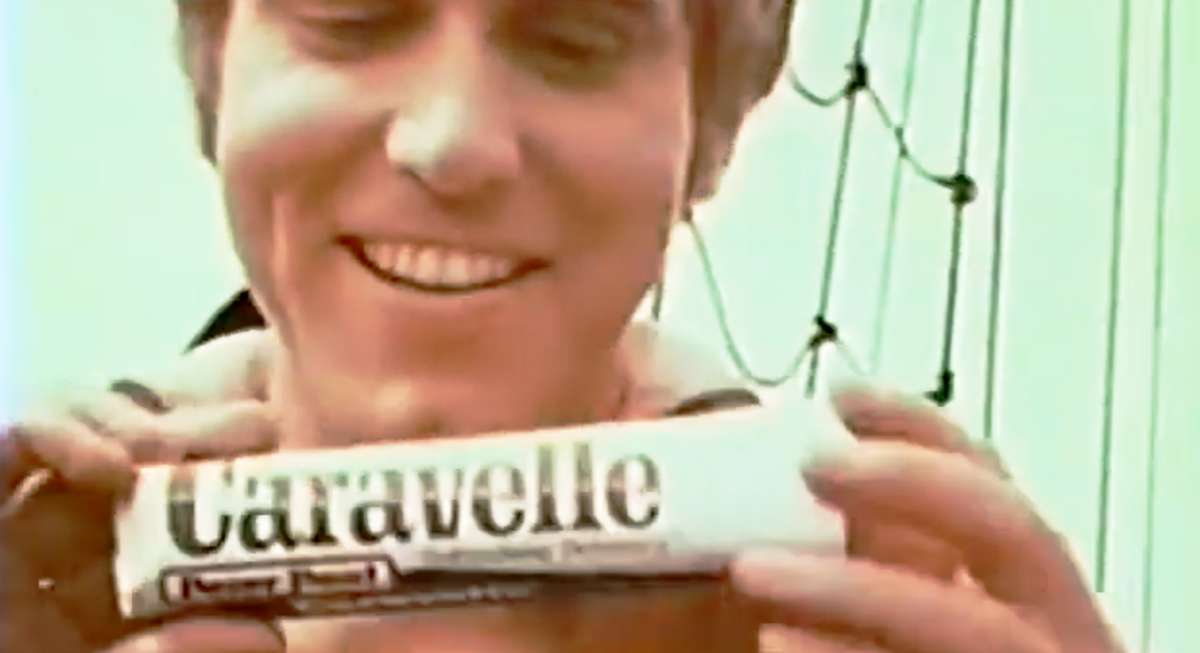
Caravelle Bar
Credit: Youtube
Peter Paul introduced the Caravelle Bar with crisped rice, caramel, and milk chocolate, packaged in a compact rectangular shape that fit perfectly in vending machines. The candy arrived before 100 Grand became widely recognized, and many people still compare the two bars. Trouble started after Cadbury purchased Peter Paul in 1978 and trimmed parts of the lineup.
PowerHouse Candy Bar
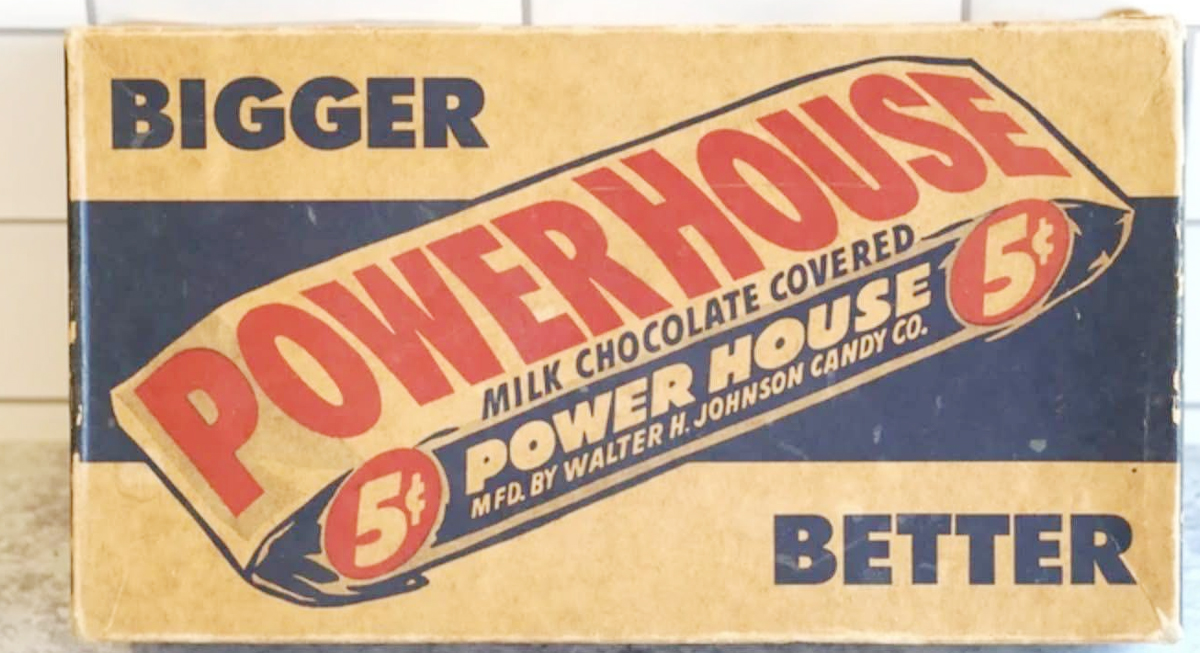
Credit: Facebook
The PowerHouse Candy Bar looked dense enough to qualify as emergency rations. Peter Paul filled it with fudge, caramel, peanuts, and chocolate. Workers grabbing a quick lunch often picked PowerHouse because one bar could actually feel filling. The bar disappeared during the mid-1980s.
Chicken Dinner
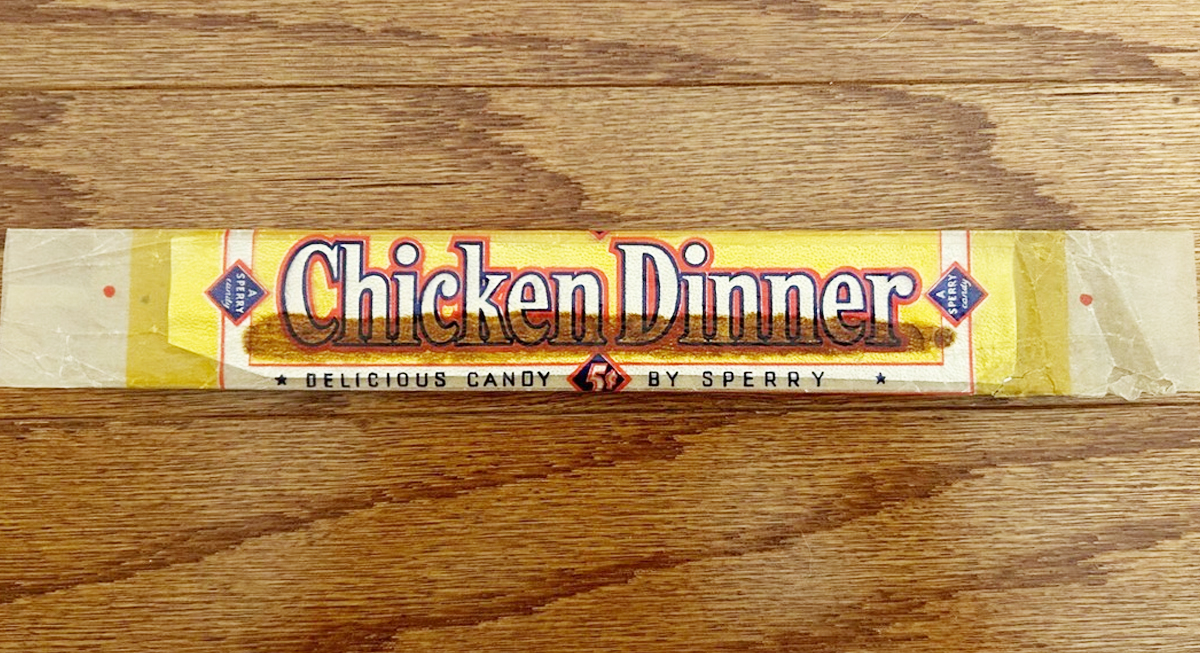
Credit: eBay
Nobody forgot the name Chicken Dinner, which probably helped the candy survive as long as it did. Sperry Candy marketed it as a more respectable snack during the Great Depression, almost like candy with ambitions. Vending machines carried Chicken Dinner bars for decades because the unusual wrapper caught attention immediately.