10 Discontinued ’90s Drinks Known for Bold Experiments and Unusual Ideas
The 1990s beverage market was defined by bold experimentation. Brands introduced unconventional concepts that focused on appearance, texture, and novelty. Many of these products were short-lived, but they stood out for how different they felt from standard drinks. Their distinct approach continues to make them memorable years later.
Crystal Pepsi
Credit: Wikimedia Commons
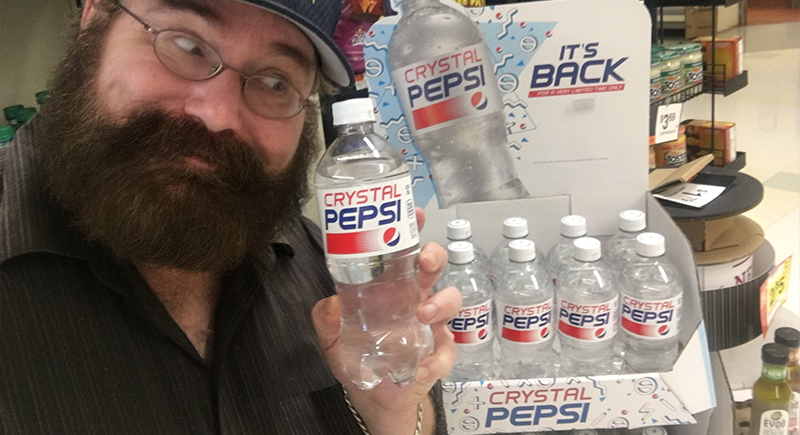
Crystal Pepsi launched in the early 1990s as a clear cola, built on the idea that transparency signified purity and freshness. The product received major promotion, including a high-profile Super Bowl campaign. Despite the strong launch, consumers found the flavor unfamiliar for a cola, and interest declined quickly. It was later discontinued, with occasional limited revivals.
Josta
Credit: Facebook
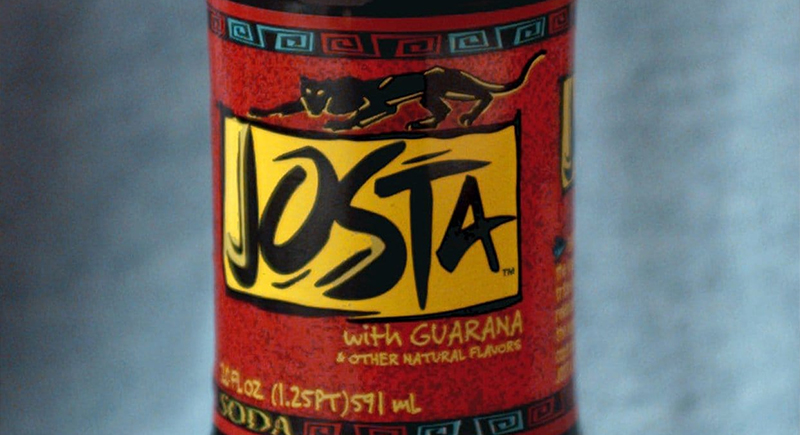
Josta was introduced by Pepsi in 1995 as one of the first mainstream sodas to include caffeine and guarana. It arrived before the energy drink category became popular. While it developed a small following, it was discontinued before the market expanded. A later appearance in Loki briefly brought renewed attention to the brand.
Squeezit
Credit: Wikipedia
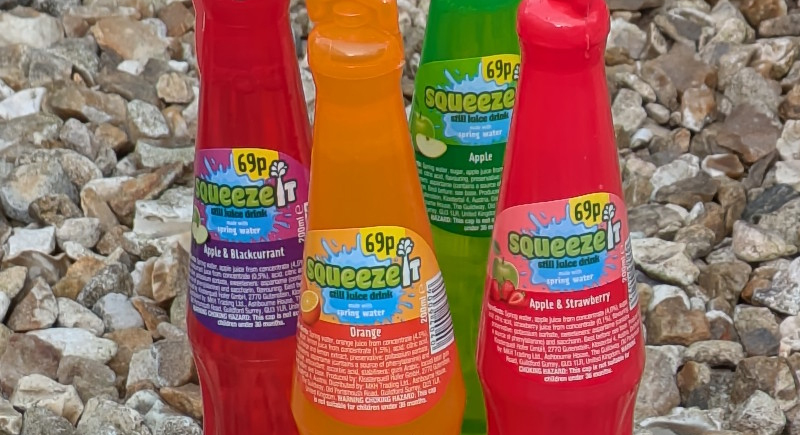
Squeezit was discontinued in 2001, but its bottle design remains instantly recognizable. The drink was packaged in a soft plastic bottle that had to be squeezed to release the liquid. This design made it especially popular with kids. Produced by General Mills, it remained a staple on shelves throughout the 1990s thanks to its bright colors and sweet flavors.
Fruitopia
Credit: Facebook
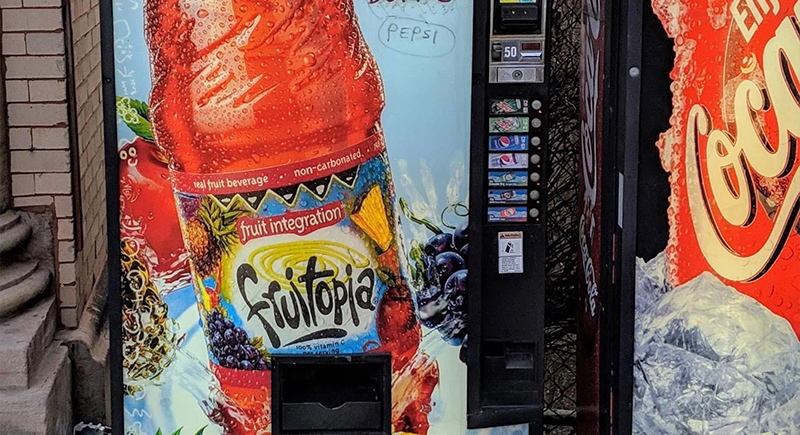
Coca-Cola launched Fruitopia with fruit blends and fun names like “Strawberry Passion Awareness.” The branding tapped into the decade’s fascination with wellness and self-expression. Dedicated vending machines helped the drink spread across schools and malls.
Orbitz
Credit: Wikimedia Commons
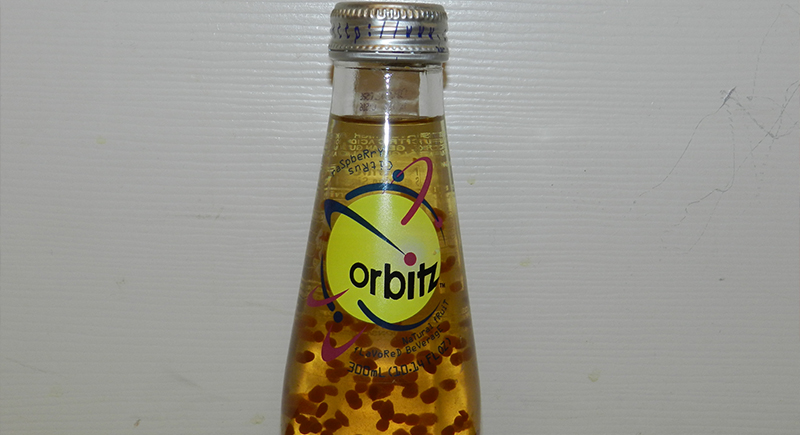
At first glance, Orbitz looked more like a lava lamp than a beverage. The clear drink held colorful gelatin beads that floated in place. The novelty grabbed attention immediately. The texture turned many drinkers away after the first try, though.
7-Up Gold
Credit: Instagram
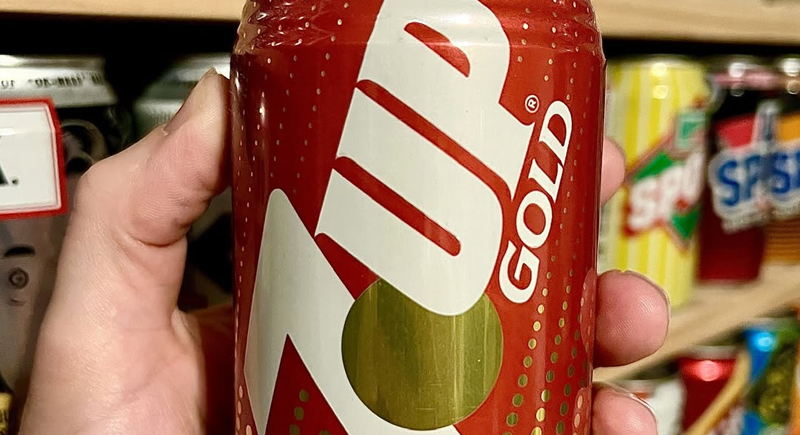
Nothing about 7-Up Gold matched what people expected from the brand. Instead of a crisp lemon-lime flavor, it offered darker notes of cinnamon and ginger. It also contained caffeine and looked closer to cola than soda water.
Surge
Credit: Youtube
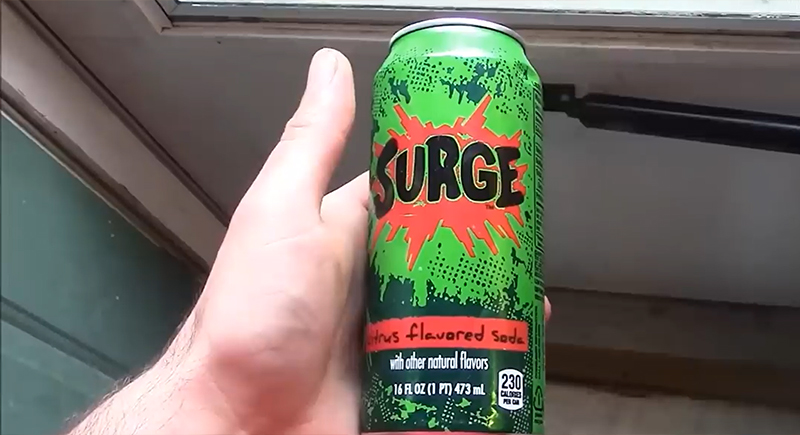
Surge arrived with a sweeter citrus flavor and a heavy dose of caffeine aimed at teenagers. Coca-Cola pushed it as an alternative to typical lemon-lime drinks, but it disappeared in the early 2000s when sales slowed. Clearly, the drink left a bigger mark because campaigns forced limited returns.
Bud Dry
Credit: ebay
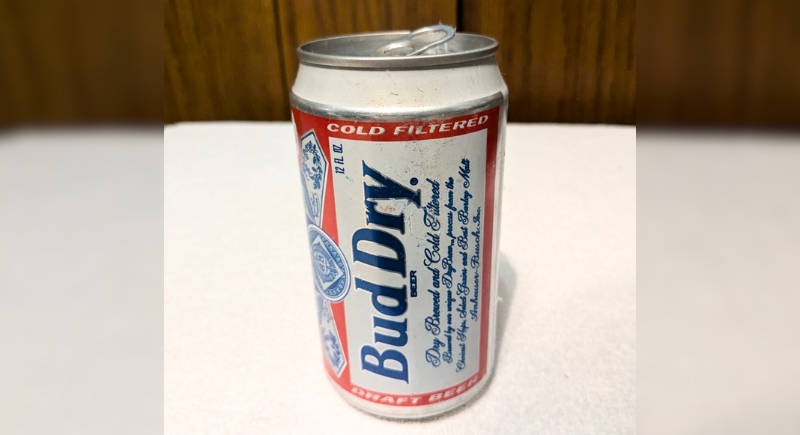
Beer joined the wave of experimentation with Bud Dry. The brand survived for years before finally disappearing in 2010. Anheuser-Busch promoted it as smoother with a “dry-brewed” finish that supposedly removed aftertaste. The slogan “Why ask why? Try Bud Dry!” appeared everywhere during its early push.
BoKu
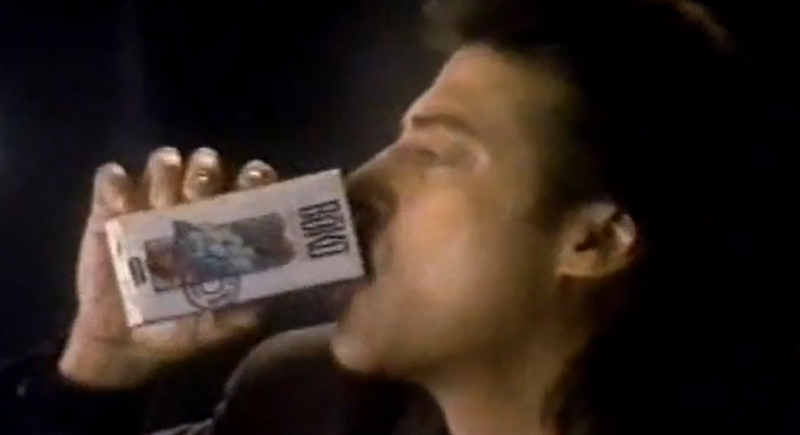
Credit: Youtube
BoKu was marketed as a larger, more refined juice drink, with flavors like Black Cherry White Grape, and ads featuring Richard Lewis aimed at adults. Despite that positioning, it never gained strong traction. The product lacked a clear use case, which made it harder for consumers to connect with it. Over time, declining interest led to its discontinuation.
Olestra Era Drinks And Health Hype
Credit: pexels
The ‘90s also saw ‘healthier’ junk food, and beverages followed suit. Products connected to fat substitutes like Olestra promised indulgence without guilt. Early excitement drew strong attention from curious shoppers. However, reports of digestive side effects soon dominated headlines.