10 Wedding Traditions That Are Disappearing (And Nobody Misses the Garter Toss)
Weddings used to follow a familiar playbook shaped by family expectations and social norms. Couples rarely questioned the sequence. Over the generations, however, that structure has loosened. Modern weddings often keep what feels comfortable and skip what feels awkward or unnecessary. Several customs that once appeared at nearly every reception have slipped away with little resistance, and guests rarely complain about their absence.
The Garter Toss
Credit: pexels
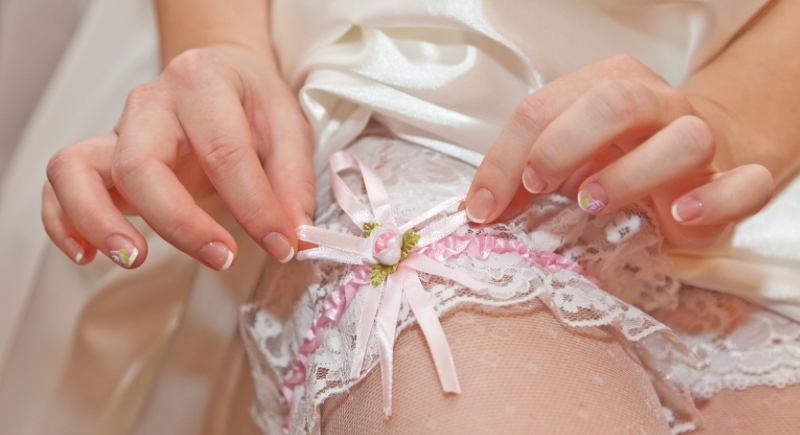
Reception traditions used to include a tradition where the groom would remove a garter from the bride’s leg and toss it to unmarried men. The practice dates back centuries, when wedding garments were thought to bring good luck. Modern couples often skip the ritual because it places the bride in an uncomfortable spotlight.
The Bouquet Toss
Credit: Getty Images
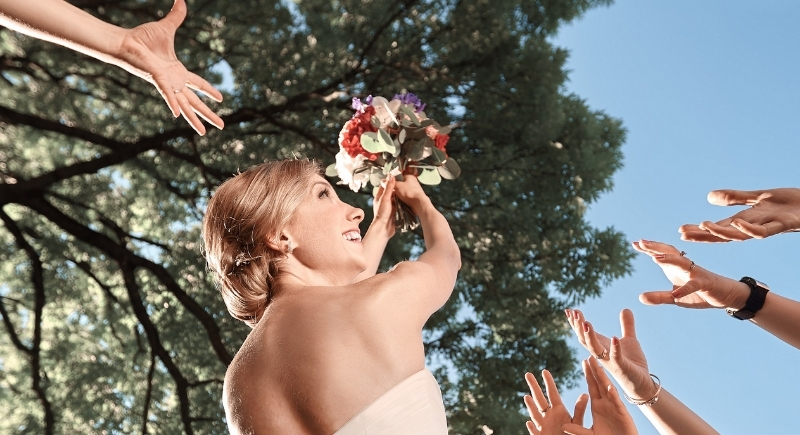
During the reception, unmarried women traditionally gather while the bride tosses her bouquet into the crowd. According to custom, the person who catches it is believed to be the next to marry. The moment can still be fun and remains fairly common at many weddings today. At the same time, some couples choose to skip it, especially at celebrations where guests span a wide range of ages and life stages.
Receiving Lines After The Ceremony
Credit: Getty Images
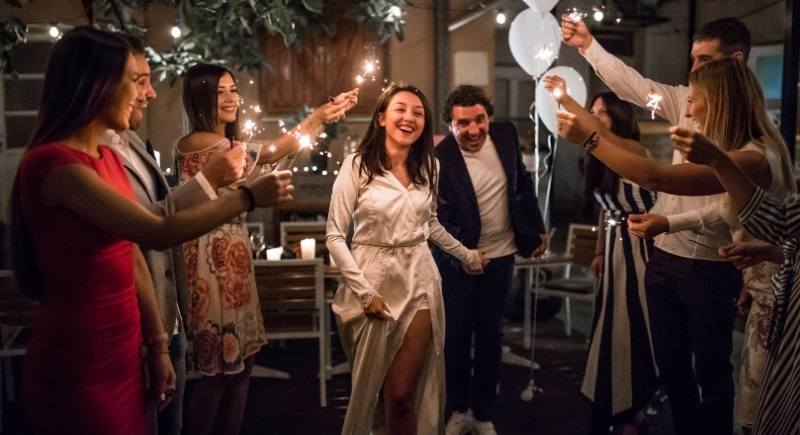
After the ceremony, guests would form a long queue to greet the couple, their parents, and the wedding party. At large weddings, the process stretched on for ages. Many couples now greet people naturally throughout the evening. It’s less formal, and conversations last longer than a quick handshake and congratulations.
Perfectly Matching Bridesmaid Dresses
Credit: Canva
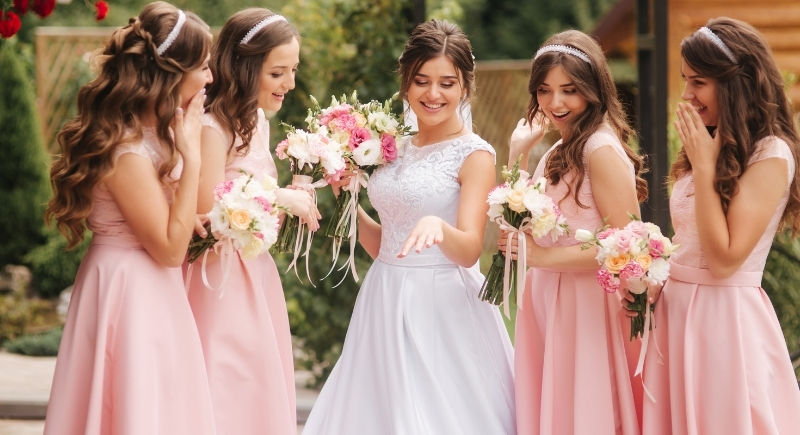
Wedding photos from the 1980s and 1990s often show bridesmaids wearing identical dresses down to the shoes and hairstyles. Bridal magazines once insisted that the look created polished symmetry in pictures. Fashion tastes eventually loosened. Bridesmaids today often choose different silhouettes within the same color palette. Bridal brands have also responded with mix-and-match collections.
Cake And Punch Receptions
Credit: pexels
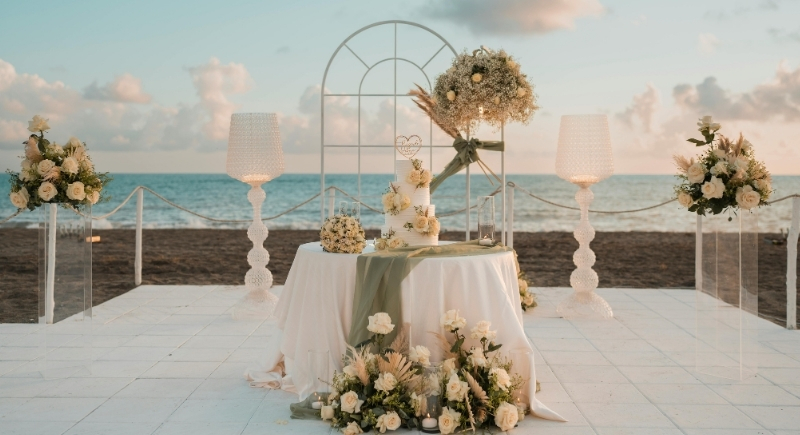
For much of the 20th century, many weddings featured simple receptions centered on cake and punch. Newspapers even described the style as elegant hospitality. The format began fading as couples added dinner and dancing to their celebrations. Guests today expect a longer gathering with a meal or buffet.
Weekday Wedding Ceremonies
Credit: Getty Images
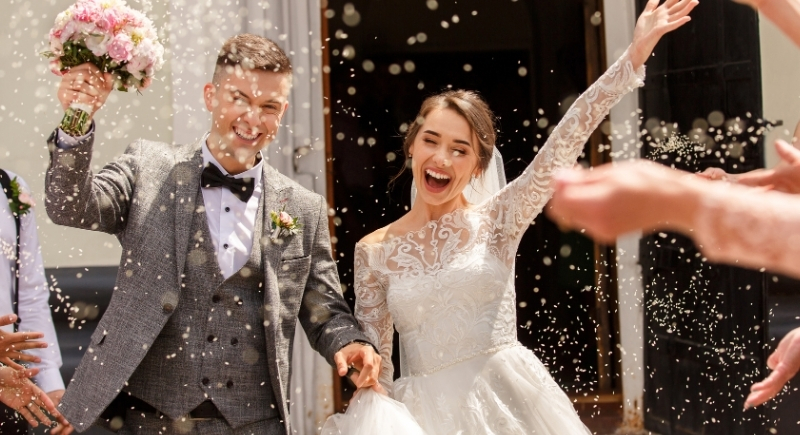
An old rhyme was commonly used to guide brides in choosing a wedding date. Monday promised wealth, Tuesday health, Wednesday was “best of all,” and Saturday carried terrible luck. The superstition faded as work schedules and travel patterns changed during the 20th century. The supposedly unlucky day became the most popular option on the calendar.
Family Members Serving The Reception Meal
Credit: Canva
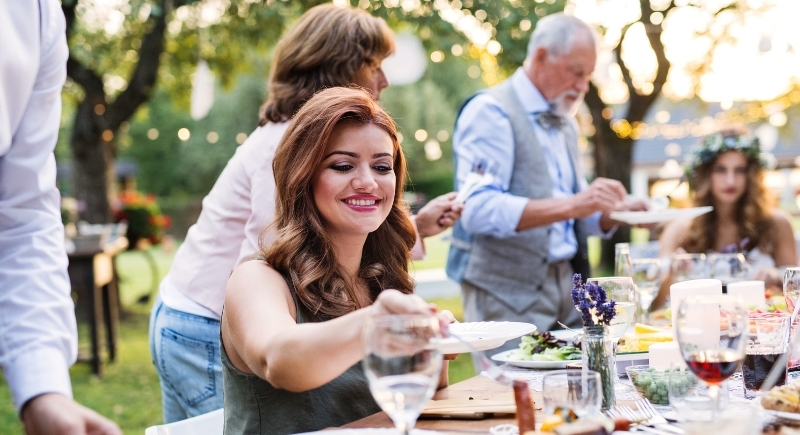
Mid-century weddings often relied on relatives to help run the reception. Aunts poured punch, cousins carried trays, and neighbors cut slices of cake. Professional catering gradually replaced that system, as hiring staff allows families to enjoy the celebration, too.
Large, Symmetrical Wedding Parties
Credit: Canva
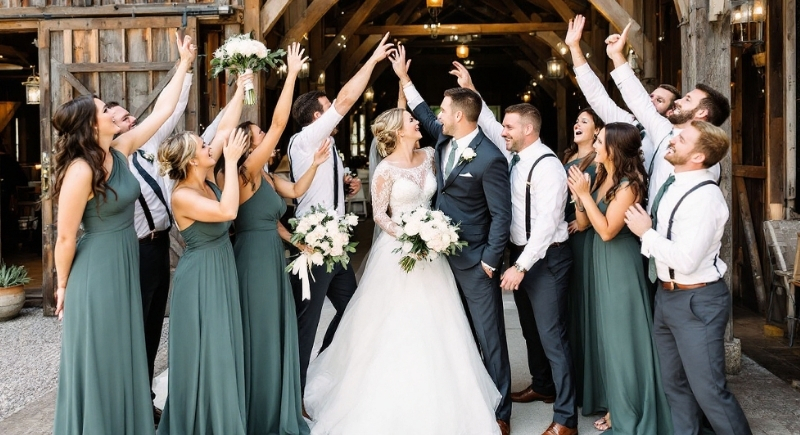
If the bride had five bridesmaids, the groom needed five groomsmen. The arrangement looked neat in photographs, but couples today rarely worry about that symmetry. Many choose smaller groups made up of their closest people. Photographers often say the atmosphere feels more relaxed when attendants focus on supporting the couple instead of maintaining perfect formation.
Traditional Household Gift Registries

Credit: Canva
Newlyweds in the 80s and 90s often needed china sets and household appliances while setting up their first home together. These social habits have changed as many modern couples begin living together before marriage. Many already own basic kitchen equipment. Modern registries frequently include honeymoon funds or contributions toward housing costs.
Oversized Cascading Bridal Bouquets
Credit: Getty Images
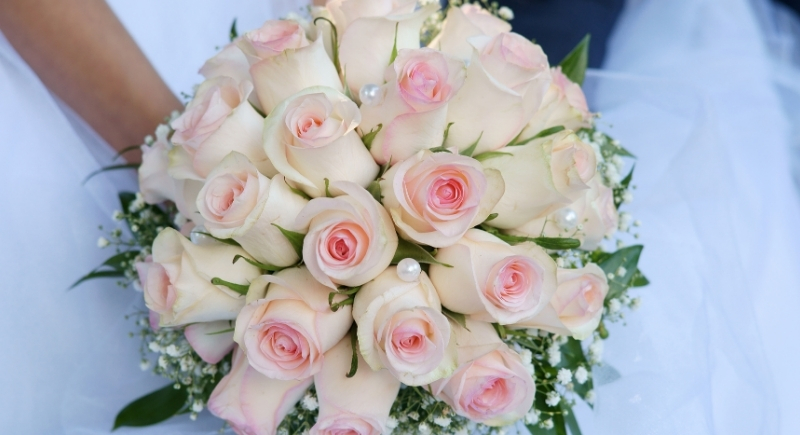
The cascading bouquet enjoyed a surge of popularity after Princess Diana carried one at her 1981 royal wedding. The design draped downward in a waterfall shape and required careful handling throughout the ceremony. Florists noticed the style fading as brides began choosing smaller bouquets. Compact arrangements photograph well and are easier to carry.