10 Ways Dating Before Apps Was Completely Different (and Maybe Better)
Dating today often begins with a swipe and a quick exchange of messages. The routine feels normal now, but it’s a fairly recent development. Before smartphones and profiles, people relied on everyday encounters and a bit of courage. Relationships often began through social circles or chance meetings. The dating culture was built around real-world moments.
Friends Played Matchmaker

Credit: Getty Images
Friends often played an active role in introducing people who might be a good match. At house parties or small gatherings, someone might invite two people simply because they thought they would get along. These introductions felt more comfortable because both people already shared a mutual friend. Many relationships began with a simple introduction from someone in their social circle.
Bars And Dance Floors Worked Like Social Hubs

Credit: Getty Images
People went out with friends and ended up meeting someone new across the room. Stories from the 1980s and 1990s often recall a dance-floor moment or a shared drink that sparked conversation. Without phones to exchange social profiles, couples arranged to meet again at the same place the following week. It required planning and patience.
Workplaces Sparked Many Relationships

Credit: Canva
Offices, hospitals, shops, and restaurants introduced people who spent hours together during the week. A nurse might meet a doctor in the hospital cafeteria. A grocery store employee could develop a crush on someone working another register. Many couples later admitted they looked forward to shifts simply because someone special would be there.
School And College Campuses Were Dating Hotspots

Credit: Canva
For decades, classrooms doubled as social spaces where friendships and relationships formed naturally. Conversations started over homework, group projects, or shared frustrations about exams. Many couples first spoke during casual moments between classes. College traditions, such as campus events and study groups, created reasons to spend time together.
People Actually Walked Up And Started Conversations

Credit: pexels
Meeting someone attractive required confidence and a willingness to talk face-to-face. That simple act formed the foundation of many relationships. The outcome was unpredictable, but that spontaneity made dating feel exciting. Social skills carried real importance because conversation opened the door to everything.
Phone Numbers Were Written Down

Credit: Canva
People scribbled numbers on napkins, receipts, or even the back of a hand. After that moment came the waiting period. Someone had to gather the courage to call. Often, that meant dialing a home phone and speaking with parents or roommates first. The small hurdle added tension and anticipation to the early stage of dating.
Community Spaces Brought People Together
Credit: pexels
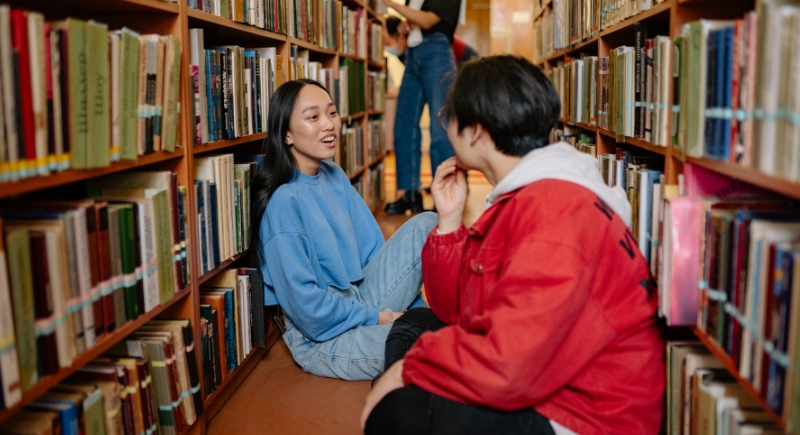
Every town had informal gathering spots where people crossed paths regularly. A neighborhood gym or public library created the kind of repeated contact that slowly turned strangers into familiar faces. Sociologists often call these “third places,” locations outside home and work that build community.
Chance Encounters Carried Real Weight

Credit: Canva
Unexpected moments sometimes shaped entire relationships. A bus ride could introduce two strangers after someone accidentally stepped on the other person’s foot. A tourist asking for directions outside a bar might turn into an evening spent exploring the city together. People stayed open to conversations in everyday situations because any random encounter could matter.
Long Distance Began With Letters And Phone Calls

Credit: Canva
When two people lived in different places, communication moved more slowly. Letters traveled through the mail. Phone calls required planning due to long-distance costs in earlier decades. The process demanded patience but created anticipation. Waiting for a reply became part of the emotional experience of dating.
Reputation And Social Circles Carried Weight
Credit: pexels
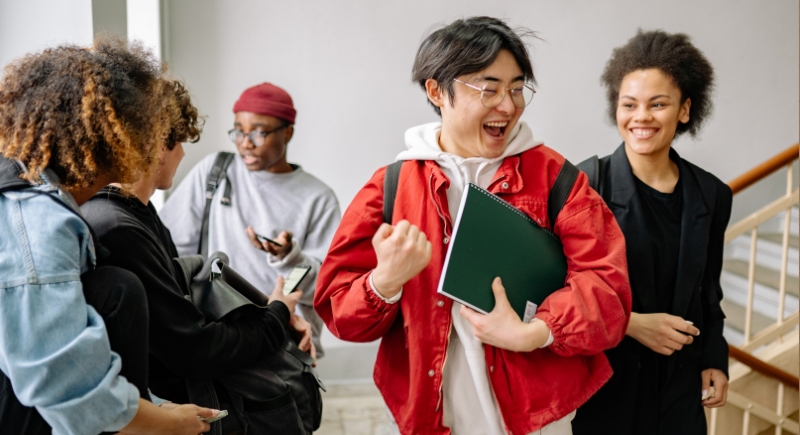
Before profiles and curated photos, reputation spread through social networks. Someone’s personality, sense of humor, or kindness often traveled through word of mouth. These informal recommendations shaped dating choices.