Could Picking Your Nose Lead To Alzheimer’s?
Nose-picking is widely considered an unpleasant habit, yet it is rarely viewed as a health concern. Most people assume the risks stop at irritation or infection, but recent scientific research has disputed that assumption by drawing attention to the nose as a direct biological gateway to the brain.
Studies examining how bacteria move through the nasal cavity have raised new questions about long-term neurological effects, including a possible link to Alzheimer’s disease. The idea may sound far-fetched at first, but the underlying anatomy and immune response make it difficult to dismiss.
Why The Nose Keeps Showing Up In Brain Research
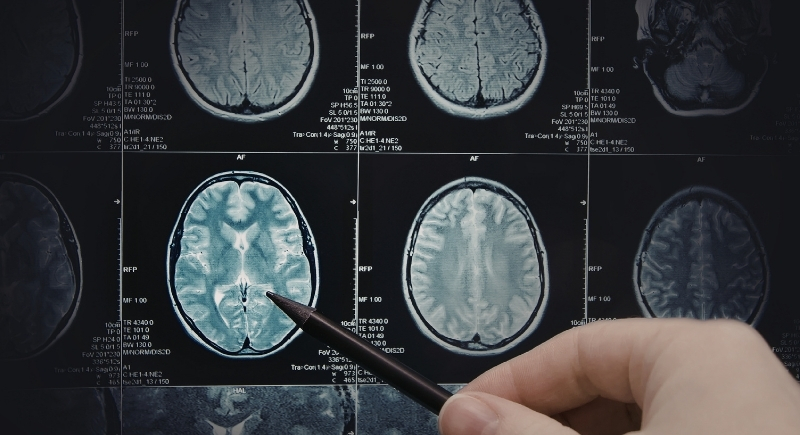
Image via Canva/Sergiu Rusu’s Images
Alzheimer’s disease still frustrates researchers because its early trigger remains unclear. Age is important, genetics matter, and the environment also plays a role. Lately, scientists have paid closer attention to pathogens and how they might reach the brain long before symptoms appear.
The nose is prominent because it offers a direct physical route. The olfactory nerve runs directly between the nasal cavity and the brain, bypassing the blood-brain barrier, which typically blocks harmful intruders. Any breach in nasal tissue increases access to that route, and this has altered how researchers view everyday nasal damage.
What Mouse Studies Revealed
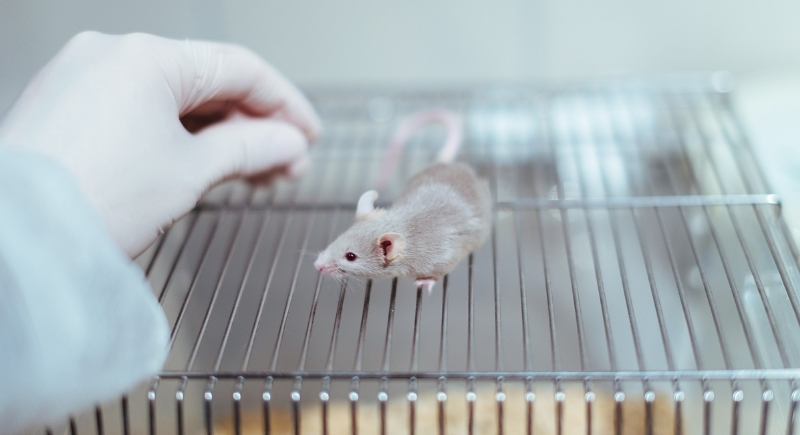
Image via Canva/ibreakstock
Several studies using mice have investigated what happens when bacteria enter through the nose, and one bacterium in particular, Chlamydia pneumoniae, has raised alarm. It already appears in many human brains affected by late-onset dementia, and researchers wanted to know how it gets there.
In mice, scientists introduced the bacterium into the nasal cavity. When the nasal lining remained intact, infection progressed slowly. When researchers damaged that lining, bacteria traveled rapidly along the olfactory nerve. Within days, the brain responded by producing the amyloid beta protein.
Amyloid beta plaques appear in high levels in Alzheimer’s disease. For years, these plaques looked like the cause. Newer research suggests that they may play a role in the immune response, which is triggered when the brain detects an infection. This suggests that the disease process may begin earlier and more quietly than previously thought.
Where Nose-Picking Fits Into The Picture
Nose-picking does not introduce Alzheimer’s on its own. The concern centers on tissue damage. Fingernails scrape delicate nasal mucosa, and small injuries bleed easily. Those breaks reduce the nose’s ability to trap and expel microbes. Once bacteria reach exposed tissue, the olfactory nerve offers a shortcut.
In mouse models, damage exacerbated infections and accelerated their progression. Researchers stress that human data remains limited. Still, the biological logic holds. Damage, pathogens, and a direct nerve pathway create risk conditions worth studying.
Supporting Clues Beyond One Study
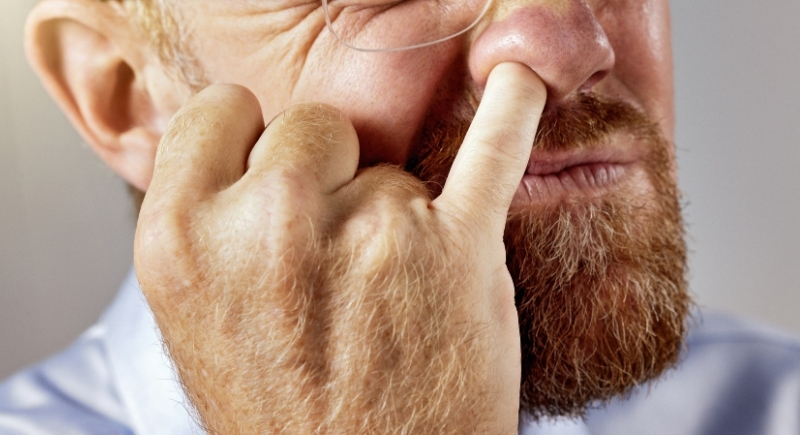
Image via Canva/RapidEye
This idea did not appear overnight. Earlier research linked infections to Alzheimer’s decades ago. Studies published in the late 2000s found Chlamydia pneumoniae alongside amyloid plaques in human brains examined after death. Other studies have linked viruses, such as herpes simplex, to similar brain changes.
Population studies also support caution. Research in ear, nose, and throat clinics found higher levels of harmful bacteria in people who frequently pick their noses. Separate investigations linked habitual nose-picking to increased viral transmission, including respiratory illnesses. Each finding alone seems minor, but together, they reveal what appears to be an ongoing investigation into nasal health and exposure to infection.
What Scientists Still Do Not Know
Mouse brains differ greatly from human brains; amyloid buildup alone does not guarantee dementia, and many people carry bacteria without developing symptoms. Alzheimer’s disease likely emerges through a complex interplay between microbes, immune responses, genetics, and time.
Human studies are now underway to examine nasal bacteria in people with early Alzheimer’s disease. These projects aim to confirm if the same pathways appear outside the lab. Until those results arrive, scientists refrain from making bold claims while continuing to investigate.
Nose-picking may seem trivial, but the nose serves as a frontline defense for the brain. Repeated damage, chronic infection, and poor nasal health can have a lasting impact on neurological outcomes over several decades. That insight reshapes how researchers think about prevention. Alzheimer’s may involve small, ordinary exposures that add up slowly rather than a single dramatic trigger. The nose is simply an overlooked entry point that lies in plain sight.