10 Ways Concerts Were Completely Different in the ’80s and ’90s
Concerts in the 1980s and 1990s worked very differently from today. There were no digital tickets, no constant filming, and fewer layers of planning. The focus stayed on the live moment itself. Looking back, the experience felt more direct, with simpler setups and a level of unpredictability that’s harder to find now.
Getting Tickets Took Patience
Credit: pexels
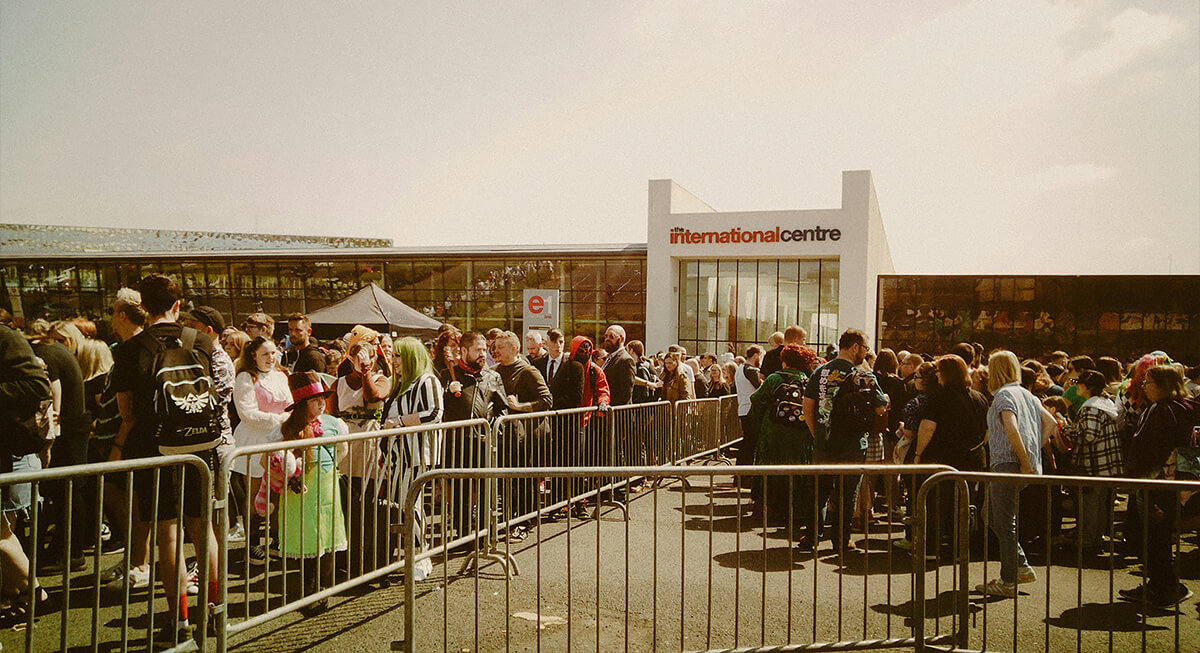
Buying concert tickets often meant calling a box office line repeatedly or waiting in person. Busy signals were common, and securing seats required persistence. There was little time to weigh options once a seller answered. Many fans simply accepted whatever seats were available, even if that meant sitting far from the stage, just to be part of the event.
No Phones Blocking The View
Credit: Wikimedia Commons
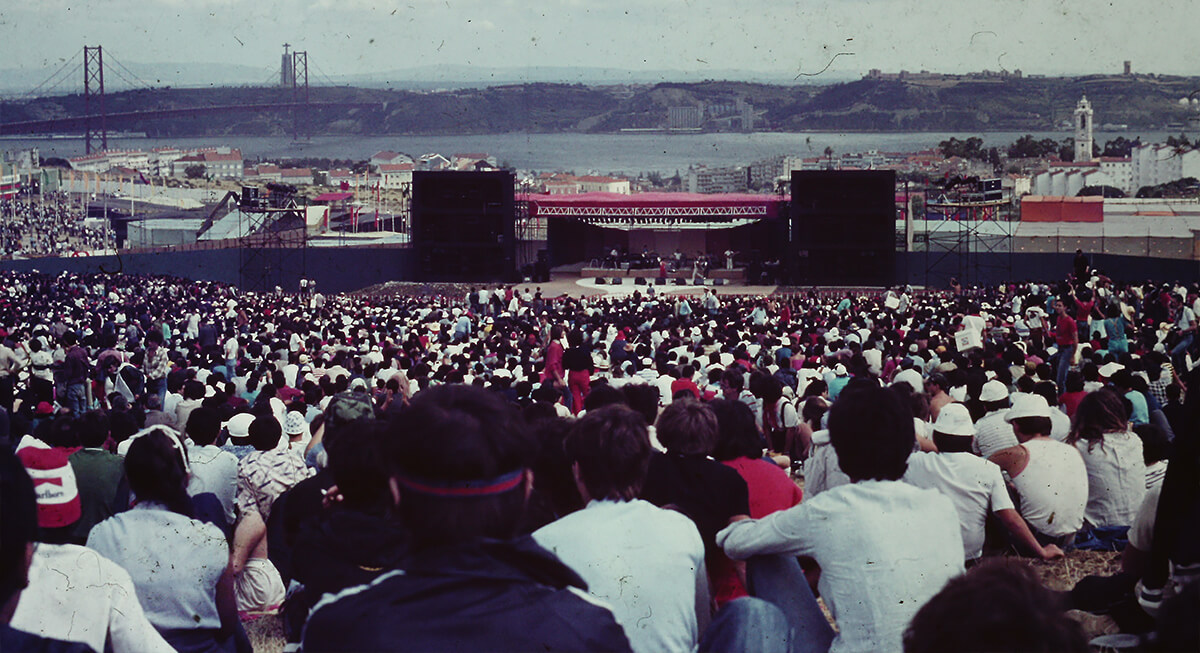
Crowds in the 1980s and 1990s faced the stage, not their screens. Recording devices were rare and often restricted, which kept attention fixed on the performance itself. Sightlines stayed clear without raised arms holding phones. The absence of continuous recording fostered a more direct connection between the audience and the artist.
Concerts Felt Less Structured
Credit: Wikimedia Commons
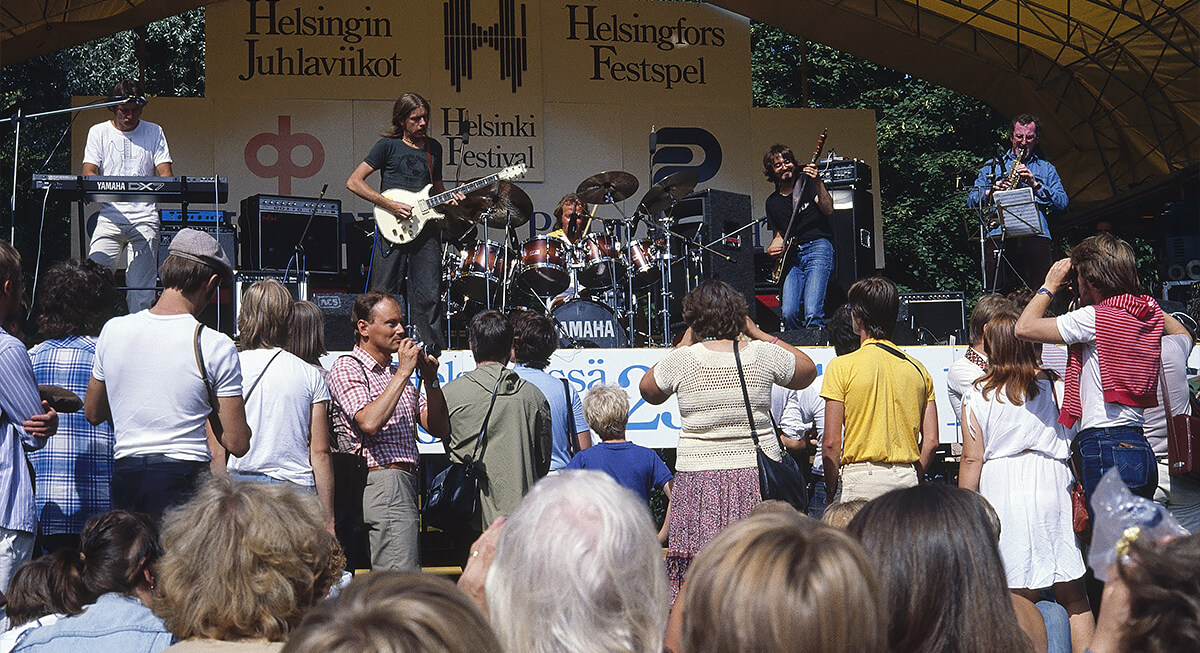
Live shows carried a looser feel during earlier decades. Bands sometimes extended songs, interacted casually with the crowd, or shifted pacing without strict timing. Modern productions often rely on precise cues for lighting and sound. Earlier concerts could feel unpredictable, which added excitement but also meant no two performances were exactly alike, even within the same tour.
Crowd Movement Was Freer
Credit: Wikimedia Commons
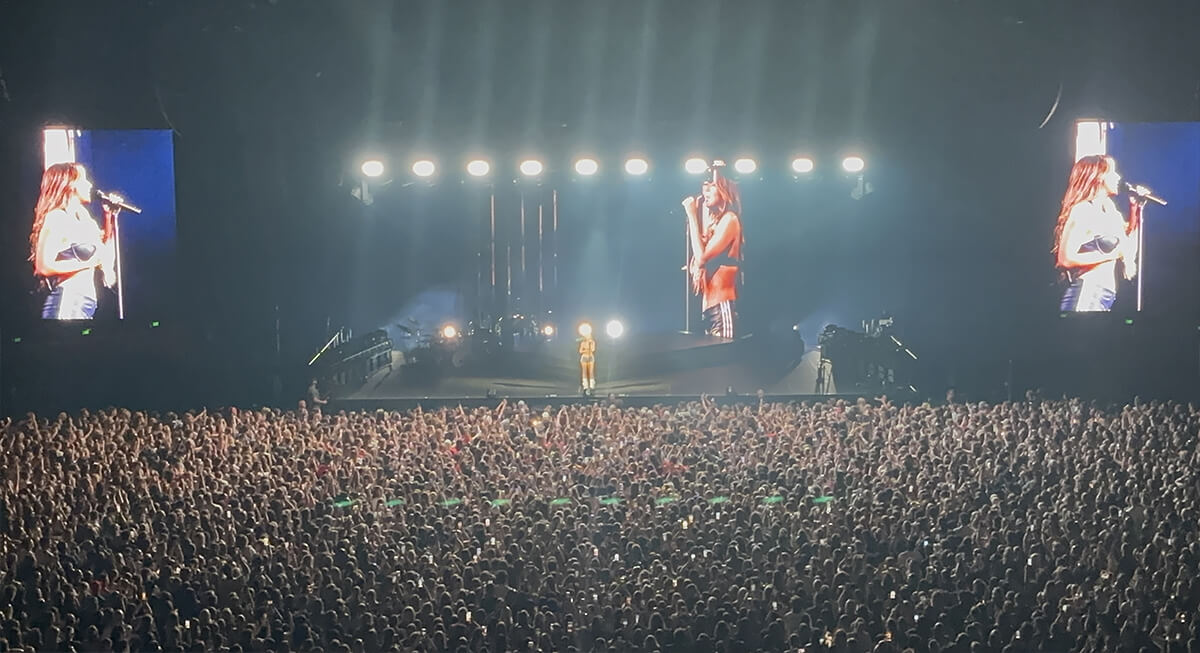
Fans could move closer to the stage, if space allowed, for a more fluid environment. Accounts from the time describe people leaving seats to gather near performers. The openness encouraged interaction, though it also meant fewer safety measures than are expected at large shows today.
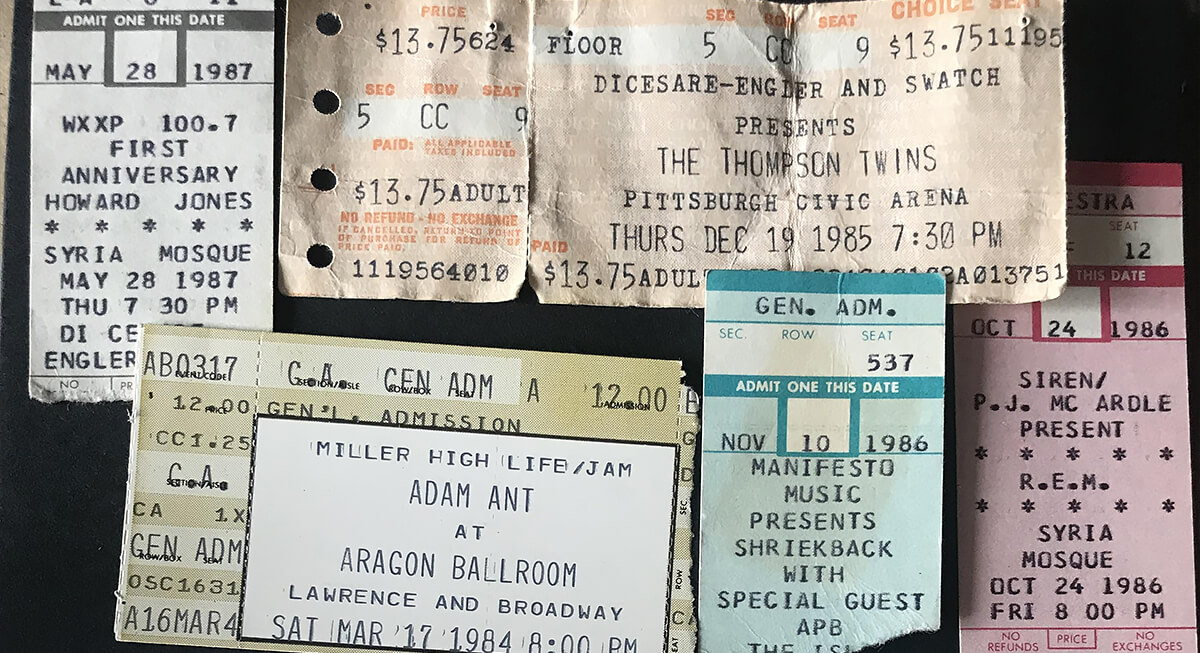
Ticket Prices Stayed Lower
Credit: Reddit
Concert tickets were significantly more affordable in the 1980s and early 1990s. Major acts could often be seen for prices that now seem surprisingly low. Rising production costs and demand have changed the pricing landscape.
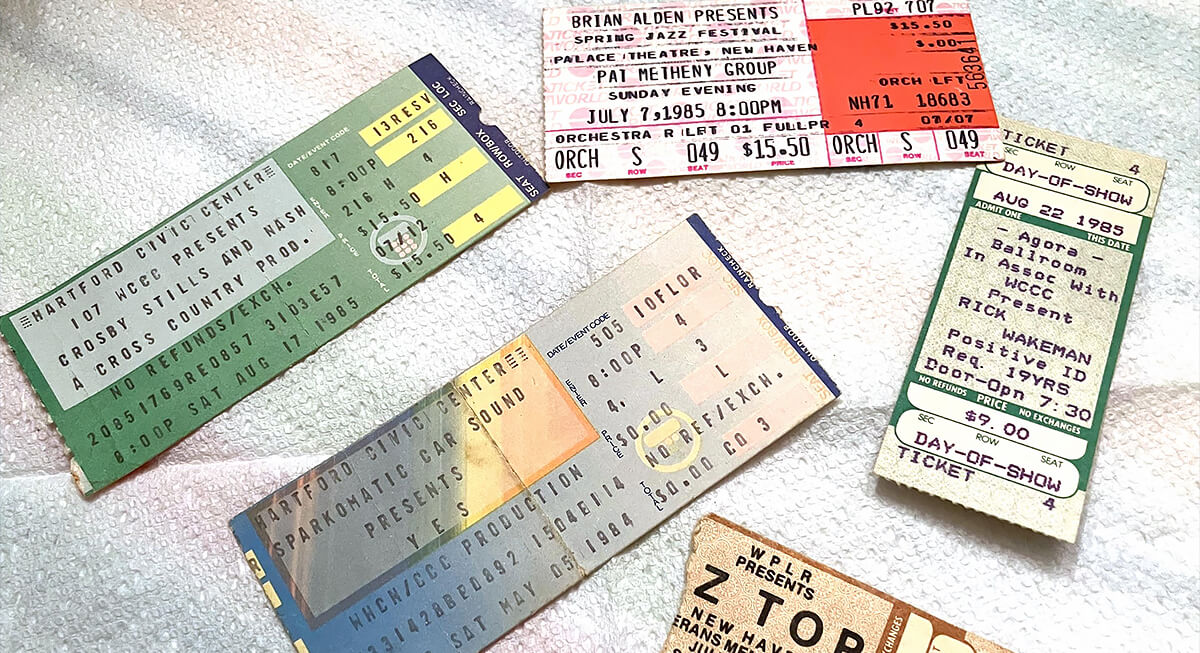
Physical Tickets Became Keepsakes
Credit: Reddit
Paper tickets held value beyond entry. After being torn at the gate, stubs often ended up pinned to walls or tucked into scrapbooks. They served as proof of attendance and a reminder of the night. Digital tickets have replaced that ritual.
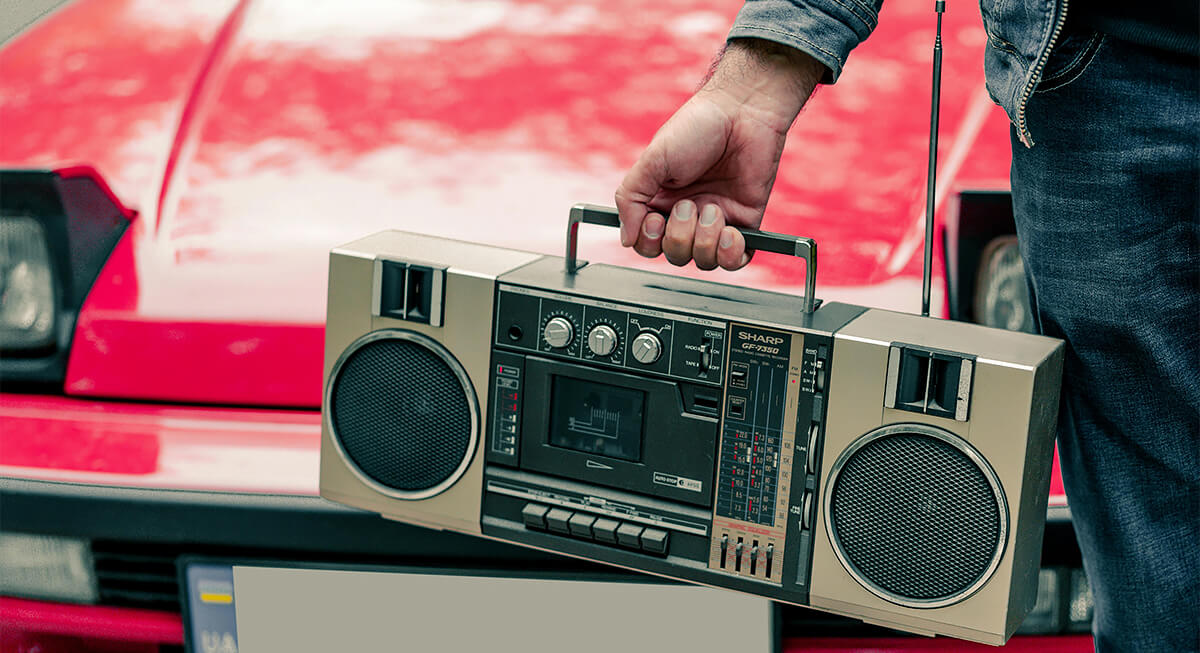
Discovering Music Took Effort
Credit: pexels
Before streaming services, finding new bands required dedication. Fans relied on radio, magazines, or word of mouth to learn about artists. Concerts played a key role in discovery, especially when opening acts introduced unfamiliar sounds. That process created a stronger connection for many attendees, since following a band often involved active searching.
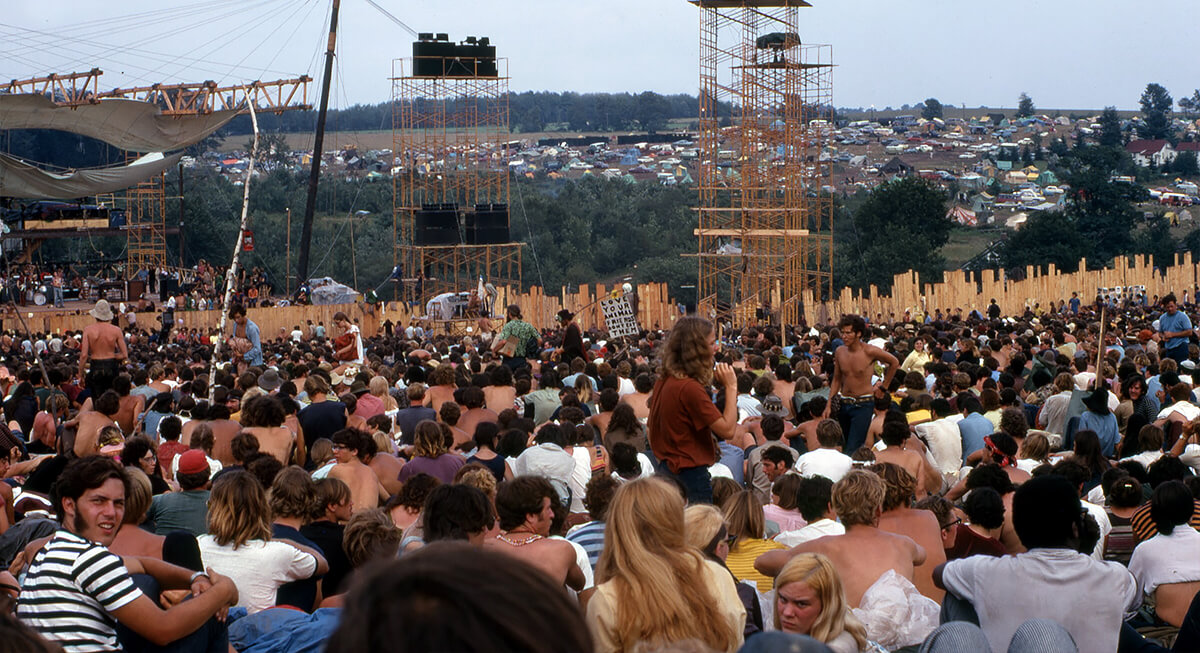
Scenes Felt More Tight-Knit
Credit: Wikimedia Commons
Live shows often brought together people who shared niche musical interests. Without online communities, concerts became meeting points for fans looking to connect. Subcultures like metal or punk developed strong identities within these spaces. The sense of belonging could be intense, shaped by shared taste and the effort it took to find others with similar interests.
Sound Was Louder And Rougher
Credit: Wikimedia Commons
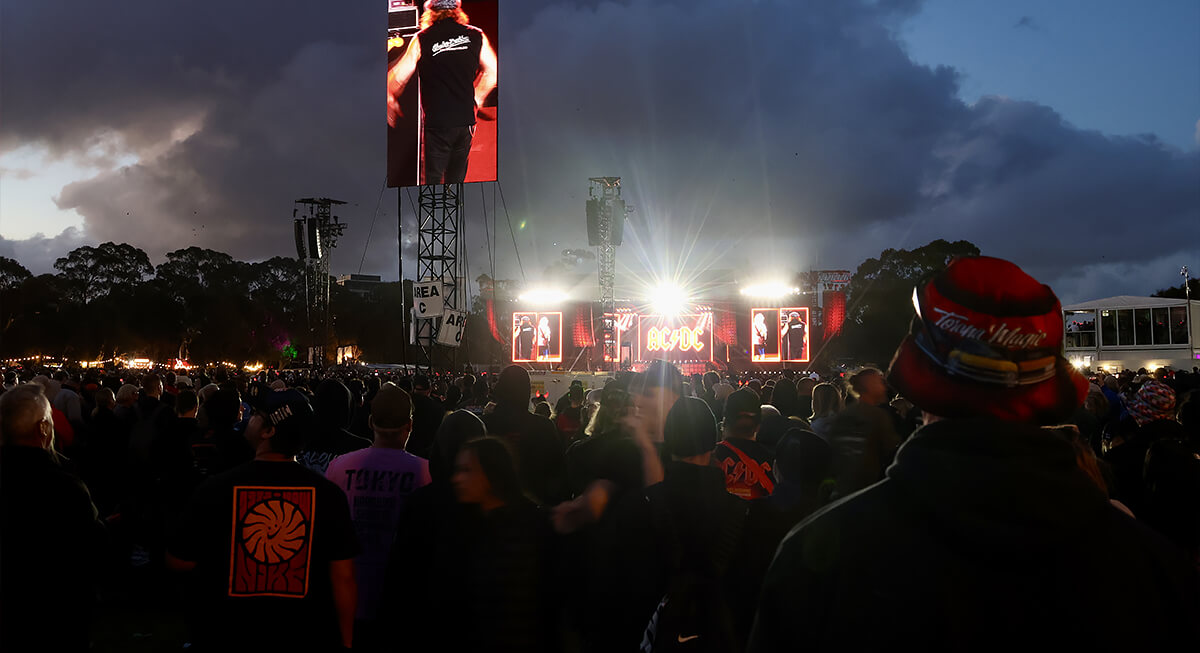
Modern setups tend to balance loudness with cleaner mixing, but concert audio in earlier decades leaned toward volume over clarity. Large stacks of amplifiers dominated stages, and sound systems varied widely in quality. Ear protection was rarely discussed, even though shows could be physically intense.
Safety Standards Were Less Strict
Credit: Wikimedia Commons
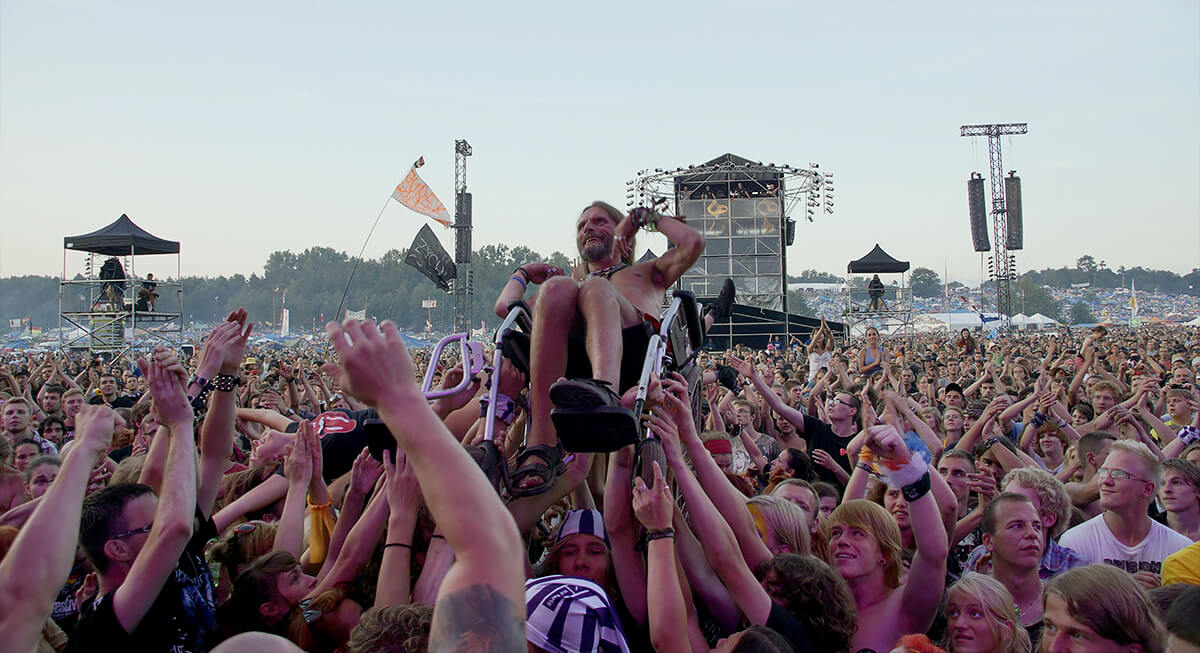
Crowds could become chaotic, especially at high-energy shows. Mosh pits formed without clear boundaries, and crowd behavior was less regulated. Stories from the time include both thrilling moments and genuine risks. Over time, venues introduced stronger safety measures, including barriers and trained staff.