Common Household Items That Are Actually Serious Hazards
Most people assume the biggest dangers are limited to rare accidents or obvious hazards, but the data says otherwise. Home accidents account for tens of millions of injuries each year in the United States, with the Consumer Product Safety Commission estimating around 33.1 million. Plus, with millions of poisoning cases and fire-related incidents, this puts everyday items under more scrutiny than most people expect, especially the ones that seem completely harmless.
Cleaning Sprays And Air Fresheners
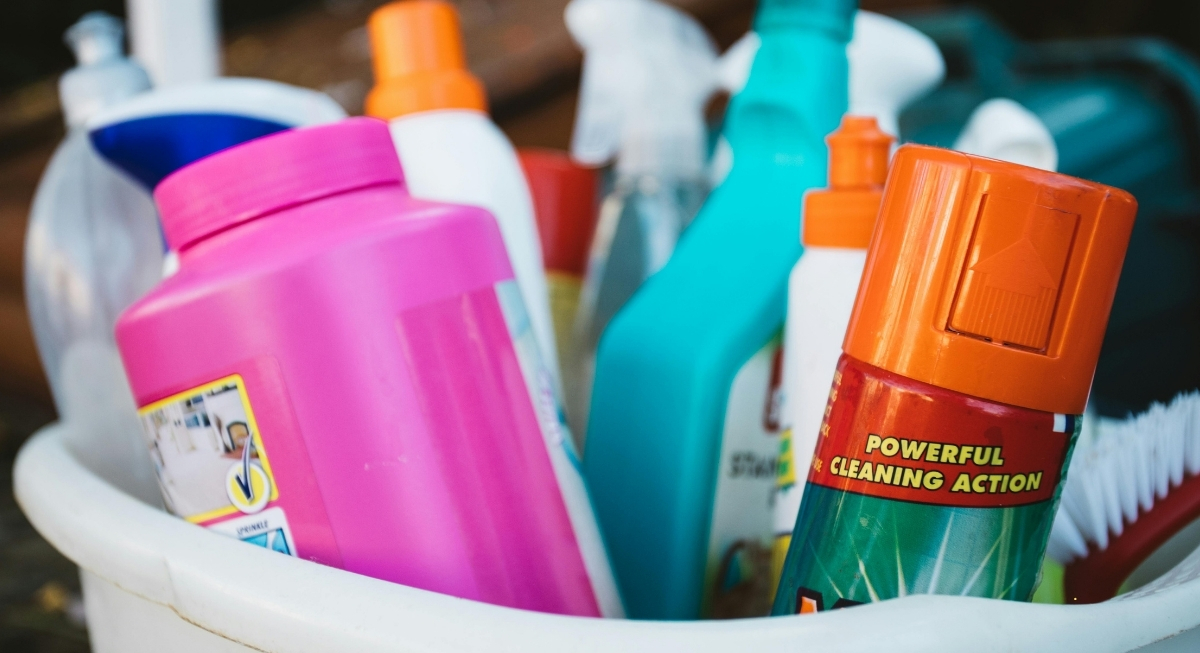
Image via Pexels/Ellie Burgin
Cleaning sprays and air fresheners can change the air you breathe. Research from the University of California, Berkeley shows that certain ingredients react with ozone indoors and create new pollutants, including fine particles and formaldehyde. These can irritate the eyes, throat, and lungs, and over time may worsen asthma or other respiratory issues. Air fresheners add another layer by releasing volatile organic compounds (VOCs), which can build up quickly in enclosed spaces. Because indoor air doesn’t circulate as much, levels can climb higher than what you’d typically encounter outside.
Carpets And New Flooring
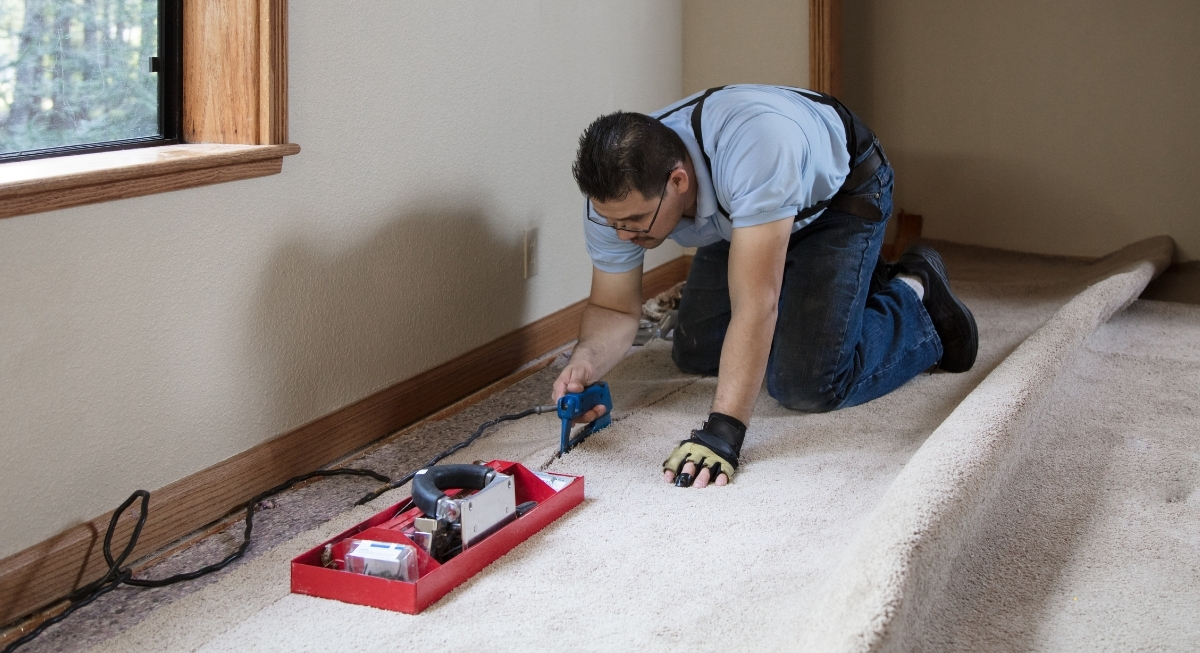
Image via Getty Images/bill oxford
New carpet can change indoor air quality almost immediately. The adhesives and dyes used during installation release volatile organic compounds, especially during the first few days. The strongest emissions fade within about 72 hours, but low levels can remain for years. Poor ventilation makes the effect worse, which is why newly carpeted spaces often feel “off” before they settle.
Pressed Wood Furniture And Cabinets
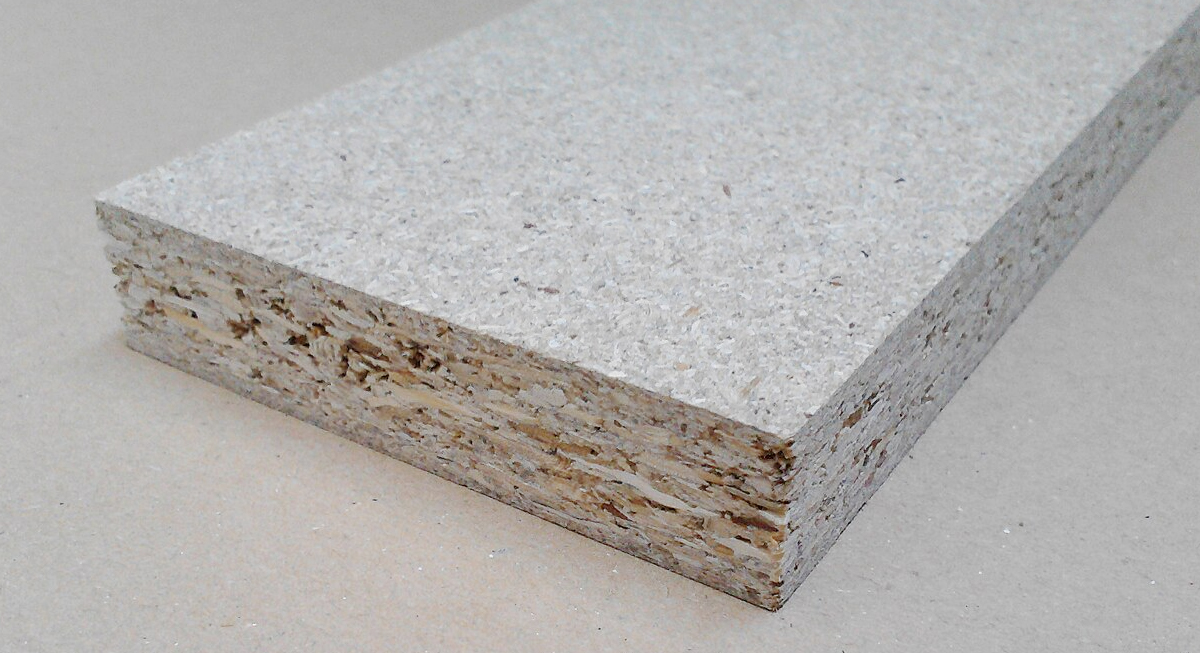
Image via Wikimedia Commons/Jckowal
Pressed wood products like particleboard and fiberboard are common in furniture and construction. The issue lies in the glue, which often contains formaldehyde. The United States Environmental Protection Agency has identified pressed wood as one of the largest indoor sources of formaldehyde. Exposure can irritate the eyes and throat, trigger asthma symptoms, and has been linked to cancer in animal studies.
Pesticides
About 90 percent of households in the United States use pesticides in some form. These products are designed to kill pests, which explains why exposure needs careful handling. Poison control centers receive thousands of calls each year involving children exposed to these chemicals. Indoor use increases the risk since residues can remain longer in the air and on surfaces.
Lead Paint In Older Homes
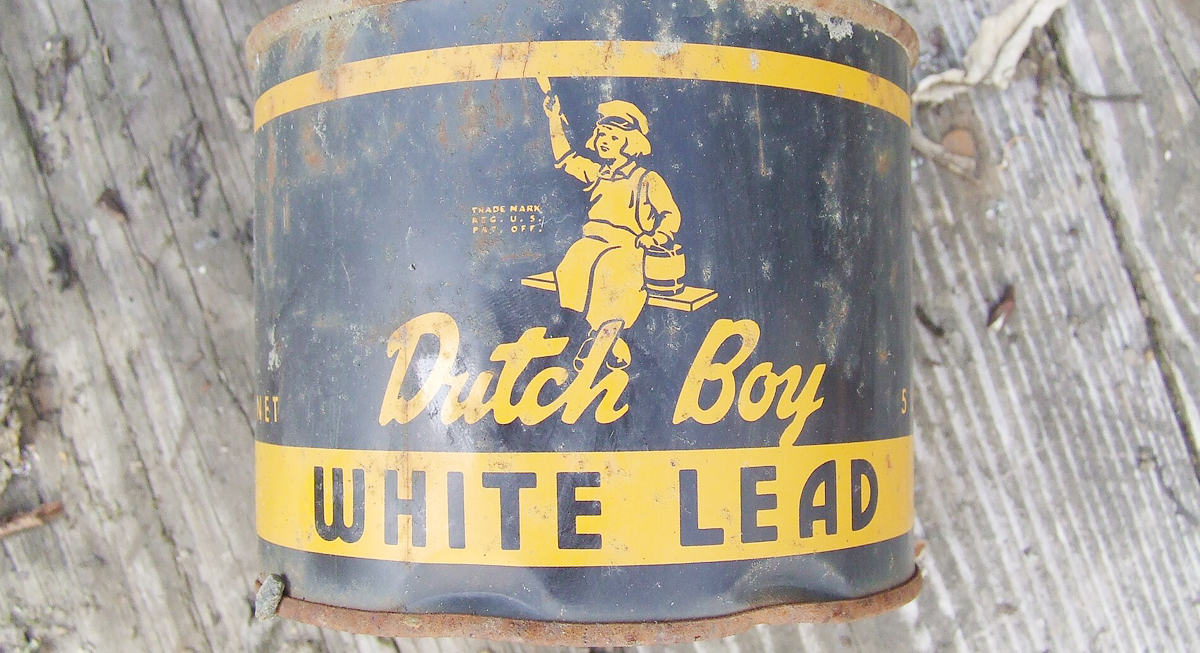
Image via Wikimedia Commons/Thester11
Homes built before 1978 may still contain lead-based paint. The real danger starts when the paint chips or peels and releases particles that can be inhaled. Lead exposure affects the brain, nervous system, and child development. Because of these risks, the United States government labeled lead a major environmental threat to children in 1991.
Space Heaters And Extension Cords
Space heaters are convenient, but they are linked to more than 25,000 home fires each year. When combined with overloaded or worn extension cords, the risk increases quickly. Electrical faults can cause shocks or fires, especially when safety switches fail or wiring is left unchecked. These devices often sit in plain view, which makes them easy to underestimate.
Stoves And Hot Water
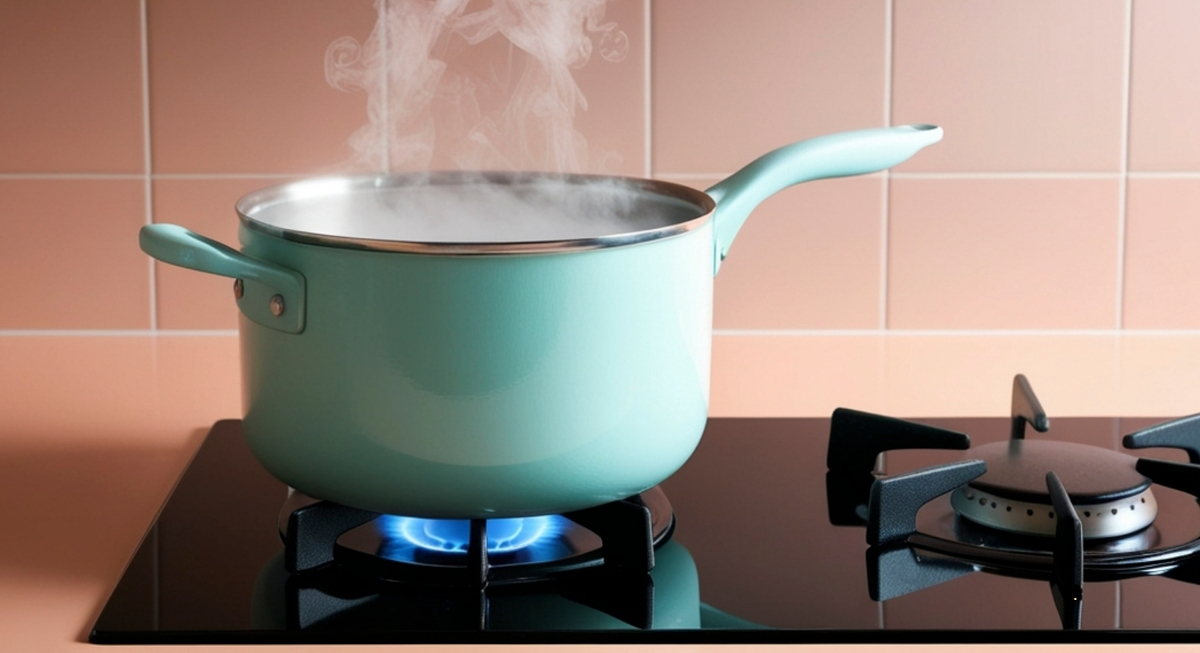
Image via Canva/SUMALI IBNU CHAMID
Burn injuries send thousands of people to emergency rooms each year, and stoves play a major role. A pot handle turned outward or a moment of distraction can lead to serious accidents. Hot water adds another aspect to this. The Consumer Product Safety Commission recommends setting water heaters to no more than 120°F, since higher temperatures can cause scalding within seconds.
Upholstered Furniture
Sofas and chairs can hold bacteria, fungi, and dust mites in levels that trigger allergies and respiratory issues. Dust mite waste alone can cause symptoms such as sneezing, fatigue, and skin irritation. Over time, this buildup turns furniture into a hidden source of indoor health problems.
Compact Fluorescent Lamps (CFLs)
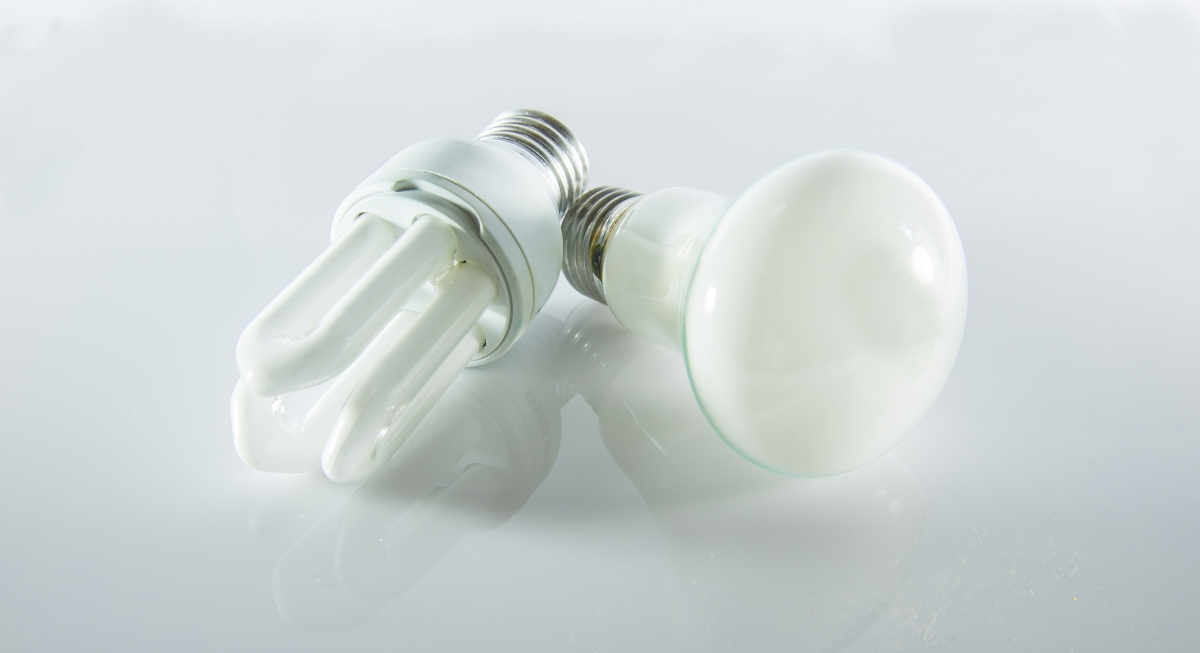
Image via Getty Images/pack_zero
Energy-efficient bulbs save electricity, but they contain a small amount of mercury. When intact, they are safe to use. The risk appears when one breaks. The mercury inside can be released, which requires careful cleanup to avoid exposure.