11 Things Literally Everybody’s Grandma Had In Her House In The ’90s
Grandma’s house in the ’90s and early 2000s followed a familiar pattern. No matter where she lived, certain things were always there, used daily or kept in the same spot for years. They were not chosen for style. They were chosen because they were useful, reliable, or already paid for.
These items became part of everyday routines, from afternoon tea to weekend visits. Seeing them now brings back specific moments rather than vague nostalgia. If you spent time at your grandmother’s place during that period, many of these will feel instantly familiar.
Royal Dansk Cookie Tins With Sewing Supplies Inside
Credit: Reddit
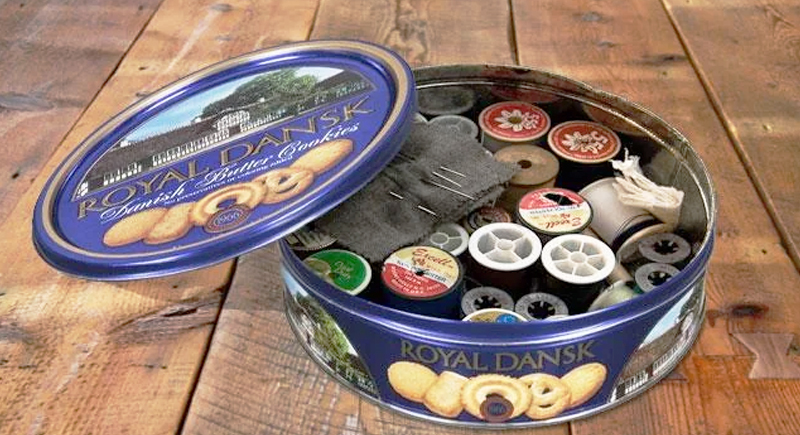
The blue tin, originally used to hold butter cookies from the Danish brand Kelsen, had a second life in many households. Instead of food, it stored sewing tools, including thread, needles, and bobbins. This reuse was so widespread that opening one and finding cookies inside became the rarer experience.
Granny Square Blankets Draped on Furniture
Credit: pexels
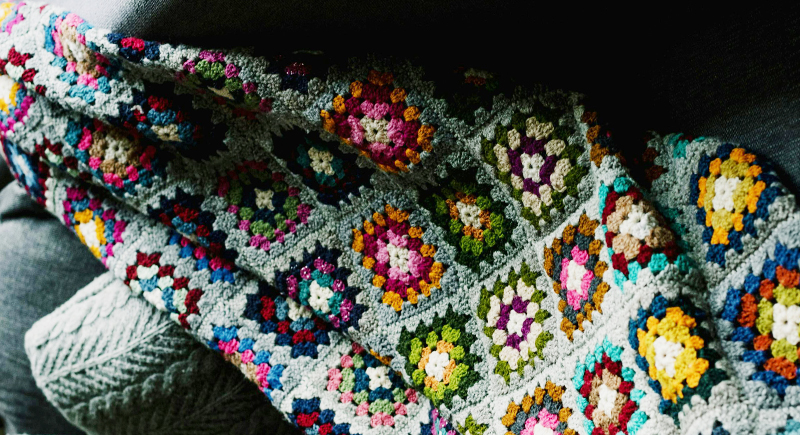
These afghans were usually handmade, stitched together over time by a relative or gifted by a friend. Each square came in a different color, often without any real plan, which is what made them feel personal rather than polished. You’d see them tossed over the back of a couch or folded at the end of a bed, always within reach and used far more than anyone admitted.
Overflowing Bags Full of Plastic Bags
Credit: Getty Images
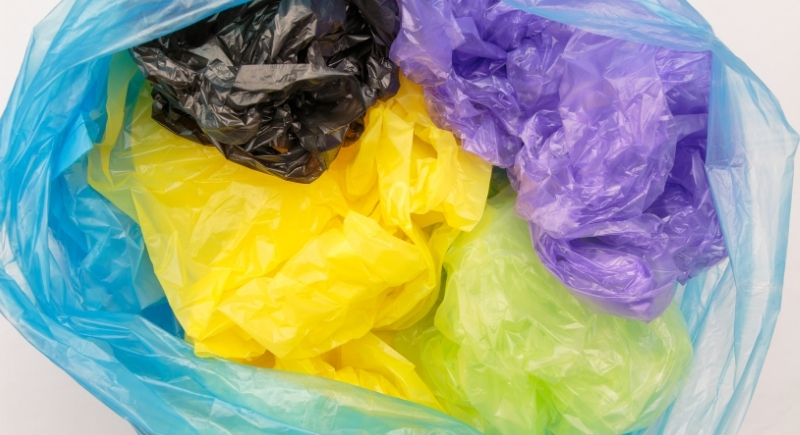
Before anyone talked about recycling, there was the bag of bags. It usually sat under the sink or behind a pantry door, stuffed far past its limit. Those plastic bags were reused for trash cans, muddy shoes, or packing leftovers, and somehow the supply never ran out. No one meant to keep adding to it, yet it always seemed to grow on its own.
Glass Casserole Dishes With Vegetable Illustrations
Credit: Instagram
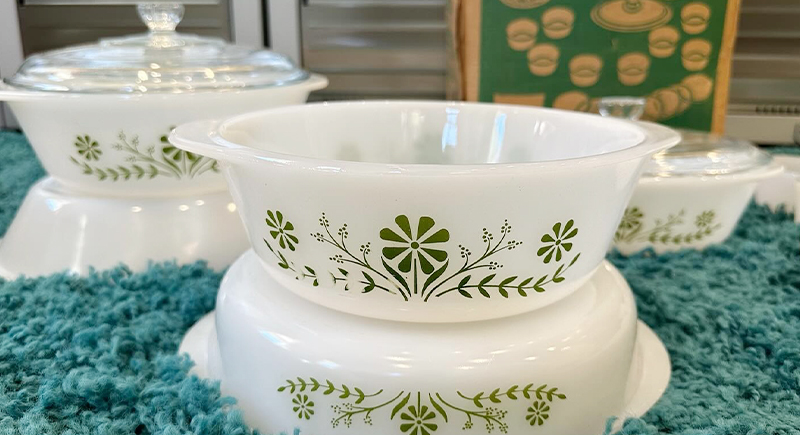
The CorningWare L’Echalote series had garlic, peppers, mushrooms, and other kitchen staples printed right on the side. Durable enough for decades of use, they made appearances at everything from Sunday dinners to school potlucks, and many are still going strong today.
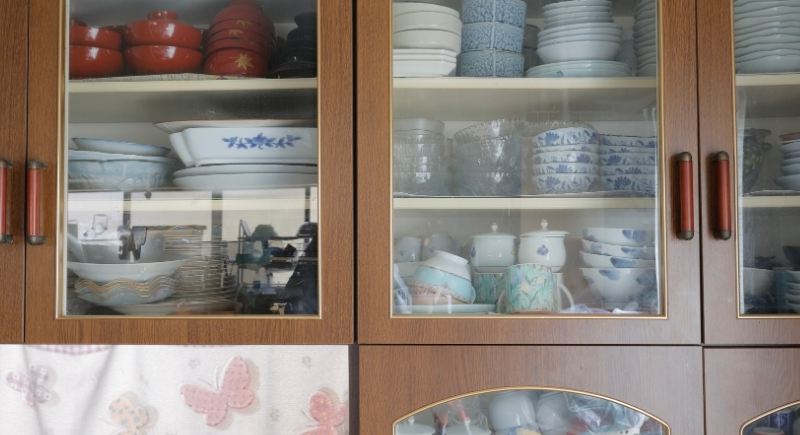
Formal China Cabinets Filled With Unused Dishes
Credit: Getty Images
They looked like museum exhibits. Full sets of porcelain dishes, cups, and saucers sat behind glass, sometimes with price tags still on. Whether they came from wedding registries or department store sales, they rarely left their shelves. They were for “guests,” theoretically.
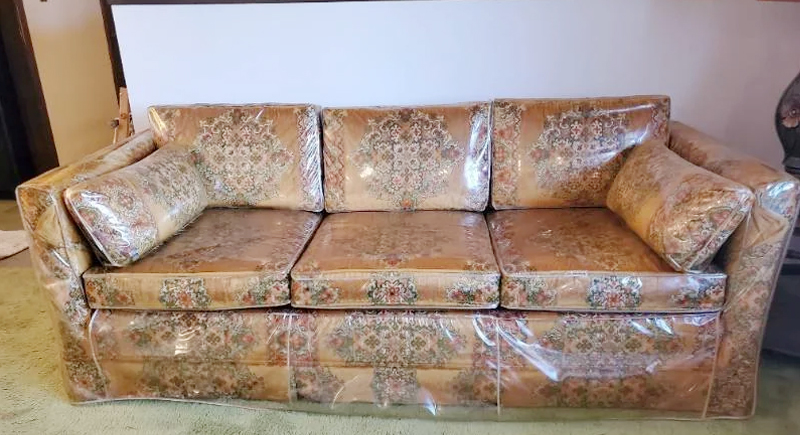
Plastic-Covered Couches Reserved for Company
Credit: Reddit
Furniture in the “nice” room was often wrapped in clear plastic. This kept upholstery protected from spills and sun damage, especially in houses with pets or grandkids. The covers squeaked, stuck to skin in summer, and made even short visits memorable.
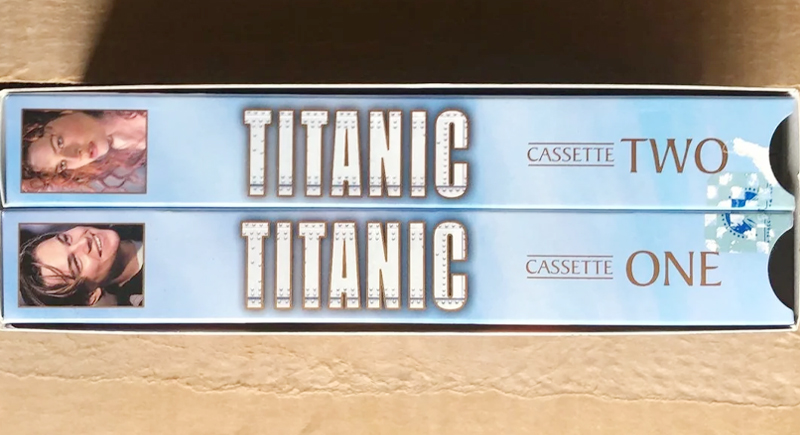
Double-VHS Copy of Titanic on the Shelf
Credit: Reddit
James Cameron’s Titanic didn’t fit on one tape, so it came in a double-VHS set. It was often right next to the TV, whether rewound or not. For some, it was a rewatch favorite. For others, it was still in its original shrink wrap.
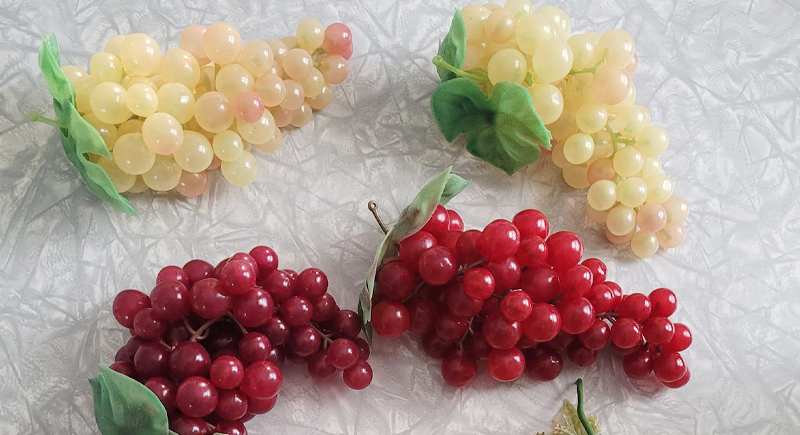
Grape Clusters Made of Plastic
Credit: Facebook
Artificial grapes—typically purple or green—were used as decorative items for tabletops or shelves. Sold in home goods stores through the ‘80s and ‘90s, they became the default dining room decor. Often dusty, rarely moved, they were one of the most passive but persistent design choices.
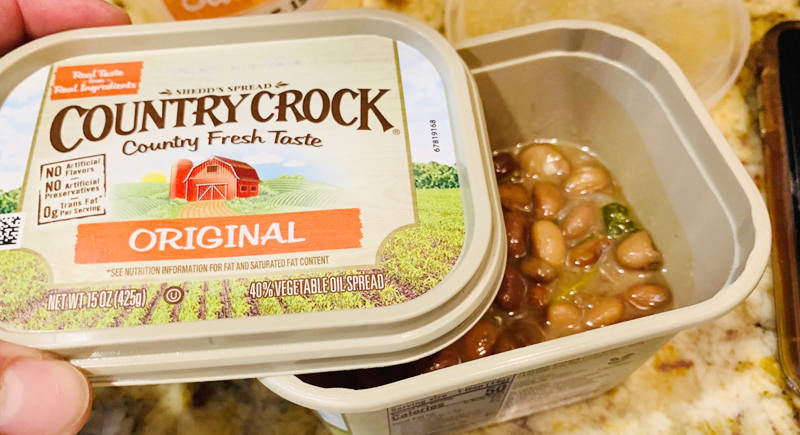
Empty Food Tubs Used for Leftovers
Credit: X
Country Crock containers had second lives. Once the butter ran out, they were washed out and reused to hold soup, stew, or spaghetti. The labels would eventually peel off in the dishwasher, but the tubs remained useful until they cracked or disappeared.
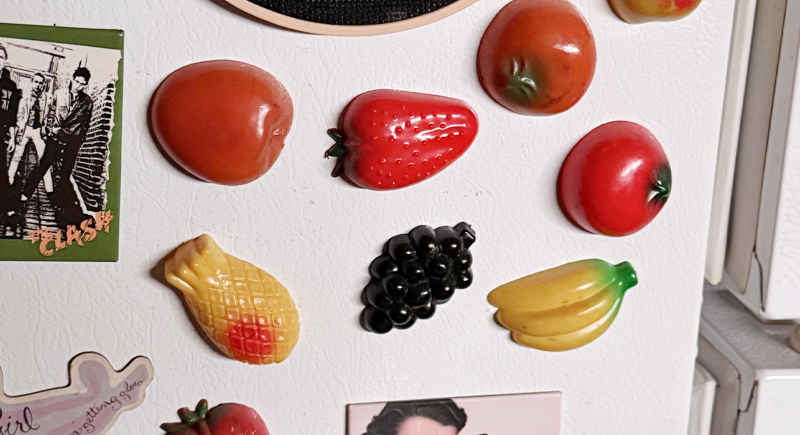
Fruit-Shaped Magnets Covering the Fridge
Credit: Reddit
Plastic magnets shaped like bananas, apples, or grapes were used to pin bills, reminders, or photos to a surface. They were widely sold in discount and dollar stores during the 1990s. Few kitchens went without them, and even fewer fridges were magnet-free.
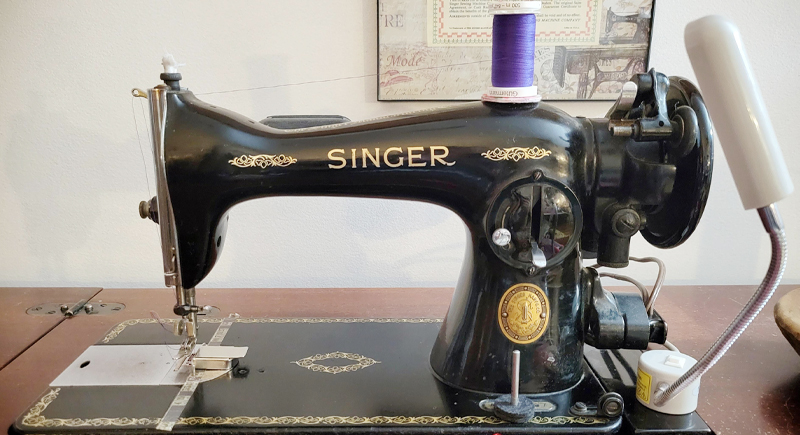
A Stationary Sewing Machine, Usually a Singer
Credit: Reddit
The sewing machine was often kept in a corner or stored folded up in a desk. Brands like Singer were especially popular and known for durability. Whether used often or not, the machine stayed plugged in and ready, with thread already loaded.