Surprising Christmas History Facts You Probably Didn’t Know
For all the wrapping paper, lights, and gingerbread cookies, Christmas has been around far longer than toy catalogs and peppermint mochas. Its history involves unexpected inventions and bits of trivia that don’t usually come up during tree decorating. Here’s a list of holiday facts that might just shift how you see December 25.
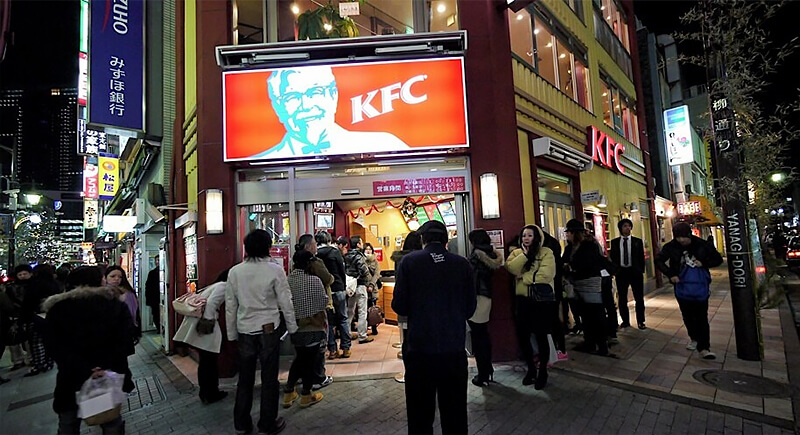
Japan’s Favorite Christmas Dinner Comes in a Bucket
Credit: Wikimedia Commons
Following a successful 1974 marketing campaign by KFC called “Kentucky for Christmas,” the trend gained nationwide momentum. People now place KFC orders weeks in advance. For many families, eating fried chicken together has become as central to the celebration as the tree itself.
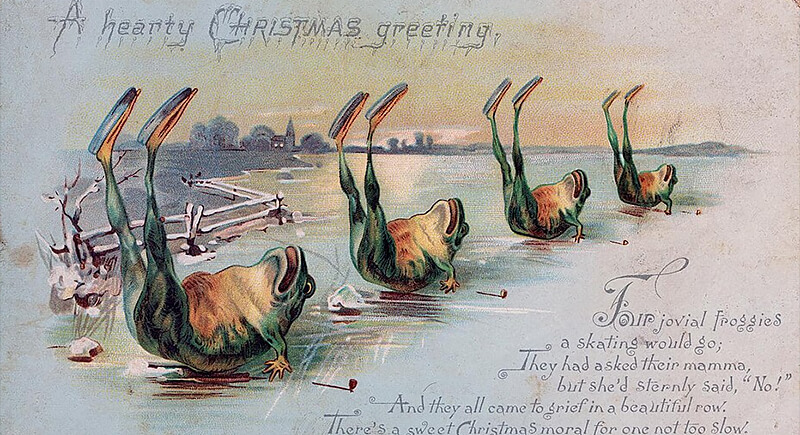
Victorian Christmas Cards Were Weird on Purpose
Credit: Wikimedia Commons
In the late 1800s, British Christmas cards were more surreal than sentimental. It wasn’t uncommon to see illustrations of frogs stabbing each other or mice riding lobsters. Artists pushed boundaries to grab attention in an increasingly crowded card market, and the goal was to stand out on a mantelpiece.
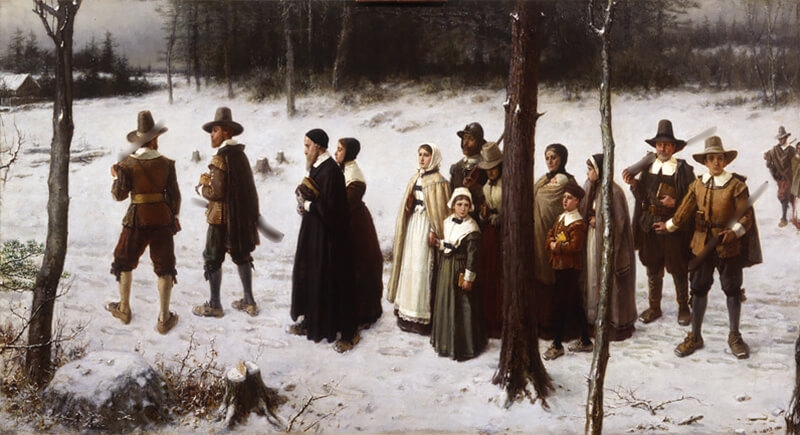
Christmas Was Once Banned in Parts of America
Credit: Wikimedia Commons
In 1659, the Massachusetts Bay Colony outlawed the celebration of Christmas. The Puritan leadership viewed it as an unholy mix of pagan ritual and Catholic excess. The ban stayed in place for over 20 years. Congress even held a session on Christmas Day in 1789, treating it like any other workday.
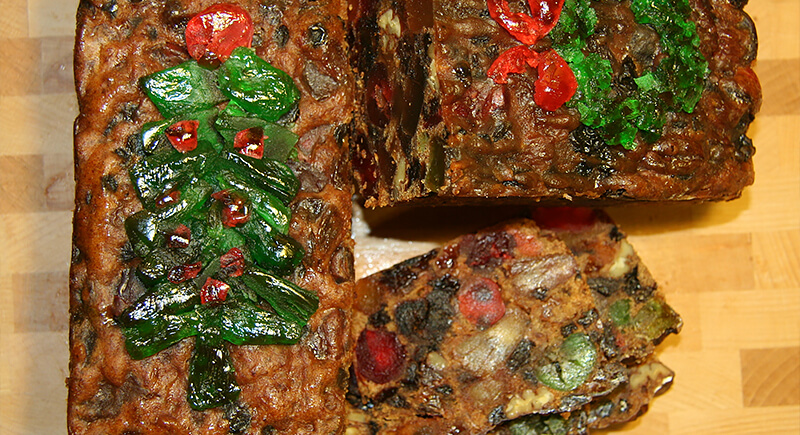
Fruitcake Can Outlive Its Bakers
Credit: Wikimedia Commons
Fruitcake has a reputation, and longevity is part of it. It’s packed with sugar and soaked in a beverage. A well-kept fruitcake can last longer than most kitchen items—sometimes decades. There’s even a 140-year-old fruitcake preserved in Michigan.
Jingle Bells Was Never Meant for Christmas

Credit: Wikimedia Commons
The sleigh ride anthem started as a Thanksgiving tune. James Lord Pierpont wrote One Horse Open Sleigh in the 1850s for a school concert celebrating Thanksgiving. It was later rebranded as Jingle Bells” and gained traction during the Christmas season.
Tinsel Was Once Made of Real Silver
Credit: Wikimedia Commons
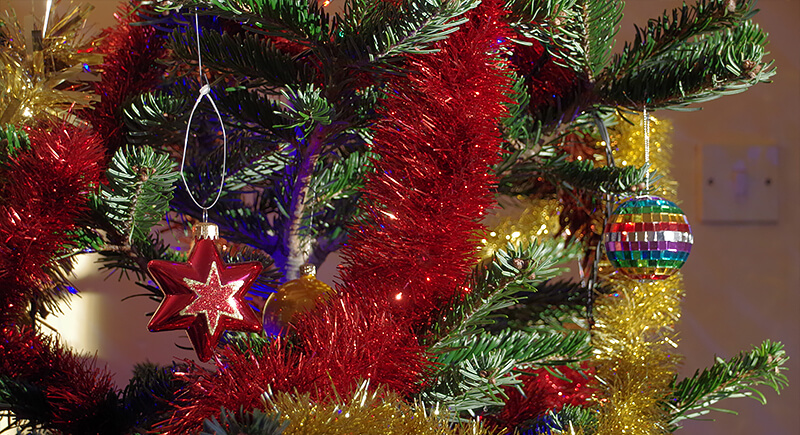
Before the plastic versions took over, tinsel was a luxury item crafted from real, shredded silver. First made in Germany in the early 1600s, it was designed to replicate the glow of candlelight on Christmas trees. Eventually, silver tarnished too quickly, and manufacturers switched to cheaper, shinier materials, such as aluminum and later PVC.
One Of Santa’s Reindeer Was Invented for Advertising
Credit: Canva
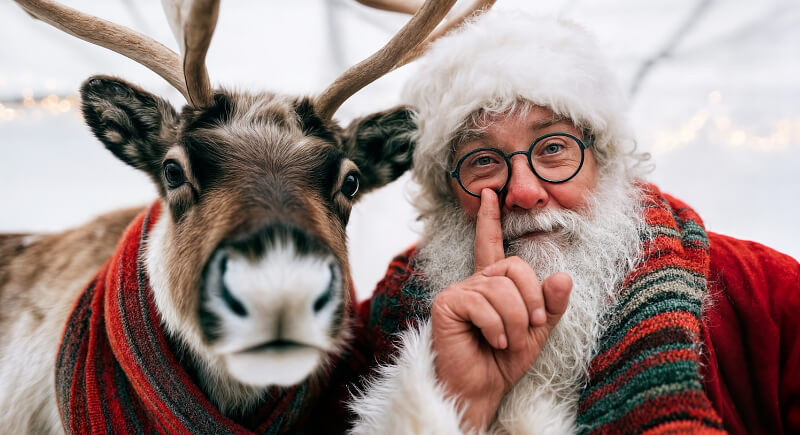
Montgomery Ward needed a holiday handout to give kids in-store, so they turned to Robert May, an ad copywriter, to create a character. The result was Rudolph—a glowing-nosed reindeer who didn’t appear in folklore until 1939. The story was printed in booklet form and given away for free, but ended up selling millions.
The First Song Played in Space Was a Christmas Classic
Credit: Wikimedia Commons
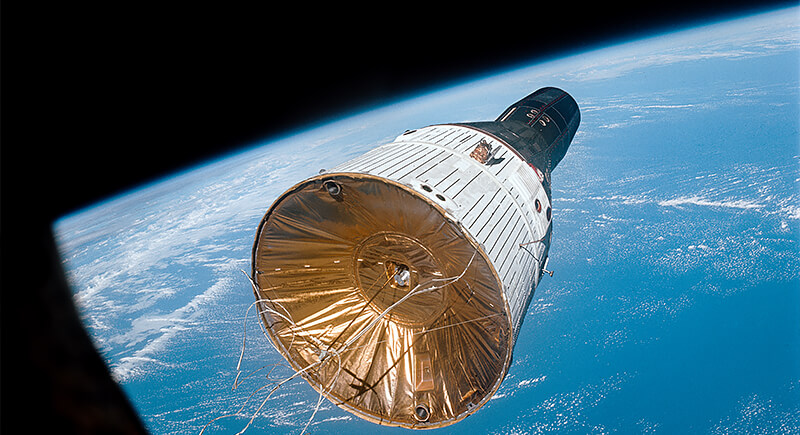
In December 1965, two astronauts aboard Gemini 6 pulled a lighthearted stunt during their mission. They reported spotting an unidentified flying object, then played “Jingle Bells” using a harmonica and sleigh bells smuggled onboard. The brief broadcast marked the first time music—holiday or otherwise—was performed in space.
Artificial Trees Used to Be Made of Bird Feathers
Credit: Wikimedia Commons
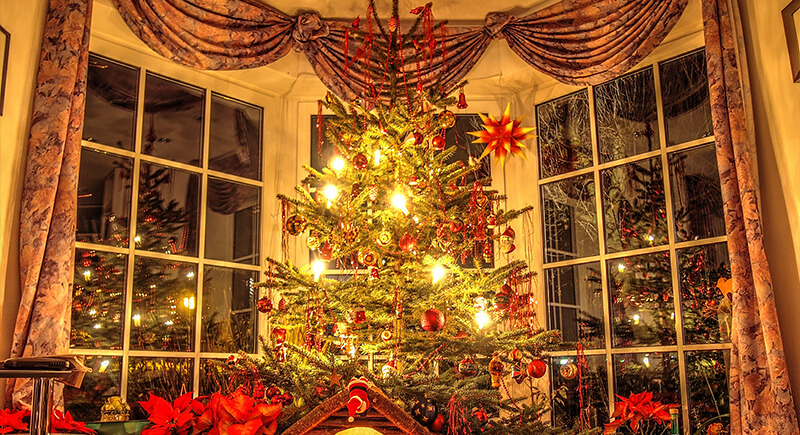
Before plastic or aluminum, some of the earliest artificial Christmas trees were crafted from dyed goose feathers. Popular in Germany in the 19th century, these trees were meant to reduce deforestation during the holiday season. The feathers were attached to wire branches, which were then wrapped around a central wooden pole.
The Term “Xmas” Isn’t a Modern Shortcut
Credit: Wikimedia Commons
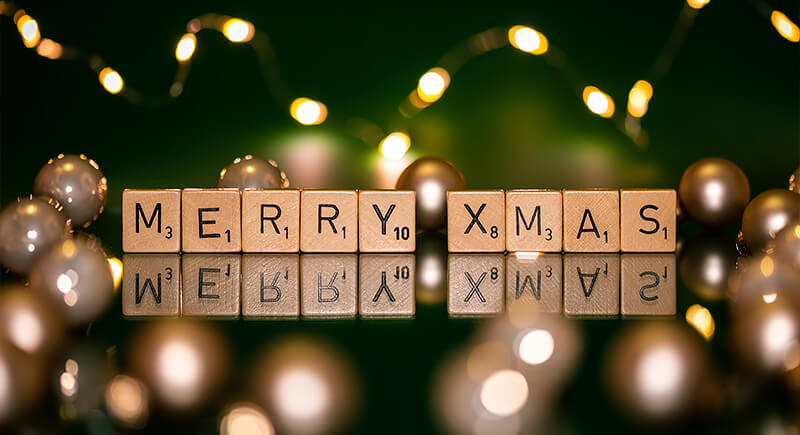
Although it may seem like a casual abbreviation, “Xmas” actually dates back to the 1500s. The “X” originates from the Greek letter Chi, the first letter in Christos (Χριστός), which means Christ. Early scribes used it to save space in written manuscripts.