10 Cereal Mascots From the ’80s and ’90s That Defined Saturday Mornings
Saturday mornings once involved cartoons, pajamas, and a giant bowl of cereal balanced on the couch. Bright cereal boxes played a big role in that ritual. Their mascots starred in commercials that ran between cartoons and remained stuck in kids’ memories for decades. These animated characters sold breakfast with catchphrases and colorful personalities that turned ordinary cereal into a small part of weekend entertainment.
Tony The Tiger
Credit: Facebook
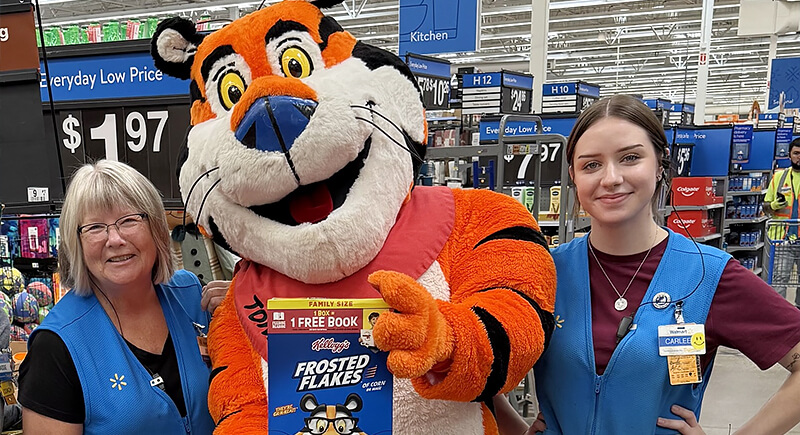
Tony the Tiger already had a long résumé by the time the 1980s arrived. Frosted Flakes launched him in 1952 after Kellogg’s held a competition to choose a mascot. The booming voice heard in commercials belonged to Thurl Ravenscroft, a singer who also performed on Disney soundtracks. Generations of kids grew up hearing that unmistakable “They’re Grrreat!” before cartoons resumed.
Toucan Sam
Credit: Facebook
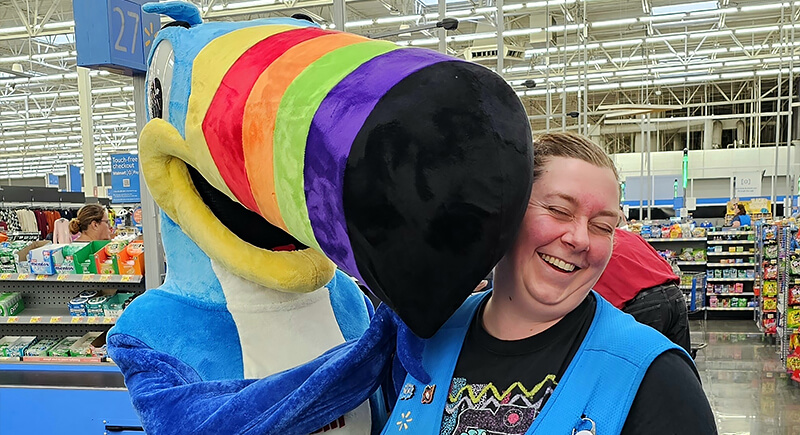
Toucan Sam’s oversized, striped beak guided kids toward Froot Loops with the famous line, “Follow your nose. It always knows.” Animated commercials placed Sam on wild treasure hunts for cereal. Kellogg’s redesigned him several times through the ’80s and ’90s.
Cap’n Crunch
Credit: Facebook
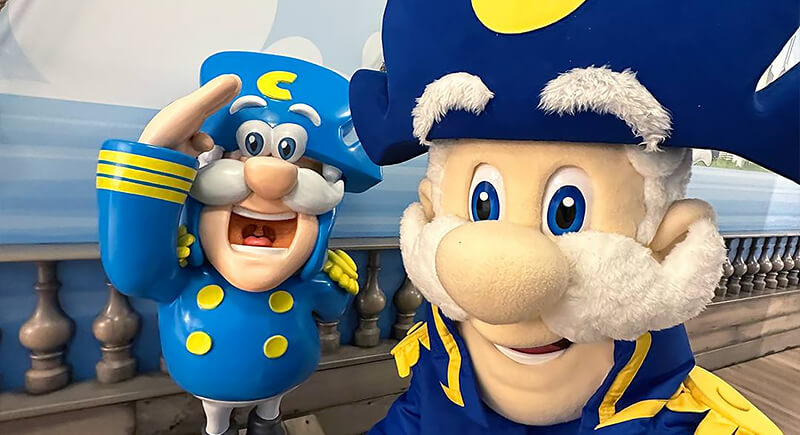
Cap’n Crunch ran his cereal empire like a cartoon naval captain. Ads often featured the Cap’n defending his cereal cargo against the villainous pirate Jean LaFoote. Children watching weekend cartoons saw a tiny animated universe built around breakfast, complete with side characters and sailing adventures.
Lucky The Leprechaun
Credit: X
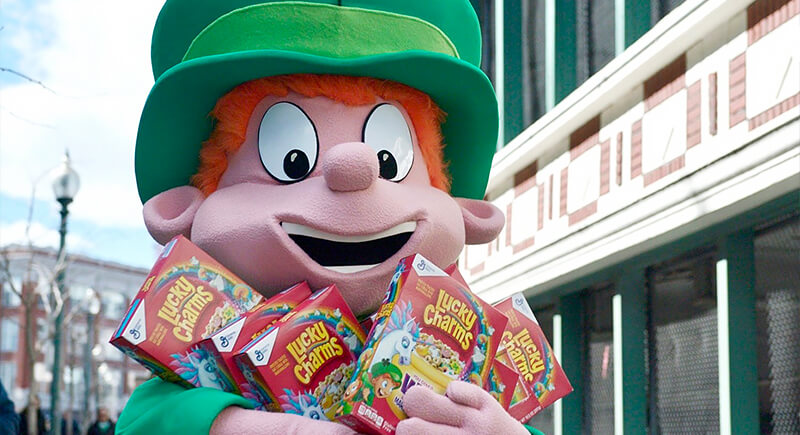
Lucky Charms introduced its cheerful leprechaun in 1964. His job involved guarding a bowl filled with oats and colorful marshmallow pieces known as marbits. Early commercials treated the marshmallows like magical charms that granted powers. The shapes changed often. Hearts, stars, horseshoes, and clovers appeared first. Later decades added balloons, rainbows, and shooting stars.
Trix Rabbit
Credit: Facebook
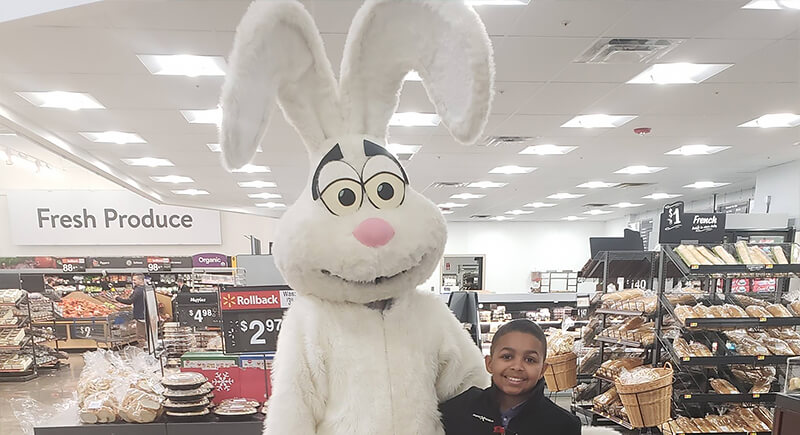
The Trix Rabbit built an entire career around a single problem. He wanted a bowl of Trix cereal but never managed to get one. Commercials treated that goal like a slapstick routine. The rabbit tried fake identities and elaborate tricks. The catchphrase “Silly rabbit! Trix are for kids!” became one of advertising’s longest-running punchlines.
Sonny The Cuckoo Bird
Credit: Reddit
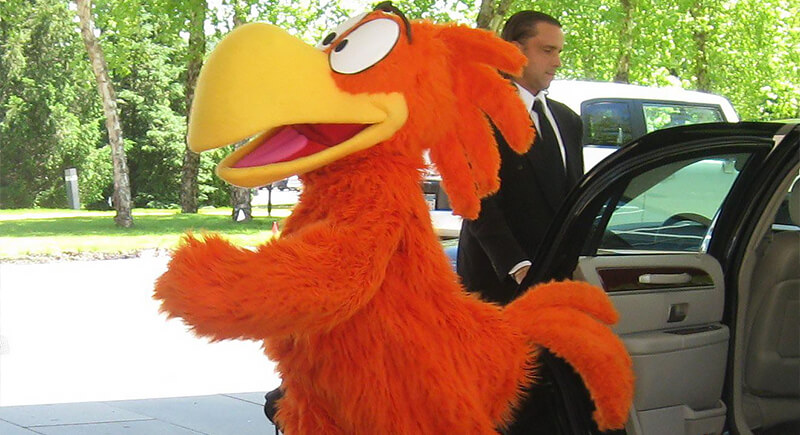
The phrase “I’m cuckoo for Cocoa Puffs!” captured Sonny’s entire character. Writers built commercials around that uncontrollable reaction. Sonny attempted normal tasks before chocolate cereal triggered chaos. Animation exaggerated his spinning eyes and frantic movements. Those over-the-top reactions kept him memorable through decades of Saturday morning advertising blocks.
BuzzBee
Credit: Instagram
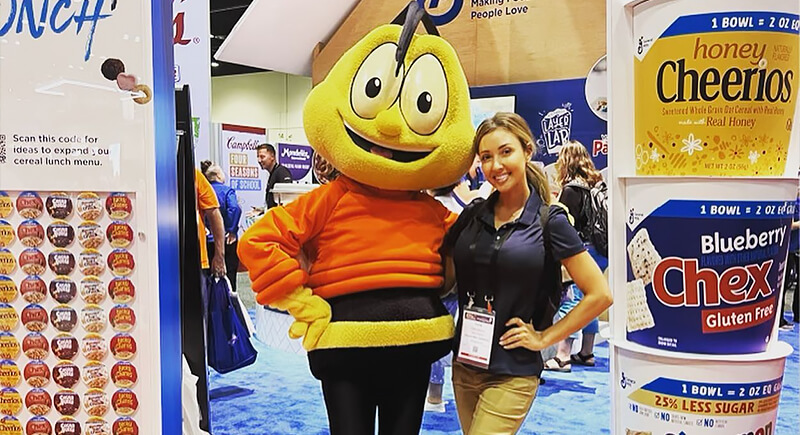
Honey Nut Cheerios introduced BuzzBee as a cheerful mascot with a simple mission: protect the honey flavor that made the cereal famous. His striped sweater and friendly smile helped him stand apart from more chaotic cartoon mascots. The character later gained a name and backstory in the 2000s.
Dig’Em Frog
Credit: ebay
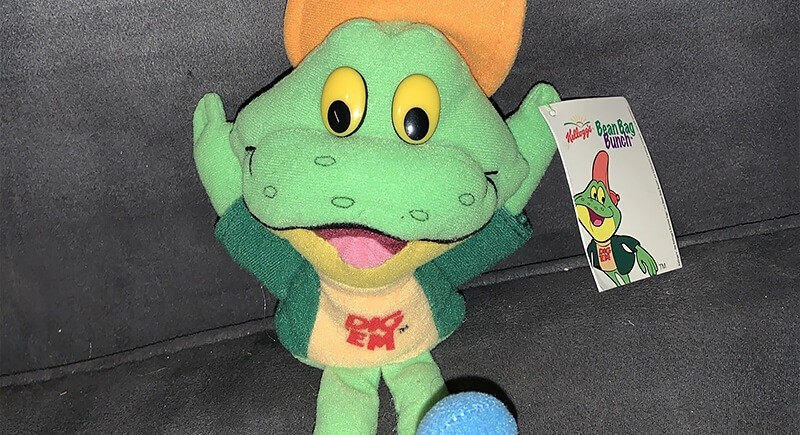
The Honey Smacks mascot carried a smooth voice and relaxed attitude that contrasted with louder characters. Kellogg’s removed him from commercials in 1986 and introduced a new mascot called Wally Bear. Fans pushed back. College students even organized a small protest campaign called “Frog-Aid.” Letters arrived at Kellogg’s headquarters, and they eventually brought Dig’Em back the following year.
Sugar Bear
Credit: Facebook
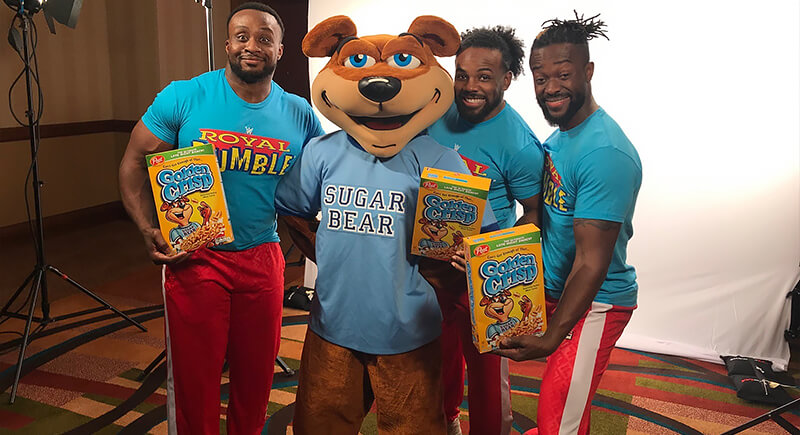
Sugar Bear from Golden Crisp carried the personality of a cool cartoon hero. He wore a sweater and spoke with a relaxed drawl. Commercials often showed him facing off against villains trying to steal his cereal. The character’s calm attitude made him memorable. Children watching morning cartoons often remembered his laid-back confidence just as much as the cereal.
Snap, Crackle, And Pop
Credit: X
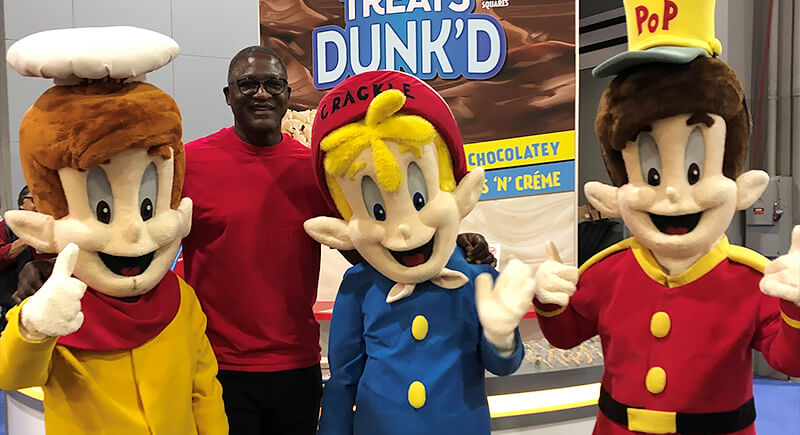
Rice Krispies relied on three mascots instead of one. Snap, Crackle, and Pop represent the sounds cereal makes when milk hits the bowl. The trio first appeared in the 1930s, but became staples of Saturday morning television decades later. Animated commercials portrayed them as cheerful kitchen helpers. Their elf-like designs changed over time.