Everyday Things You Do In Your 60s That Build More Muscle Than Going to the Gym
Some people notice muscle loss in their 60s as routine tasks begin to demand more effort. Daily activity still builds and preserves strength later in life, especially when routines regularly involve carrying weight, climbing stairs, supporting body weight, or repeated physical work. Many adults maintain strong mobility without structured gym routines because everyday responsibilities continue to place a consistent demand on the body.
Carrying Grocery Bags
Credit: Canva
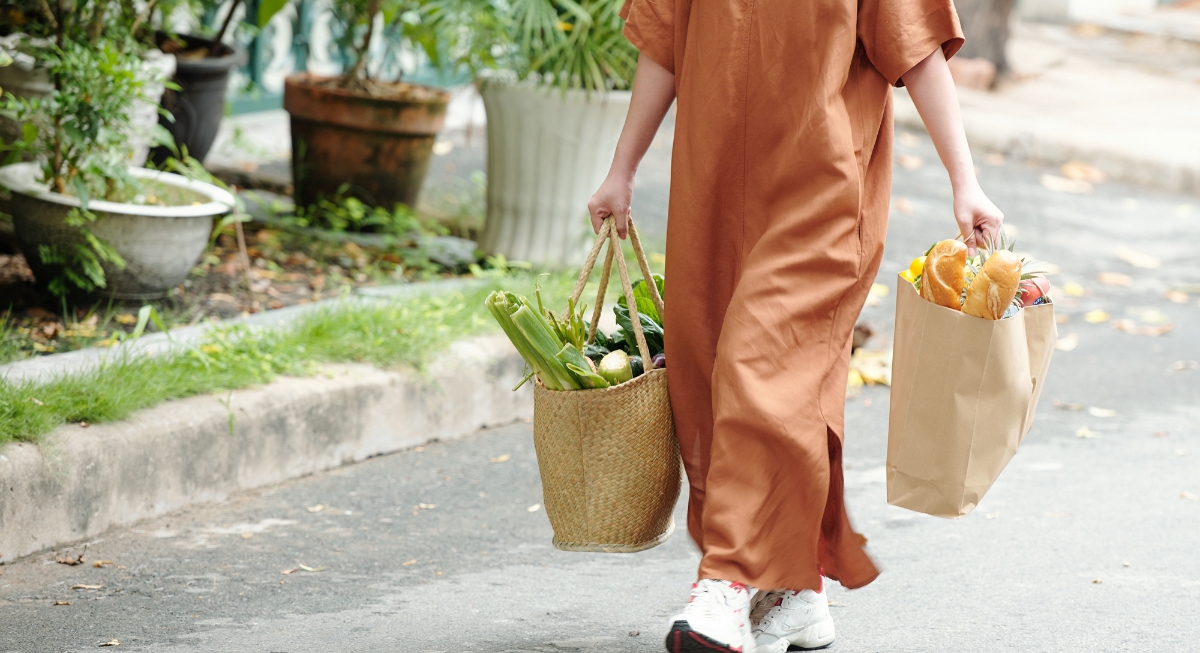
Researchers study grip strength in older adults because weaker grip strength has been linked to lower physical function and higher frailty later in life. A grocery trip can put that grip to work for several minutes at a time. Weight shifts constantly as bags swing against the arms, especially with awkward loads like gallon jugs or bulky containers.
Climbing Stairs Multiple Times a Day
Credit: Getty Images
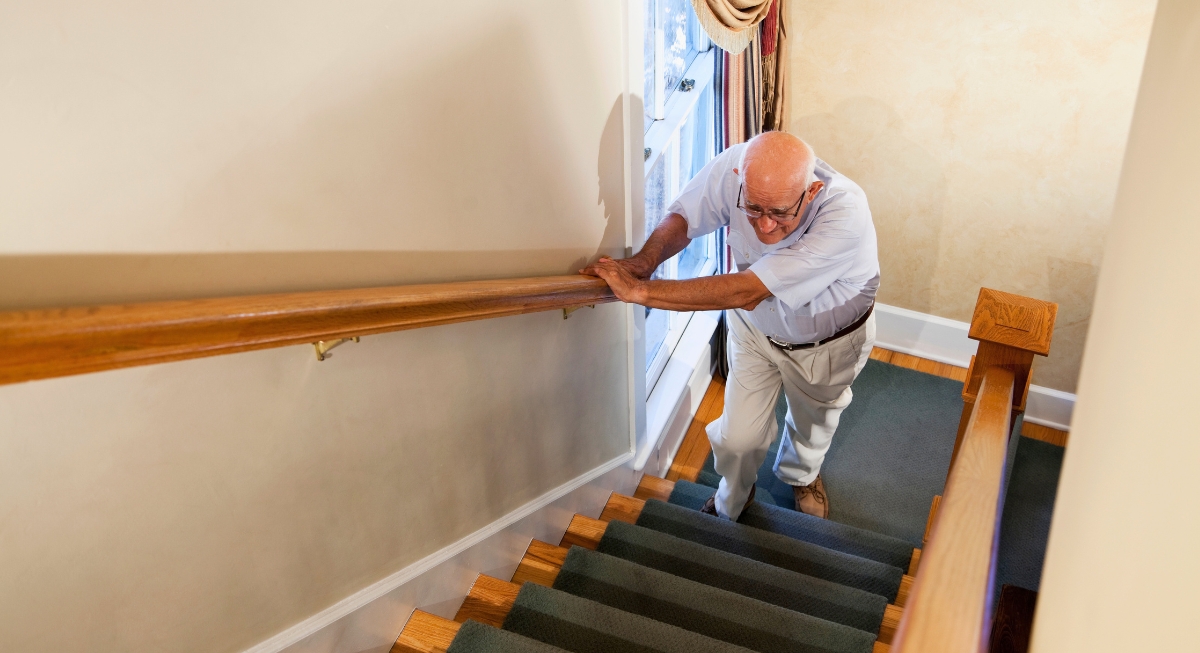
Going down the stairs can challenge the legs just as much as climbing upward because the body has to control the descent, not just generate force. In Belgium, studies found that stair-climbing exercises improved muscle power and walking ability in older adults. Muscle power becomes increasingly important with age because it helps people react during slips, missed steps, or sudden balance changes. In homes with second-floor bedrooms or basement laundry rooms, those stair repetitions can accumulate throughout the week.
Gardening
Credit: Africa Images
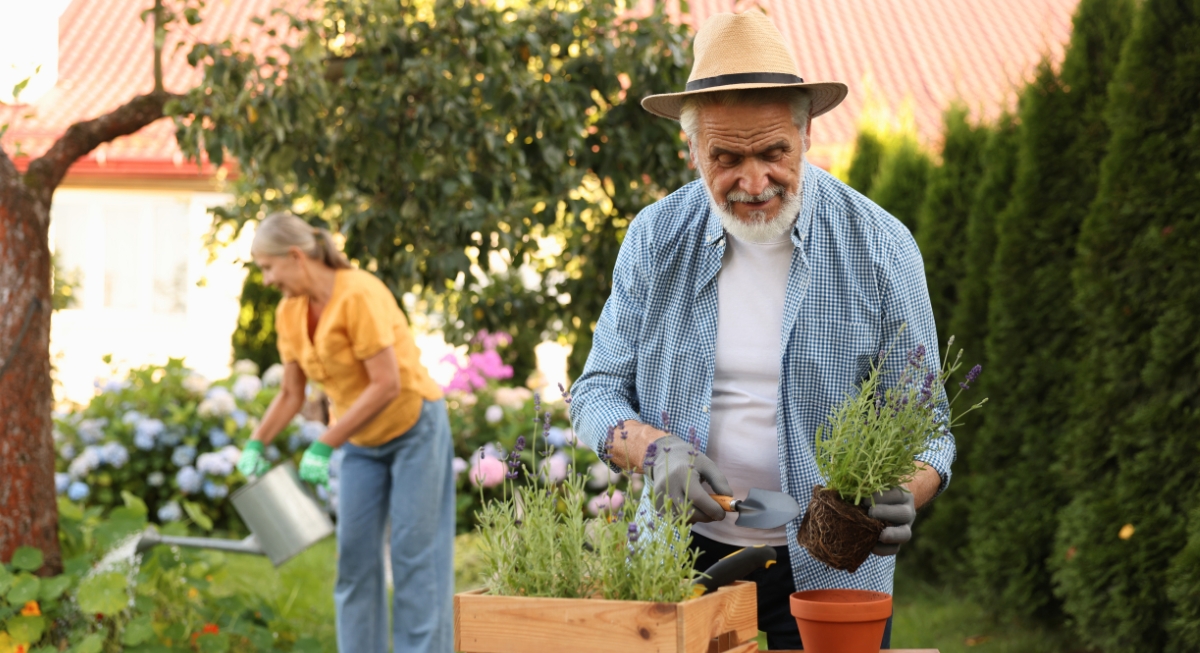
Dirt, grass, gravel, and uneven slopes force the ankles and hips to keep adjusting while the body changes direction repeatedly. One task may involve kneeling beside flower beds while the next requires dragging hoses or carrying heavy bags of soil across the yard. Gardening can /also be a prolonged activity without many formal breaks, especially during planting season or large cleanup projects.
Getting Up From the Floor Without Assistance
Credit: Canva
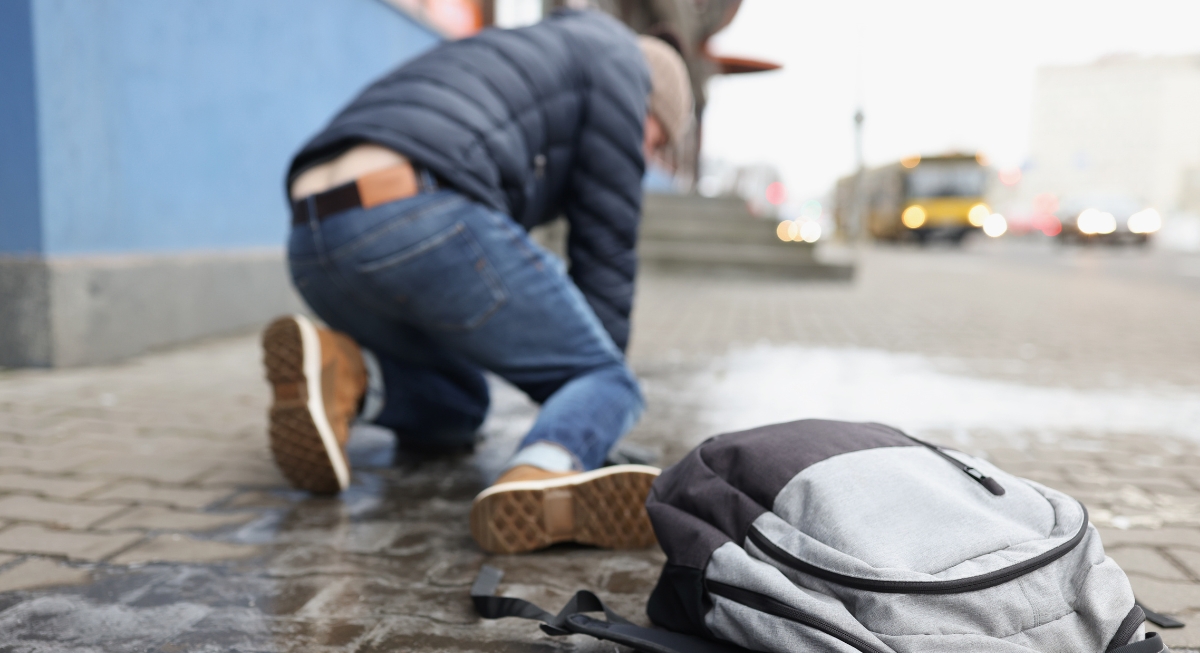
Standing back up from the floor requires coordination as body weight shifts through several positions before reaching a stable stance again. Difficulty rising independently can point toward declining lower-body function or balance problems. It’s common for knee strength and stability to decline after age 50, and the final push into standing posture depends heavily on those areas.
House Cleaning
Credit: Getty Images
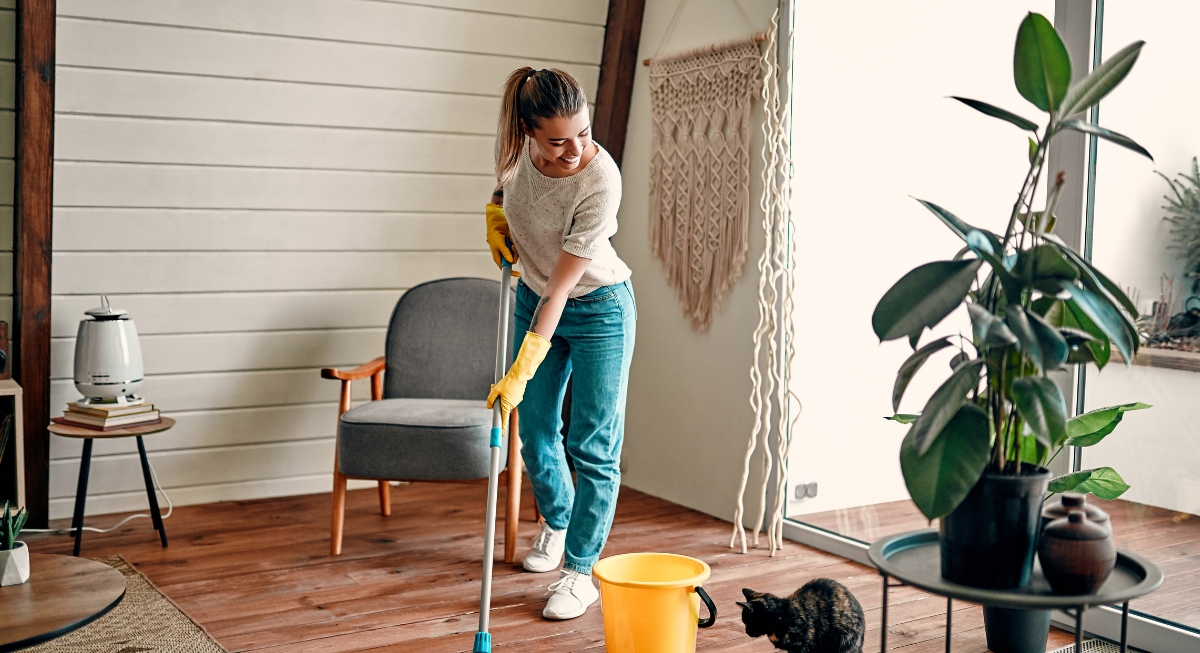
Public health guidelines for older adults consider household chores as physical activity when they involve sustained effort. That can include mopping floors, vacuuming, carrying laundry, scrubbing bathrooms, or cleaning windows for extended periods. Vacuuming repeatedly uses the shoulders and upper back through pushing and pulling motions. Even changing bed sheets can become surprisingly tiring when lifting mattresses and stretching fitted corners.
Doing Yard Work With Manual Tools
Credit: Canva
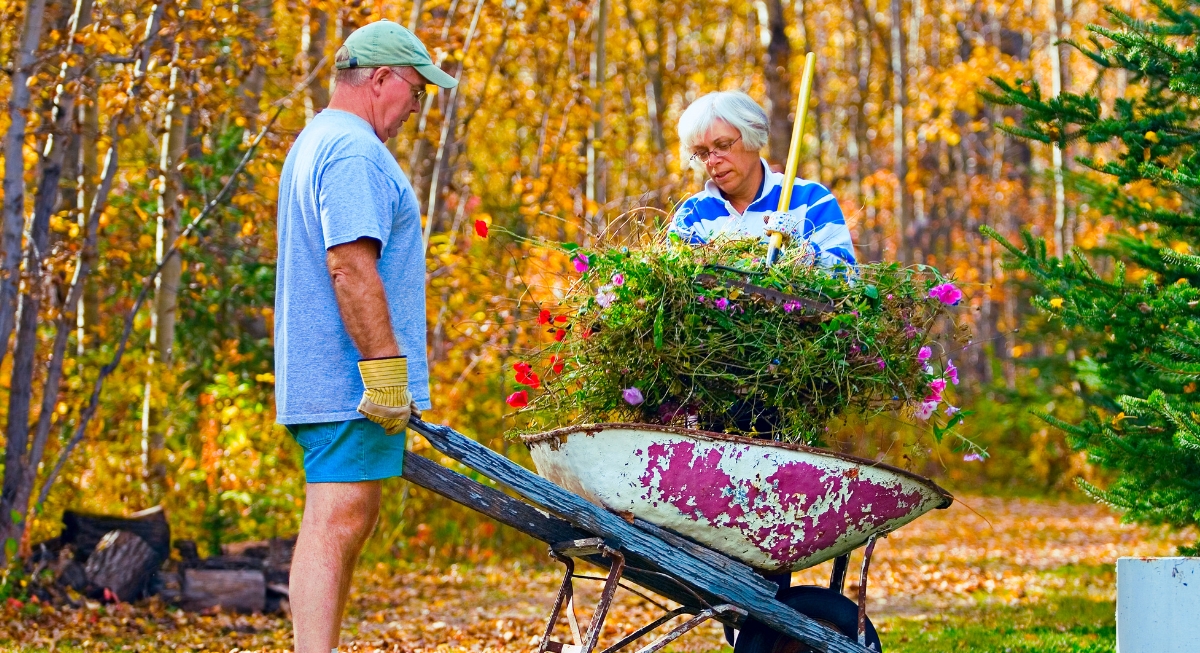
Powered equipment reduces part of the workload during yard maintenance, but manual tools still require steady muscular effort through the arms, shoulders, back, and hands. Digging holes challenges the body differently than pushing a rake or carrying heavy branches across uneven ground. Public health recommendations for older adults specifically mention lawn work and outdoor chores as forms of meaningful physical activity.
Hand-Washing a Car
Credit: Canva
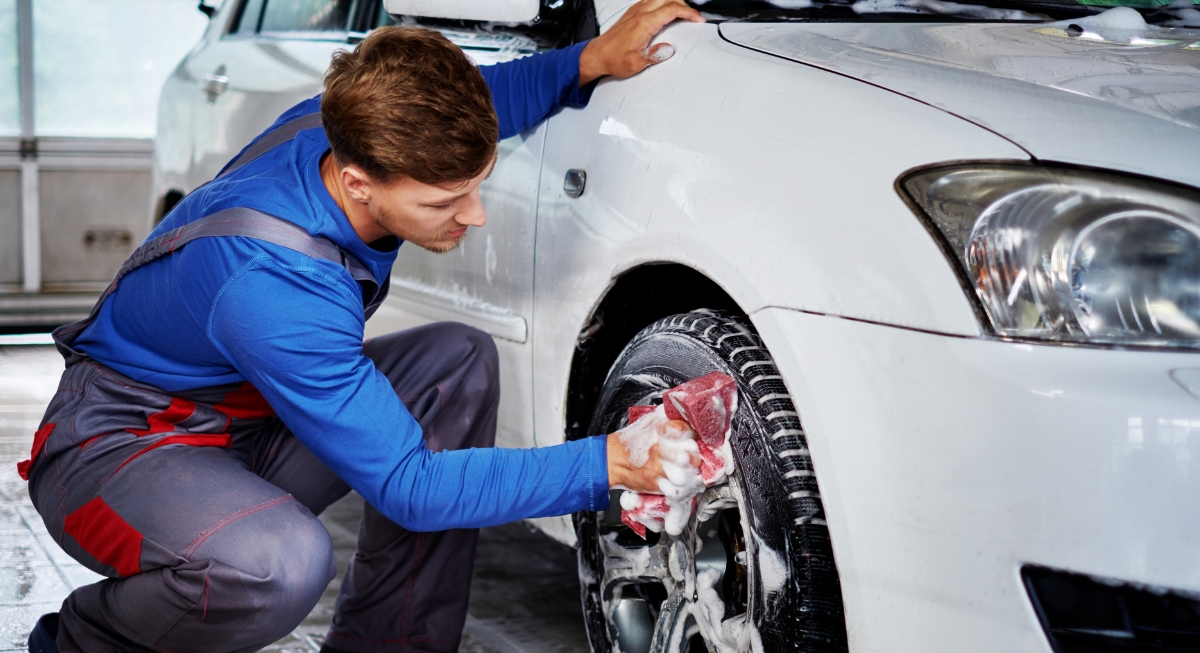
Cleaning a vehicle by hand requires the body to undergo constant position changes. Wheels usually require squatting low to the ground, while roofs and windshields demand repeated overhead reaching. Buckets need lifting and refilling, hoses need to be dragged across driveways, and you spend long periods scrubbing and drying. The task also combines endurance, balance, and coordination.