10 Broadway Stars Who Started Out as Swings
On Broadway, swings operate inside the margins of the schedule, where they learn overlapping tracks, monitor nightly changes, and stay contractually available without knowing when they’ll be used. The job exists outside publicity but inside the machinery that keeps shows running. For several major performers, those years shaped how careers unfolded in very specific ways.
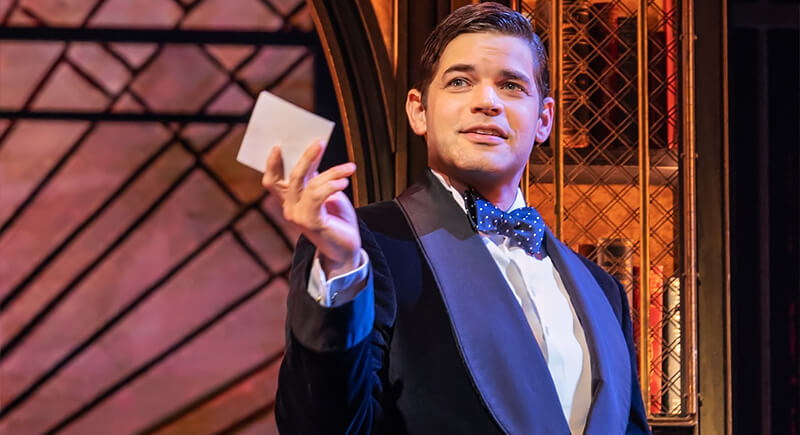
Jeremy Jordan
Credit: Instagram
In 2009, Jeremy Jordan entered Broadway through Rock of Ages as a swing covering several ensemble tracks and principal roles. The show’s fast turnover left little recovery time between cues. Performing under that pressure normalized precision early, well before Newsies and later headlining roles expanded his profile.
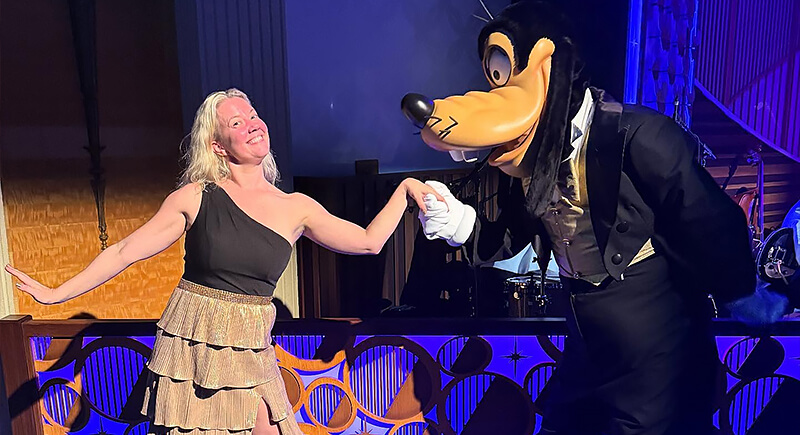
Patti Murin
Credit: Instagram
Roller skates were part of the job when Patti Murin joined Xanadu in 2007 as a swing. Alongside performance coverage, she served as dance captain. Managing both roles established her as a stabilizing presence, a reputation that carried into her extended run in Frozen.
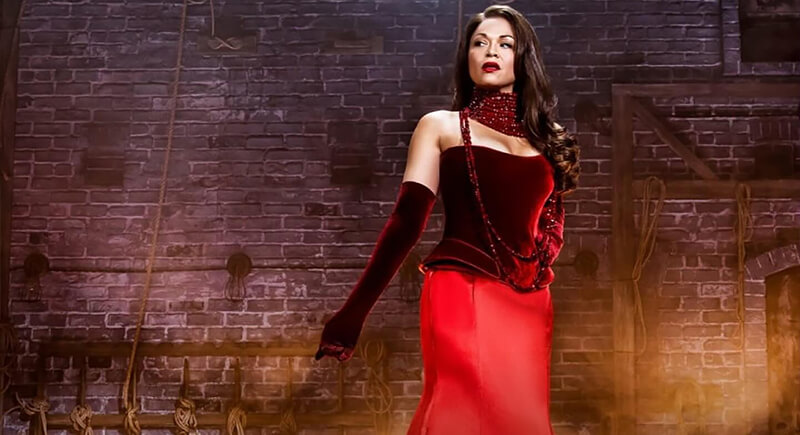
Karen Olivo
Credit: Instagram
Karen Olivo entered Broadway through Rent as a swing, balancing high-intensity ensemble work with preparation for principal roles, including Mimi and Maureen. The assignment demanded vocal adaptability and emotional control across styles. A Tony Award for West Side Story followed years later.
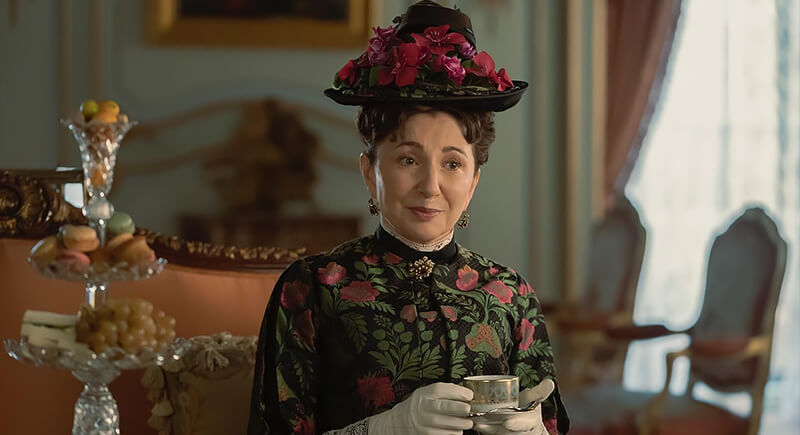
Donna Murphy
Credit: Instagram
A 1979 swing role placed Donna Murphy inside They’re Playing Our Song, a Neil Simon musical built on timing and ensemble precision. Working through coverage sharpened her command of cues and structure before she carried full responsibility onstage. Later performances reflected the early exposure to tightly run productions.
Kate Baldwin
Credit: Instagram
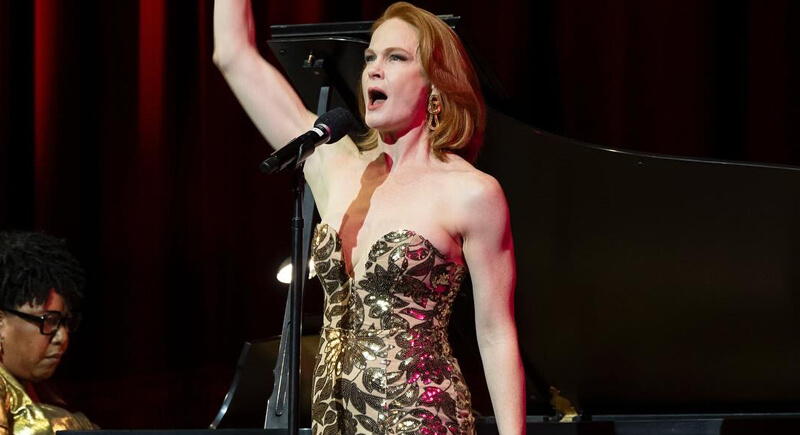
Instead of anchoring a single role, Kate Baldwin spent The Full Monty in 2000 tracking multiple entrances, exits, and choreography patterns. Swing work emphasized spatial awareness over spotlight moments. Those habits informed later performances noted for control, clarity, and disciplined vocal choices.
Joshua Henry
Credit: Instagram
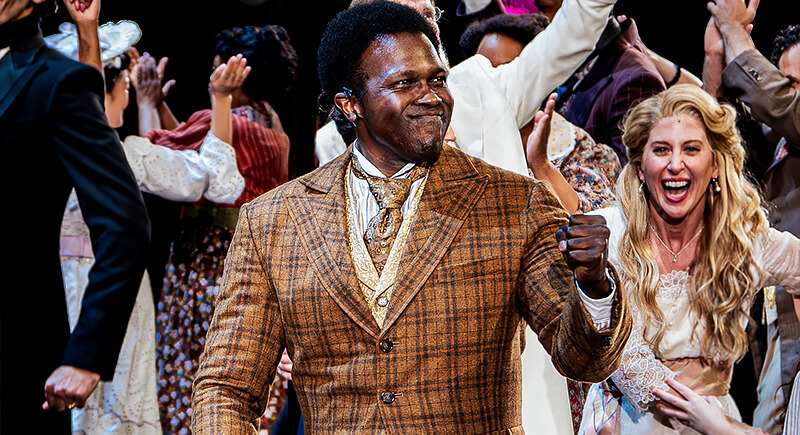
Fast tempos and dense harmonies defined In The Heights, where Joshua Henry worked as a swing in 2008. Ensemble coverage required internalizing complex rhythms while staying ready for principal duties. Exposure to that musical language positioned him for steady casting, leading to more than 10 Broadway appearances and multiple Tony nominations.
Jonathan Groff
Credit: Instagram
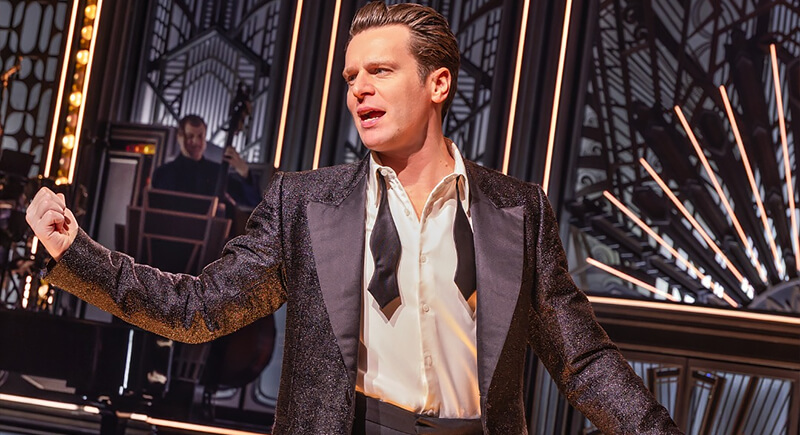
Before recognition arrived, Jonathan Groff balanced swing coverage and dance captain duties in In My Life in 2005. The role involved monitoring spacing, tracking notes, and correcting issues mid-run. The early responsibility built professional credibility that later supported leading turns and Tony recognition across revivals and new productions.
Brittney Johnson
Credit: Instagram
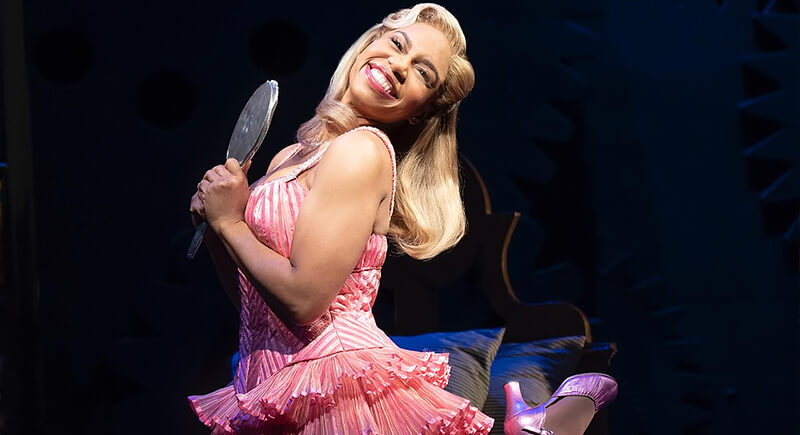
Covering multiple female tracks in Motown The Musical in 2013 placed Brittney Johnson inside a tightly scheduled production with frequent cast changes. Precision mattered more than visibility, because when principal opportunities opened, she moved quickly, stepping into Diana Ross and later becoming Broadway’s first Black Glinda in Wicked.
Nik Walker
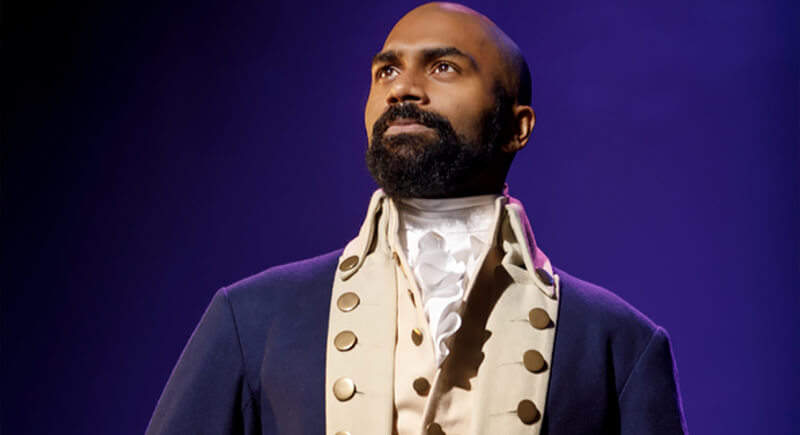
Credit: IMDb
Swing work in Motown The Musical required Nik Walker to prepare ensemble material alongside major male covers. When he assumed Marvin Gaye during the run, the transition happened within the existing production framework. That exposure expanded his casting range.
Bernadette Peters
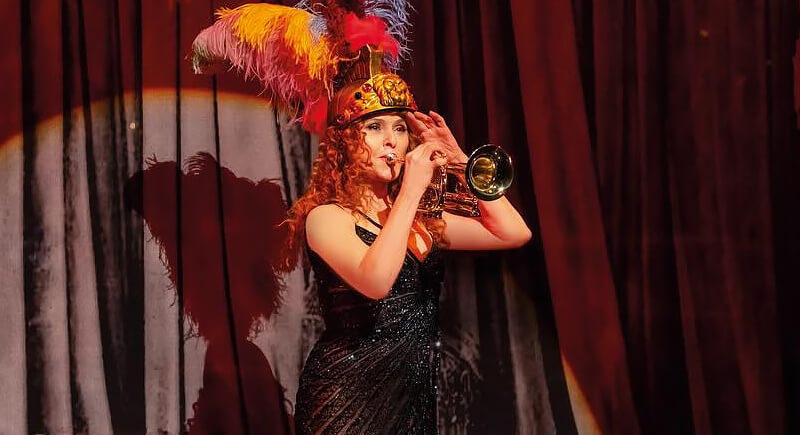
Credit: Instagram
In the late 1960s, Bernadette Peters worked as a Broadway standby, learning full roles without any certainty of performing them. The job meant nightly readiness, long waits in the wings, and limited visibility. Those early routines shaped habits that later supported decades of leading performances and multiple Tony Awards.