10 Easy Ways Men Over 50 Can Boost Their Intimate Life
Intimacy after 50 tends to change. It appears less in big moments and more in how connected you feel on a day-to-day basis. Energy, comfort, trust, and feeling understood all matter more than performance or pressure. This list focuses on simple, realistic ways to strengthen that connection without turning it into a project or a problem to fix.
Keep Moving for Better Performance

Credit: Getty Images
One active weekend does not undo a mostly inactive week. Men tend to feel more consistent when movement shows up regularly, even in simple ways like a short walk after dinner or light activity most mornings. What helps most is consistency. When the body knows what to expect, it responds with better energy and steadier performance.
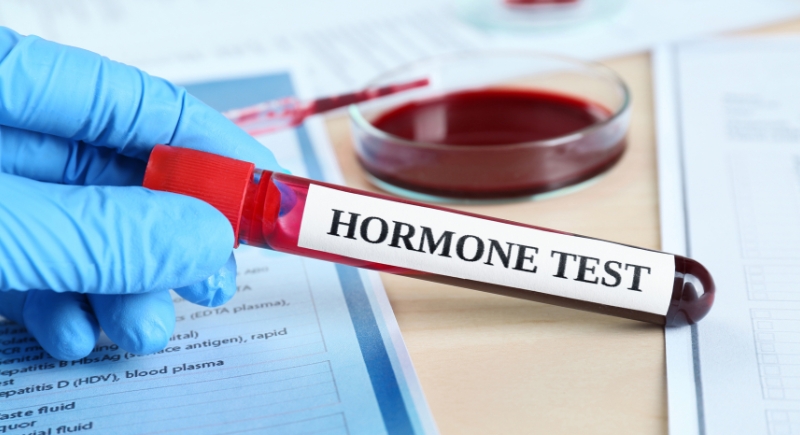
Test Hormones Before Assuming
Credit: Africa Images
Hormone levels fluctuate in response to sleep, stress, illness, and even the timing of the test itself. Many men discover that a single result reflects a momentary state rather than a fixed one, which explains why interpretations vary so widely.
Watch the Waistline

Credit: Odua Images
Changes around the midsection affect how the body handles blood sugar, circulation, and recovery long before clothing fits differently. Carrying extra weight can drain endurance. Even small shifts maintained over months often improve how the body feels during ordinary days.
Get Comfortable With Comfort

Credit: Canva
Aging affects flexibility and recovery in predictable ways. Couples rarely take the time to label these changes. They are evident through practical choices, such as pacing, positioning, or using simple supports. In many relationships, these adaptations exist as unspoken rules rather than topics of discussion or sources of tension.
Review Medications Honestly

Credit: Getty Images
Medications taken for years often blend into the background of daily life. Some might influence alertness, mood stability, or physical readiness in ways that develop slowly. Because the change is gradual, many men assume it is age-related. Periodic reviews can reveal practical adjustments worth discussing.
Expand the Definition of Intimacy

Credit: DAPA Images
Early relationships often rely on clear scripts shaped by media, peers, and younger expectations. In longer partnerships, those reference points lose relevance. What defines a satisfying connection becomes less about matching an external model and more about what fits the relationship itself, independent of comparison or nostalgia.
Lower Stress Before It Lowers Desire

Credit: Canva
A full calendar keeps the brain in task mode well past working hours because emails, financial decisions, and family logistics compete for attention, even during personal time. Defined boundaries help the mind transition instead of lingering on the day. Without a clear mental off switch, it is hard to settle in.
Rethink Alcohol and Smoking

Credit: Getty Images
Alcohol and smoking tend to affect intimacy in gradual ways rather than all at once. The issue is not a single bad night, but a slow erosion of stamina, circulation, and recovery. Medical research treats these effects as additive, meaning they build over time and become harder to ignore as the body takes longer to bounce back with age.
Talk About What Actually Feels Good

Credit: Photo Images
Many couples move forward on patterns set years earlier. What once felt effortless can drift out of sync without either person fully noticing. Over time, those assumptions begin to shape shared moments and influence comfort, rhythm, and the overall sense of connection.
Protect Yourself and Stay Informed

Credit: Getty Images
Health risks do not fade with age, even if they are easy to overlook. Many people over 55 find themselves dating again after long relationships, and that shift brings different realities. Public health data shows higher infection rates in this age group, partly because habits change and pregnancy is no longer a concern. Accurate information matters more than many expect.