Boomers Speaking Like Gen Z Is the Most Wholesome TikTok Trend
A recurring format on TikTok involves handing a Gen Z-written script to someone over 60 and filming the result. These videos often generate strong engagement and are increasingly being adopted by brands and content teams.
In most cases, older employees and executives deliver lines filled with Gen Z slang such as “slay,” “no cap,” or “main character energy.” The contrast between the speaker and the language creates immediate interest, while the videos still serve a practical purpose by conveying information about a product, service, or location.
When Brands Let Gen Z Write the Script
@abcnews This 77-year-old art curator has gone viral for using Gen Z slang to get younger generations interested in classical art. What You Need to Know is streaming exclusively on @Disney+. #art #museum ♬ original sound – ABC News
Companies have begun involving younger staff and interns in scriptwriting by allowing them to shape the tone with language familiar to their generation. Those scripts are then ironically delivered by older employees who are less accustomed to the terminology, which introduces a noticeable contrast that tends to capture attention.
Despite the informal tone, the content remains informative. A viewer might still receive a walkthrough, a product explanation, or a brand message, but the delivery feels more aligned with current online trends.
The Viral Formula: Confidence Meets Confusion
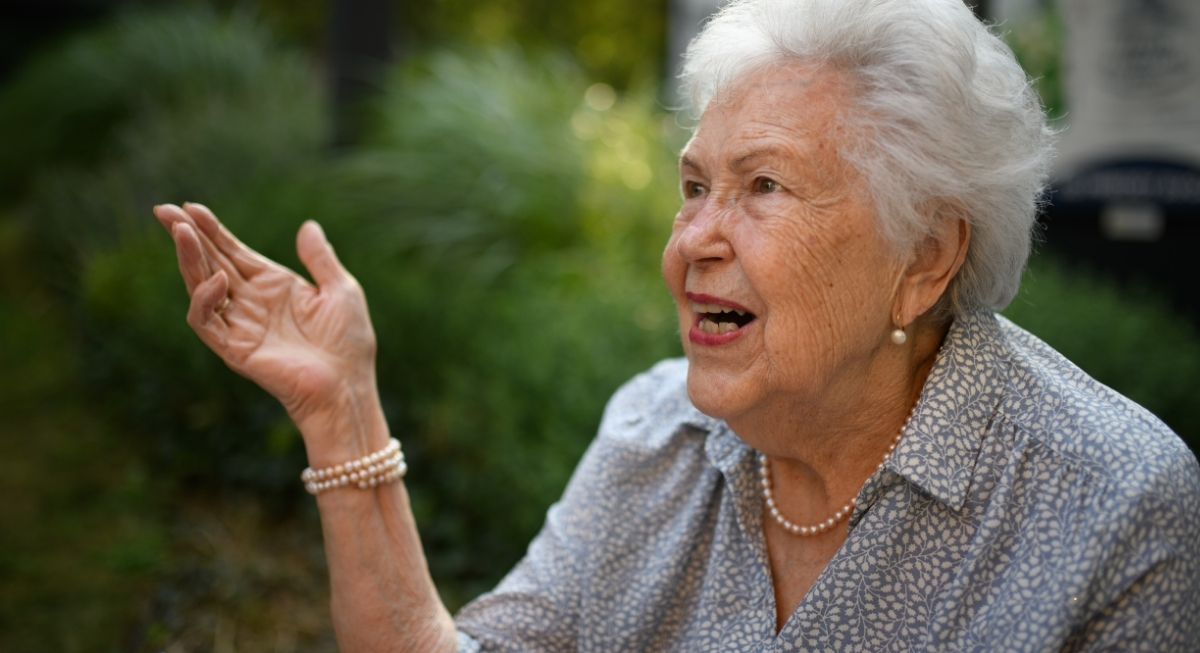
Image via Canva/halfpoint
Many of the more widely shared examples appear to rely on a specific dynamic, where older participants deliver unfamiliar language with visible confidence.
An example comes from a UK zoo, where directors in their 60s followed a script written by Gen Z while giving a tour. As they moved through the exhibits, they used phrases such as “very demure” and “main character energy,” which helped the clip reach over 5 million views and attract significant engagement.
According to those involved, filming a one-minute video took around 2 hours, partly because it required replicating gestures associated with Gen Z trends.
Why Gen Z Slang Feels Like a Different Language
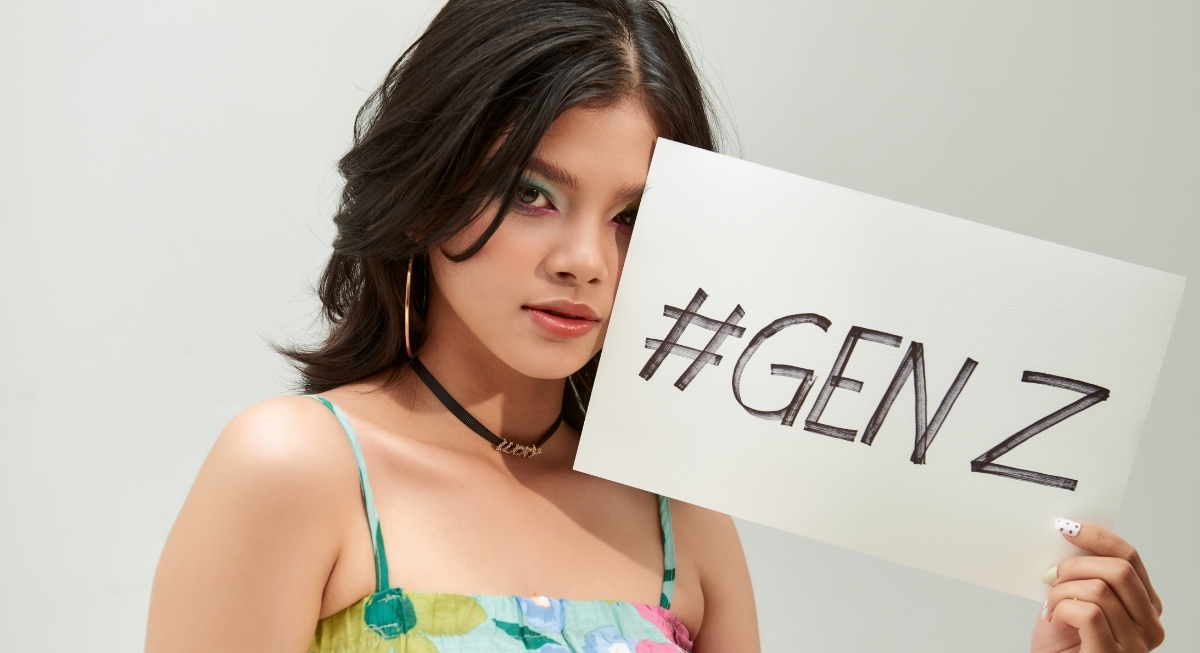
Image via Getty Images/Makidotvn
The pace at which Gen Z slang develops and spreads can make it difficult for other age groups to follow, particularly when new terms circulate rapidly across social media platforms.
Although this may seem like a recent phenomenon, each generation has historically developed its own vocabulary to signal identity and belonging. What distinguishes the current moment is the speed of distribution. Platforms like TikTok enable new phrases to gain widespread visibility quickly.
Because of this, older generations often encounter these terms after they have already become widely used, which can contribute to a sense of disconnect.
Translation vs. Imitation
Generational differences in slang have long been part of everyday communication. By translating Gen Z slang into terms commonly associated with Millennials or Gen X, these videos demonstrate that the underlying meanings are often consistent.
For instance, “no cap” aligns with “no lie” or “for real,” while “bussin’” corresponds with “dope,” and “rizz” can be understood as “game.” Expressions that once seemed confusing—such as “wicked” meaning good or “pants” meaning bad—eventually became familiar to broader audiences. Earlier decades featured their own equivalents, such as “far out” or “a gas,” which served similar social functions.
These comparisons suggest that the primary difference lies in wording. While each generation may favor different expressions, the ideas being communicated are frequently similar.