10 Things Boomers Learned in School That Are Now Proven False
Walking into a classroom today is like stepping into a parallel universe, because so many things that once sounded rock solid in school have been completely rewritten. New research continually revises old lessons, and many long-held school “truths” have not aged well. Kids love pointing that out, and honestly, some of these changes are pretty interesting. Here are 10 significant school teachings that are no longer applicable in modern times.
Dinosaurs Are Gone
Credit: pexels
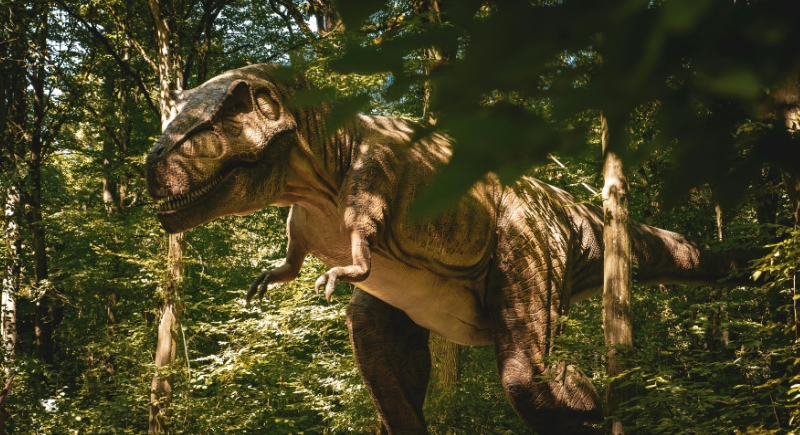
Teachers once said dinosaurs died out 65 million years ago, but paleontologists now explain that birds carry dinosaur DNA. Everything from hummingbirds to pigeons shares a genetic link with the same creatures that once stomped across prehistoric Earth. Birds evolved from theropod dinosaurs. Seeing a blue jay means seeing a living descendant of T. rex.
We Only Use 10% of the Brain
Credit: Getty Images
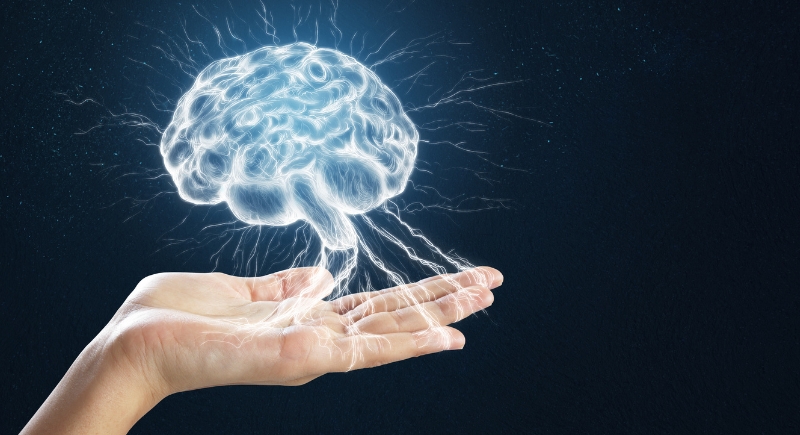
This myth persisted because it sounded mysterious, but brain scans reveal activity throughout the entire organ, even when someone is at rest. Neurologists have never found evidence that 90% of the brain sits idle. Every region has a job.
The Tongue Has a Taste Map
Credit: Canva
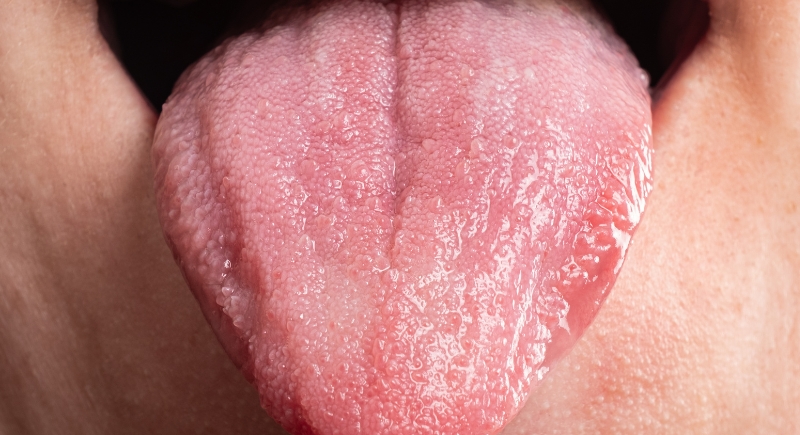
Charts once showed taste zones for bitter, sweet, sour, and salty, but all taste buds can detect every flavor. Scientists traced the idea back to an old misinterpreted graph from 1901. Modern research shows taste receptors are spread across the tongue and work together to identify every flavor.
Hair and Nails Keep Growing After Death

Credit: Canva
This spooky story has been circulating around classrooms for years. Doctors explain that after death, the skin dries and tightens, which makes the nails and stubble appear longer. The cells that create new growth stop functioning without oxygen, so nothing continues to grow once circulation ceases.
The Earth Only Has Three States of Matter
Credit: Getty Images
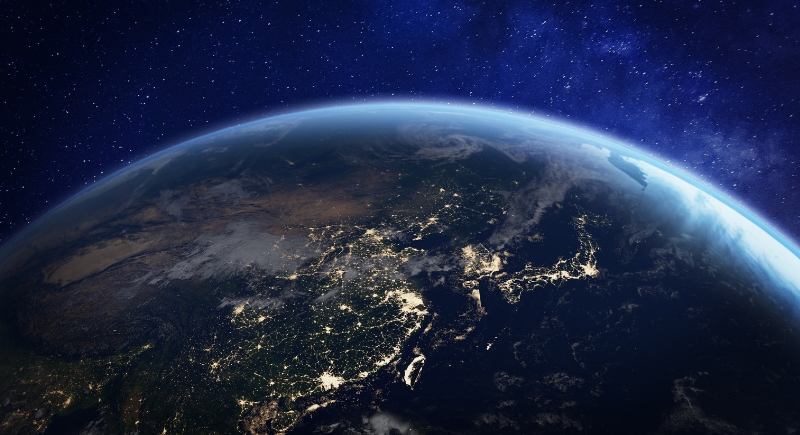
Solid, liquid, and gas were thought to make up the Earth, but scientists confirmed a fourth state called plasma long ago. Neon signs, lightning, and stars are made of plasma. Labs have gone further by creating Bose-Einstein condensates, where matter is chilled so low that molecules barely move. The list of states grows as researchers push the limits.
Pluto Is a Planet
Credit: pixabay
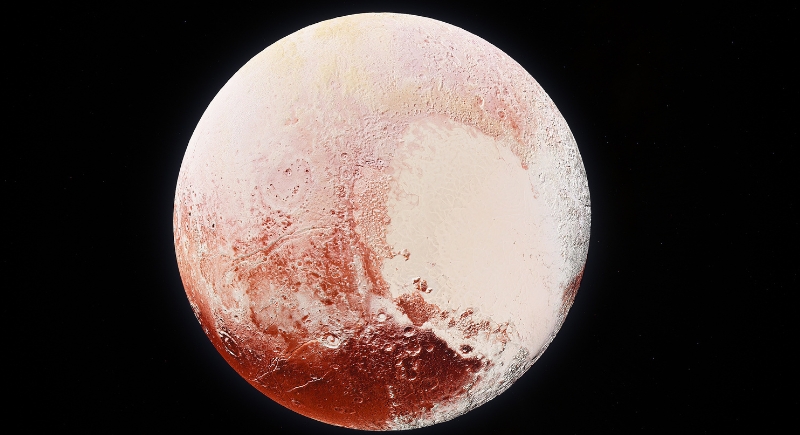
The lineup of nine planets stayed consistent for decades, until astronomers reclassified Pluto in 2006. The International Astronomical Union classified Pluto and Ceres as dwarf planets. NASA lists at least five recognized dwarf planets and expects hundreds more candidates in the Kuiper Belt. The solar system chart looks different than the one taped to classroom walls in the 80s.
The Toilet Flushes Backward in the Southern Hemisphere
Credit: pexels
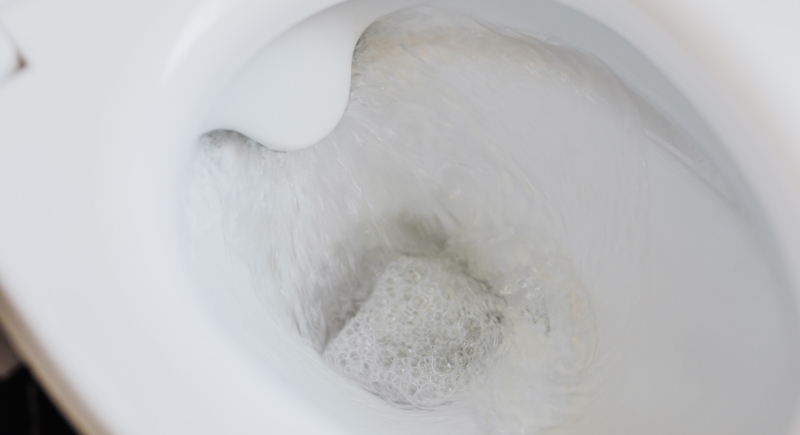
Teachers sometimes mention the Coriolis effect as the reason water spirals backward in Australia, but physicists explain that toilets don’t carry enough water volume for the effect to be noticeable. The shape of the bowl and the direction of the jets determine the spin. Hurricanes follow hemispheric rotation, but bathroom plumbing does not.
Neanderthals Were Dumb
Credit: Getty Images
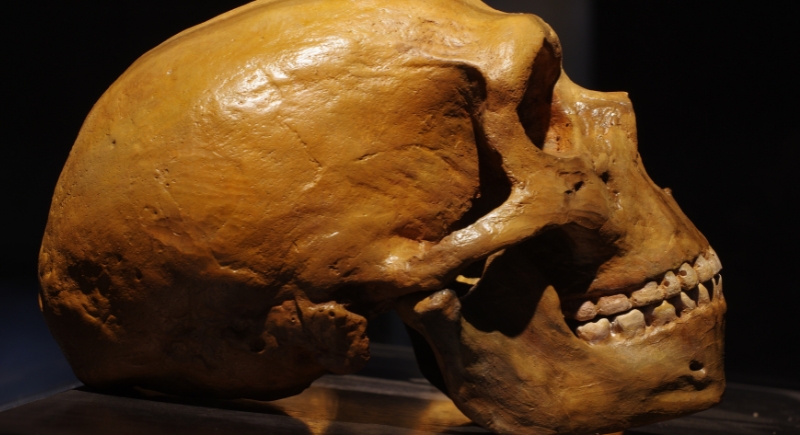
School lessons once painted Neanderthals as slow thinkers who lost out to Homo sapiens, but research published in Nature shows they produced symbolic cave art long before modern humans reached Europe. Archaeologists also uncovered jewelry and tools created by Neanderthals. Studies suggest they disappeared because they were outnumbered, not because they lacked intelligence.
Humans Have Five Senses

Credit: Canva
Kids got the classic ‘senses’ list of touch, taste, smell, sight, and hearing, but neurologists explain that humans have several additional senses. Proprioception helps the body understand its position and orientation. Kinesthetic receptors track muscle stretch. Chemoreceptors monitor oxygen levels in the blood. These senses work constantly and support basic survival.
The Great Wall of China Is Visible From Space
Credit: Getty Images
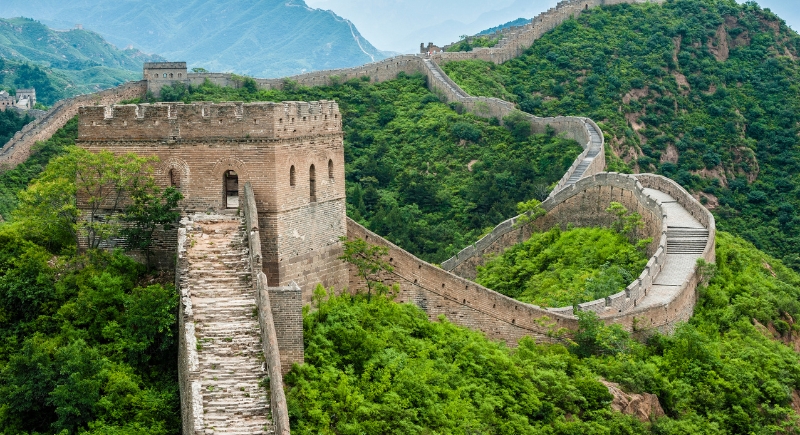
Teachers loved repeating the idea that astronauts could spot the Great Wall from space, but space travelers like Yang Liwei reported that it wasn’t visible to the naked eye. NASA notes that several other structures show up more clearly, including major highways and cities. The Great Wall blends seamlessly with the surrounding terrain, and visibility is heavily dependent on lighting and weather conditions.