Only Boomers Still Own These Specific Kitchen Gadgets and Utensils
Before every kitchen had drawer organizers and multipurpose gadgets, there was a time when tools were made for one job. Baby boomers came of age during a postwar boom in domestic consumer goods, when novelty and function often merged. Their kitchens were filled with gear that promised to simplify and modernize. Many of those items now feel outdated, but they’ve stuck around.
Let’s learn more about them.
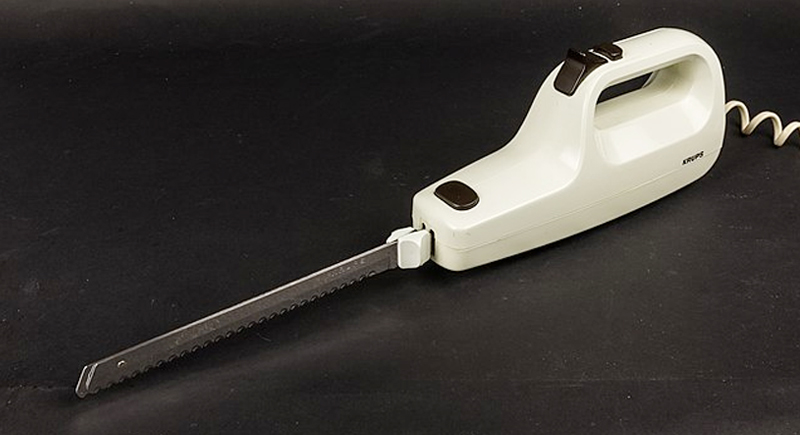
Electric Carving Knife
Credit: Wikimedia Commons
This motorized knife appeared at holiday tables during the ’60s and ’70s. These electric knives hummed and sounded more like small power tools than kitchenware. While the results weren’t always pretty, the futuristic buzz gave hosts bragging rights.
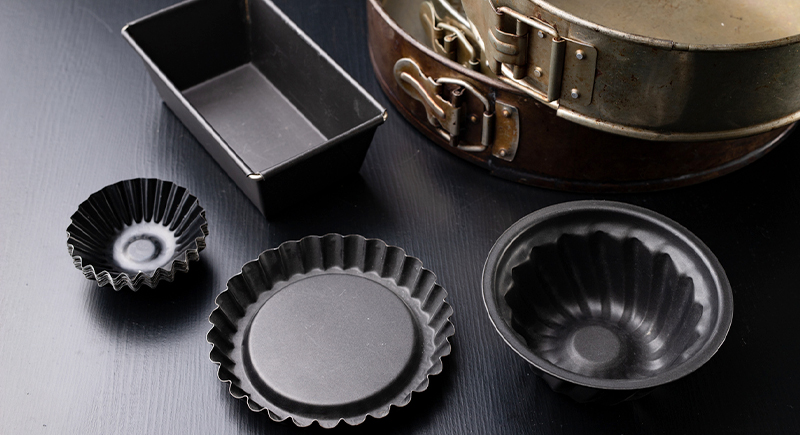
Jello Mold
Credit: iStockphoto
Molded gelatin creations once headlined potlucks. Dozens of shapes existed, from flowers to festive rings, and every family seemed to have a favorite. Although the dish disappeared from menus, the molds themselves have found new purpose in dishes like bundt cakes.
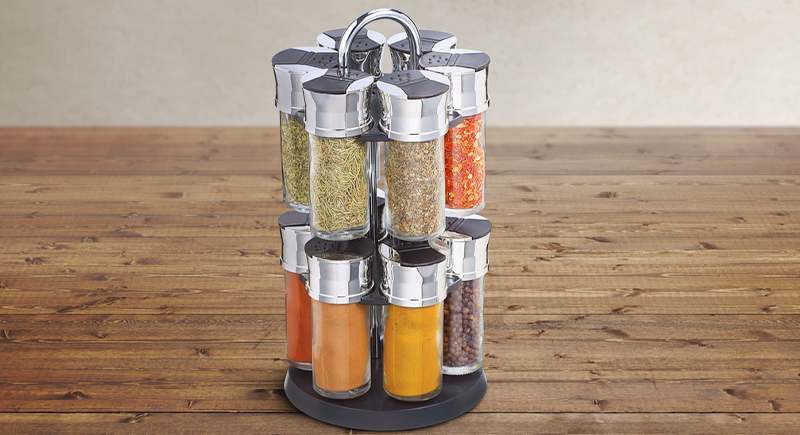
Spice Carousel
Credit: iStockphoto
These rotating spice racks were both practical and decorative. Most came pre-filled with generic spices and labels. Although the concept made organization easier, the carousels often outlived their contents and took up space that modern kitchens prefer to reclaim.
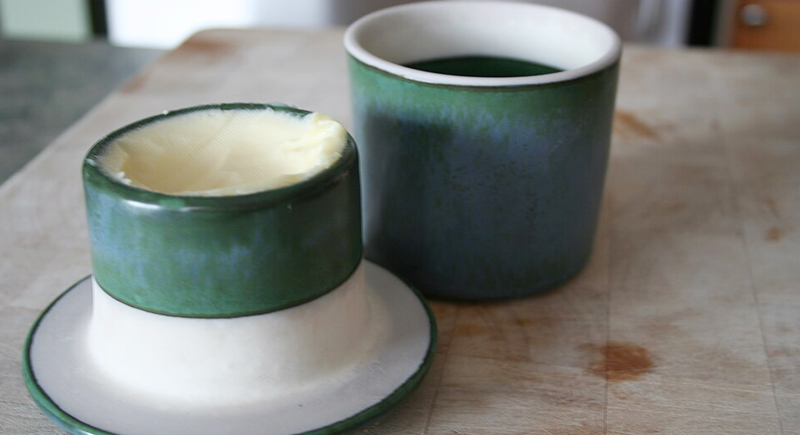
Butter Bell
Credit: Wikimedia Commons
A butter bell utilizes water to create an airtight seal that keeps butter fresh and spreadable without the need for refrigeration. The design originated in France, but its popularity in the U.S. peaked in late-20th-century households that valued countertop convenience.
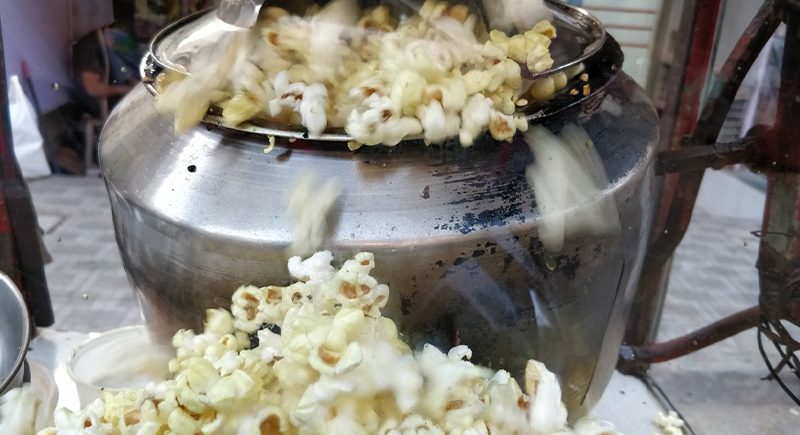
Popcorn Maker
Credit: iStockphoto
Long before microwave bags, popcorn was hot and surprisingly fun to make. Air poppers sent kernels flying into plastic bowls while filling rooms with that unmistakable scent. For boomer families, movie night began with plugging in the machine.
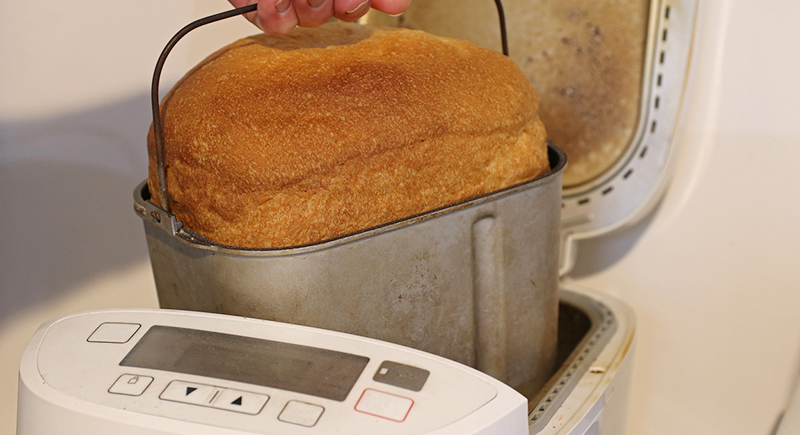
Bread Machine
Credit: iStockphoto
The bread machines of the ’90s delivered homemade loaves with zero kneading. Ingredients went in, buttons got pressed, and hours later, something vaguely loaf-shaped emerged. Despite mixed results, the appeal of baking without kneading won over many home cooks.
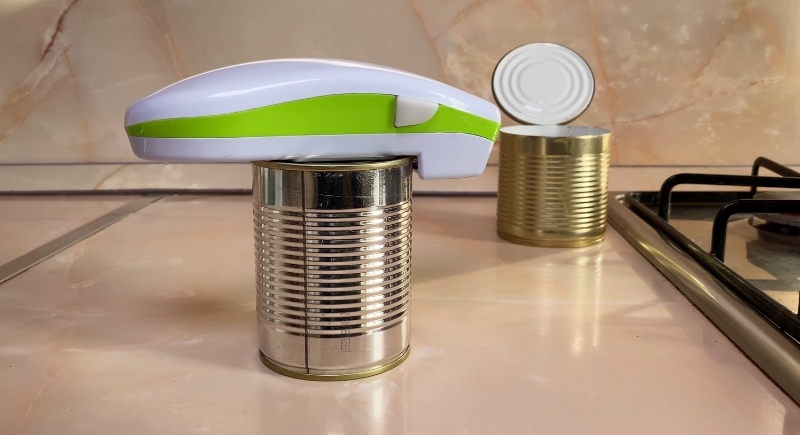
Electric Can Opener
Credit: Getty Images
These countertop devices were once symbols of convenience, especially models with built-in knife sharpeners. Big buttons and no twisting made them helpful for aging hands. Still, they broke easily, took up space, and made a lot of noise. Eventually, manual openers won back the kitchen.
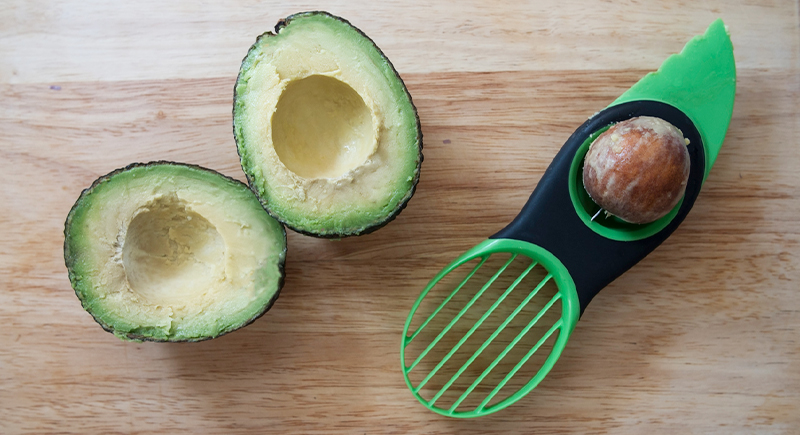
Avocado Slicer
Credit: iStockphoto
At the height of gadget enthusiasm, someone decided avocados deserved their own tool. The slicer claimed to pit, cut, and scoop, but often did none of it well. Many discovered that a regular spoon and knife worked better.
Fondue Set
Credit: Getty Images
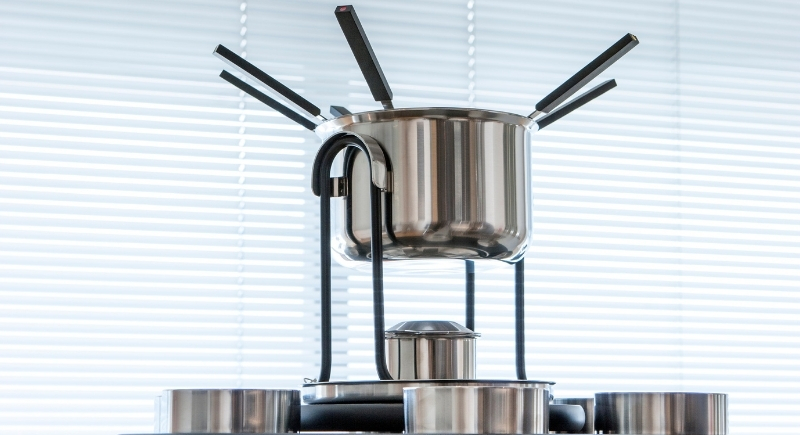
In the 1960s, fondue was the central attraction at parties. With pots, fuel burners, and long forks, it invited everyone to hover over hot cheese or chocolate. It was social and occasionally delicious. Most sets survived untouched, boxed up with the dream of entertaining that never quite returned.
Asparagus Steamer
Credit: Reddit
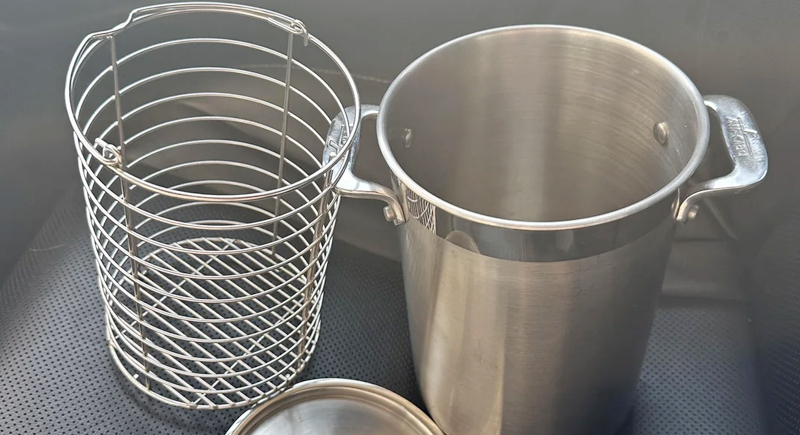
Since they were tall and narrow, these pots cooked stalks upright to preserve texture in the tips. The method made sense in theory, but added clutter for a task easily handled with a pan and lid. As single-use cookware declined, so did the presence of this specialty tool in most homes.
Salad Spinner
Credit: Canva
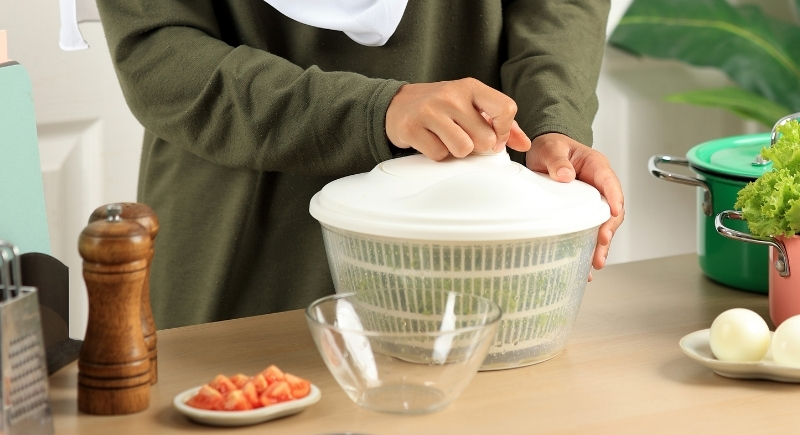
This large plastic bowl with an inner basket and pump lid helped dry greens efficiently before prewashed bags became common. Boomers welcomed it as a practical prep tool, especially for feeding groups. Still, its size and cleaning hassle have made it less appealing to later generations.
Ice Cream Maker
Credit: iStockphoto
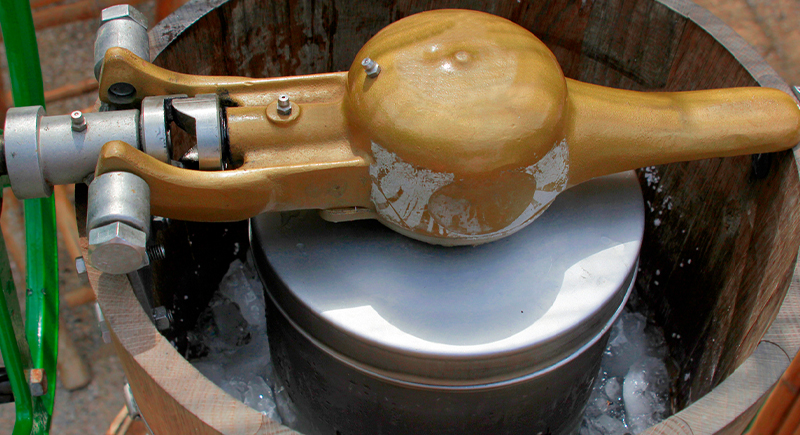
Old-school ice cream machines demanded patience, crushed ice, and a lot of salt. The results varied wildly, but making dessert from scratch felt like an achievement. For many boomer households, it was a summer tradition.
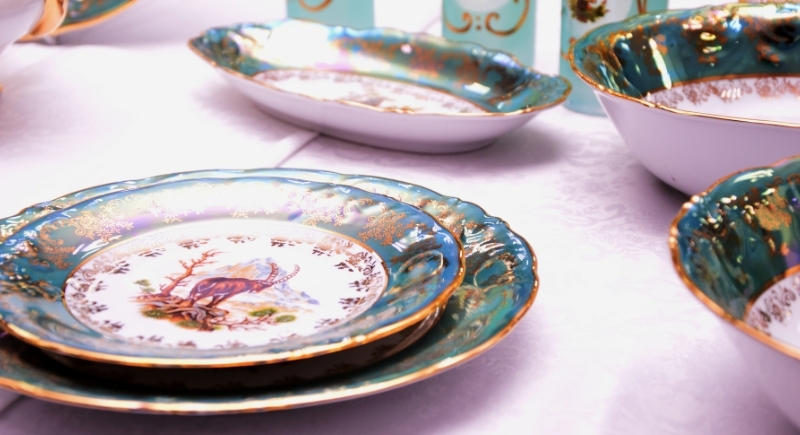
Corelle Dinnerware
Credit: Getty Images
These glass laminate dishes became household standards in the 1970s. Corelle dinnerware was durable, lightweight, and nearly unbreakable. Recognizable patterns like Spring Blossom Green defined an era. They didn’t chip, stacked easily, and outlasted most marriages.
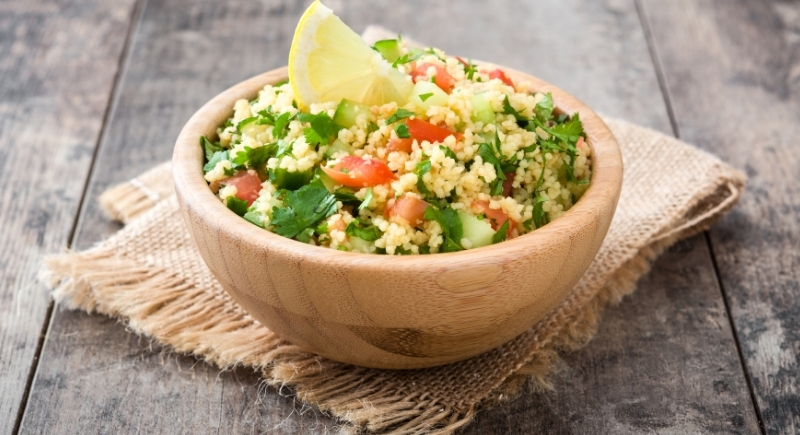
Wooden Salad Bowl
Credit: Getty Images
These large, often teak bowls showed up as wedding gifts or were handed down from relatives. Their weight, size, and need for hand washing make them rare in modern kitchens. Boomers kept them not just for utility, but because they anchored the idea of a “real” salad course.
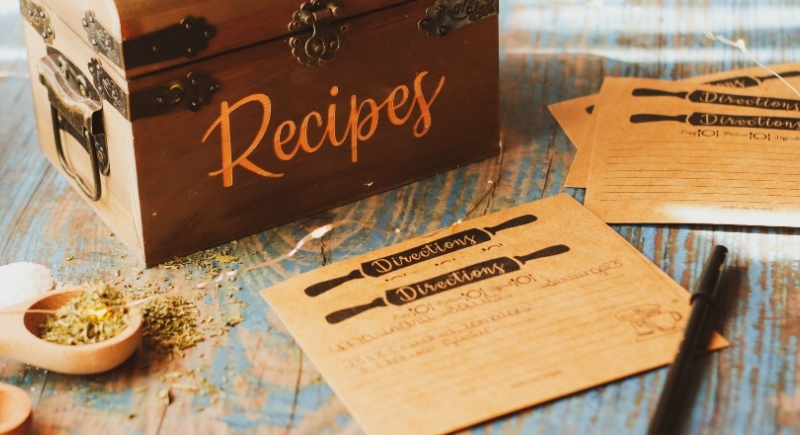
Recipe Box With Handwritten Cards
Credit: Getty Images
Before bookmarks and Pinterest boards, cooks relied on index cards filled with scribbled notes and sauce stains. Some were passed down, others were written in a rush before dinner. Many boomers still treasure them, even if today’s meals come from apps.