10 Boomer Legends Who Returned to the Spotlight in 2026 Without a Press Tour
Several of 2026’s biggest celebrity comeback stories happened without massive publicity campaigns or nonstop media appearances. Instead of relying on traditional comeback strategies, many of these entertainers regained attention through strong performances, selective public appearances, streaming success, fashion visibility, or younger audiences discovering their older work online.
Their resurgence showed that longtime entertainers can still reconnect with audiences without constantly staying in the spotlight or participating in today’s oversaturated celebrity culture.
Demi Moore
Credit: Wikimedia Commons
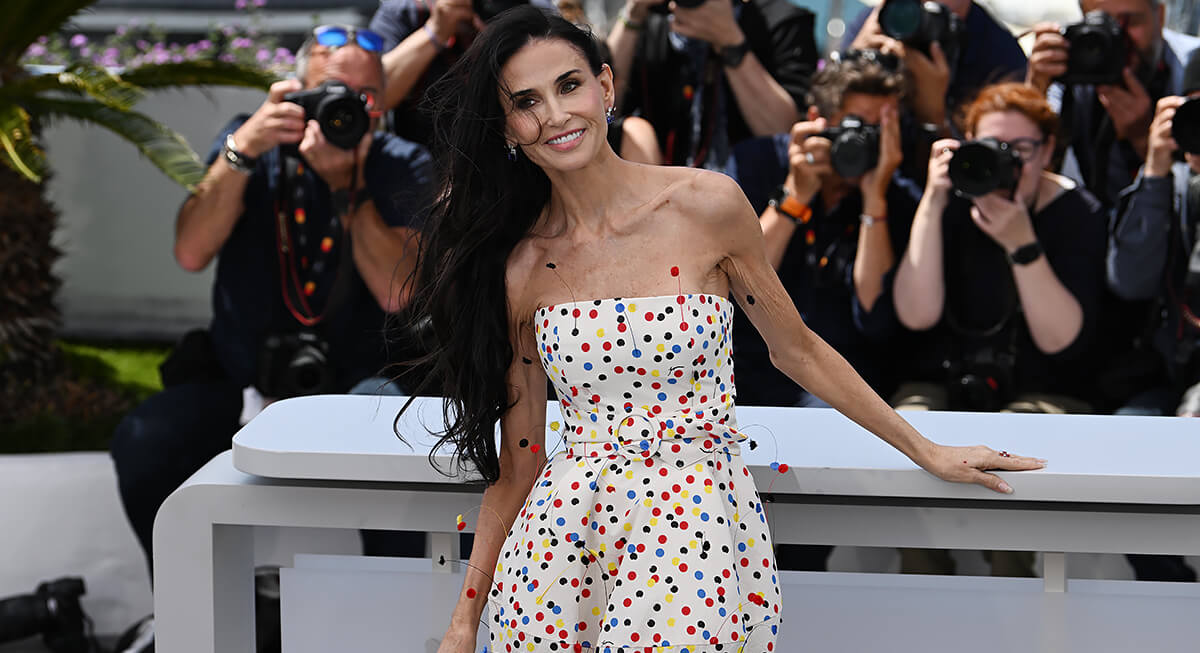
For years, Demi Moore remained widely recognized for her impact on Hollywood while appearing less frequently in major industry conversations. Her visibility rose again after The Substance reminded audiences how effective she could still be in demanding material. The film’s themes of aging, fame, and beauty also aligned closely with broader conversations across entertainment and fashion. Awards attention followed, along with increased visibility at fashion events and red carpets. She reappeared with the confidence of somebody already secure in her legacy.
Pamela Anderson
Credit: Wikimedia Commons
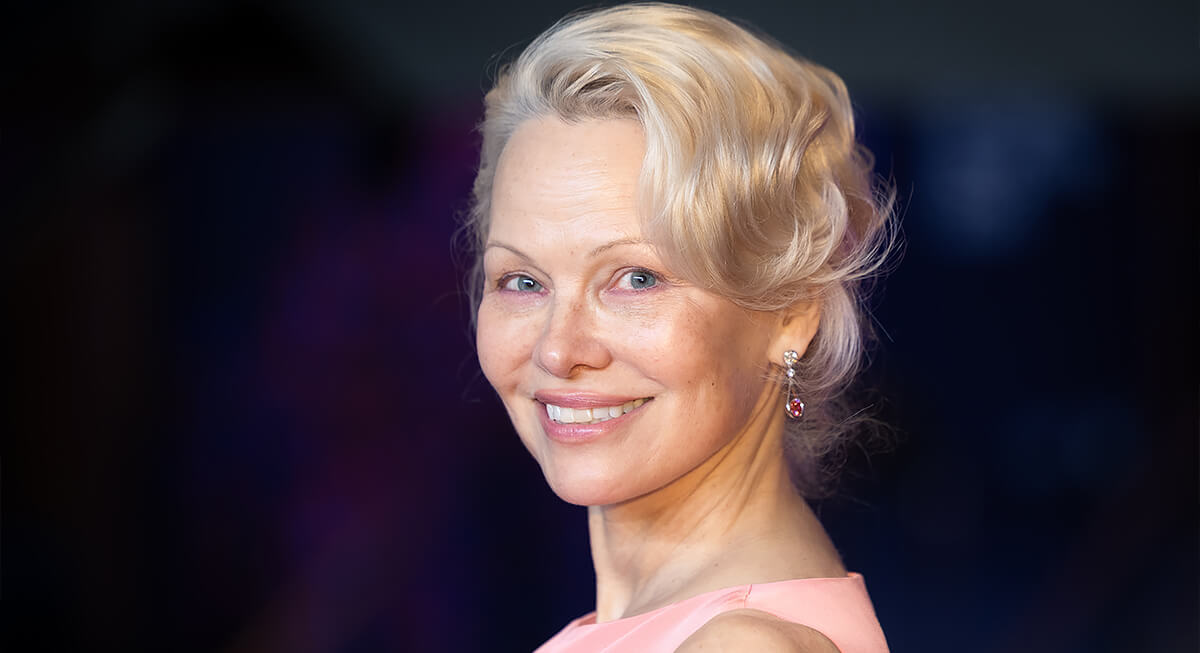
Pamela Anderson returned to public attention through a noticeably different version of herself. Many people cannot separate her from her time on Baywatch. Her makeup-free public appearances generated discussion because they contrasted sharply with celebrity beauty culture and nostalgia-driven branding. Projects like Pamela, A Love Story also helped shift public conversation toward her own perspective.
Cameron Diaz
Credit: Wikimedia Commons
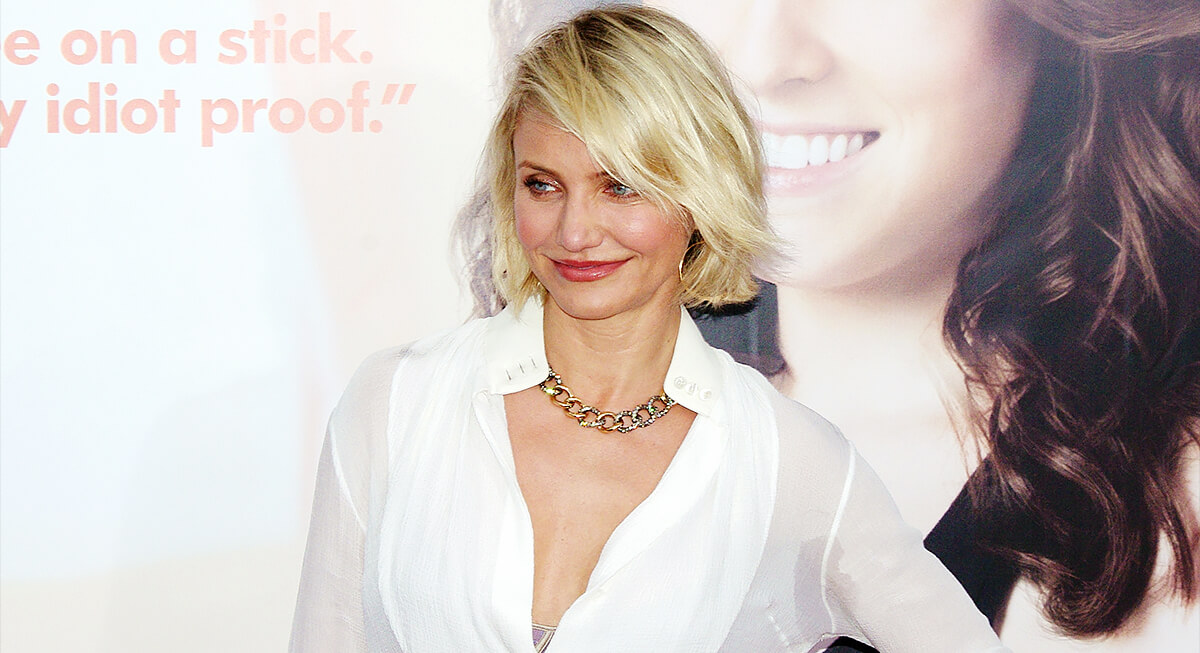
After spending much time away from acting, many viewers assumed Cameron Diaz had permanently retired from Hollywood. She made a reappearance in Back in Action alongside Jamie Foxx. It immediately reminded audiences how naturally she fit into mainstream comedy and action projects during the late 1990s and 2000s. The familiarity of her screen presence became part of the appeal.
Winona Ryder
Credit: IMDb
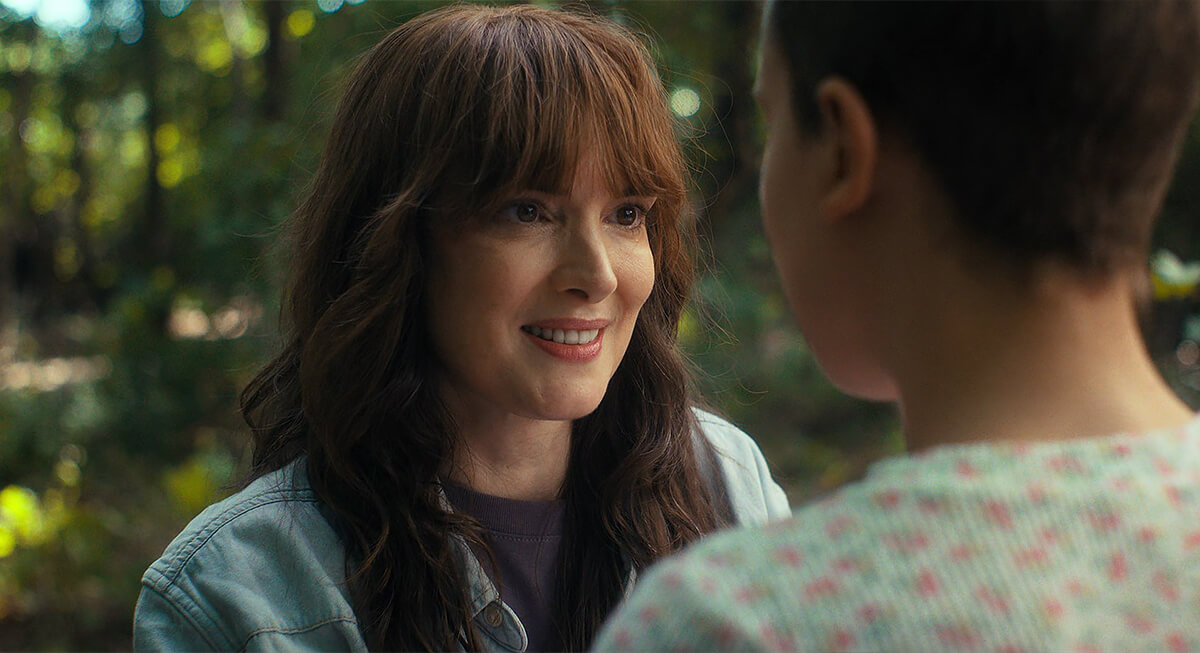
Winona Ryder experienced a gradual resurgence that almost didn’t seem like one at all. Stranger Things introduced her to younger audiences while reconnecting older viewers with the actor many already associated with 1990s independent films and cult classics. Ryder avoided turning the renewed attention into a heavy nostalgia campaign. Her portrayal of Joyce Byers worked because the performance was emotionally grounded. Streaming platforms and social media discussions also helped newer audiences rediscover films like Heathers, Reality Bites, and Edward Scissorhands.
Michael Keaton
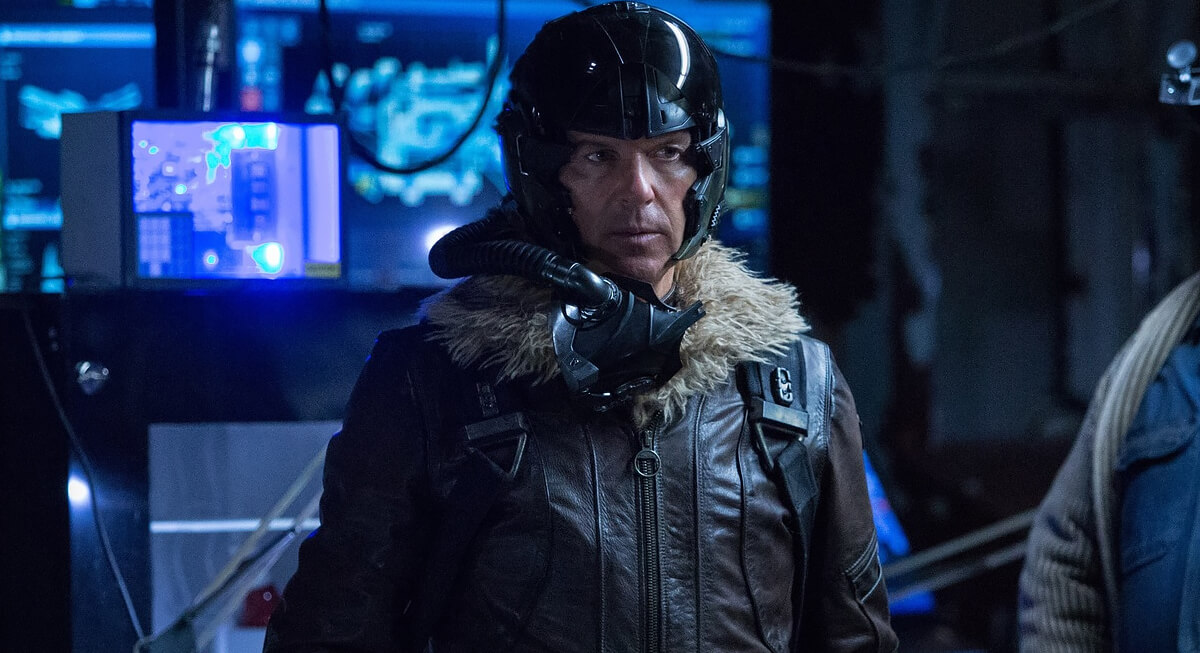
Credit: IMDb
Michael Keaton embraced a broader range of projects in the second phase of his career. He moved comfortably between prestige dramas, dark comedies, and occasional franchise returns. Older audiences still strongly associate him with Batman and Beetlejuice, while younger viewers know him through more recent projects like Knox Goes Away and A Tree of Life. Part of Keaton’s modern appeal comes from his willingness to lean into age and eccentricity.
Harrison Ford
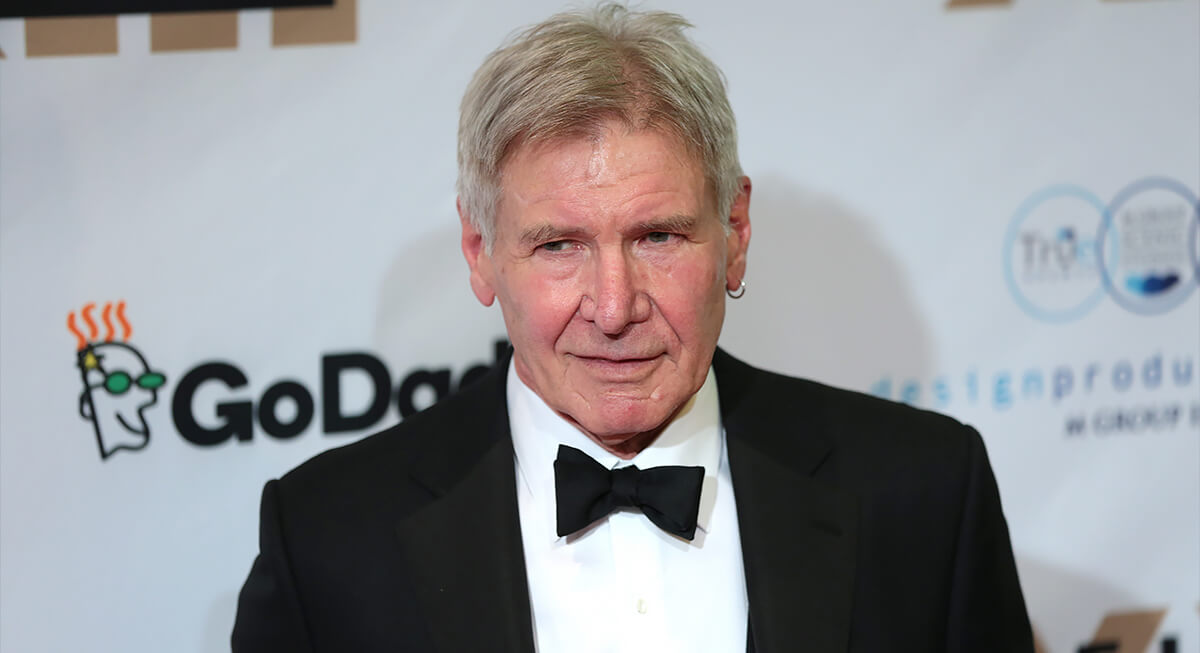
Credit: Wikimedia Commons
Harrison Ford reached a level of familiarity few actors sustain across multiple generations. While franchises like Star Wars and Indiana Jones remain central to his legacy, television helped expand public perception of him in recent years. Projects such as Shrinking allowed audiences to see a more vulnerable and comedic side of Ford than the guarded action heroes he became famous for playing. Interviews also contributed to his continued popularity, largely because of his dry humor and blunt personality.
Jeff Bridges
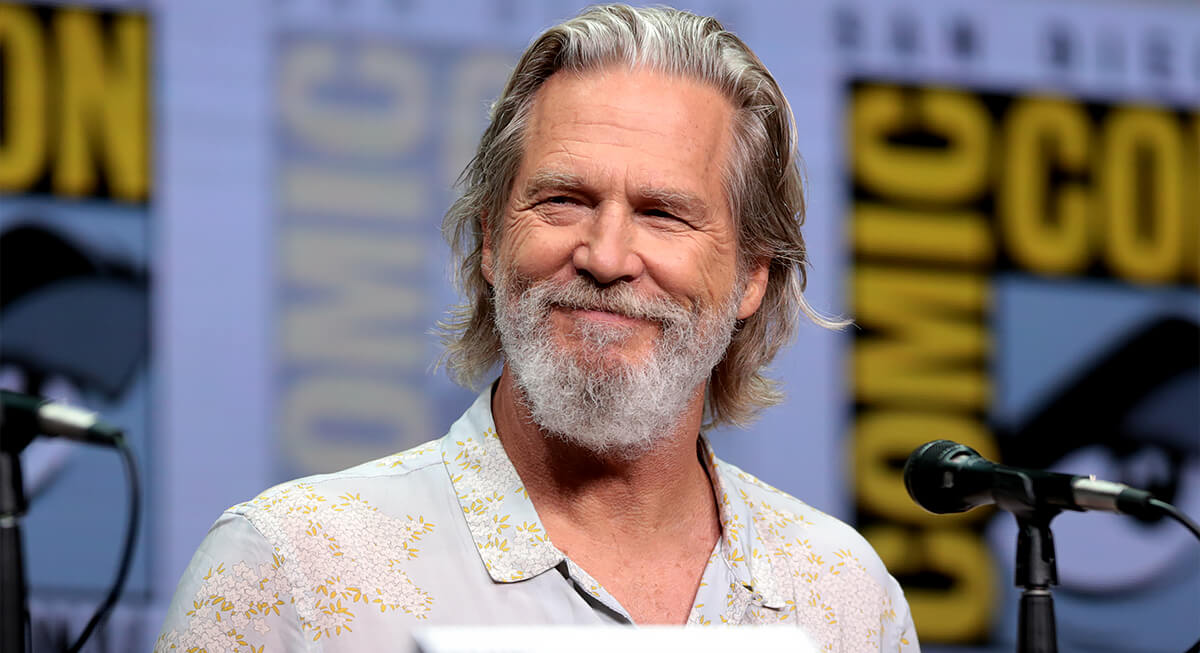
Credit: Wikimedia Commons
Jeff Bridges returned to acting, carrying the additional emotional weight of health scares. Audiences followed much of his recovery process in real time, which changed how many viewers experienced his later performances. Bridges still carries the laid-back charisma associated with films like The Big Lebowski, though age and experience added more reflection and vulnerability to his screen presence.
Jamie Lee Curtis
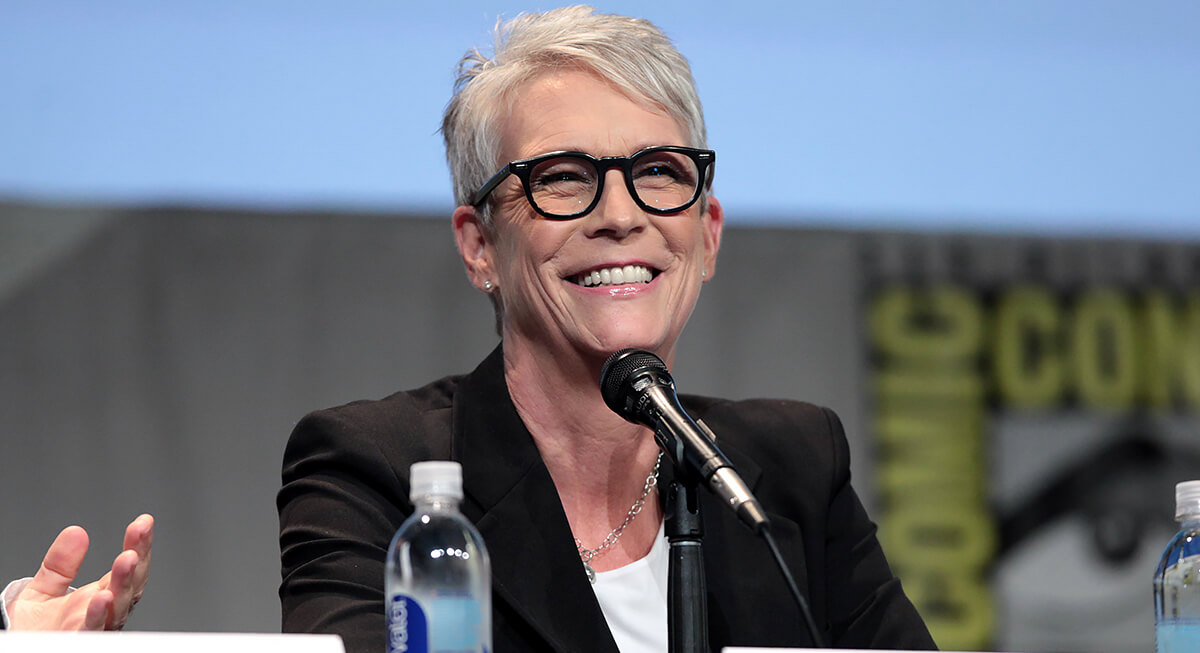
Credit: Wikimedia Commons
Following the awards success of Everything Everywhere All at Once, Jamie Lee Curtis maintained strong visibility. She moved comfortably between prestige films, horror franchises, social media humor, and industry advocacy. She also became increasingly admired for speaking openly about aging, cosmetic pressure, and insecurity within Hollywood. Even her longtime fans find her candid about the realities of growing older in entertainment.
Kevin Costner
Credit: Wikimedia Commons
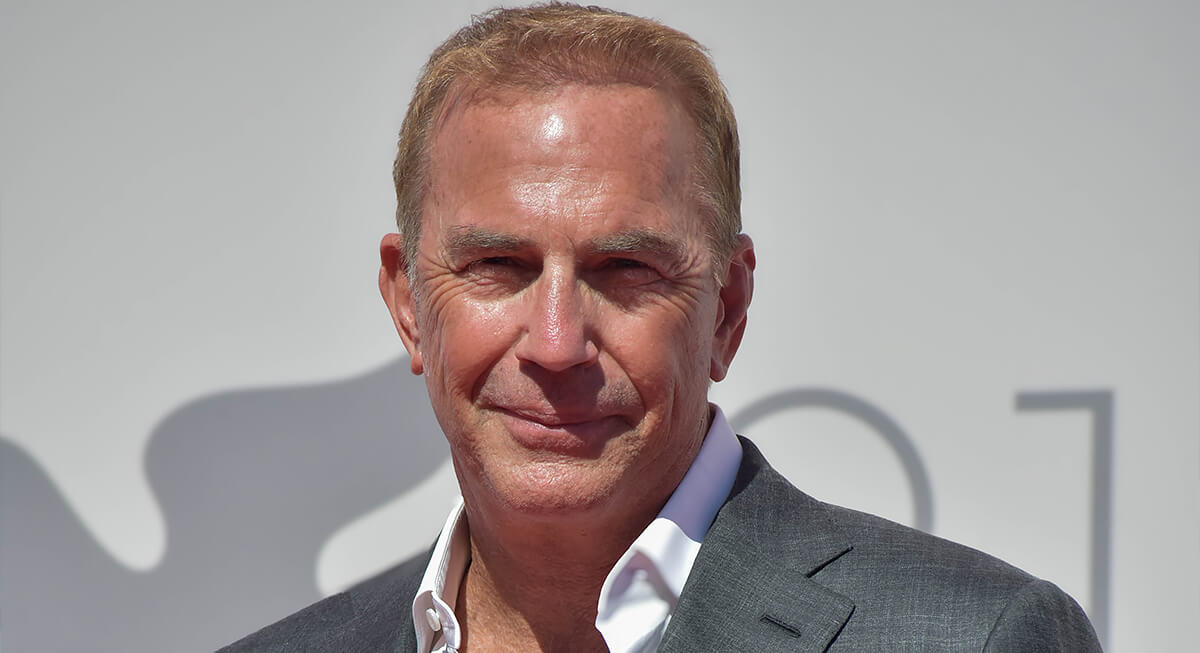
Yellowstone introduced Kevin Costner to viewers too young to fully remember his peak years as one of Hollywood’s dominant leading men. The show helped reestablish him as a major television presence by leaning into the authority figures he has played throughout much of his career, while still allowing room for vulnerability and conflict. Public attention surrounding Horizon: An American Saga also kept him in industry conversations. The project was an unusually ambitious commitment to large-scale Western filmmaking.
Cher
Credit: Wikimedia Commons
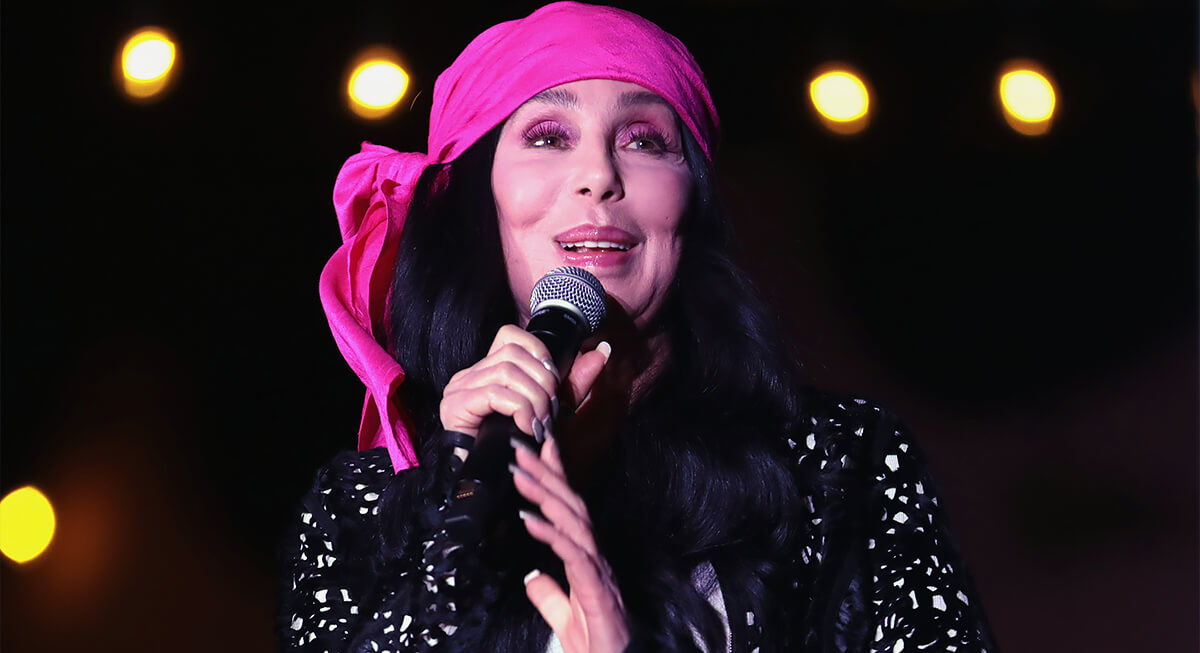
Cher’s relevance comes in cycles without fully disappearing between them. Her interviews, performances, and fashion moments continue to circulate online. Her personality remains highly recognizable across generations. Unlike many legacy entertainers, Cher rarely presents herself as trapped inside nostalgia. Even when discussing earlier eras of her career, she tends to approach them with humor and distance.