Influential Books That Were Secretly Forged in Prison Cells and Exiles
Prison isn’t meant to be a publishing house, but some of history’s most influential books began behind locked doors. Stone walls, iron bars, and island cells can turn into quiet workspaces where ideas sharpen under pressure. The settings are harsh, the risks are real, but the manuscripts still somehow make it out. Take a look at these books that started in confinement and went on to shape the wider world.
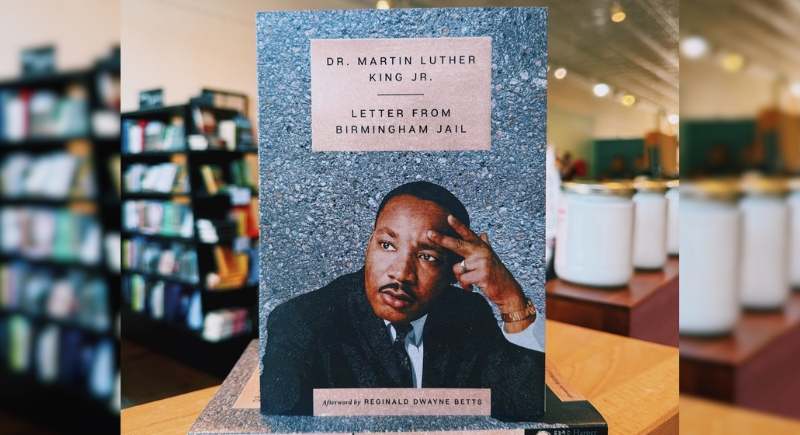
Letter from Birmingham Jail — Martin Luther King Jr.
Credit: Instagram
Arrested on April 12, 1963, for leading a demonstration without a permit, Martin Luther King Jr. spent nine days in custody. With that, a jail cell in Alabama became the setting for one of the most quoted essays in American history. He responded to eight white clergymen who criticized his activism, writing on newspaper margins and scraps of paper passed to him. The finished piece stretched to roughly 7,000 words and defended civil disobedience with legal and moral reasoning. It included the line, “Injustice anywhere is a threat to justice everywhere.” Supporters gathered the fragments and arranged publication shortly before his April 20 release.
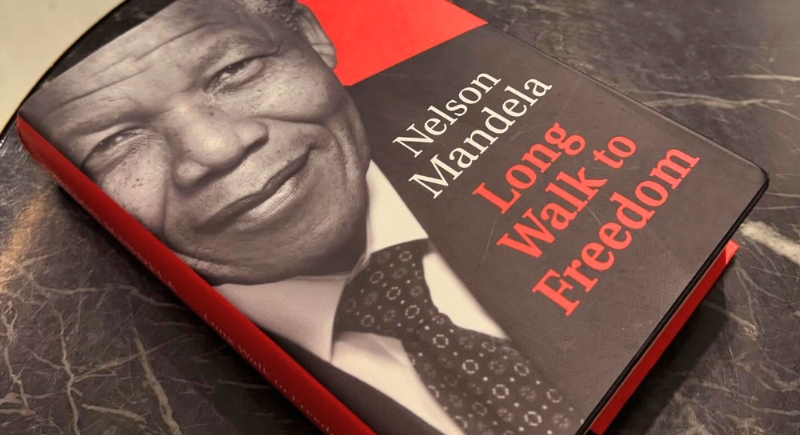
Long Walk to Freedom — Nelson Mandela
Credit: Instagram
Prisoner 466/64 did not waste his time on Robben Island. In 1974, Nelson Mandela began secretly drafting his life story while serving a 27-year sentence. His cell measured about 8 by 7 feet, and fellow inmates edited early chapters. Mac Maharaj copied the manuscript in tiny handwriting to conserve paper. The pages were hidden in the prison garden, and although guards later discovered part of it, copies had already left the island. The material eventually became the 1994 autobiography published the same year Mandela became president.
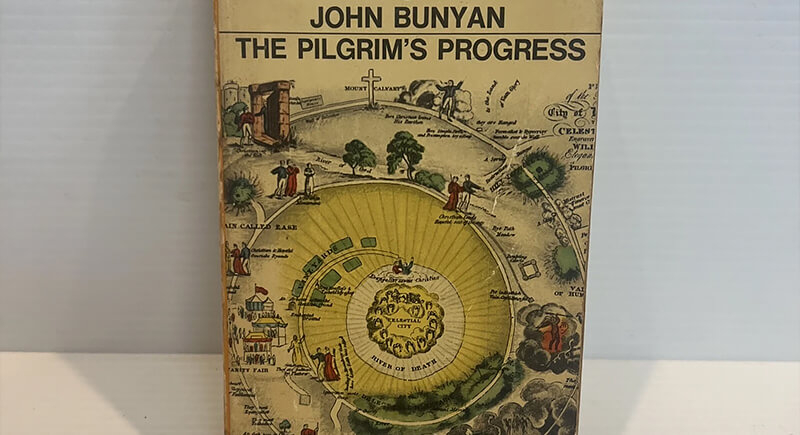
The Pilgrim’s Progress — John Bunyan
Credit: ebay
Refusal to stop preaching kept John Bunyan in a Bedford jail far longer than expected. He was jailed in 1660 for holding unauthorized religious gatherings and remained locked up for more than 12 years instead of the original three-month term. During that time, he began crafting a spiritual allegory about a traveler named Christian on his way to the Celestial City. The book was published in 1678, after his release. It has remained continuously published since the 17th century.
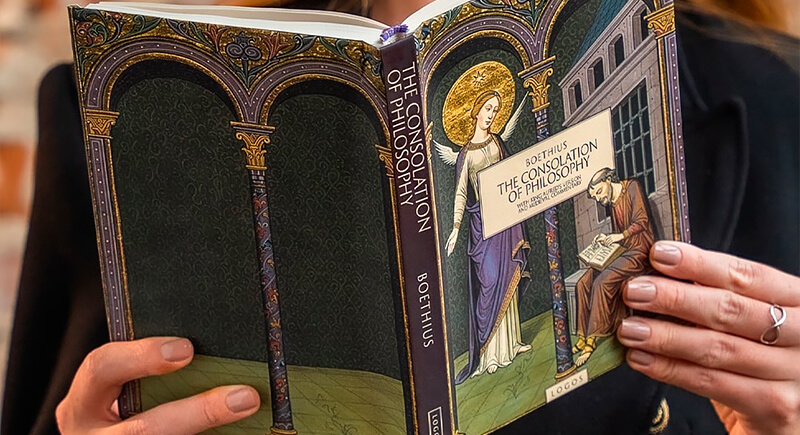
Consolation of Philosophy — Boethius
Credit: Instagram
Boethius wrote The Consolation of Philosophy while imprisoned on charges of treason under the Ostrogothic ruler Theodoric around 523 A.D. While facing execution, he composed the work as a dialogue between himself and a symbolic figure called Lady Philosophy. Their exchanges explore questions of fate, free will, and human suffering through philosophical reasoning. Boethius was executed around 524 A.D., and the text later became a foundational work in medieval intellectual life.
The Prince — Niccolò Machiavelli
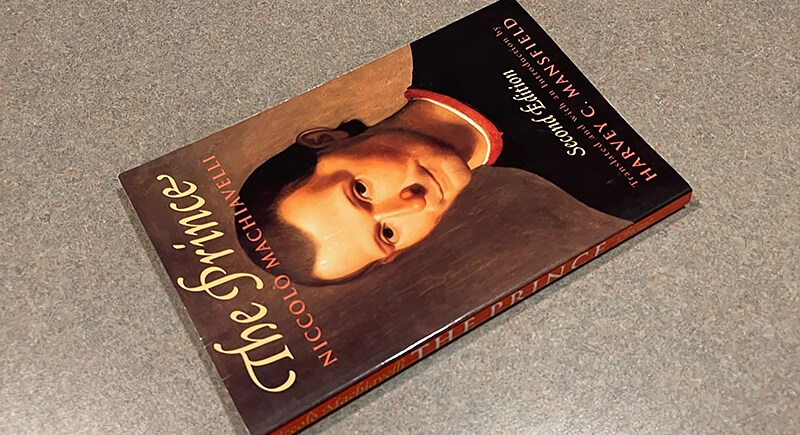
Credit: ebay
Political exile can feel like punishment, and that is exactly where this handbook on power began. After being arrested and tortured in 1512 when the Medici regained control of Florence, Niccolò Machiavelli was banished to his farm. In 1513, he wrote The Prince and dedicated it to Lorenzo de’ Medici in hopes of returning to political life. The manuscript argued that rulers sometimes rely on calculated force and deception. It was published in 1532, five years after his death. His surname later became shorthand for hardheaded political strategy.
The Travels — Marco Polo
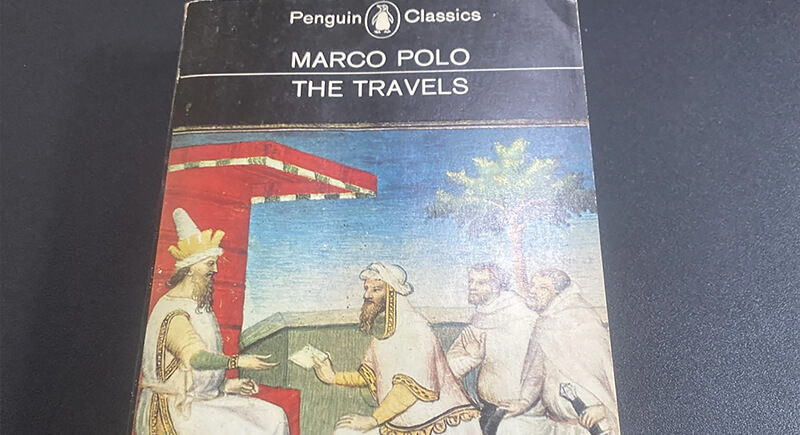
Credit: ebay
A naval defeat in 1298 landed Marco Polo in a Genoese prison at age 44. With time on his hands, he described his 24-year journey across Asia to fellow inmate Rustichello of Pisa. Their collaboration produced a manuscript originally titled “Description of the World.” The book later became widely known as The Travels. It introduced European readers to detailed accounts of Kublai Khan’s court. The stories influenced later explorers, including Christopher Columbus.
The Gulag Archipelago — Aleksandr Solzhenitsyn
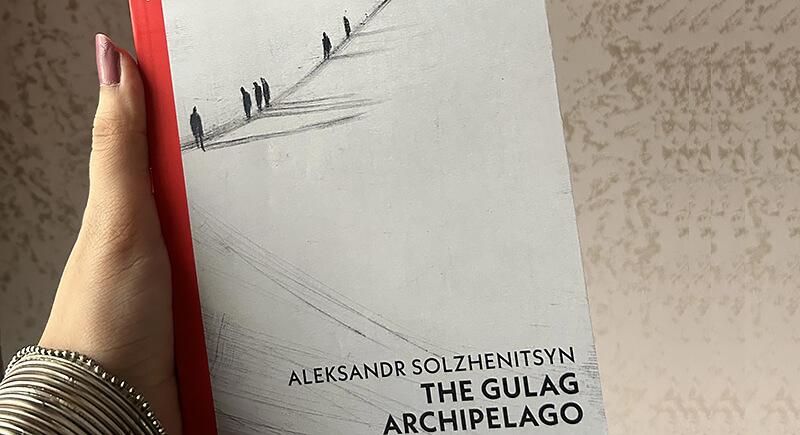
Credit: Reddit
Private letters criticizing Joseph Stalin led to Aleksandr Solzhenitsyn’s arrest in 1945. He spent eight years in Soviet labor camps and later began collecting testimony from more than 200 former prisoners. He memorized large sections of his manuscript to avoid detection. The Gulag Archipelago first appeared in the West in 1973. The Soviet government stripped him of citizenship in 1974 and expelled him from the country. The book exposed the scale of the forced labor system to readers worldwide.
Narrative of the Life of Frederick Douglass — Frederick Douglass
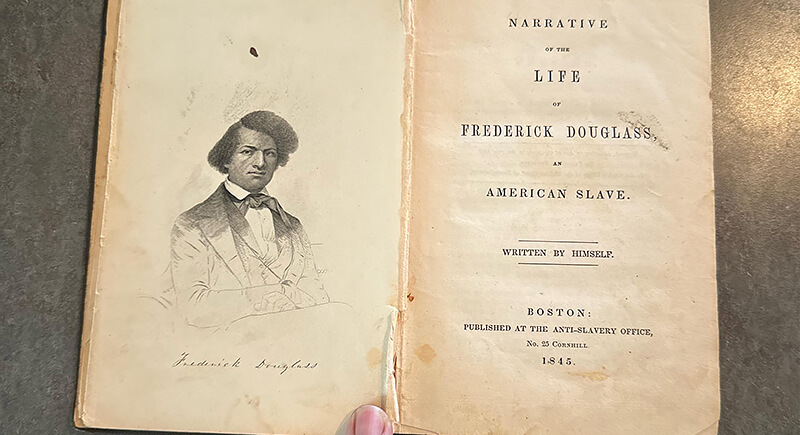
Credit: Reddit
Learning to read was illegal for many enslaved people in the early 19th century, but Frederick Douglass managed to do it anyway. More importantly, his narrative energized the abolitionist cause in the United States. He was born into slavery in 1818, escaped in 1838, and published his autobiography in 1845. The book pointed out the names of enslavers and described violent treatment in direct language. Its release put him at risk under the Fugitive Slave Act of 1793, so he traveled to Britain to reduce the danger of capture.
Le Morte d’Arthur — Sir Thomas Malory
Credit: Reddit
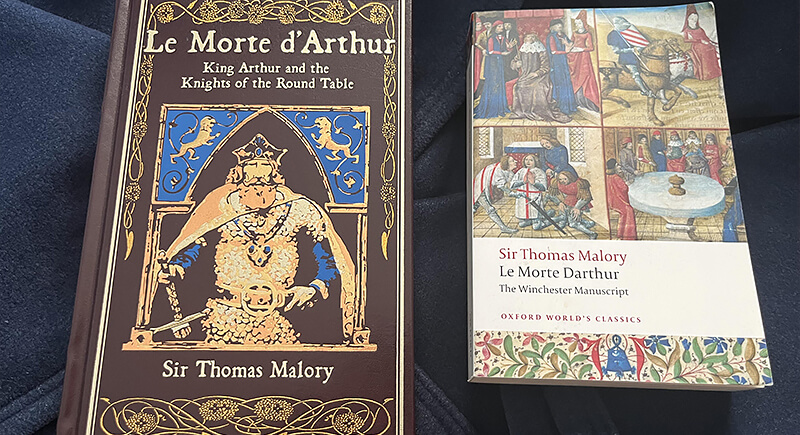
Sir Thomas Malory, who once described himself as a “knight prisoner,” compiled Le Morte d’Arthur while in prison in 1470. Historical records show he had been incarcerated several times earlier on serious charges. During confinement, he gathered and reshaped existing Arthurian legends into a single narrative. Printer William Caxton published the work in 1485. Many modern retellings of Camelot still rely on Malory’s version.
Mein Kampf — Adolf Hitler
Credit: Allegro
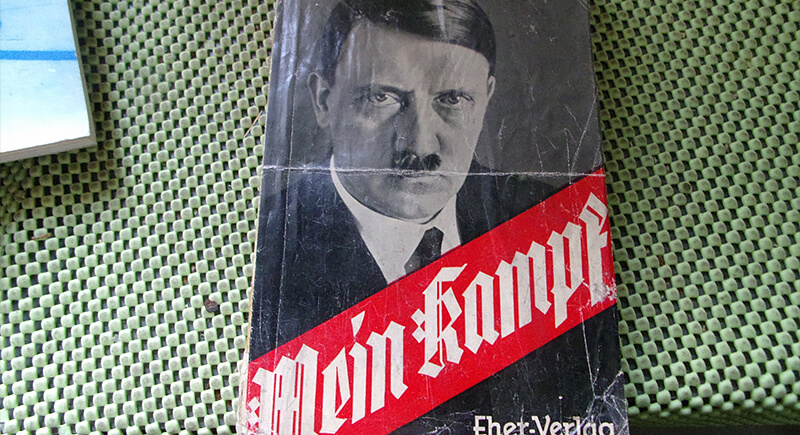
A failed coup attempt in 1923 resulted in a high treason conviction for Adolf Hitler. He served about nine months in Landsberg Prison. During that time, he dictated Mein Kampf to Rudolf Hess. The book mixed autobiography with racial ideology and outlined plans for expansion. Volume one was published in 1925 and gained momentum after 1933, when he took power. It later functioned as a central text of Nazi policy.