The Microscopic Creatures That Could Be Inside Your Body Right Now
The human body may seem like a single, self-contained system, but it actually hosts trillions of microscopic organisms. These microbes live on the skin, in the mouth, and throughout the digestive system. Most exist without causing harm and even support normal bodily functions. Under certain conditions, some can create health problems. Scientists continue to study this complex microbial community to better understand its role in human health.
Gut Bacteria
Credit: Wikimedia Commons
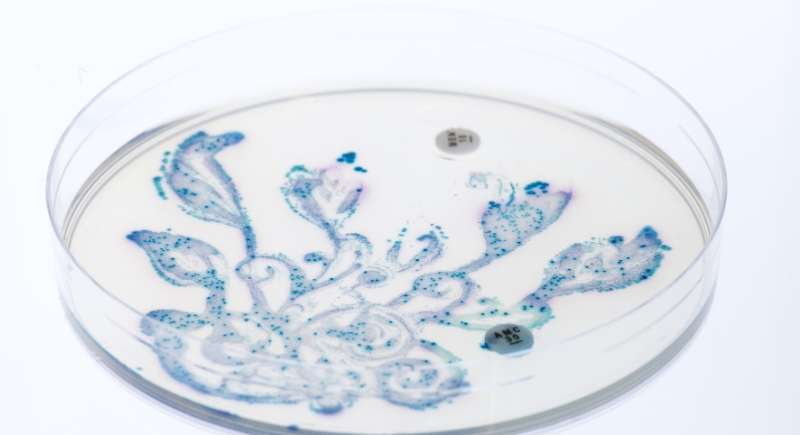
Inside the intestines, trillions of bacteria help break down food that the body cannot digest on its own. This community, often called the gut microbiome, includes species that produce vitamins such as B12 and K. Researchers link gut bacteria to immune function and even mood regulation.
Demodex Mites
Credit: Wikimedia Commons
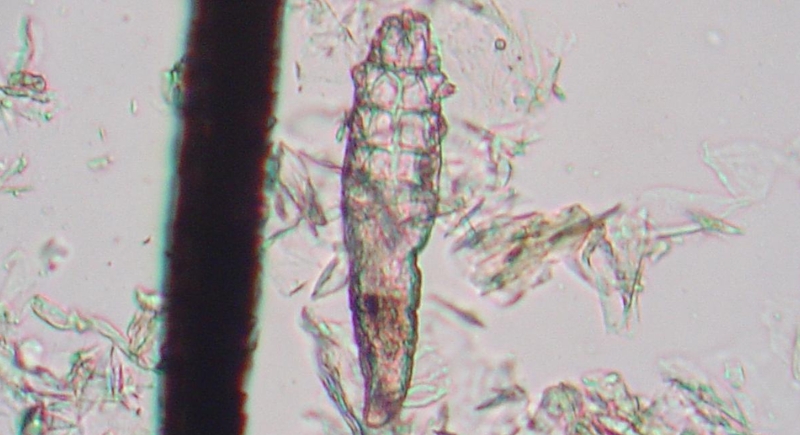
Every time a face is washed, Demodex mites remain unfazed. They spend their lives tucked headfirst inside hair follicles, emerging at night to move across the skin. Researchers first described them in the 1840s. By adulthood, nearly everyone carries them. Under a microscope, they resemble tiny cigars with legs.
Candida Yeast
Credit: Wikimedia Commons
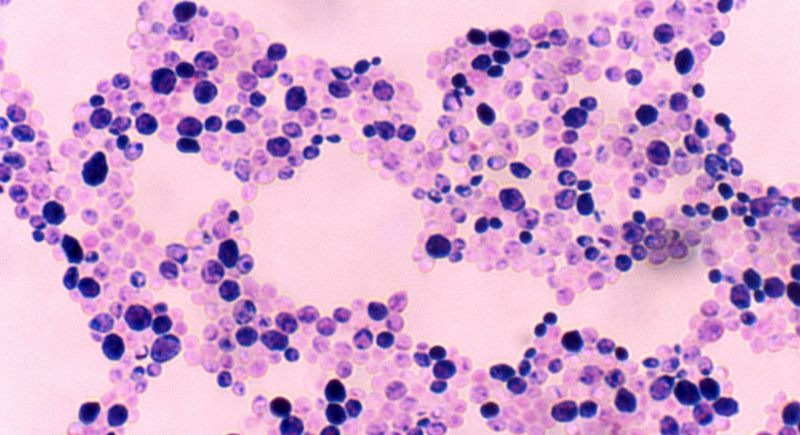
Candida resides in the mouth and along mucous membranes, held in check by bacteria and immune cells. Antibiotic use can tip the balance by removing bacterial competition. The yeast then multiplies rapidly. Physicians recognize this pattern in cases of oral thrush and yeast infections.
Pinworms
Credit: Wikimedia Commons
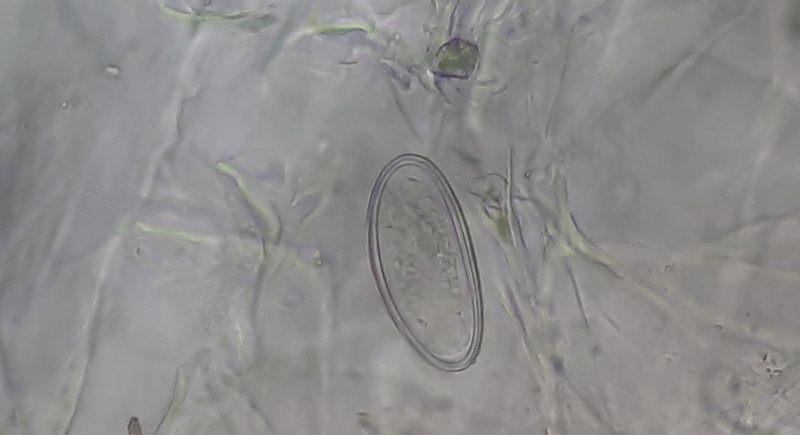
Pinworms are common in elementary school classrooms. The worms are small enough to escape unnoticed until nighttime itching begins. Female worms leave the intestine to lay microscopic eggs on nearby skin, which can survive on surfaces for weeks. Pediatricians often see entire families treated together because reinfection spreads easily through shared spaces.
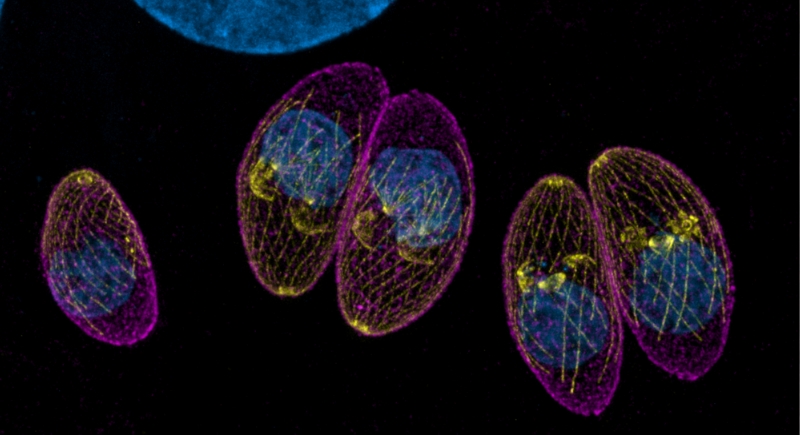
Toxoplasma Gondii
Credit: Wikimedia Commons
Toxoplasma gondii has a complex life cycle that uses cats as its primary host. Humans can become infected by consuming contaminated food or by handling infected cat litter. Once inside the body, the parasite can form cysts in muscle and brain tissue. Large population studies estimate that about 11 percent of people in the United States carry this parasite.
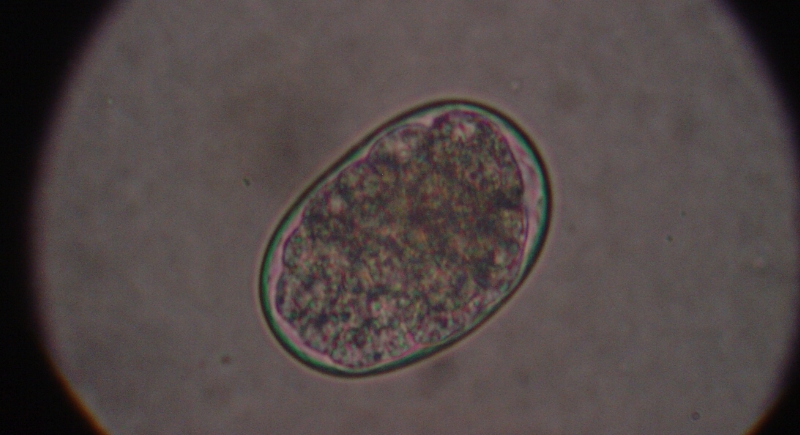
Hookworms
Credit: Wikimedia Commons
Hookworm larvae live in contaminated soil and can penetrate bare skin. After entering the bloodstream, they travel to the lungs and then to the intestines. There, they attach to the intestinal lining and feed on blood. Heavy infections may lead to anemia and fatigue. Public health efforts and improved sanitation have reduced cases in the United States.
Skin Bacteria
Credit: Wikimedia Commons
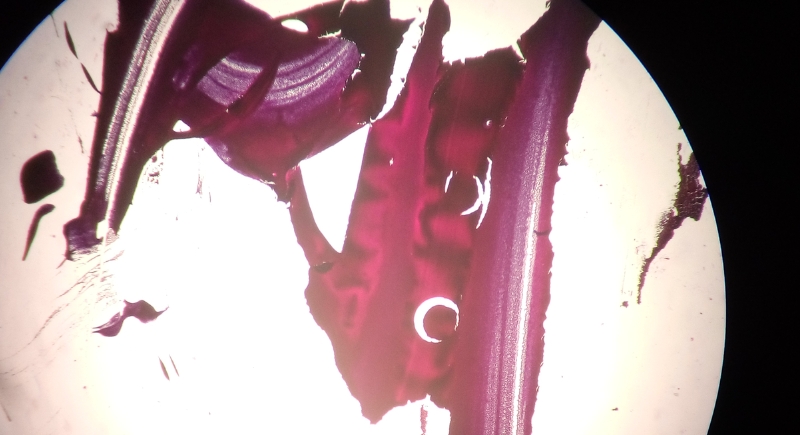
The skin’s surface supports entire microbial communities. A square centimeter can hold up to a million bacteria. Scientists have found that oily areas host different species than dry forearms. These organisms help train the immune system to recognize friends from foes.
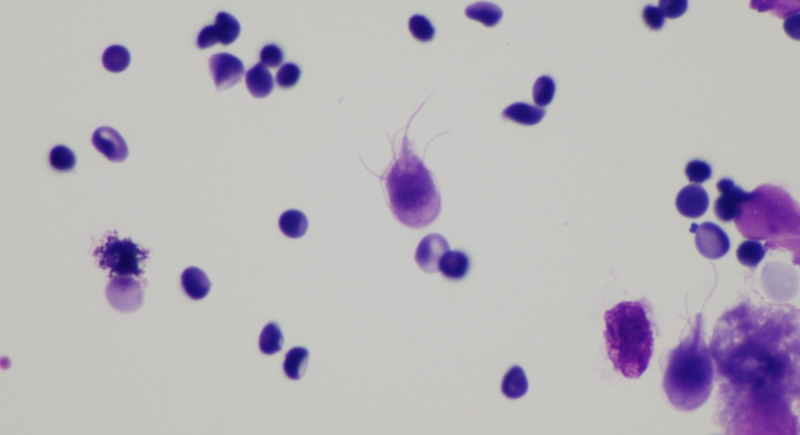
Giardia
Credit: Wikimedia Commons
Giardia gained public attention in the United States after several waterborne outbreaks in the late 20th century. The parasite produces tough cysts that can survive for long periods in cold freshwater. People can become infected by swallowing contaminated water, even in small amounts. Once inside the body, the parasite settles in the small intestine, where it attaches to the intestinal lining and impairs nutrient absorption.
Scabies Mites
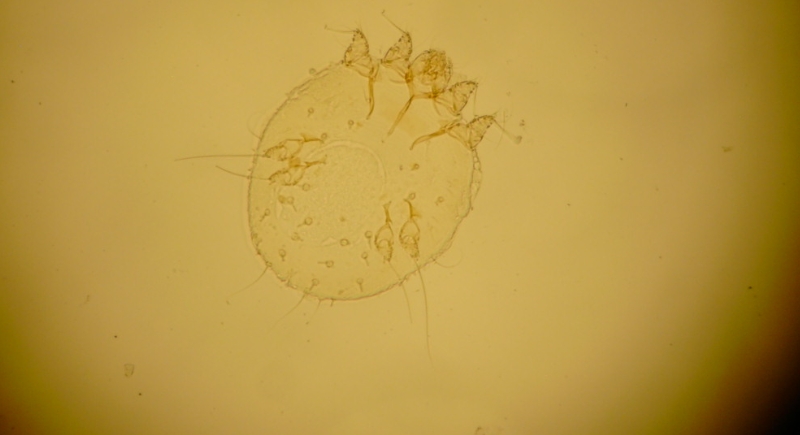
Credit: Wikimedia Commons
The scabies mite burrows into the top layer of the skin and lays eggs, which triggers an allergic reaction. Intense itching often worsens at night. The rash appears in areas such as between fingers or around the waist. Prescription creams eliminate the mites, and washing bedding in hot water helps stop reinfestation.
Armpit Microbes
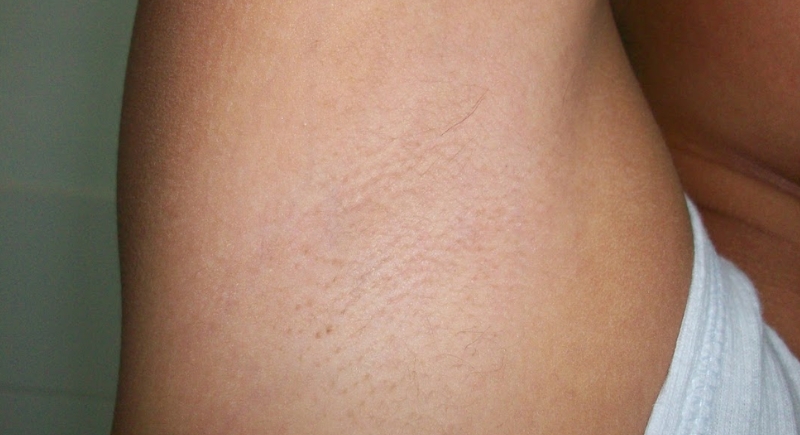
Credit: Wikimedia Commons
The chemistry of body odor starts with bacteria that break down compounds in sweat. Fresh sweat has little scent. Odor develops only after microbes break it down into smaller molecules. Studies comparing antiperspirant users with nonusers show measurable shifts in microbial populations.