9 Things You Should Never Clean With a Pressure Washer
Pressure washers are like the closest thing to a reset button for outdoor grime because they can erase years of buildup in minutes. However, that same force can wreck surfaces that rely on coatings, seals, or thin materials to function. Knowing where pressure causes damage keeps cleaning projects from turning into repair bills and helps surfaces last longer.
Windows

Credit: pexels
It only takes one second of direct spray to turn a dirty window into shattered glass. Pressure washers concentrate water hard enough to crack panes, rip screens, and force water through worn caulk. Even windows that look solid can fail under high-pressure water.
Roof Shingles
Credit: Getty Images
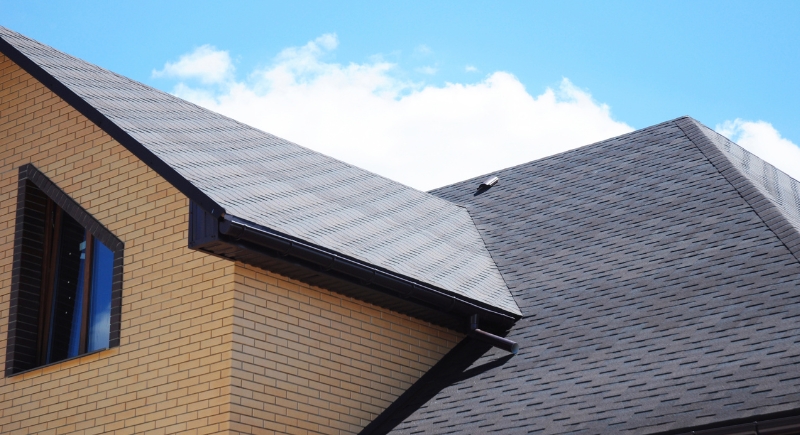
A satisfying blast can ruin a roof before the damage is visible. Asphalt shingles depend on protective granules, and pressure washing strips them away. Water also gets pushed into hidden cracks and worsens leaks. Moreover, wet roofs can become slick and increase fall risk during cleaning.
Electric Meters And Electrical Fixtures
Credit: Canva
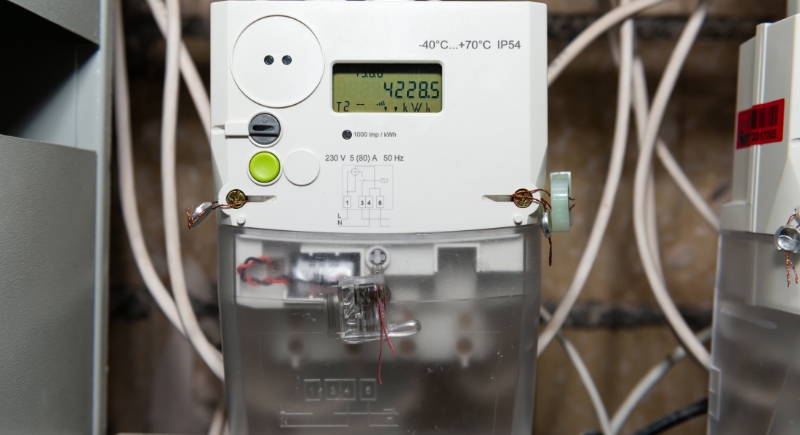
Mixing high-pressure water with electrical equipment is asking for trouble. Electric meters and outdoor lights can handle rain, but pressure spray forces water into seams and into the internal wiring, thus damaging it. Broken seals can lead to shorts or total failure.
Old Brick And Mortar
Credit: pexels
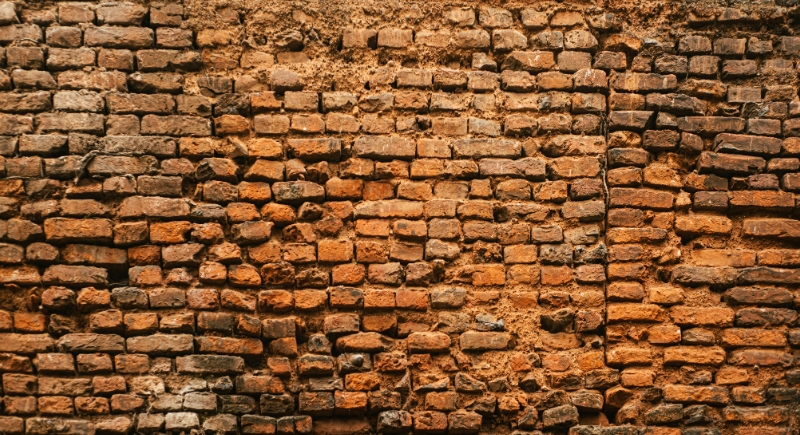
Pressure washing old brick can do more harm than decades of weather ever did. Aging mortar becomes fragile, and a strong spray can blast it out of joints. Older brick also absorbs water faster because it becomes porous over time.
Gutters
Credit: Canva
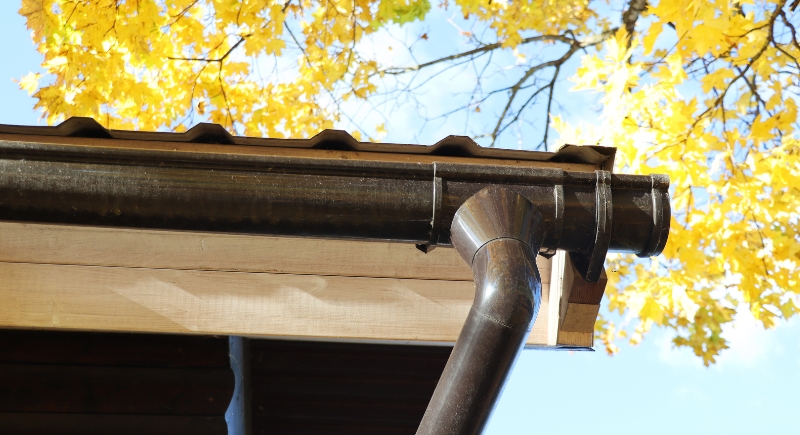
Pressure washing may seem like a shortcut for blasting out leaves, but it can turn into a gutter replacement project. These washers can dent metal, loosen fasteners, and pull sections away from the roof. Plus, using one while standing on a ladder increases fall risk because the water’s force can affect balance.
Vehicles

Credit: pexels
High-pressure water chips paint and can force moisture into seams and components. Exposed metal can rust over time, and trapped water can lead to mechanical or electrical problems. Hand washing or automatic car washes keep pressure controlled and predictable.
Awnings And Outdoor Fabric
Credit: Canva
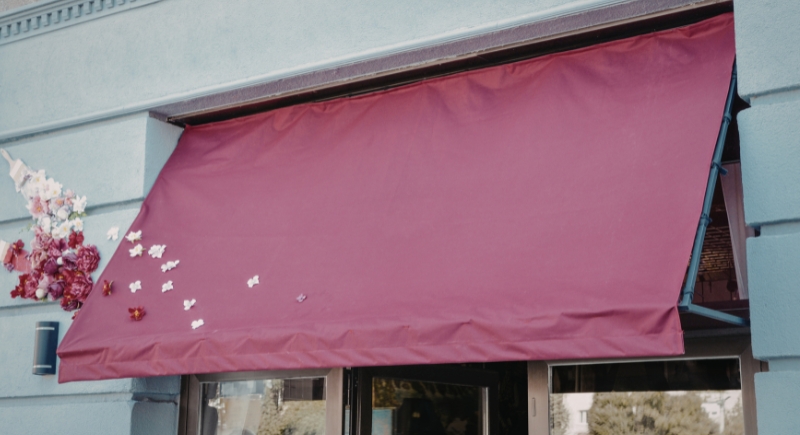
Outdoor fabrics handle weather, but they are not built for concentrated water force. Pressure spray can tear fibers and stretch stitching. Aluminum awning frames can also bend when hit directly.
Air Conditioners
Credit: Canva
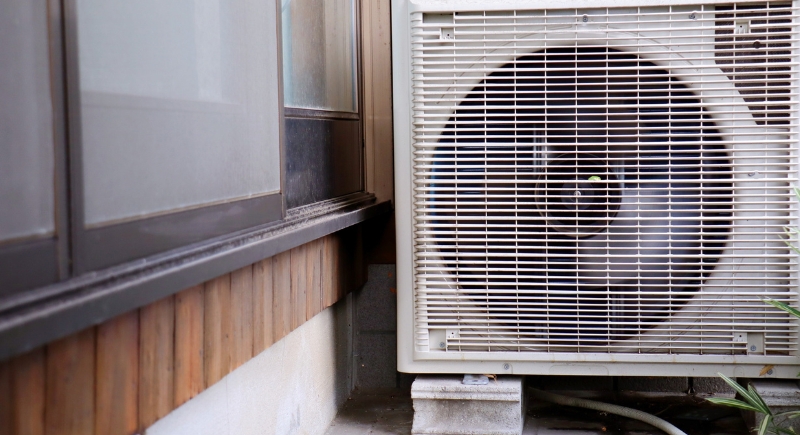
Air conditioner fins look tough, but bend surprisingly easily under pressure. These thin metal fins control airflow and cooling efficiency. Pressure washers can crush them, reduce their performance, and increase energy use.
Pools
Credit: pexels
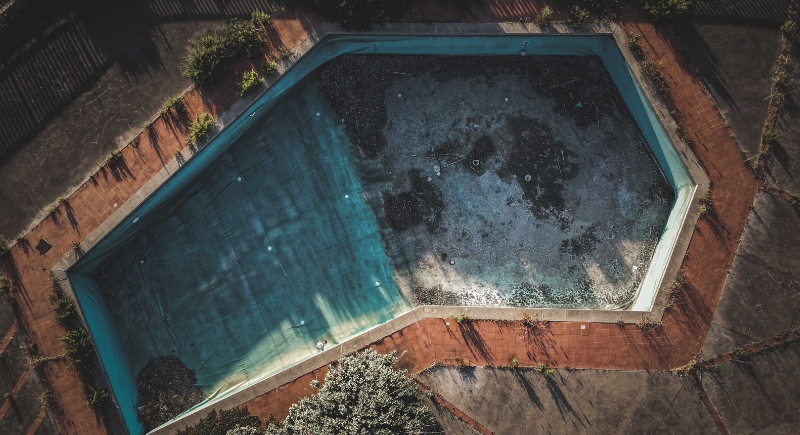
Pressure washing a pool can create leaks that are expensive and difficult to fix. High-pressure water can crack plaster shells and tear vinyl liners. Liner edges near pool fittings are especially vulnerable. Pool cleaning usually relies on chemicals, brushes, and robotic cleaners because controlled cleaning helps protect structural surfaces and prevent long-term damage.